Ask most facilities managers what winter prep looks like and the answer is familiar: gritting routes, drain checks, leaf clearance, lighting inspections and a well-stocked salt bin. It’s a sensible list, and the September issue of FMJ made the case for it well. Two features, one from Kärcher on early-autumn cleaning and one from Litmus FM on grounds maintenance, both land on the same point: winter readiness starts long before the first frost.
We’d add one more item to that list. Your planting.
Plants are easy to forget when the clocks go back. They’re often treated as decoration rather than infrastructure, and left to fend for themselves until spring. But the months when daylight is short, people are indoors more and sites are under pressure are exactly when green space does its hardest work. A little planning now means healthier plants, safer entrances and a workplace people actually want to come into.
A recurring theme in the FMJ features is that the outside affects the inside. Mud, wet leaves and debris get carried through entrances, and blocked drains and slippery surfaces create hazards long before anyone notices. The same joined-up thinking applies to planting. Your external planters, entrance displays and interior greenery are all part of one environment, and winter puts all of them under strain.
That’s the heart of biophilic design: treating nature as part of how a building works, not an afterthought. In winter, that means asking two questions. Will our planting stay safe and healthy through the cold months? And will it help our people through them?

Shorter days and grey weather take a toll on mood and energy. Many people notice the dip, and for facilities teams it often shows up as lower engagement, more complaints about the environment and a general sense that the building feels flat.
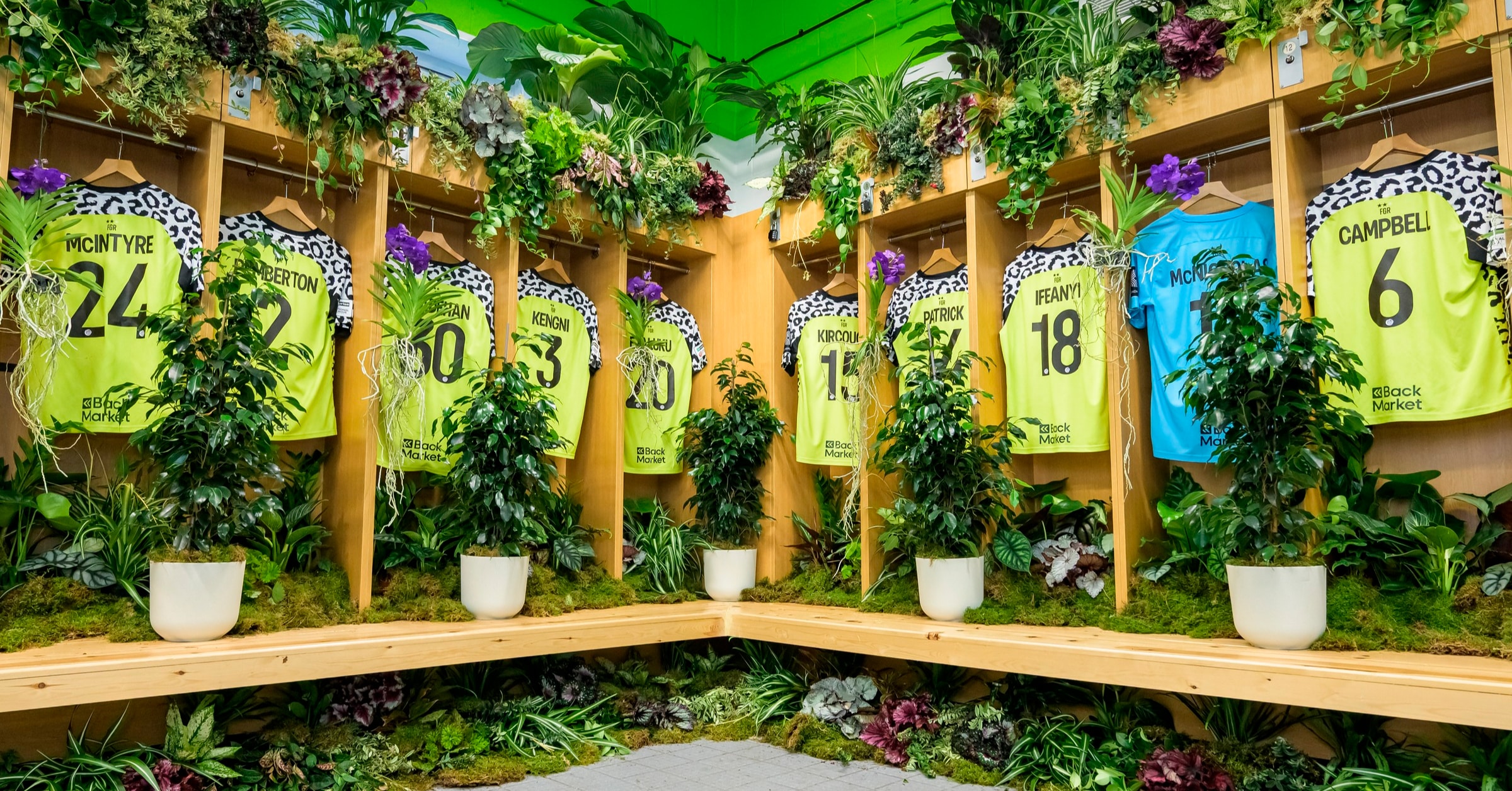
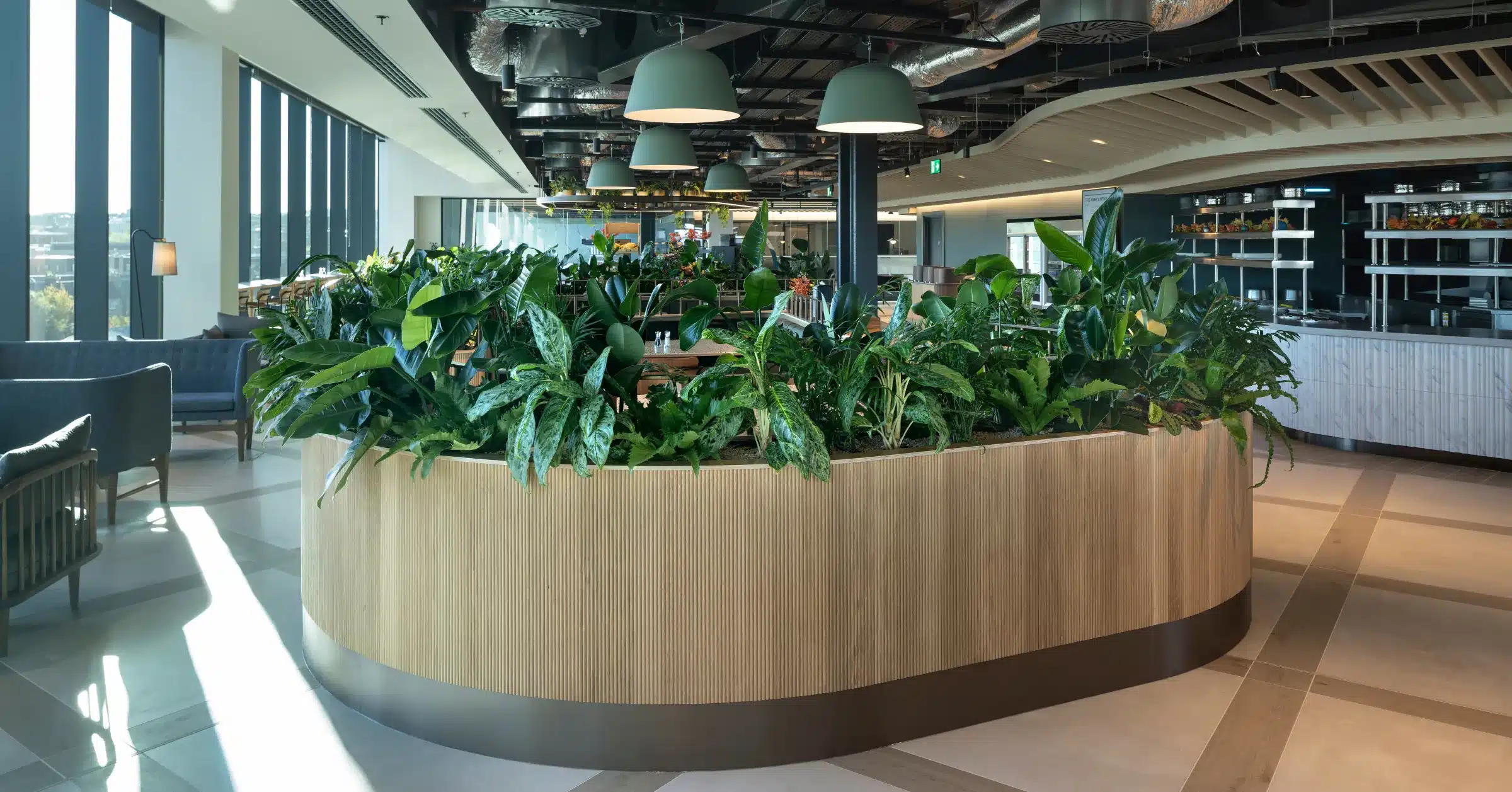
Bringing the outdoors in is one of the simplest ways to counter that. Greenery brings colour, texture and life to interiors at the time of year when the view from the window is at its dullest. Reception areas, breakout spaces and corridors all benefit, and so do the spaces people pass through on the way in from the cold. If you’d like the evidence behind this, our research library on the Benholm Hub is a good place to start, including our piece on whether plants can help with silent stress at work.
Early autumn is the ideal moment to act, for the same reason it’s the best time to service your gritting equipment: conditions are still favourable and there’s room to plan properly.
When you carry out your autumn risk assessment of entrances, emergency exits, pathways and car parks, note where planters sit in relation to them. Planters should never obstruct emergency routes, narrow accessible pathways or get in the way of gritting and snow clearance. If a display has crept into a walkway, now is the time to move it.
Standing water is a problem for paving and for planters alike. Waterlogged soil damages roots, and water that freezes in a container can crack it and harm the plants. Make sure drainage holes are clear and containers aren’t sitting in puddles. Fallen leaves can block planter drainage in the same way they block gullies, so include planters in your leaf clearance programme.
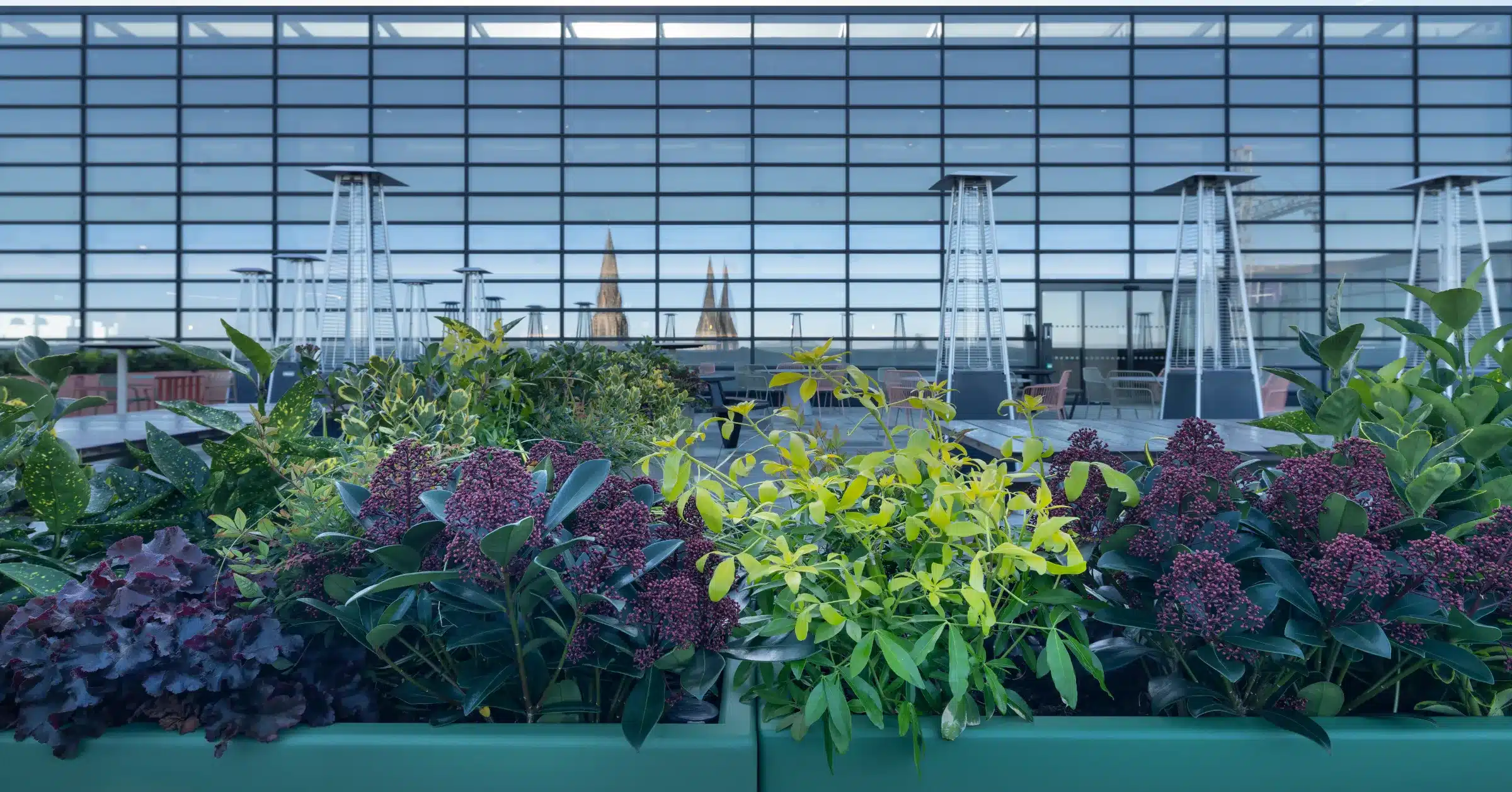
Summer bedding won’t see out the first hard frost. Seasonal change-overs keep entrances looking cared for through winter, and hardy, structural and evergreen planting does the job when much of the garden has gone dormant. Smart, well-kept planting at the front door sends a clear message about how a site is managed.
Some plants are happy to stay outside through winter. Others need shelter, wrapping or moving indoors before the temperature drops. Identify which is which in autumn, not after the first cold snap.
Indoor plants have their own winter challenges, and they’re easy to miss:
Wet leaves, mud and rain make entrances slippery. Keep planting tidy and trimmed back so nothing drops leaves or debris onto walking surfaces, and keep sightlines clear. Good winter planting should add to a safe entrance, never to the hazards.

The Litmus FM feature makes a strong point about documentation: well-prepared organisations write down their winter maintenance plans, including responsibilities, trigger points and escalation procedures. Plants deserve the same discipline.
If your winter plan doesn’t mention planting, consider adding:
If your team doesn’t have the time or horticultural expertise to manage this, that’s what specialist support is for. Benholm’s regular maintenance service means plants are checked, adjusted and refreshed by people who understand how they respond to the seasons. It saves you chasing dying displays in January.
Not every space can take a high-maintenance planting scheme in winter. If your team is stretched, there are options that look good with minimal upkeep:

Winter also brings the festive season, and the sites that look best in December are the ones that planned in autumn. Commercial Christmas decorations are now being booked for 2026, so if your reception, restaurant, retail unit or outdoor space needs a festive refresh, it’s worth getting orders in early.
Adverse weather can’t be prevented, but its impact can be reduced through forward planning, and that applies to your planting as much as your pathways. Treating green space as part of your site-wide winter strategy keeps people safer, keeps plants healthier and keeps your building feeling welcoming when the weather isn’t.
Winter planting checklist for facilities managers
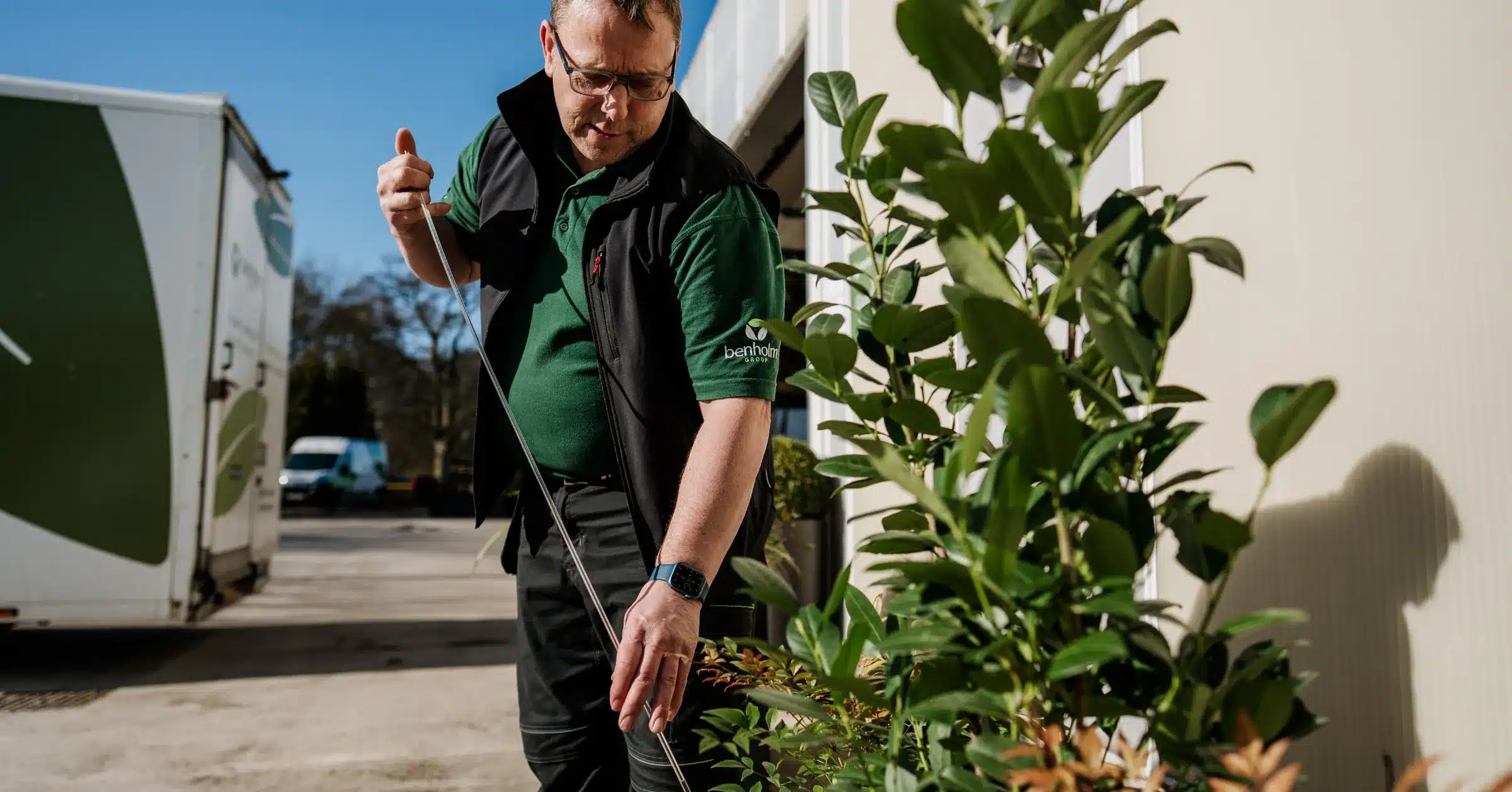
Benholm has been delivering plant and floral products and services to commercial clients across the UK for over 30 years, with teams in London, Manchester and Glasgow. From biophilic design and green walls to seasonal exterior planting and full maintenance, we can help you get your site ready before the cold arrives.
Call 0808 175 4430, email sales@benholm.com, or get a quick quote.
This article was inspired by the winter preparation features in the September 2026 issue of FMJ: “Early Start” by Emily Coleman of Kärcher and “First Frost” by Karl Cundill of Litmus FM.