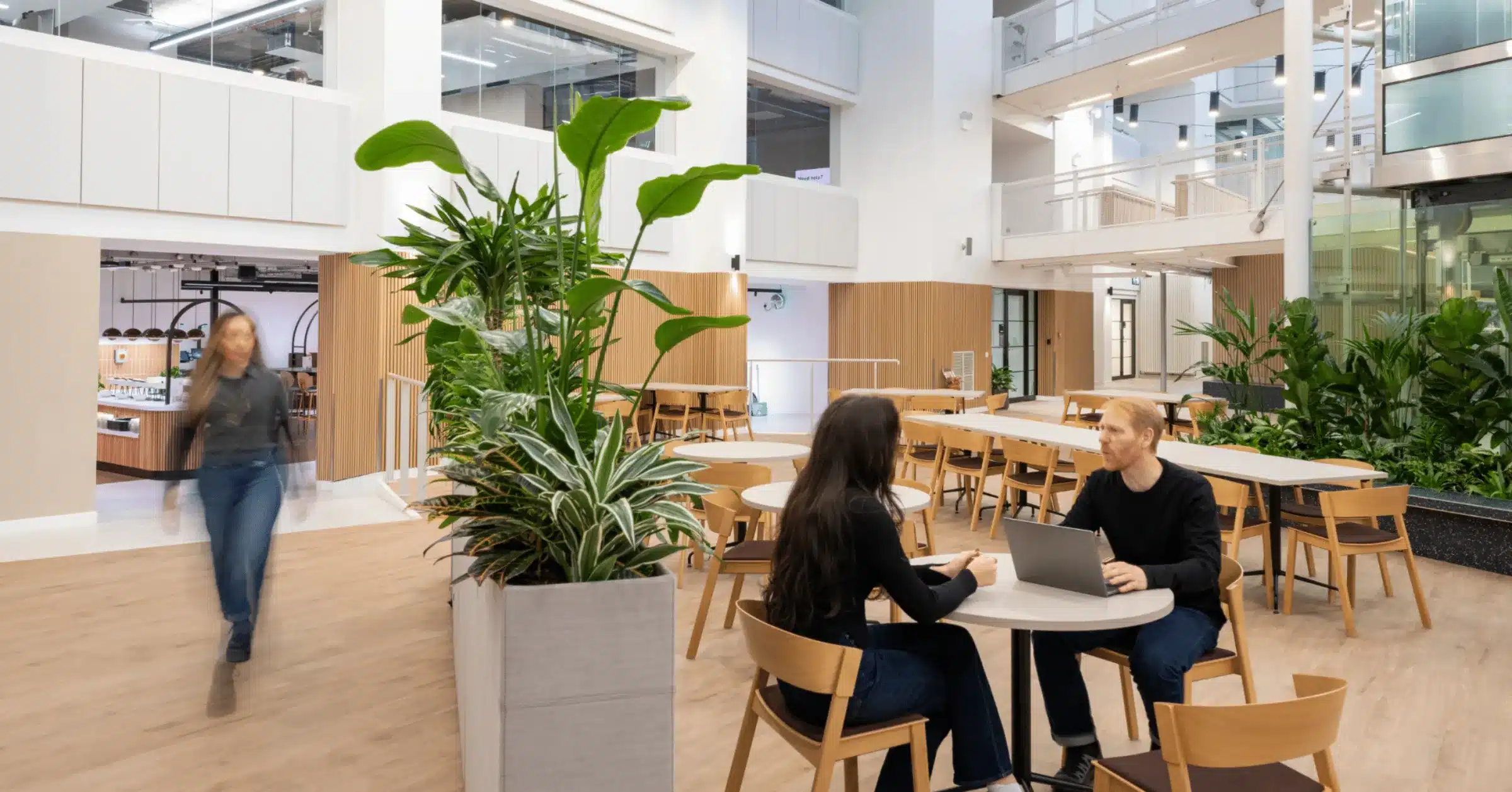
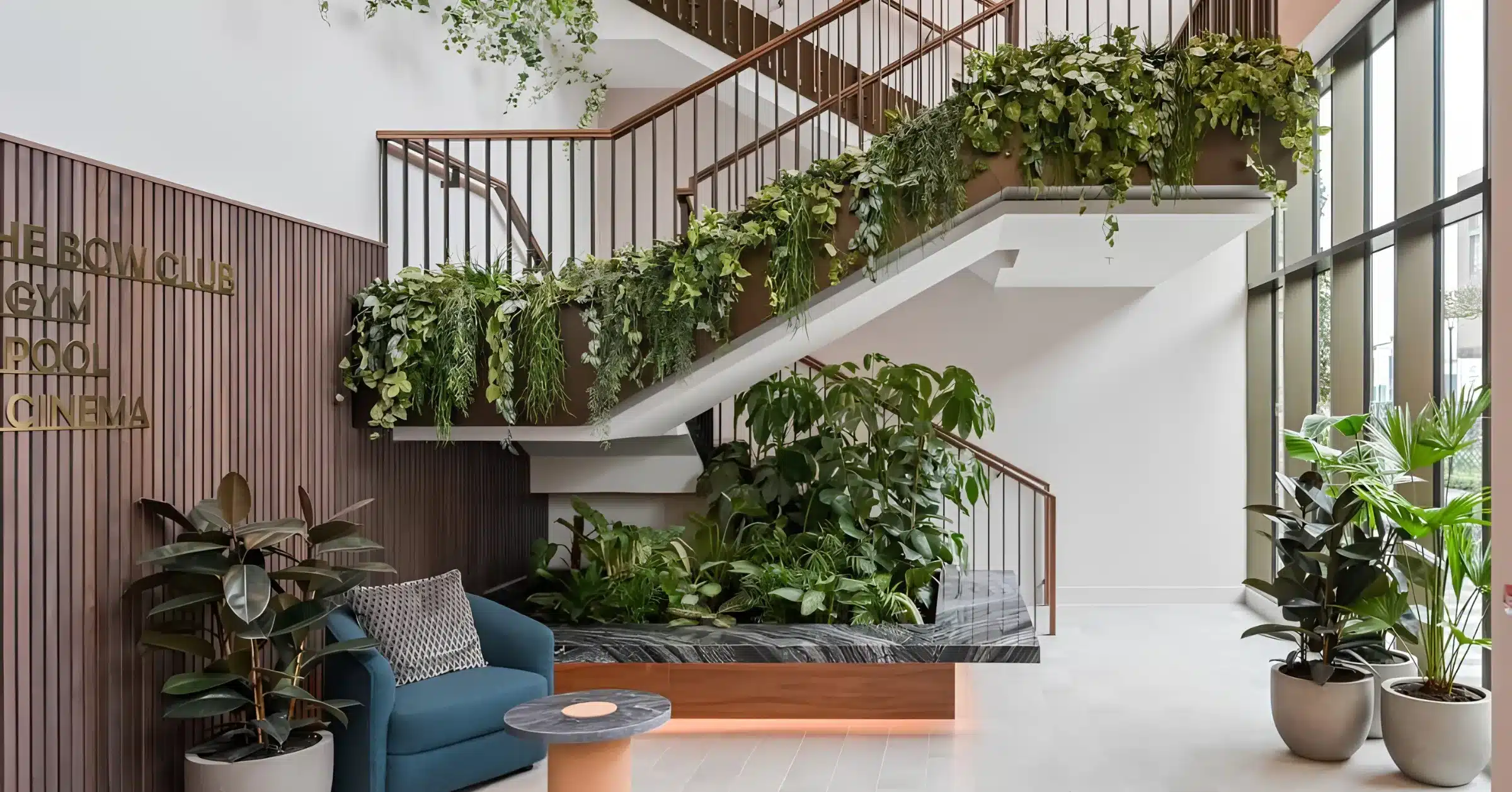
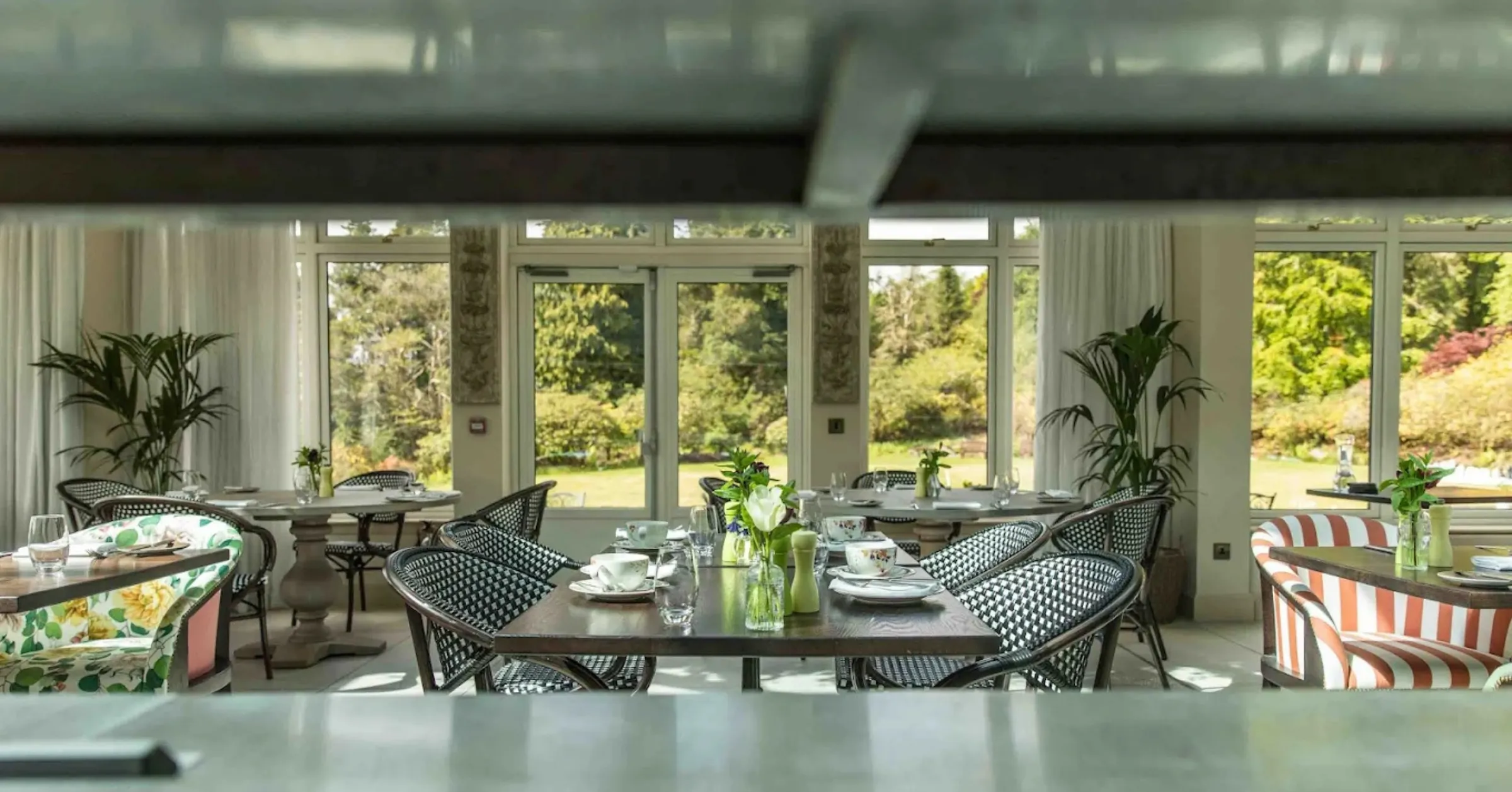
Biophilic design has moved well beyond the trend stage. Developers, hoteliers, retailers and facilities managers now recognise that bringing nature into the built environment can make spaces feel calmer, more welcoming and more memorable.
But there’s a big difference between a planted scheme that looks wonderful on installation day and one that still looks wonderful eighteen months later, after a million footsteps, a thousand suitcases and a few hundred over-enthusiastic toddlers.
In high-traffic spaces, biophilic design has to work harder. So what actually works? Here’s what we’ve learned from more than 30 years of designing, installing and maintaining commercial planting across the UK.
What makes high-traffic spaces so demanding?
A quiet boutique office and a regional airport terminal might both want to “bring the outdoors in”, but their planting needs are completely different. High-traffic environments put plants under pressure in ways that domestic or low-footfall spaces simply don’t:
- Physical contact. Bags, trolleys, buggies, brushes and passing elbows all take their toll on leaves and planters.
- Variable light. Terminal buildings and atria can be bright and glazed, while restaurants and hotel corridors may rely on low-level artificial lighting.
- Challenging air. Air conditioning, heating, automatic doors and kitchen environments create swings in temperature and humidity.
- Limited access. You can’t always close a concourse or dining room to water, prune or replace a plant.
- High expectations. In busy public spaces, a tired plant is noticed instantly, and it reflects on the whole brand.
Good biophilic design starts by respecting these constraints, not fighting them.
The three pillars: durability, maintenance and plant selection
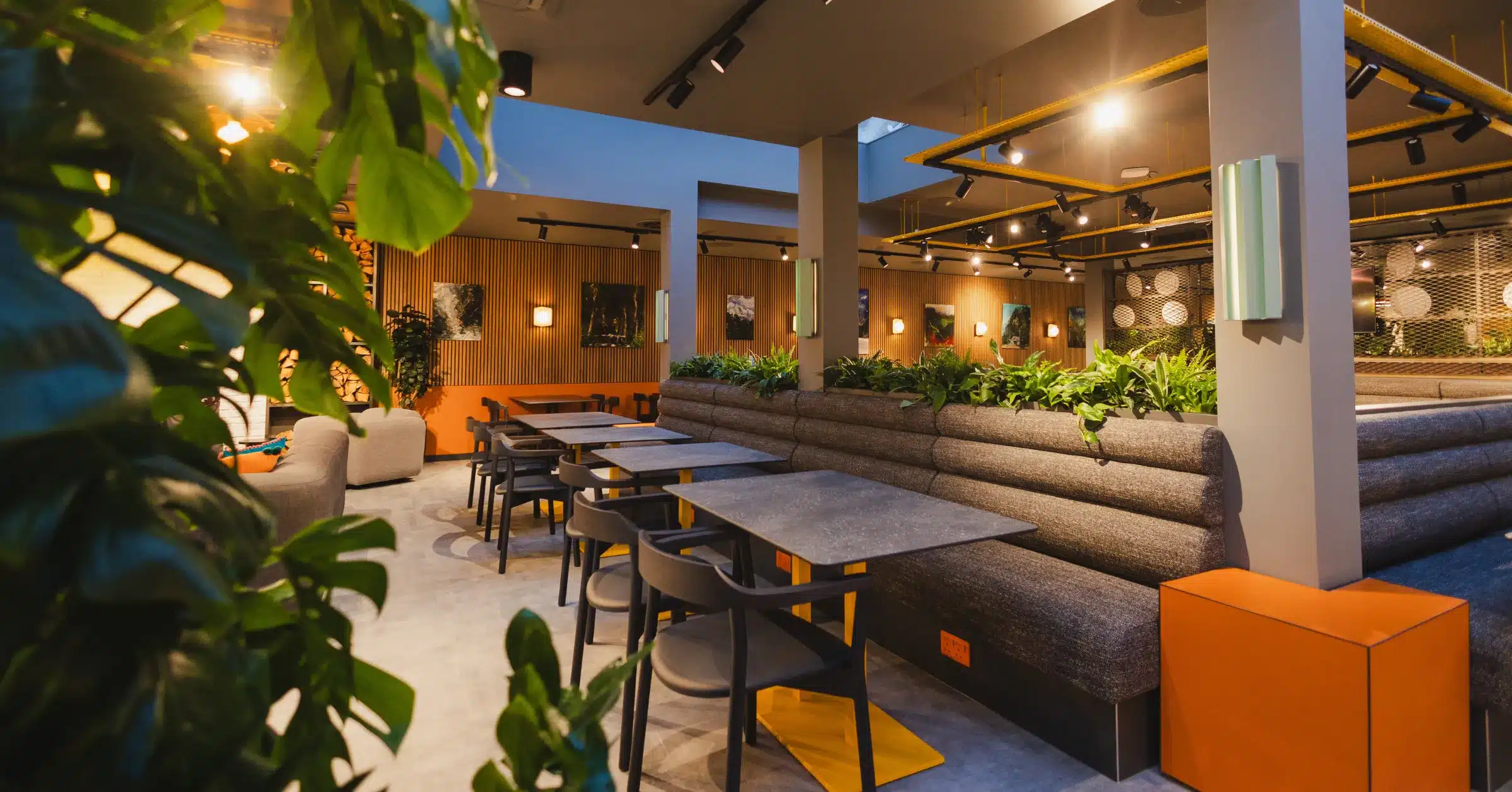
Every successful high-traffic scheme balances three things. Get all three right and you have planting that earns its place. Neglect one and the whole scheme suffers.
1 – Durability: design for the real world
Durability isn’t just about choosing tough plants. It’s about the whole system around them:
- Planters that can take a knock. Choose robust, stable containers with sensible weight and footprint, particularly where there’s heavy footfall or where cleaning equipment is used nearby.
- Smart placement. Keep plants out of pinch points and away from luggage routes where possible. Use planting to guide movement, soften edges and frame seating areas rather than sitting in the middle of a pedestrian flow.
- The right growing medium. A quality, well-draining medium supports healthier roots and makes plants more forgiving of busy-site realities. Our peat-free Enviroculture planting medium was developed with this in mind.
- Built-in resilience. Where a space is particularly punishing, consider mixing live planting with maintenance-free elements so the overall scheme still looks great if one component needs attention.
2 – Maintenance: the factor most schemes underestimate
Here’s the honest truth: the best plant in the wrong maintenance programme will fail, and a modest plant with excellent care will thrive.
In high-traffic spaces, maintenance isn’t an add-on. It’s part of the design. A proper programme should include:
- Regular, scheduled visits from trained horticultural technicians, planned around your opening hours and footfall peaks
- Correct watering for each plant and light condition, rather than a one-size-fits-all approach
- Cleaning, pruning and feeding to keep foliage dust-free, shapely and healthy
- Pest and disease monitoring before problems spread
- Prompt replacement of any plant that isn’t performing, so the scheme always looks its best
Outsourcing this to a specialist means your team can focus on running the venue. Our maintenance service is designed to keep plants looking as healthy as the day they were installed.
3 – Plant selection: right plant, right place
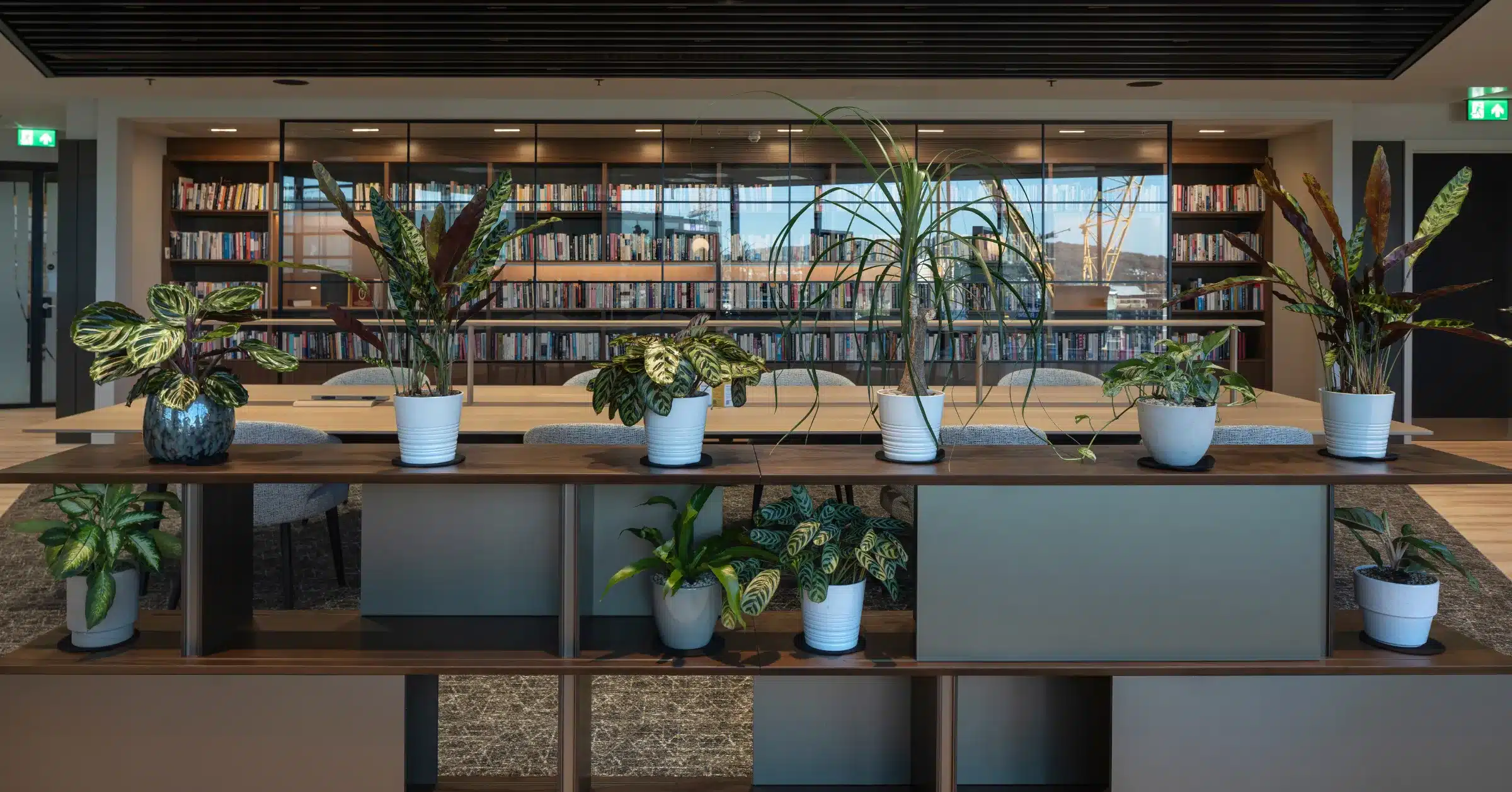
This is where many schemes are won or lost. The most successful commercial planting uses species that tolerate low light, irregular conditions and the occasional bump, while still looking lush and contemporary.
Some of the reliable workhorses of commercial planting include:
- ZZ plant (Zamioculcas zamiifolia). Glossy, architectural and extremely tolerant of low light and irregular watering.
- Snake plant (Dracaena trifasciata, formerly Sansevieria). Upright and sculptural, it’s ideal for narrow spaces and busy corridors.
- Cast iron plant (Aspidistra elatior). Famously tough, and well suited to shaded, draughty or lower-light areas.
- Dracaena varieties. Versatile, structural and available in a range of heights and finishes.
- Kentia palm (Howea forsteriana). An elegant, slow-growing palm that suits hotel lobbies, reception areas and generous atria.
- Rhapis palm (Rhapis excelsa). Dense, clumping and graceful, it works well in larger planters where you want fullness and height.
- Aglaonema (Chinese evergreen). Colourful foliage that tolerates lower light and brings variety to schemes.
- Philodendron and pothos (Epipremnum). Excellent trailing or climbing options for shelves, planters and green walls.
A few plants are best used with care in high-traffic areas. Delicate or sensitive varieties can drop leaves when moved or exposed to draughts, and plants with very large, easily damaged leaves may suffer where people brush past them. A good designer will always match the species to the conditions, not just the aesthetic.
Space by space: what works where
Airports and transport hubs
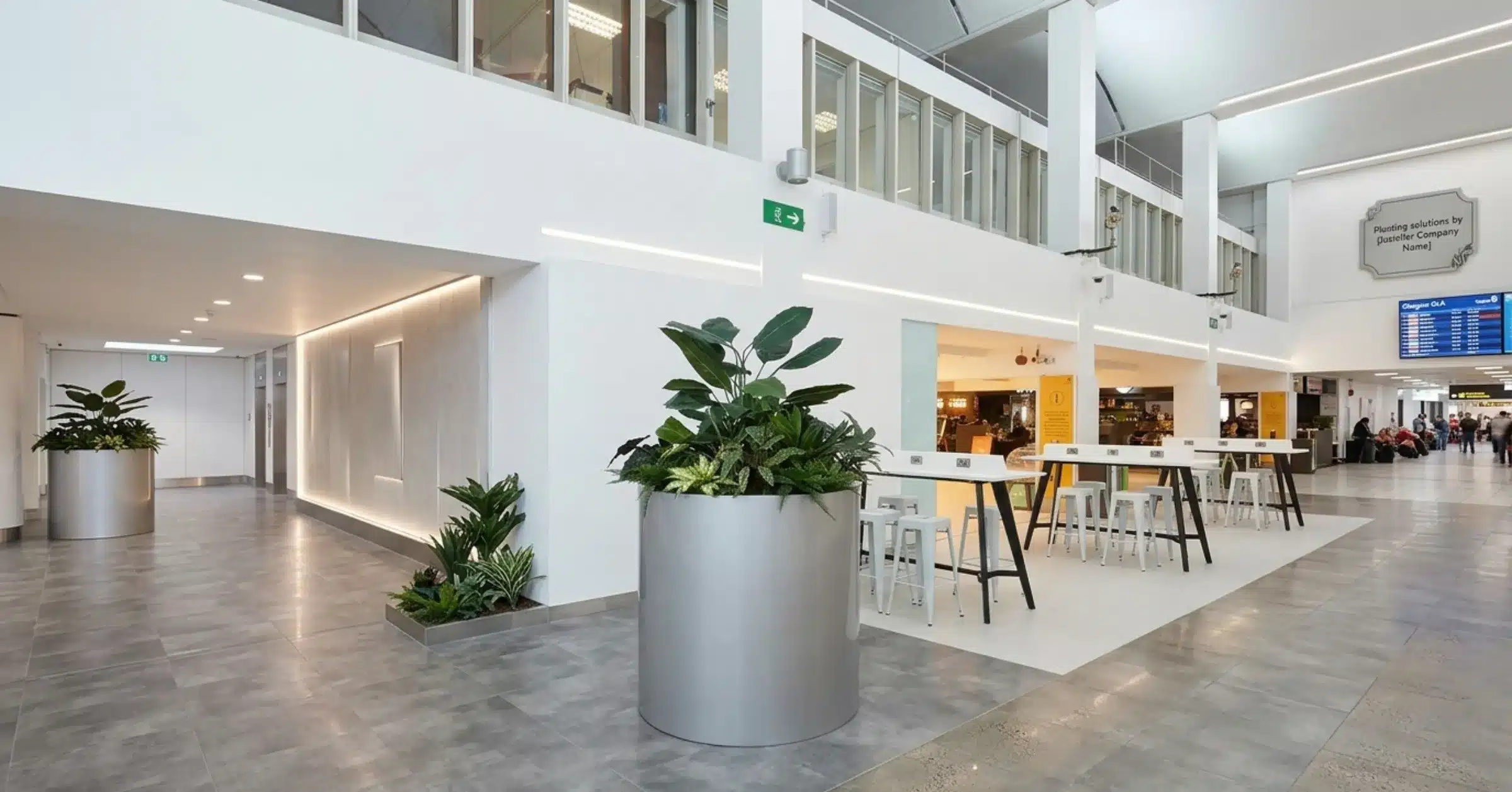
Airports combine enormous footfall, long hours and a population of stressed, tired travellers, which is exactly why planting can have such a positive impact. Here, the priorities are scale, robustness and clear sight lines.
- Use large, stable planters and feature planting to create calmer zones and break up vast open spaces.
- Choose tough, structural species such as palms, dracaenas and ZZ plants.
- Consider green walls or planted screens to soften hard surfaces and manage acoustics without taking up floor space.
- Plan maintenance around operational schedules, with access that doesn’t disrupt passengers.
Shopping centres
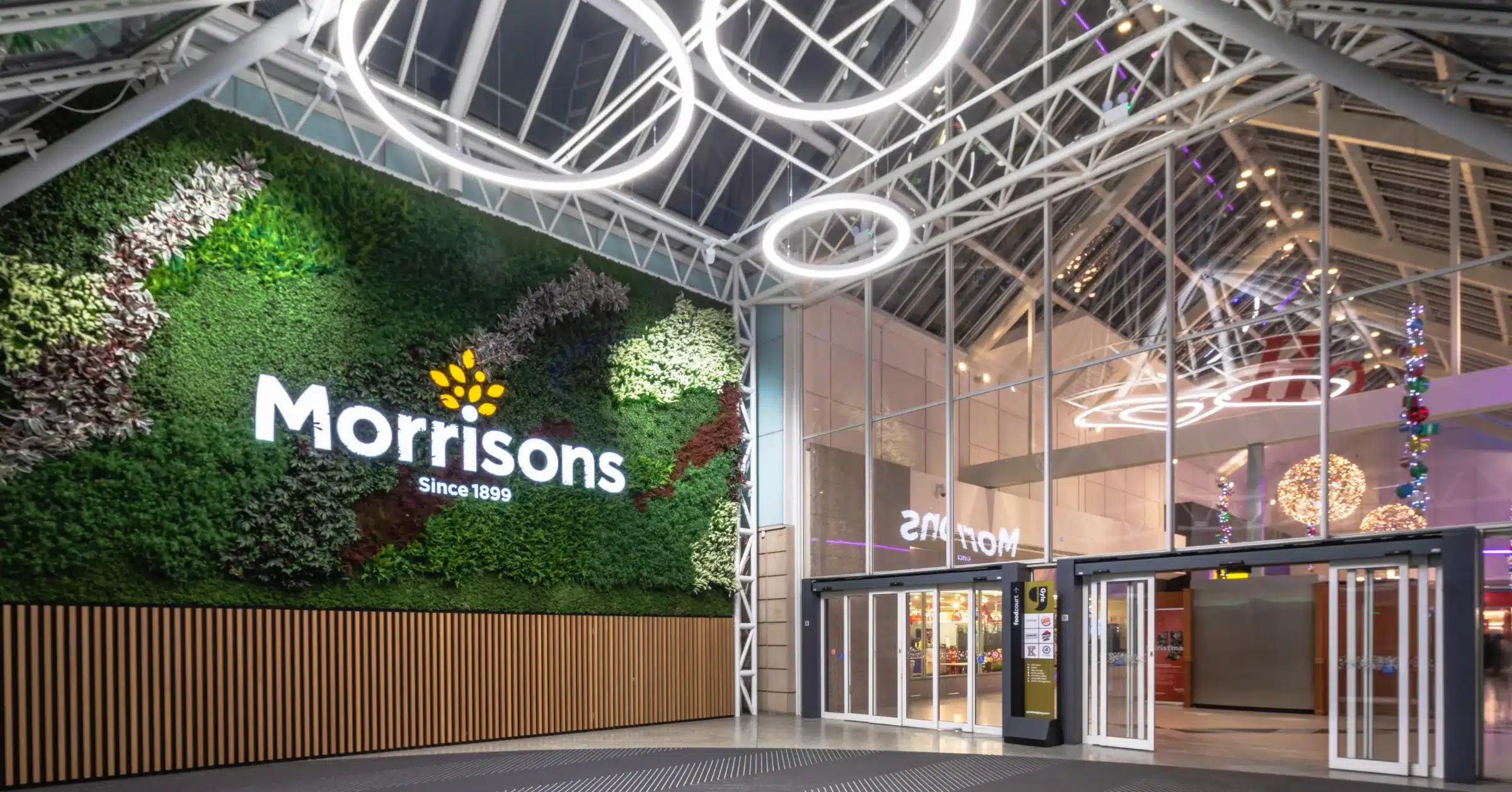
In retail environments, planting is about dwell time, atmosphere and seasonal storytelling. Shoppers who feel relaxed tend to linger, and planting helps to create inviting meeting points and resting spots.
- Use planting to define seating areas, entrances and malls.
- Mix permanent planting with seasonal displays to keep the space fresh and give shoppers a reason to return.
- Consider our retail planting solutions, which are designed to withstand constant footfall while still looking inviting.
Hotels
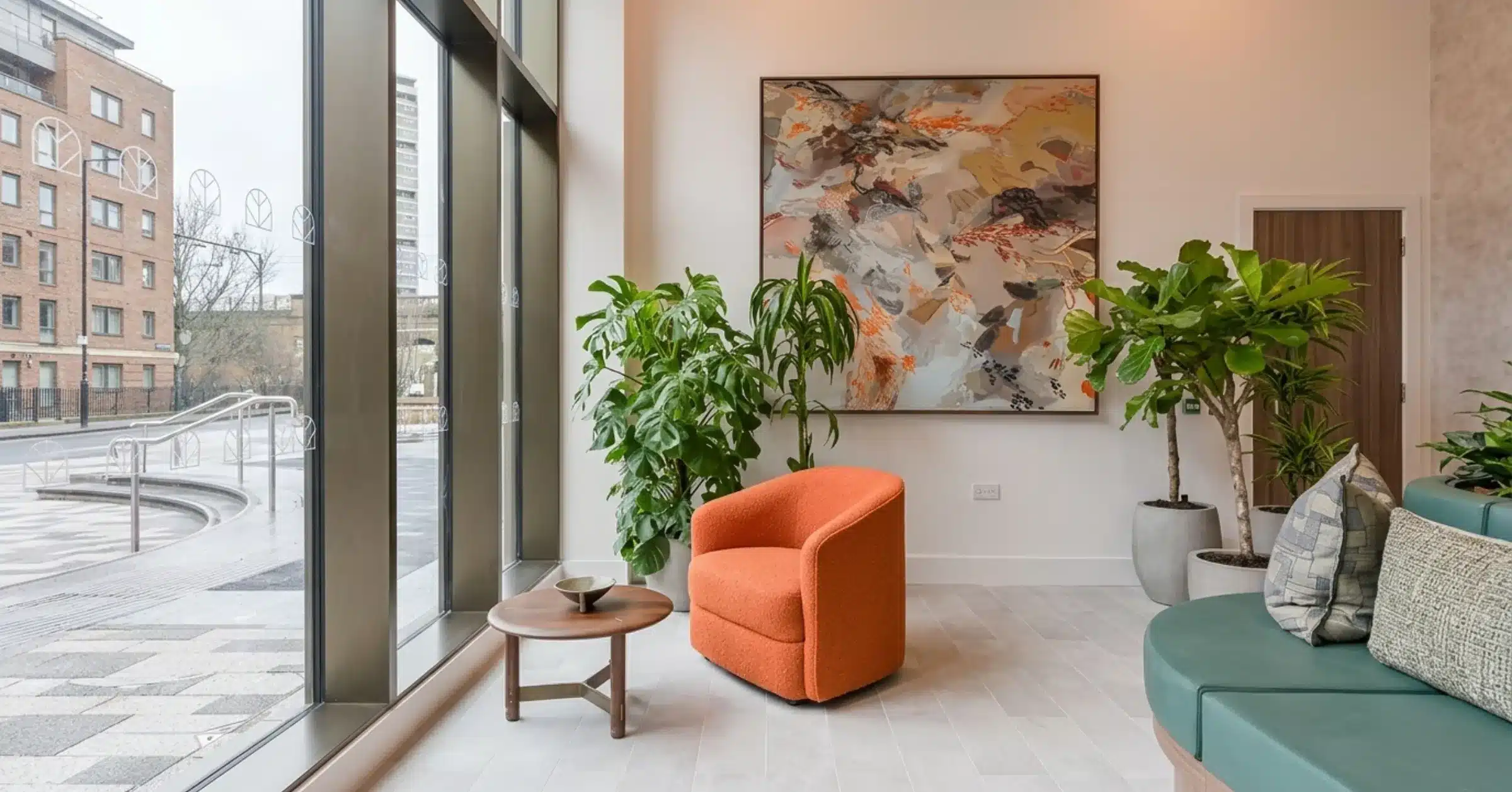
First impressions are everything in hospitality, and lobbies are often the first (and last) thing a guest remembers.
- Invest in statement plants for reception and lobby areas, such as mature specimen plants and elegant palms.
- Use softer, trailing or textural planting in corridors, lounges and spa spaces to create a sense of calm.
- Keep schemes consistent with your brand, from the planters and finishes to the plant palette.
Find out more about how we support hospitality venues across the UK.
Restaurants, bars and cafés
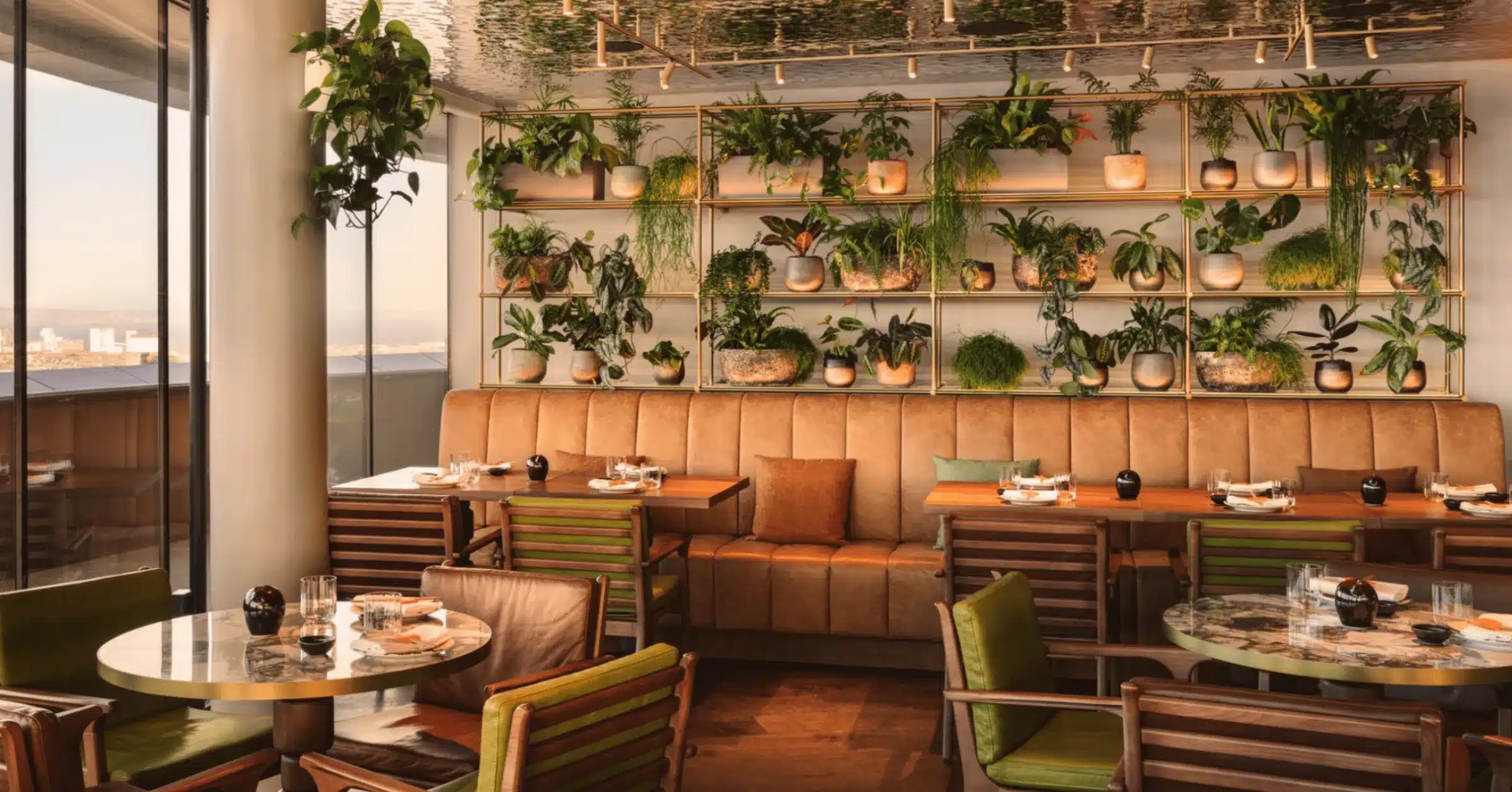
Hospitality interiors are lively, warm and often humid, with heat, steam and low light in the mix. Planting here needs to be practical as well as beautiful.
- Choose plants that tolerate temperature changes and lower light levels.
- Keep planting clear of heat sources, kitchen pass areas and the busiest service routes.
- Use hanging and shelf planting to add greenery without sacrificing covers.
- Don’t forget the outdoors. Terraces, courtyards and hanging baskets extend your atmosphere and your seating season.
Offices and workplaces
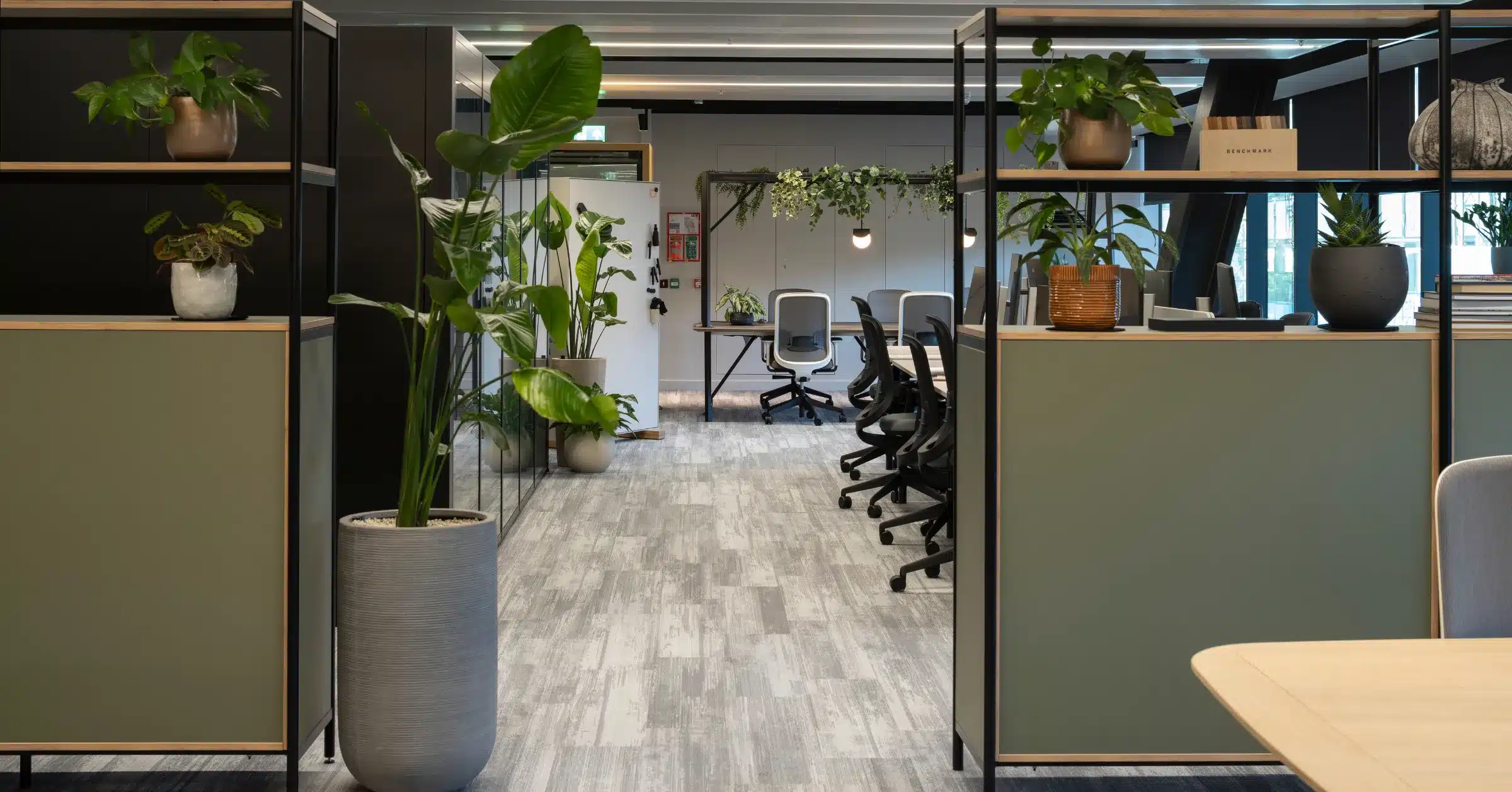
Offices are a different kind of high-traffic space. Footfall might be lower, but the day-in, day-out presence of people, along with air conditioning and artificial lighting, creates its own challenges.
- Use planting to create zones, break up large open-plan areas and soften meeting spaces.
- Choose species suited to artificial light and consistent indoor temperatures.
- Combine plants with living walls or moss features to add a design focal point in reception and breakout areas.
Explore our approach to corporate planting for workplaces that want a healthier, more inspiring environment.
Beyond potted plants: green walls and moss
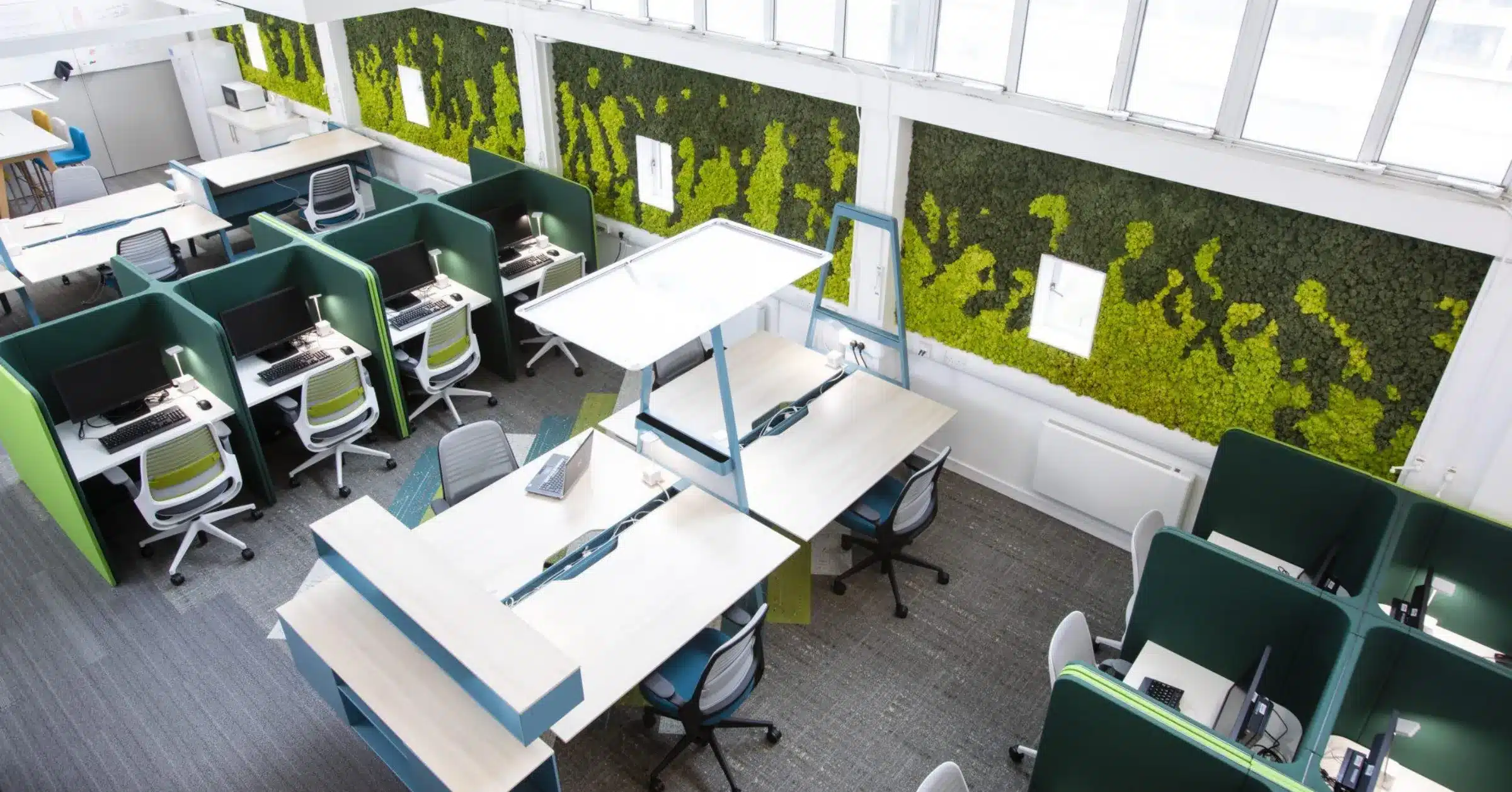
When floor space is limited or the environment is especially tough, vertical solutions come into their own.
- Green walls and ceilings make the most of unused vertical space, creating dramatic focal points without obstructing walkways.
- Nordik Moss offers a maintenance-free alternative, with endless design possibilities. It’s particularly useful in locations where watering and access are difficult, or where you want to guarantee a consistent look year-round.
Often, the best high-traffic schemes use a blend: living plants for energy and freshness, and moss or other low-maintenance features to anchor the design.
Five common mistakes to avoid
- Choosing plants for looks alone. If a species can’t cope with the light and conditions, it will struggle, however beautiful it is on day one.
- Ignoring maintenance in the budget. Planting without a care plan is a short-term investment with a short-term result.
- Putting planters in the wrong places. If a planter is constantly knocked, it will constantly need replacing.
- Forgetting about access. Plan how plants will be watered, cleaned and replaced before they’re installed.
- Treating biophilic design as decoration. The most effective schemes are integrated into the layout, lighting and brand experience from the start.
Frequently asked questions
What are the best plants for high-traffic commercial spaces? Tough, adaptable species such as ZZ plants, snake plants, aspidistra, dracaenas and palms tend to perform best. The right choice always depends on your light levels, temperature and footfall.
Is biophilic design suitable for busy public spaces? Absolutely, provided it’s designed with durability and maintenance in mind. Robust plants, well-chosen planters and professional care all make a difference.
How often do commercial plants need maintenance? It varies by plant type, space and season, but regular scheduled visits from trained technicians are the most reliable way to keep a scheme looking its best.
Are there low-maintenance alternatives to live plants? Yes. Features such as Nordik Moss offer natural texture and colour with no maintenance requirement, and can be combined with live planting.
Ready to bring nature into your busy space?
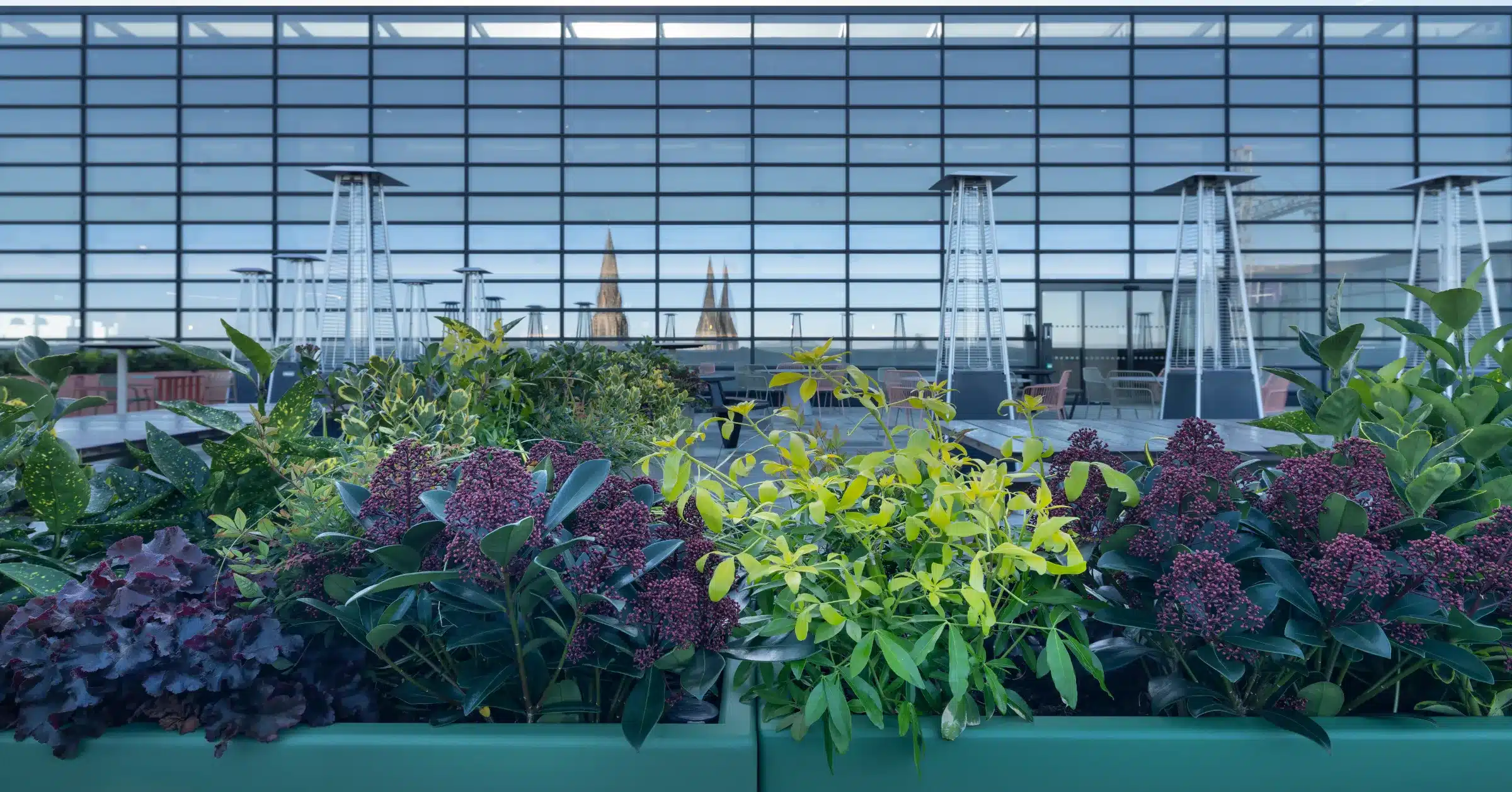
High-traffic spaces don’t have to be a compromise. With the right design, the right plants and the right care, biophilic planting can transform the way people feel in your airport, centre, hotel, restaurant or office, and keep looking good while it does.
Benholm has been delivering plant and floral products and services for commercial clients across the UK for over 30 years. From our own greenhouses in Scotland to our nationwide design, installation and maintenance teams, we’re here to help your space thrive.
Subscribe to the Benholm newsletter for design inspiration, plant care tips, industry news and exclusive updates from our team.
If you’re planning a project, you can also get a quick quote or call us on 0808 175 4430. You can email us at sales@benholm.com, too.
Learn more about our biophilic design services.