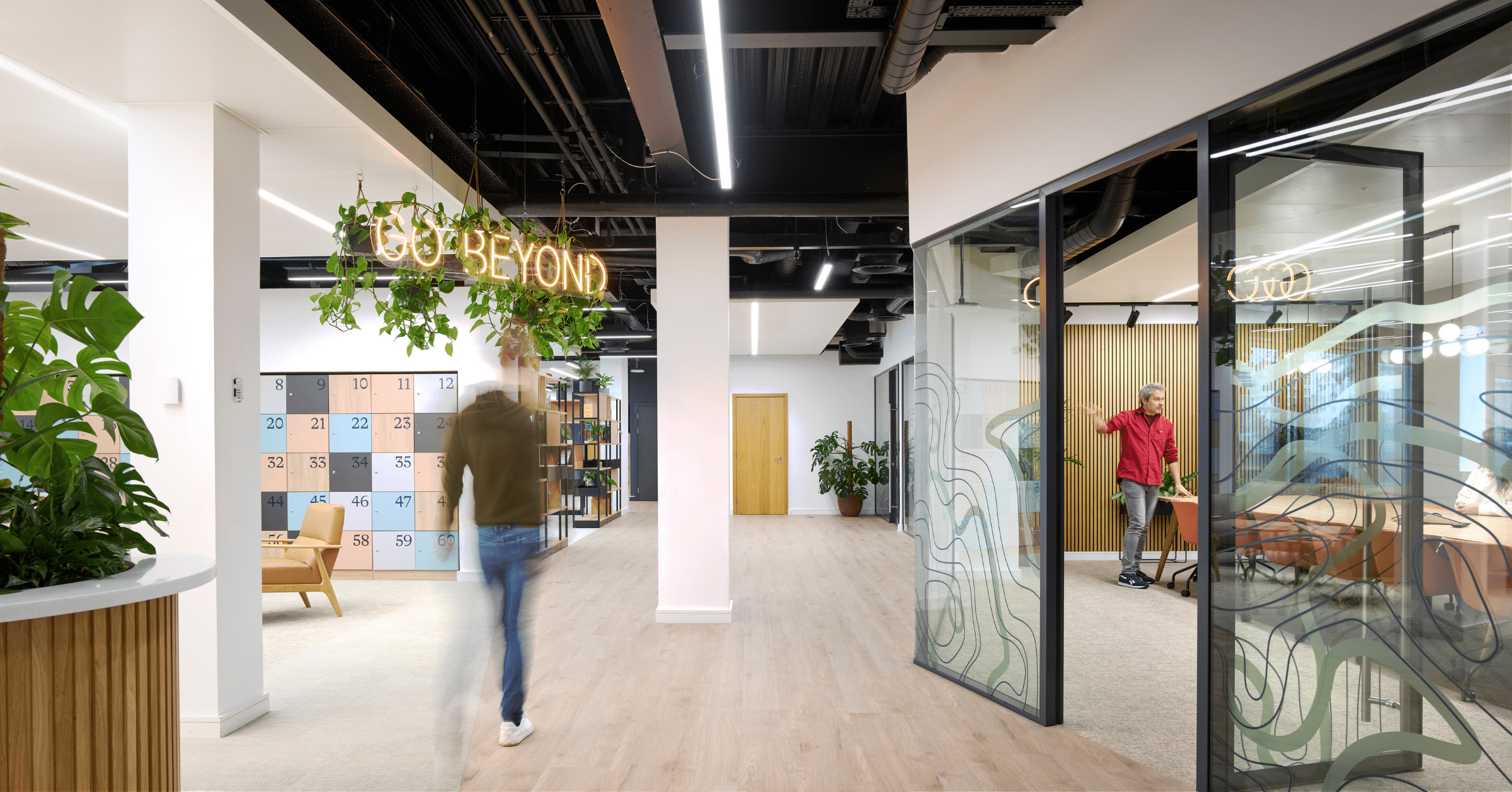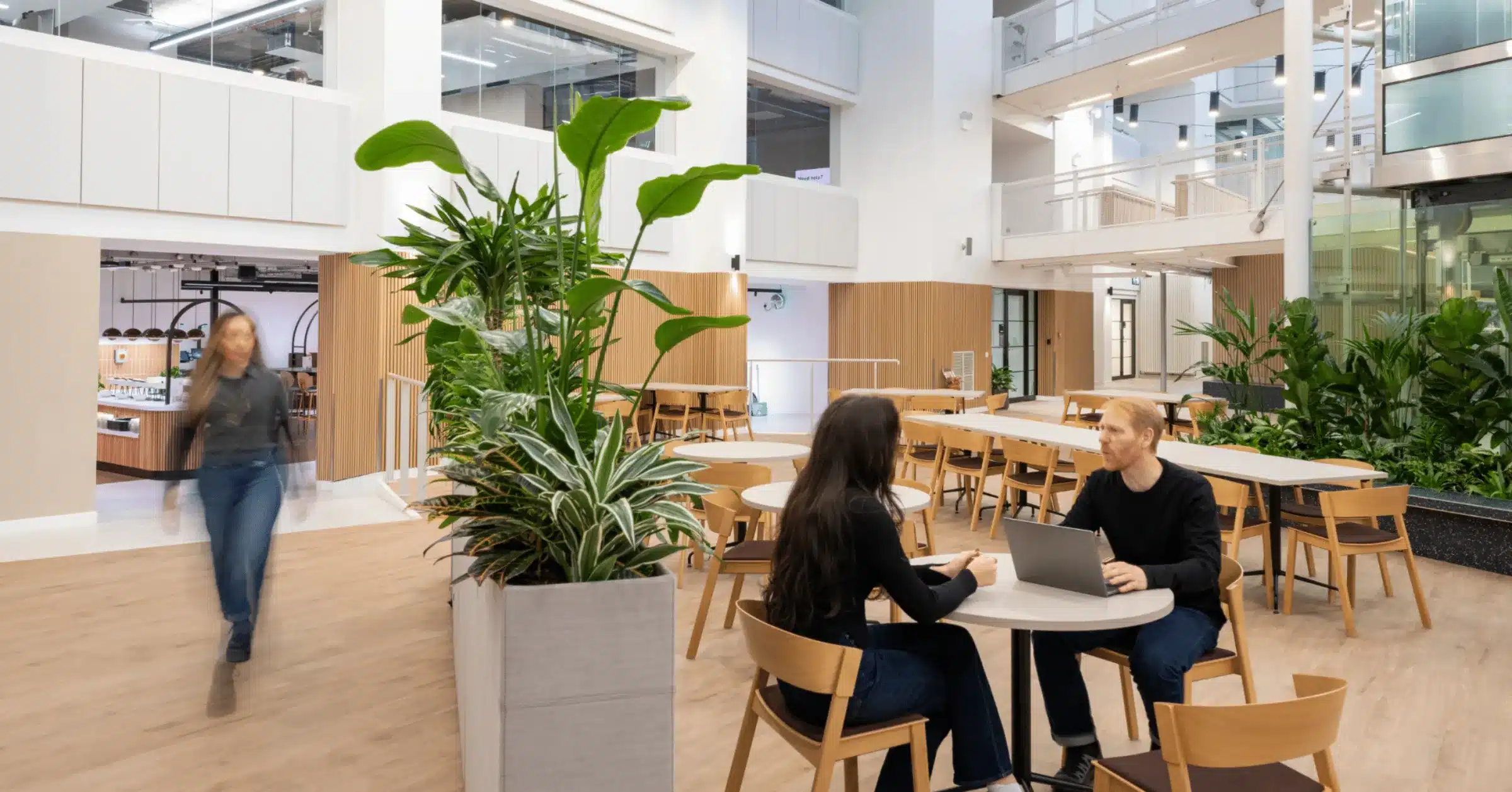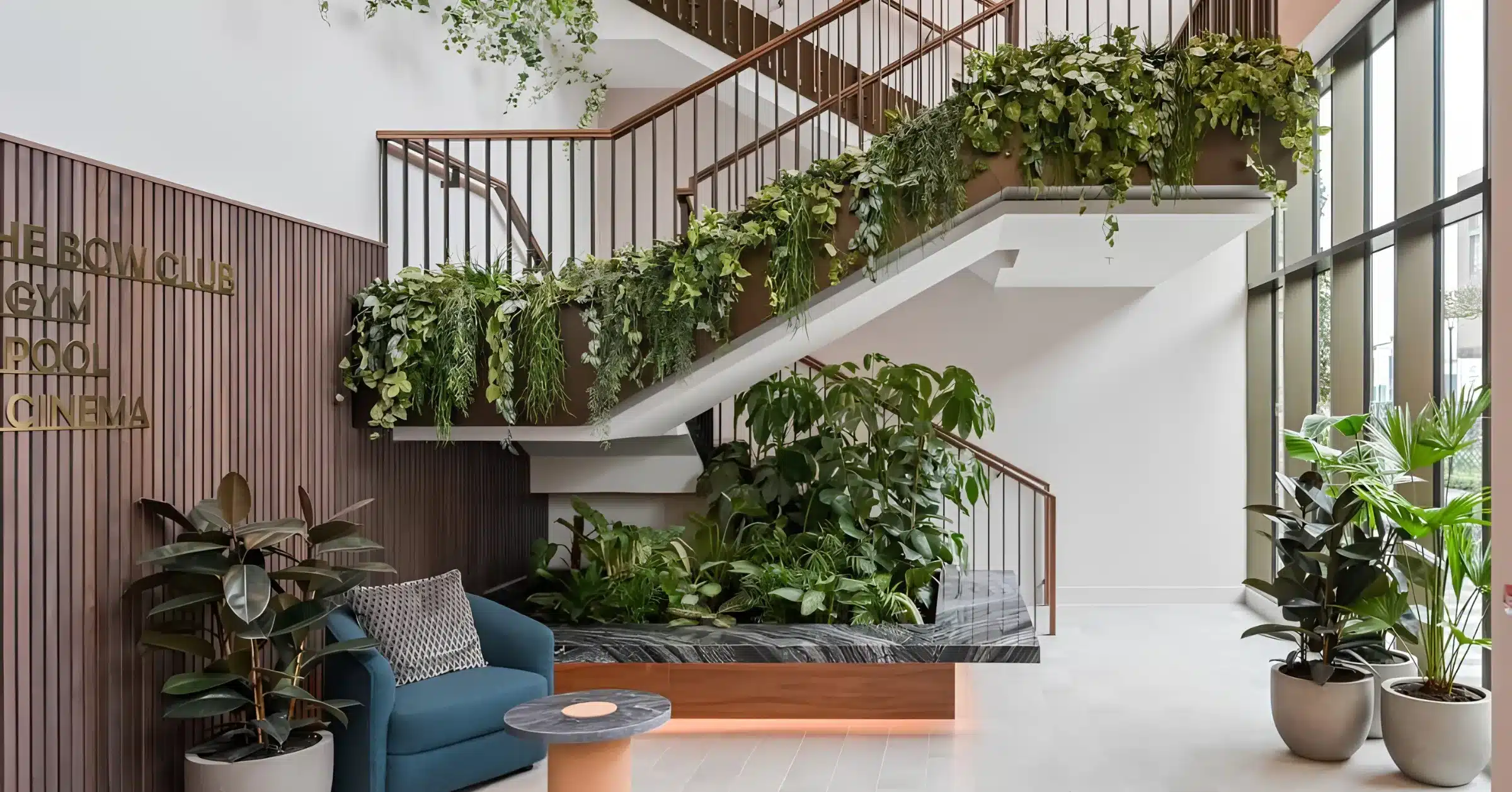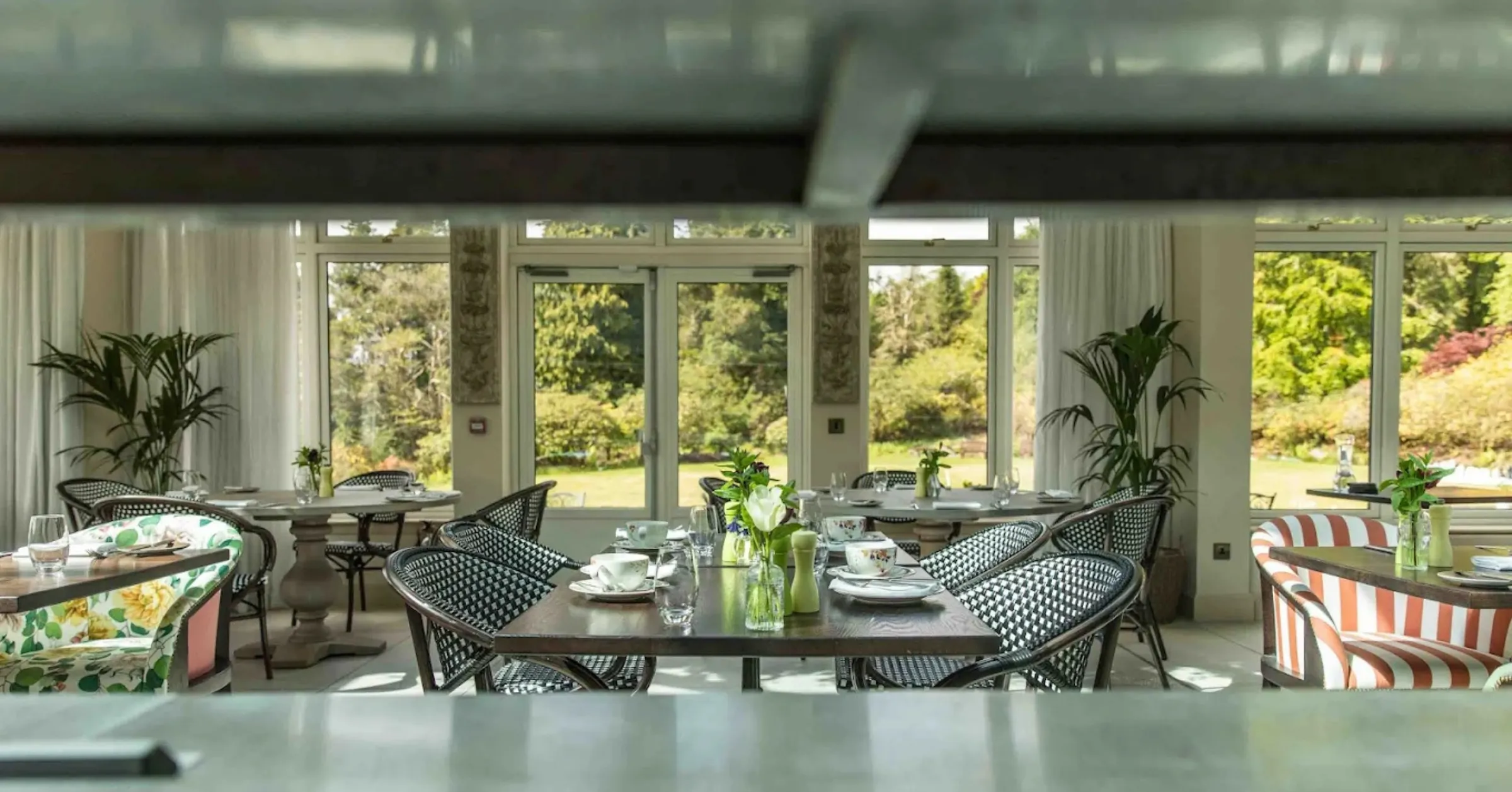
Your office greenery looked stunning on installation day. The living wall was lush, the planters were perfectly positioned, and everything felt alive. But six months later, leaves are yellowing, soil is drying out, and the person who volunteered to water the plants has moved to a different department.
That gap between the initial excitement of biophilic interior design and its ongoing upkeep is exactly where most workplace wellbeing programmes stall. Biophilic design maintenance is the structured, ongoing care that keeps living elements healthy and productive long after installation day fades from memory.
This article explains what biophilic design maintenance involves, why it directly affects employee wellbeing, and how facilities managers can build a care programme that lasts. If you’re responsible for the plants and natural features in your corporate office, you’ll find practical guidance you can act on straight away.
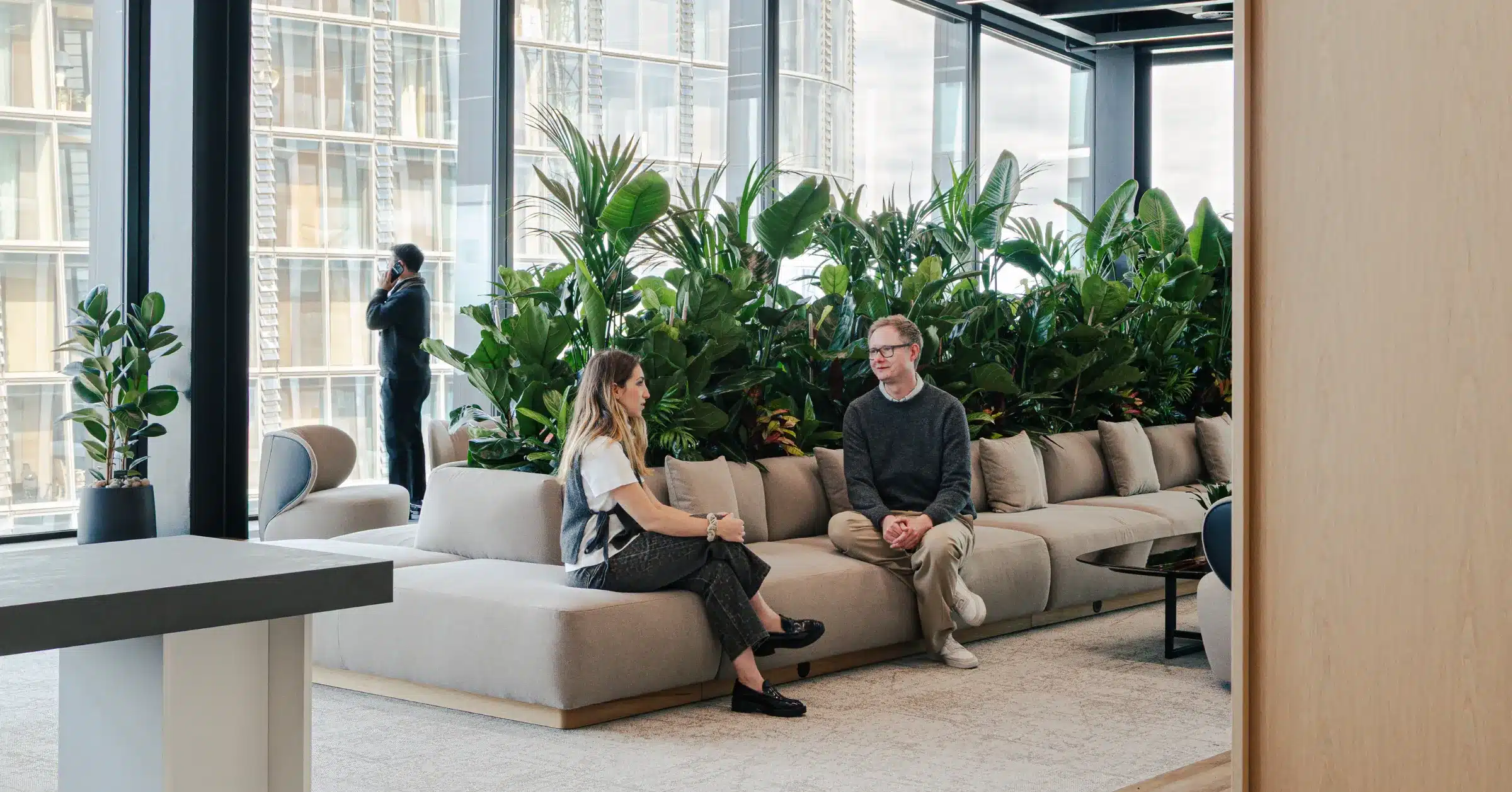
Biophilic design maintenance is the ongoing care programme that keeps the natural elements in your workspace healthy, attractive, and functional. It goes well beyond occasional watering. A proper maintenance schedule includes soil moisture assessment, pruning, foliage cleaning, feeding, pest and disease monitoring, and plant replacement when needed.
Think of it as the operational backbone of your biophilic design investment. The plants, green walls, and moss features you’ve installed only deliver their wellbeing benefits when they’re kept in peak condition. Neglected greenery sends the wrong message to staff and visitors, undermining the very impression you set out to create.
For facilities managers in corporate offices, maintenance is what separates a thriving workplace environment from a collection of wilting specimens. It’s the difference between a biophilic design that works and one that quietly fails.
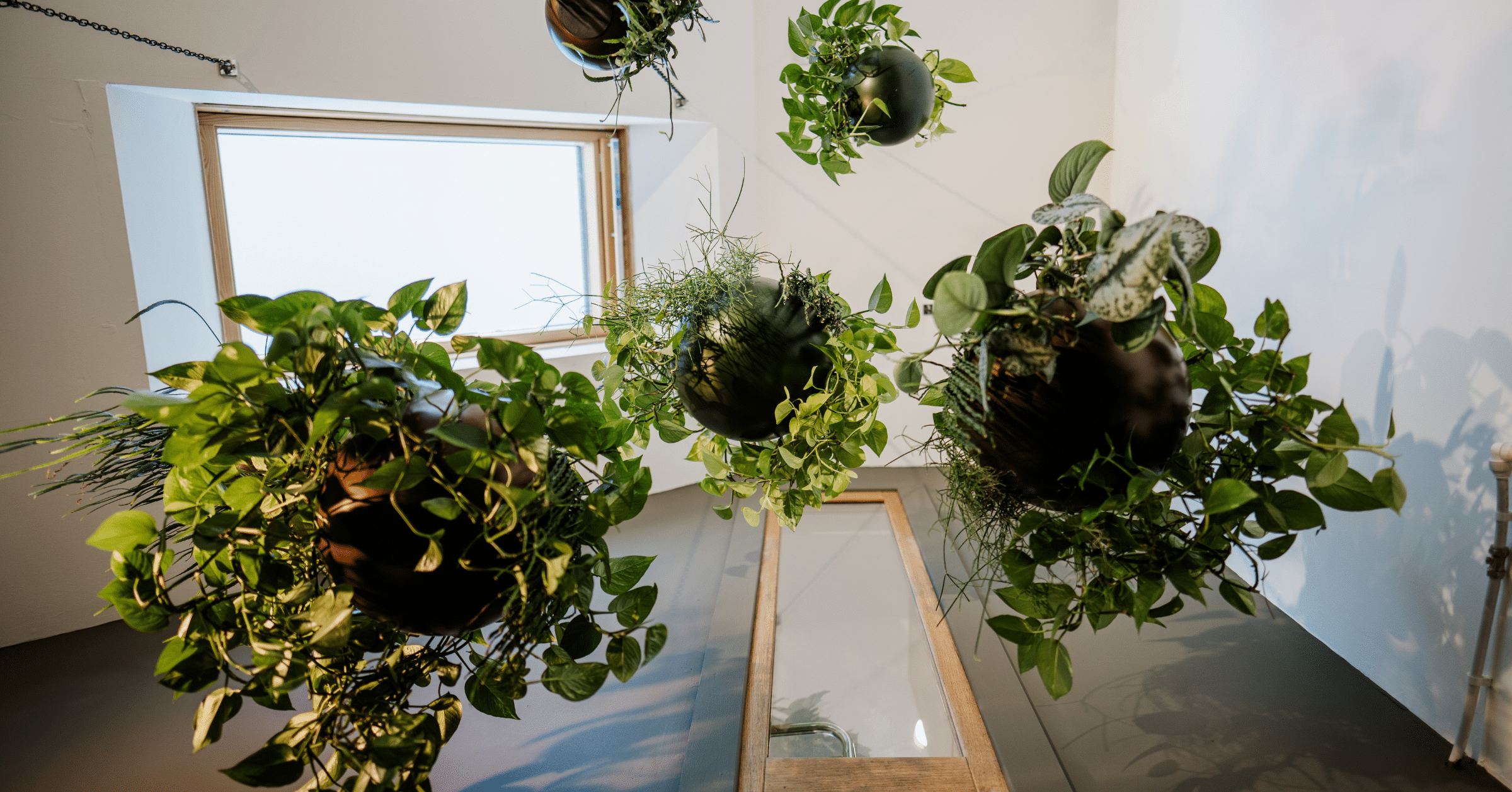
Healthy, well-maintained plants actively contribute to a better working environment. According to the British Safety Council, incorporating greenery and natural elements into the workplace reduces anxiety, increases feelings of happiness, and supports higher productivity levels.
Declining plants create the opposite effect. Yellowing leaves and bare soil signal neglect, which can lower morale and give visitors a poor first impression. Your greenery is a visible commitment to your team’s comfort. Keeping it healthy reinforces that commitment every day.
The consequences of neglected plant care extend beyond aesthetics. When biophilic design elements deteriorate, the productivity and wellbeing benefits deteriorate with them. Indoor air quality can drop as stressed plants lose their ability to filter pollutants and regulate humidity effectively.
Pest infestations spread quickly in unmonitored plantscapes. A single untreated outbreak can affect multiple displays across your building. By the time the damage is visible to a non-specialist, the problem is already well established and costly to resolve.
There’s also the financial impact. Replacing failed plants is significantly more expensive than maintaining healthy ones. A structured maintenance programme protects your initial investment and avoids the cycle of installation, decline, and expensive replacement that many businesses fall into.
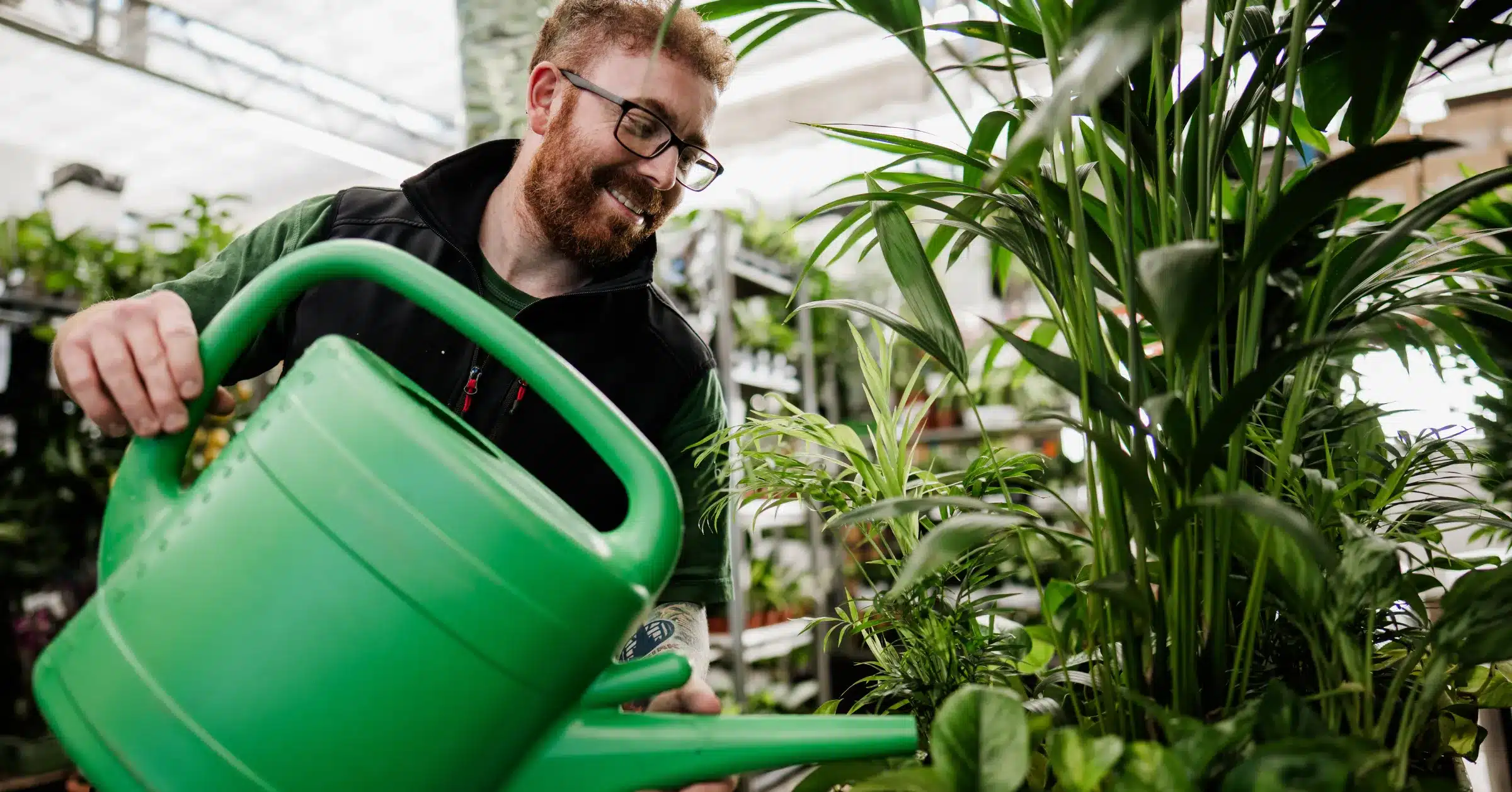
A professional maintenance visit covers far more than topping up the watering can. Each visit typically includes a full inspection of every plant on site, soil moisture testing, controlled watering tailored to each species, pruning of dead or overgrown growth, and foliage cleaning to remove dust and debris.
Technicians also carry out pest and disease monitoring, check container drainage and liners, and rotate or reposition plants to ensure even growth. Benholm Group’s maintenance technicians visit your premises on a regular schedule, typically every four weeks, and replace any dead, ailing, or overgrown plants at no extra cost.
That last point is important. Replacement without additional charges means your displays stay consistent and attractive without surprise expenses. It also means your office planting always reflects the standard your team and visitors expect.
Start by mapping every plant and natural feature in your building. Note the species, location, light exposure, and proximity to HVAC vents. Each of these factors affects how often a plant needs attention and what kind of care it requires.
Next, establish a realistic service frequency. Most live office plants benefit from professional visits every four weeks. High-traffic reception areas or spaces with complex installations such as living walls may need more frequent attention.
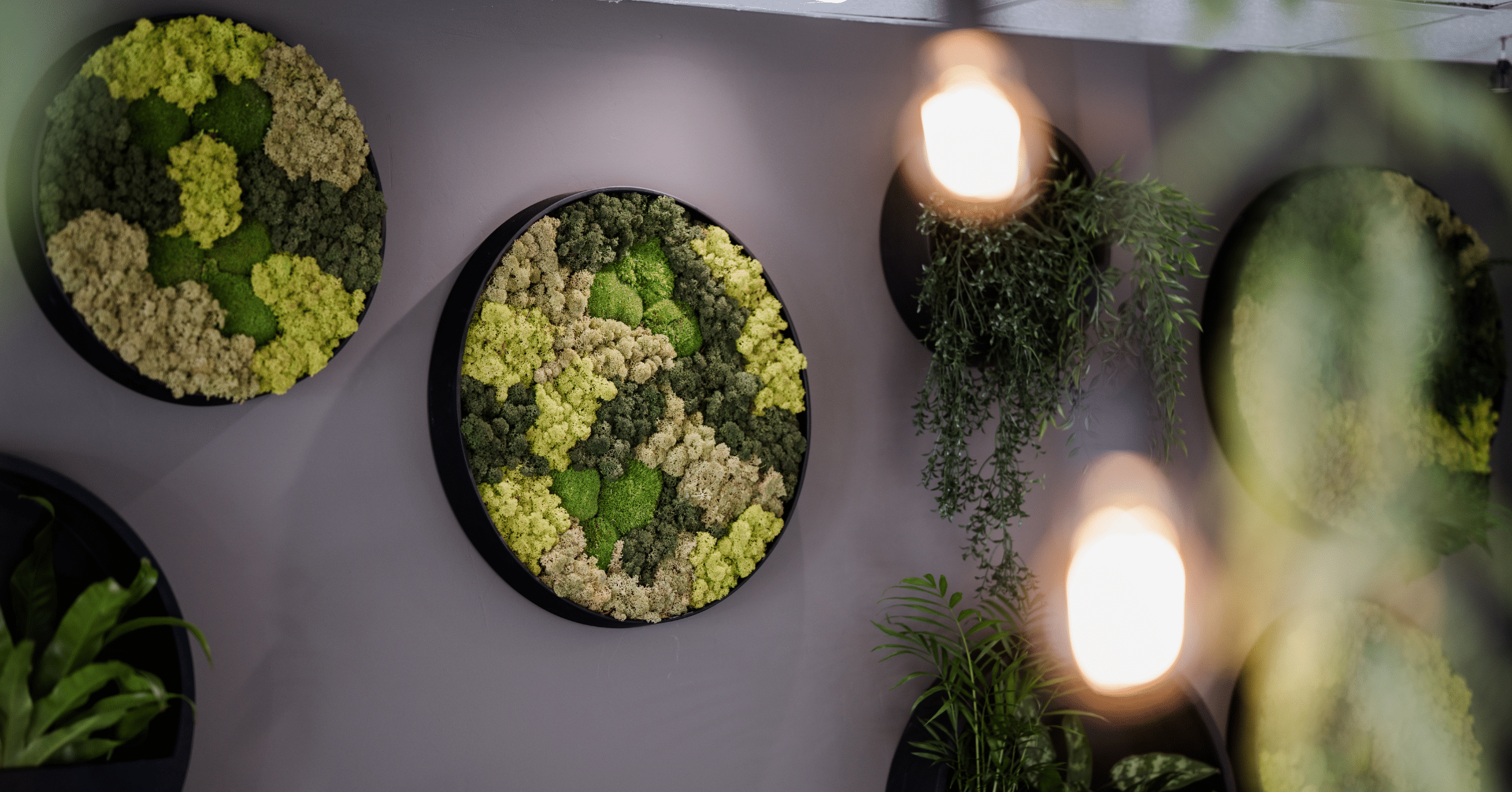
Not every biophilic feature needs the same level of care. Preserved moss panels, for example, are a virtually maintenance-free option that still delivers visual impact and acoustic benefits. Nordik Moss by Benholm doesn’t require watering, trimming, or sunlight, making it ideal for spaces where access for regular plant care is limited.
Artificial planting is another practical choice for areas with low natural light or heavy foot traffic. High-quality replicas provide the visual warmth of greenery without the ongoing care demands of live specimens.
A thoughtful maintenance plan often blends live plants in areas where they’ll thrive with preserved or artificial options in more challenging spots. This mixed approach ensures biophilic benefits throughout your building without overloading your care programme.
HVAC systems are one of the biggest challenges for office plants. Air conditioning strips moisture from the environment, creating dry conditions that stress many tropical species commonly used in interior landscaping. Heating cycles can cause temperature swings that shock root systems, particularly over weekends when settings change.
Positioning matters. Plants placed directly in the path of air vents will dry out faster and may develop brown leaf tips or premature leaf drop. A professional maintenance provider assesses these micro-climates during each visit and adjusts watering schedules or repositions where necessary.
Understanding the relationship between your building’s climate control and your plant displays is essential for long-term success. It’s one of the key reasons facilities managers benefit from working with specialists who know how commercial environments affect living greenery.
Healthy plants contribute directly to better indoor air quality by converting CO2 into oxygen and absorbing volatile organic compounds. Maintaining those plants properly ensures these environmental benefits continue year after year rather than declining as specimens fail.
Using eco-friendly planting mediums, recycled materials in planters, and sustainable care practices can further align your biophilic programme with corporate environmental targets.
For businesses working toward ESG benchmarks, a well-documented maintenance programme also provides tangible evidence of investment in employee wellbeing and environmental responsibility.
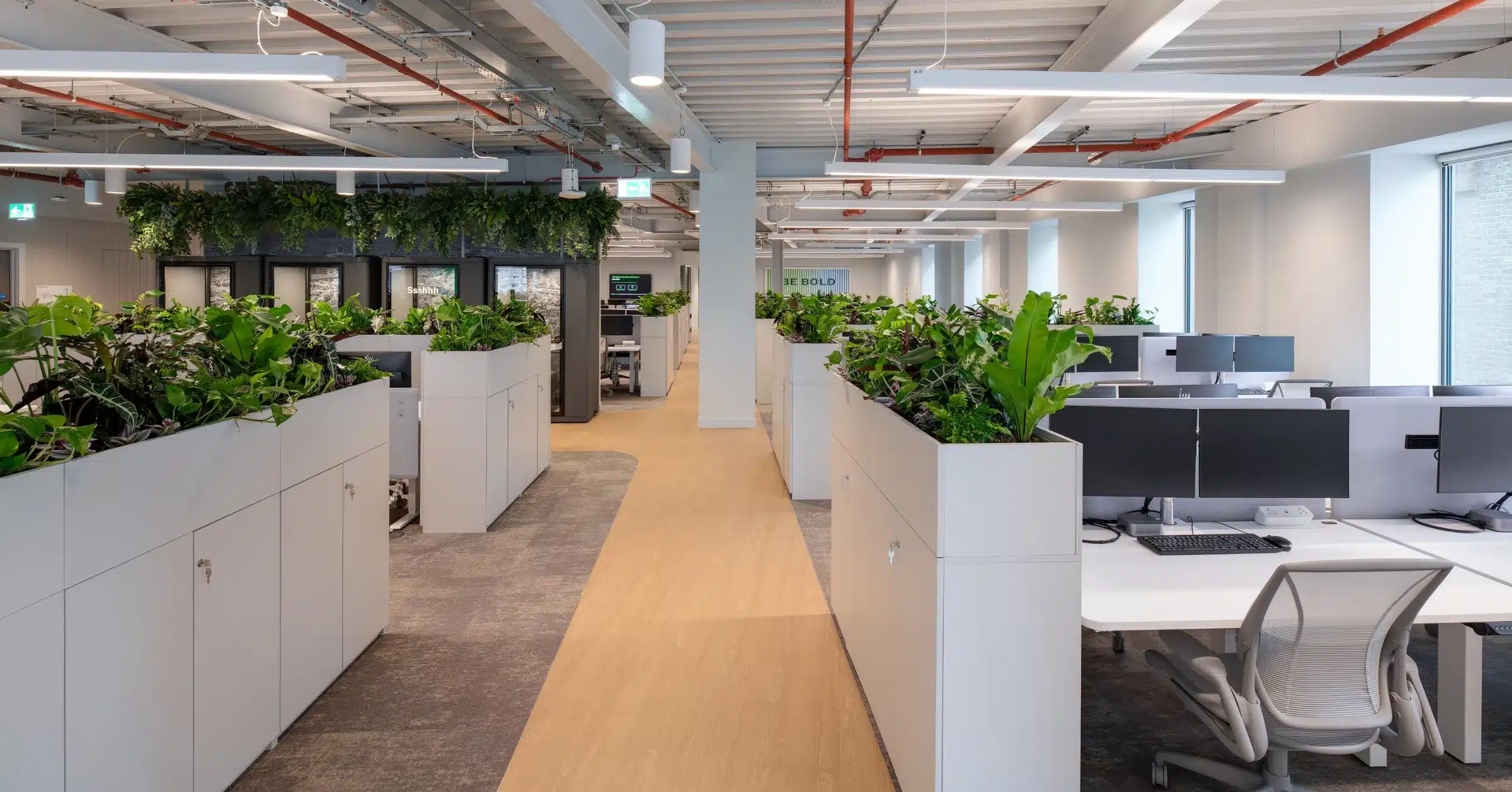
Biophilic interior design delivers real, measurable benefits for your workforce, but only when the living elements are properly cared for. Professional maintenance transforms a one-time installation into a lasting contribution to staff wellbeing, air quality, and the impression your premises make on every visitor.
If you’re a facilities manager looking to protect your biophilic investment and keep your office greenery thriving, Benholm Group would love to help. Our team designs, installs, and maintains plant displays for businesses across the UK. Get in touch for a no-obligation consultation on 0808 175 4430 or email sales@benholm.com.
What is biophilic design maintenance in the workplace?
Biophilic design maintenance is the scheduled professional care of plants, green walls, and natural features within your commercial space. It includes watering, pruning, feeding, pest monitoring, and replacing failing plants to sustain the wellbeing benefits of your biophilic design.
How often should office plants be professionally maintained?
Most commercial office plants benefit from professional maintenance visits every four weeks. Benholm Group uses watering reservoir techniques that support this cycle, though higher-traffic areas or complex installations may require more frequent attention from trained technicians.
What are low-maintenance biophilic design options for offices?
Preserved moss panels and high-quality artificial plants offer biophilic visual benefits with minimal ongoing care. Benholm Group’s Nordik Moss range provides a virtually maintenance-free green wall solution that also absorbs sound, making it particularly effective in open-plan offices.
Why should facilities managers use professional plant maintenance?
In-house plant care frequently breaks down due to staff turnover and competing priorities. Benholm Group’s professional technicians carry specialist horticultural knowledge, deliver consistent scheduled visits, and replace ailing plants at no additional cost, protecting your investment long-term.