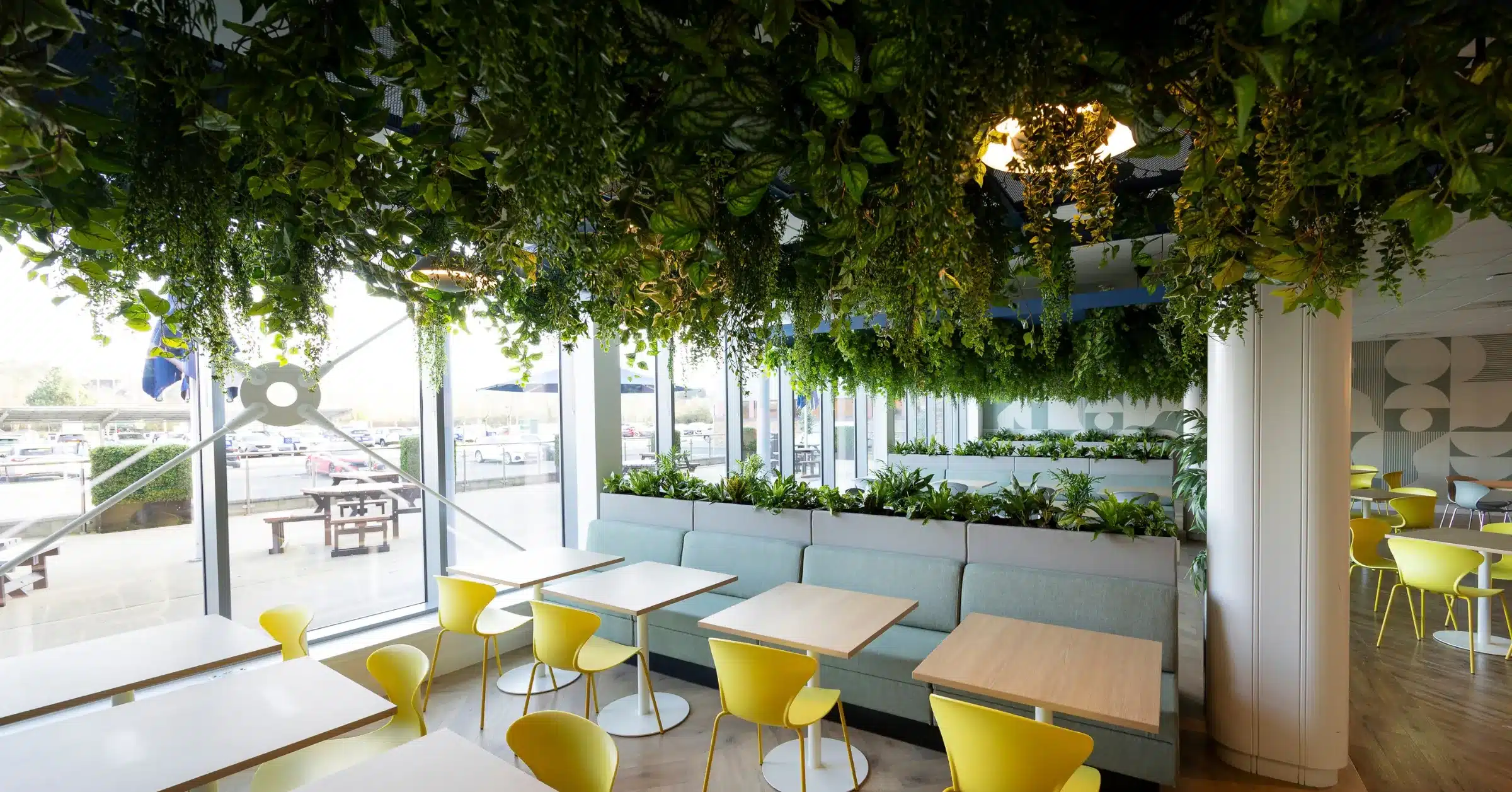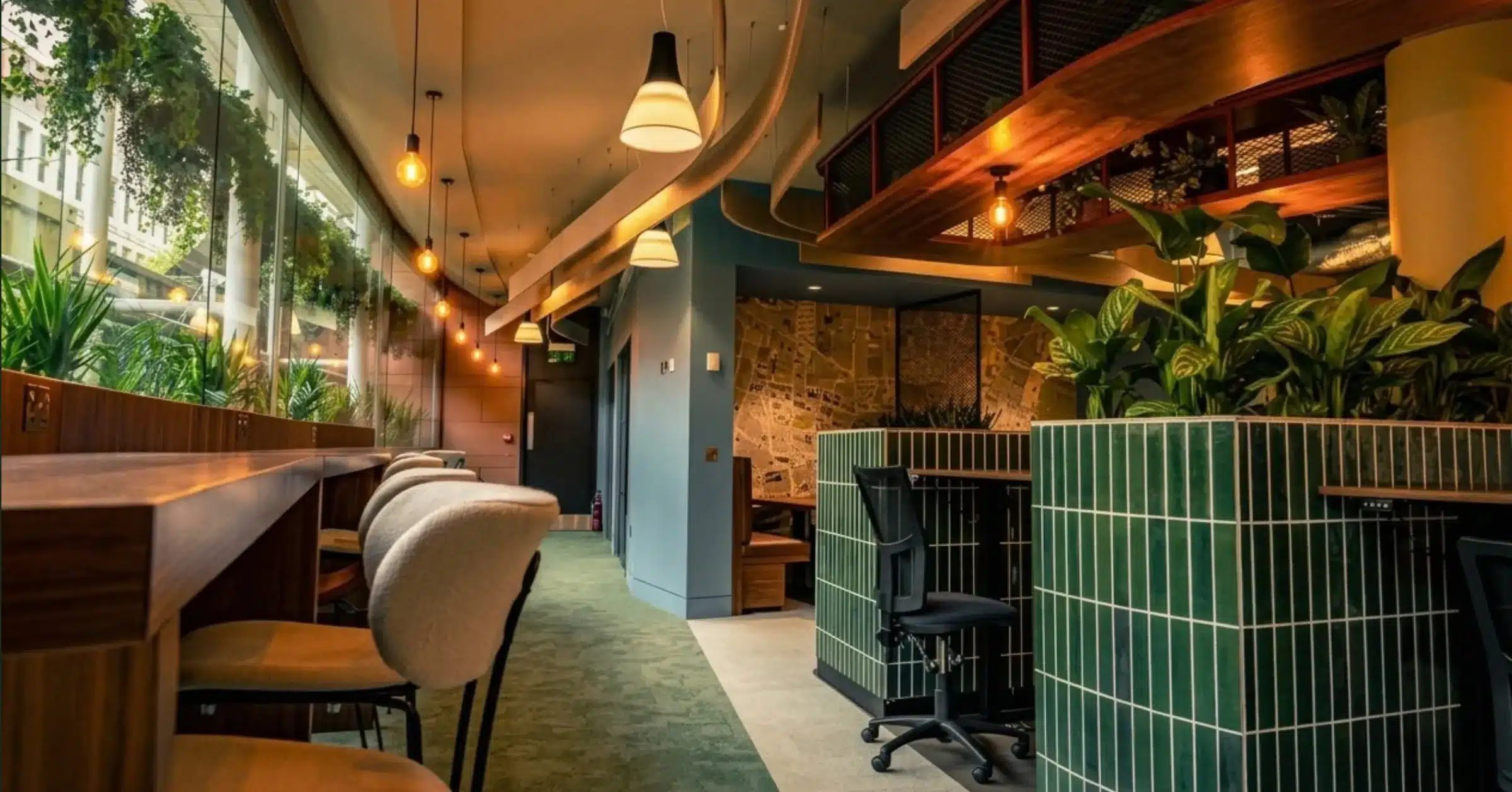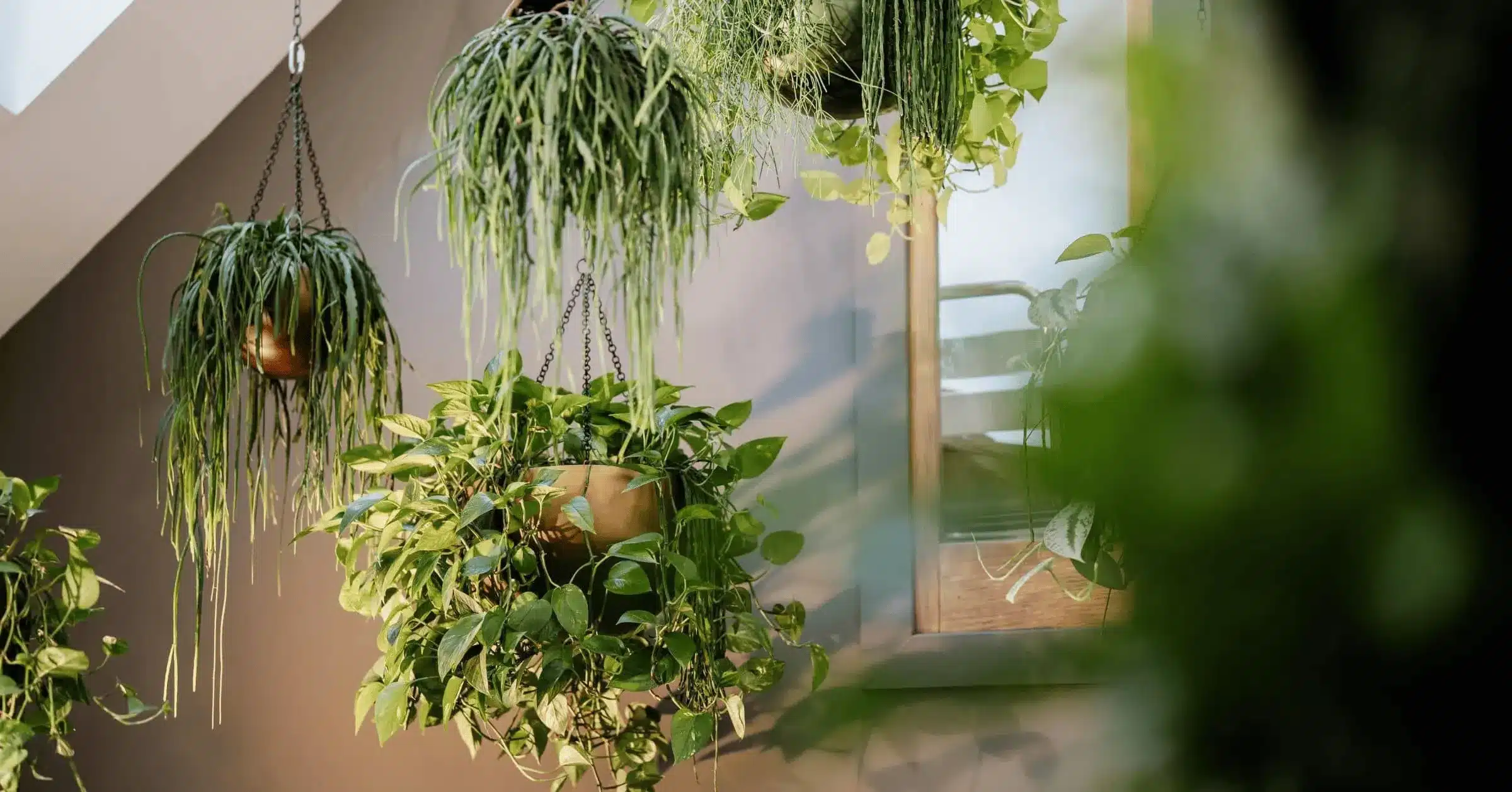
Bringing nature indoors is no longer just a design trend. Biophilic design builds natural elements into the built environment, such as plants, daylight, natural materials and organic shapes. More and more businesses are treating it as a decision with measurable returns.
If you manage an office, design workplaces, own commercial property or run a hotel, bar or restaurant, here is what the evidence says and what it could mean for your bottom line.
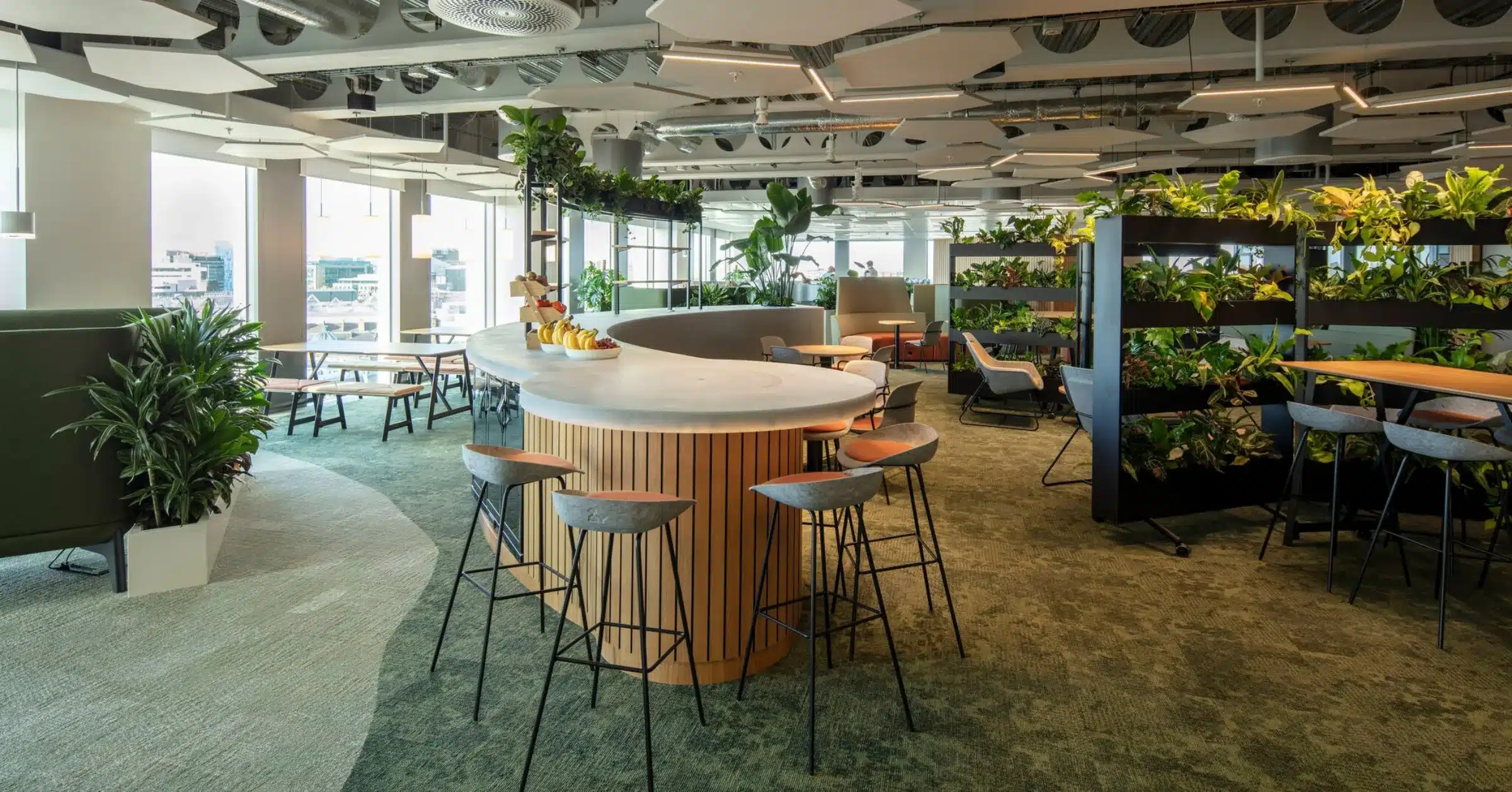
Biophilic design is based on a simple idea: people feel and perform better when they are connected to nature. In practice that can mean planting schemes and living walls, floral displays, more daylight, natural textures and views of greenery.
It is more than a few pot plants in a corner. Done well, the planting is designed around the space, how it is used and who uses it.
For office managers and workplace designers, productivity is usually the first question, and the research is encouraging:
Staff are typically your biggest cost, so even small gains add up. A 6% improvement across a team of 100 is the equivalent of six extra people, without the salary bill.
Biophilic design supports the things that drive retention and reduce absence:
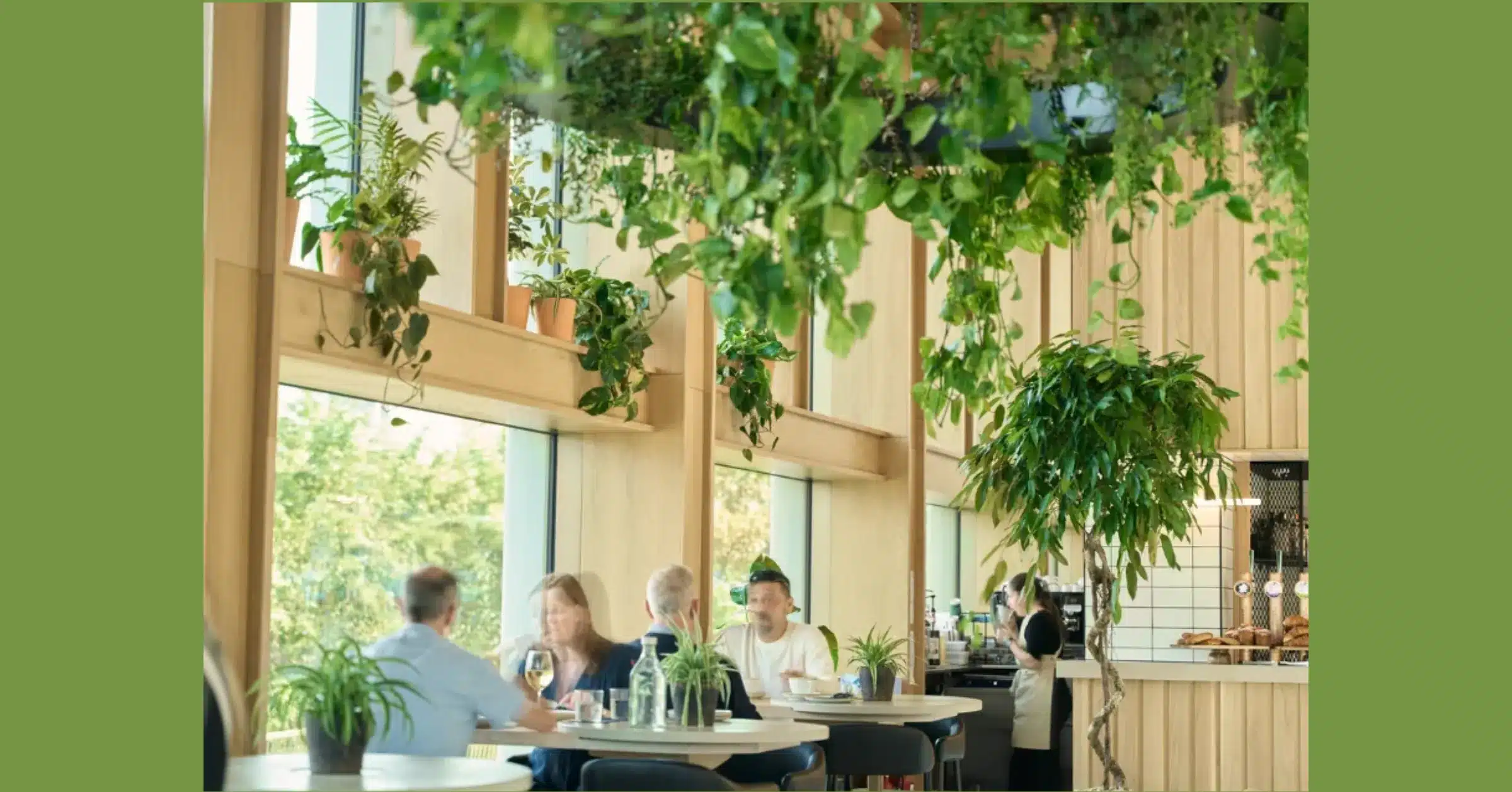
First impressions are everything in hospitality, and planting shapes them. University of Washington research by Kathleen Wolf found that consumers were willing to pay 9–12% more for products in landscaped retail environments and rated the businesses more highly.
For hotels, bars, restaurants and commercial lobbies, that translates into:
For commercial landlords, a well-planted reception or shared space makes a building more appealing to prospective tenants and supports sustainability and ESG goals.
Biophilic design pays back in several ways at once:
The most common objection is that it sounds great but will be a hassle to look after. Let’s deal with that.
Myth 1: “It’ll be high-maintenance.“
Not when it is specified properly. Plants chosen for your light, layout and footfall need very little fuss. Most problems come from choosing the wrong plants for the space.
Myth 2: “The plants will die.”
A scheme designed around your conditions and backed by a regular maintenance service stays as healthy as the day it was installed. That is exactly why professional care is worth having.
Myth 3: “It’s too expensive.”
Weigh the cost against the returns above, and remember schemes scale. You can start with one reception area or a single floor and expand once you’ve seen the effect.
Myth 4: “It’s only for big offices and luxury hotels.”
Biophilic principles work at any scale, from a neighbourhood café to a multi-floor head office.
The best results come when planting is part of the plan rather than a finishing touch. Start with how the space is used and the outcome you want, whether that is a happier team, more bookings or stronger tenant interest. Design comes first, then installation, then ongoing care to keep it all thriving.
For over 30 years, Benholm Group has designed, installed and maintained plant and floral schemes for offices and hospitality venues across Scotland and the UK.
Book your free consultation and we’ll show you what biophilic design could do for your space.
📞 0808 175 4430 | ✉️ sales@benholm.com | Request a quote →