BLOG

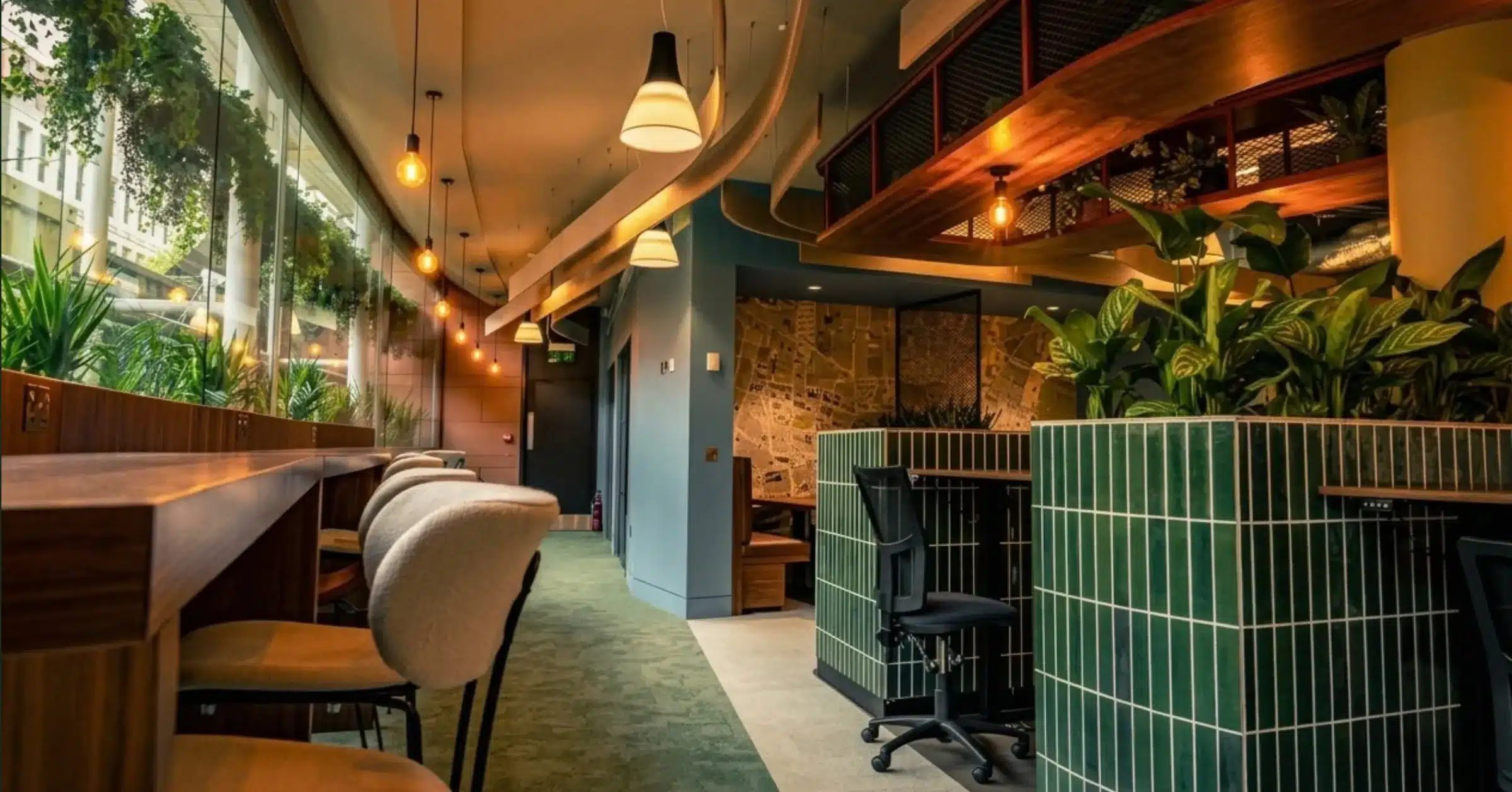
Guests come to a spa to switch off. Before the treatment starts, the space has already begun its work through light, sound, scent and materials. Planting is one of the quickest ways to signal calm, which is why biophilic design is now a core part of how wellness spaces are planned.

Spas are also some of the hardest environments for plants. Steam, chlorinated air, heat swings and low light are not what most foliage is happy with. Getting spa planting right means being realistic about what will thrive, and knowing when the best answer is not a living plant at all.
Why spas suit biophilic design

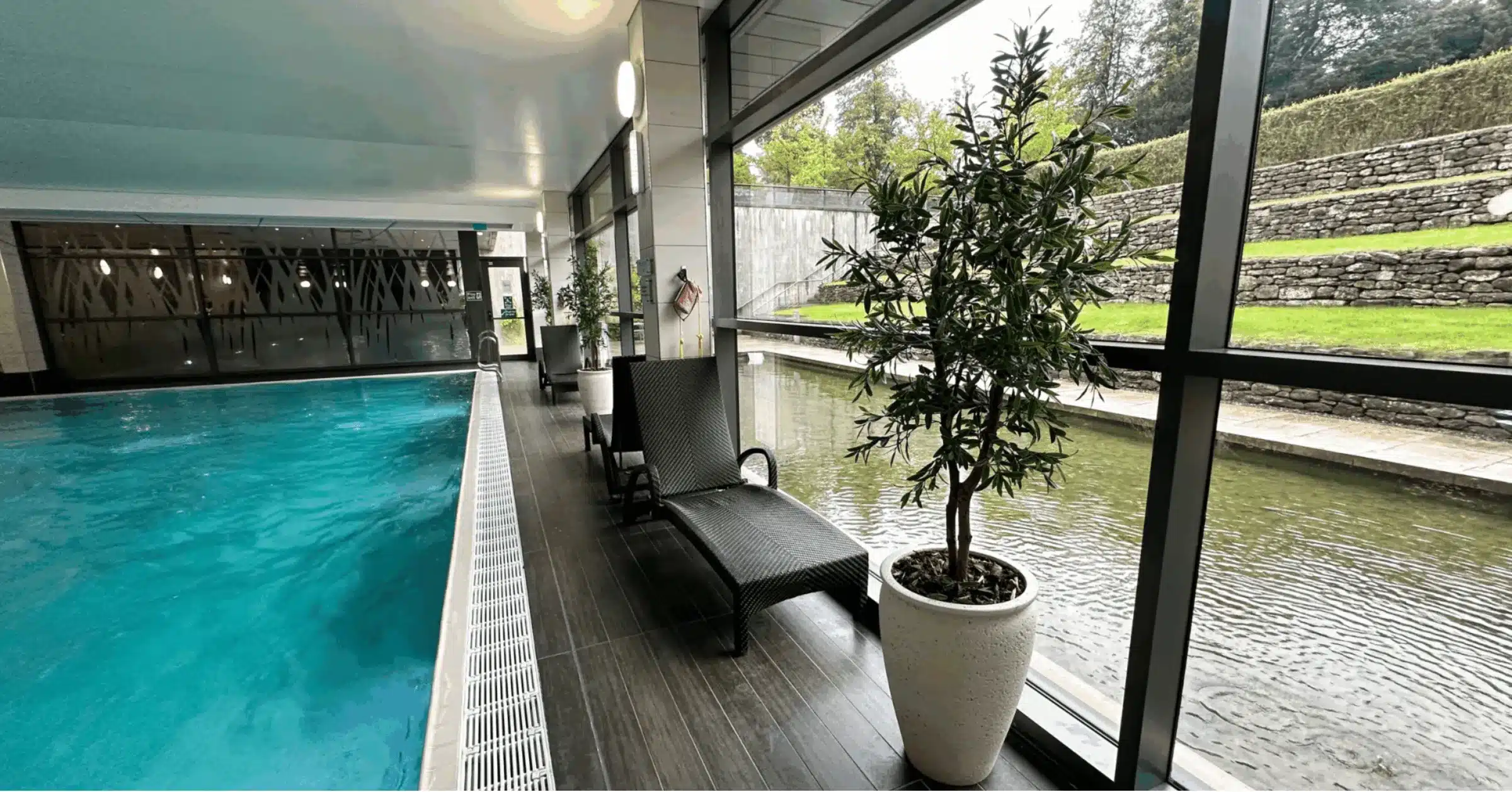
Biophilic design rests on the idea that people feel better when their surroundings connect them with nature. In a spa, that idea matches the purpose of the space. Greenery softens hard tiled and stone surfaces, makes treatment areas feel more private, and supports the sense of stepping out of the everyday.

Planting also does practical design work. Screens and planters can separate relaxation areas from circulation routes, soften the edges of pools and thermal suites, and give corridors and waiting areas some character without adding clutter.

The challenge: humid, low-light conditions

Before choosing plants, it helps to understand what the space demands of them.
  • Humidity and steam. Some plants enjoy it, but constant wet heat near steam rooms and pools can encourage rot and disease in others.
  • Low light. Treatment rooms, changing areas and relaxation spaces are often deliberately dim, with little or no daylight.
  • Chemicals. Pool areas can have chlorinated air, which some plants tolerate better than others.
  • Temperature swings. Thermal suites, doors opening to cooler corridors and air handling can all put plants under stress.
  • Access and hygiene. Plants in wet or treatment areas need to be cleaned and maintained without disrupting guests.

Live planting that suits spa conditions

Where there is enough light and stable conditions, live plants bring something artificial planting can’t: real growth, natural variation and a living presence. Species that generally cope well with humid, lower-light interiors include:

  • Ferns, such as Boston fern, which enjoy humidity and give a soft, lush look.
  • Peace lilies, which tolerate low light and humid conditions.
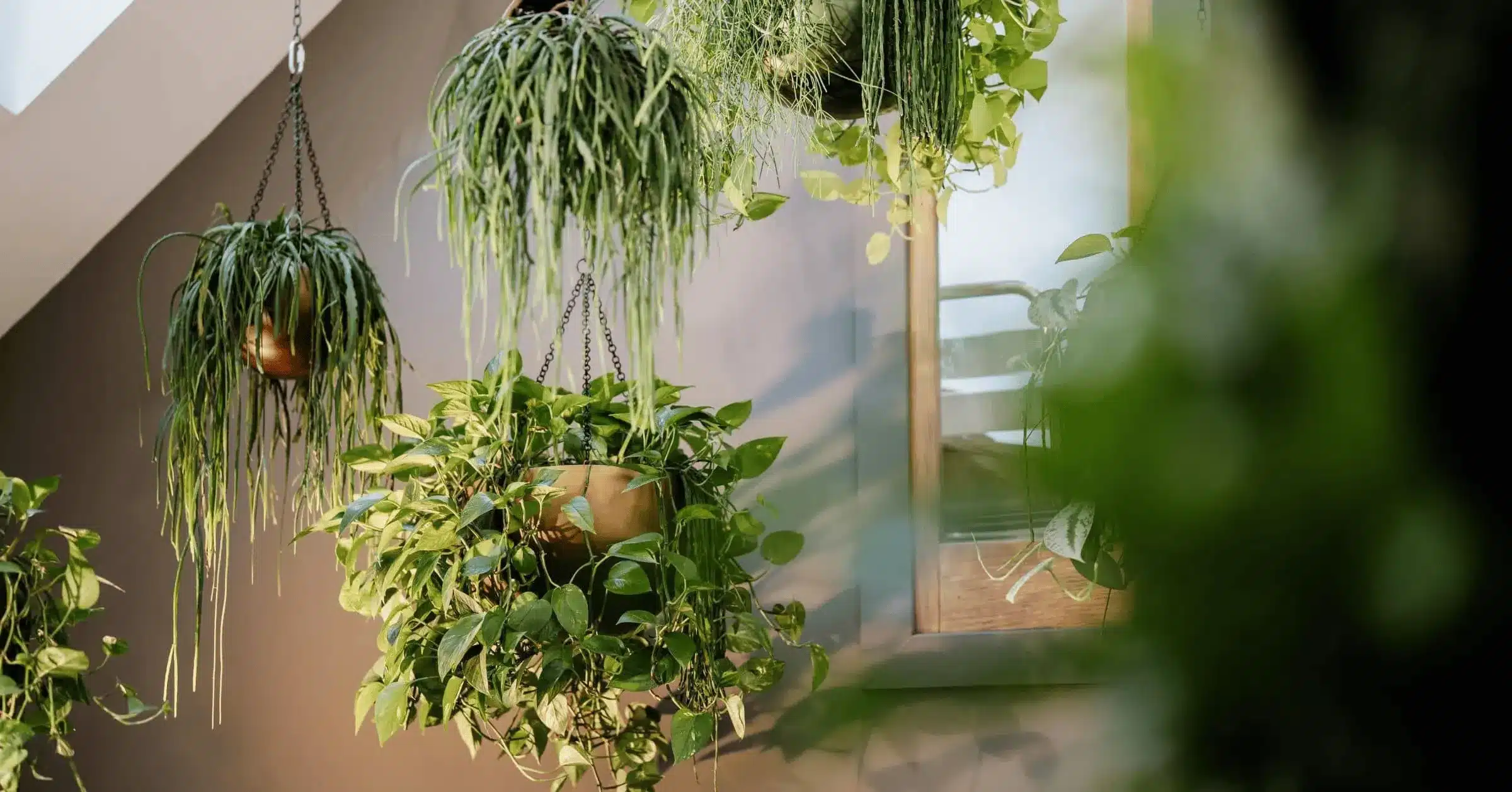
  • Philodendron and pothos, reliable trailing and climbing plants for shelves, screens and planters.
  • Aspidistra and Zamioculcas (ZZ plant), tough plants that put up with low light and some neglect.
  • Calathea and maranta, striking foliage that likes humidity, though it can be fussy about water quality and consistency.
  • Orchids, a popular choice for reception areas and treatment room accents, where they can be replaced when they finish flowering.

Species suitability depends on the specific conditions in each area. Light levels, temperature and what is in the air all matter, so it’s worth having a specialist assess the space before you commit.
Where artificial planting comes in

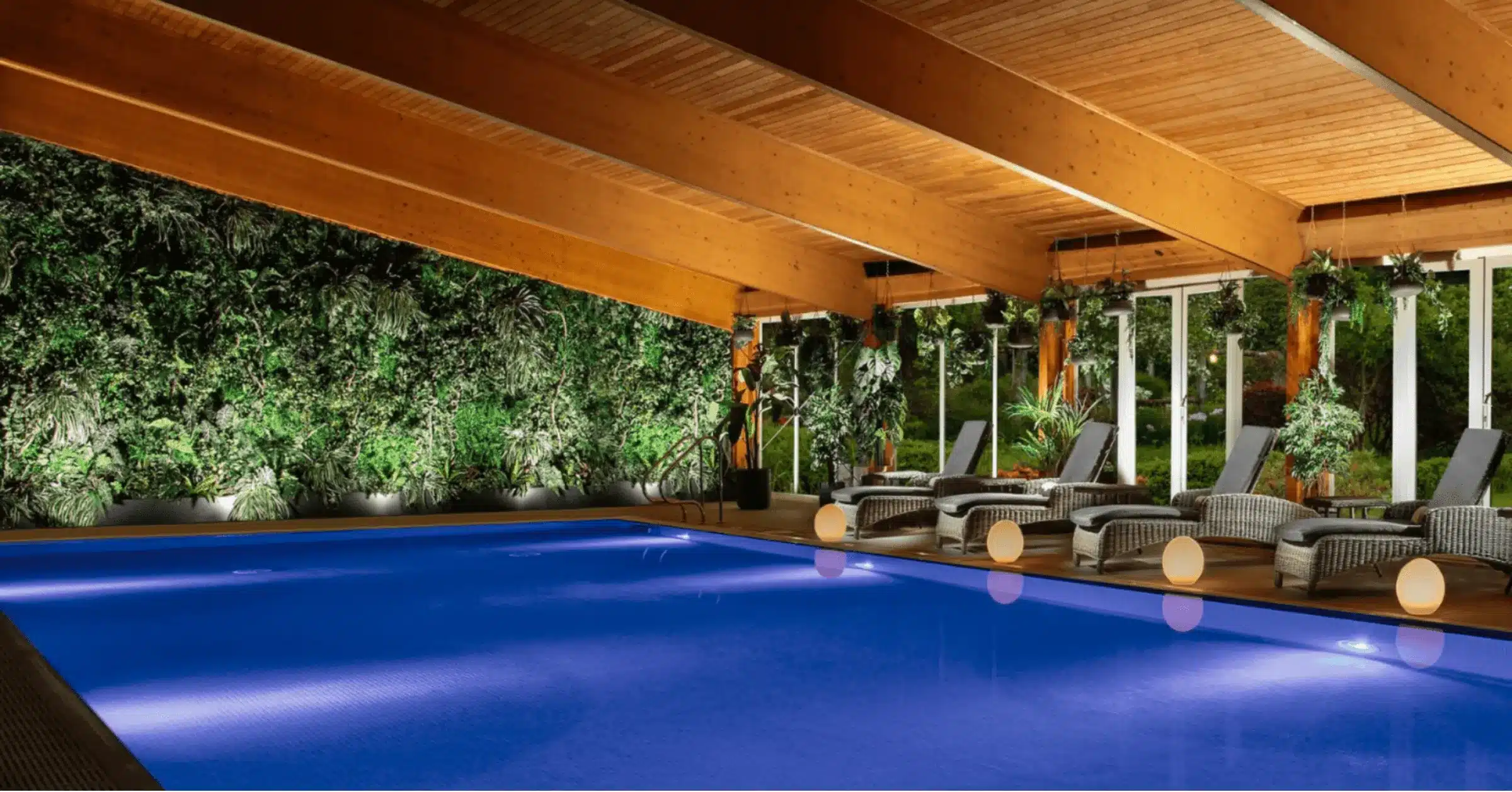
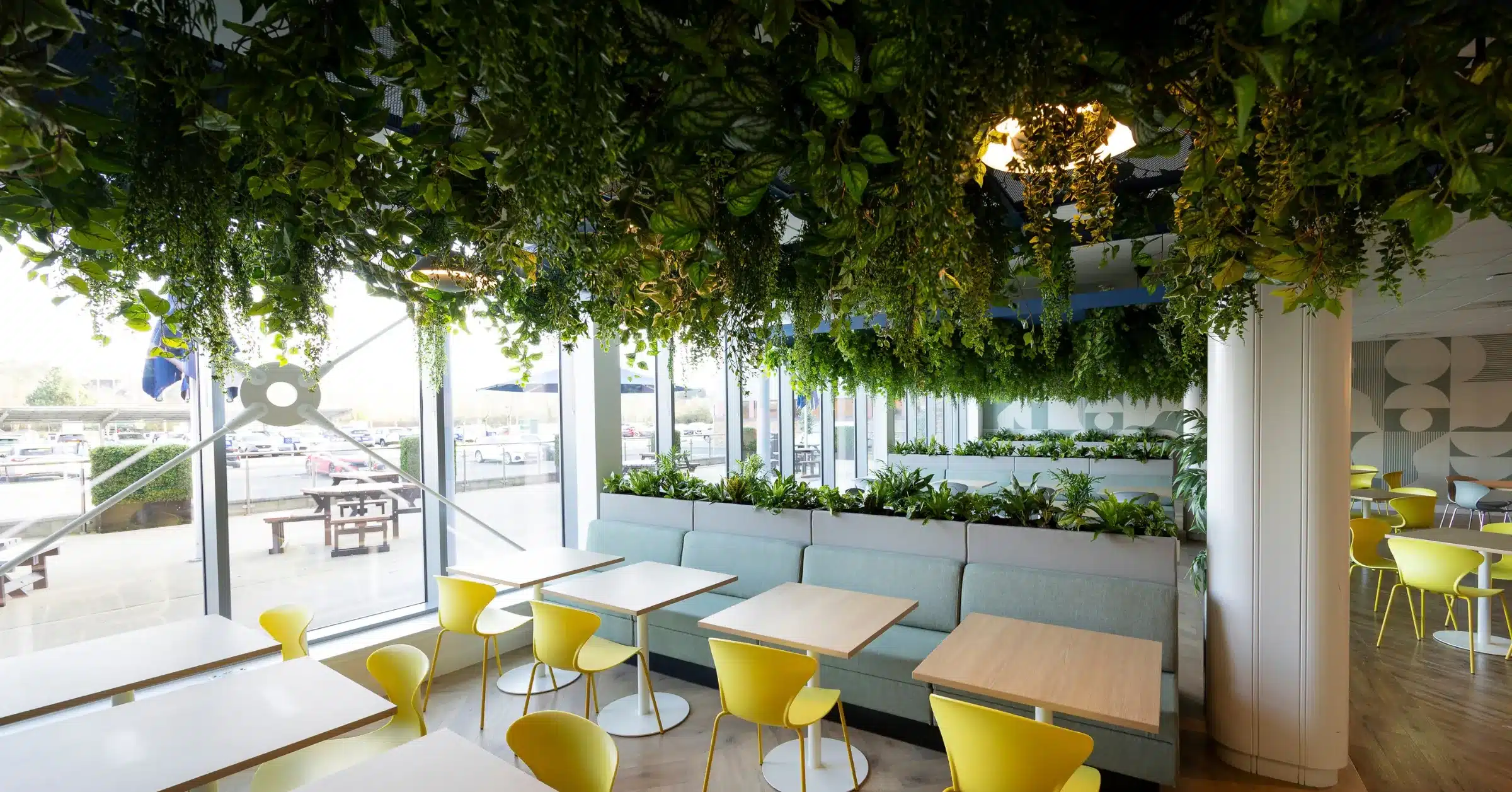
Many spas use artificial planting alongside live plants, and often instead of them, and for good reason. In the darkest and wettest areas, artificial planting is often the more practical way to get the look you want:

  • It doesn’t need light. Windowless changing rooms, corridors and treatment areas can still have greenery.
  • It copes with steam and heat. Areas that would defeat most live plants can be planted without worrying about rot or decline.
  • It stays looking its best. No dropped leaves, no dying plants, and a consistent look across the venue.
  • Maintenance is lighter. Artificial planting still needs regular cleaning, especially in humid areas where dust and residue can build up, but there is no watering, pruning or replacement.
  • It suits installations that are hard to reach. High-level planting, tall screens and feature walls can be difficult to maintain when live.

Quality matters a great deal. In a space designed for close, quiet attention, poor-quality artificial plants stand out. Realistic materials, convincing colour variation and careful installation make the difference between planting that supports the atmosphere and planting that undermines it. In spas and other public spaces, look for fire-retardant products, and check the specification against your venue’s requirements.

It’s also worth being straightforward about what artificial planting can and can’t do. The evidence for wellbeing benefits is strongest for living plants and real natural elements. Artificial planting delivers the visual and atmospheric side of biophilic design, and that is a big part of what guests respond to in a spa. For many venues, the best answer is a mix.

A hybrid approach often works best

Rather than choosing one or the other, many spa schemes split planting by area:

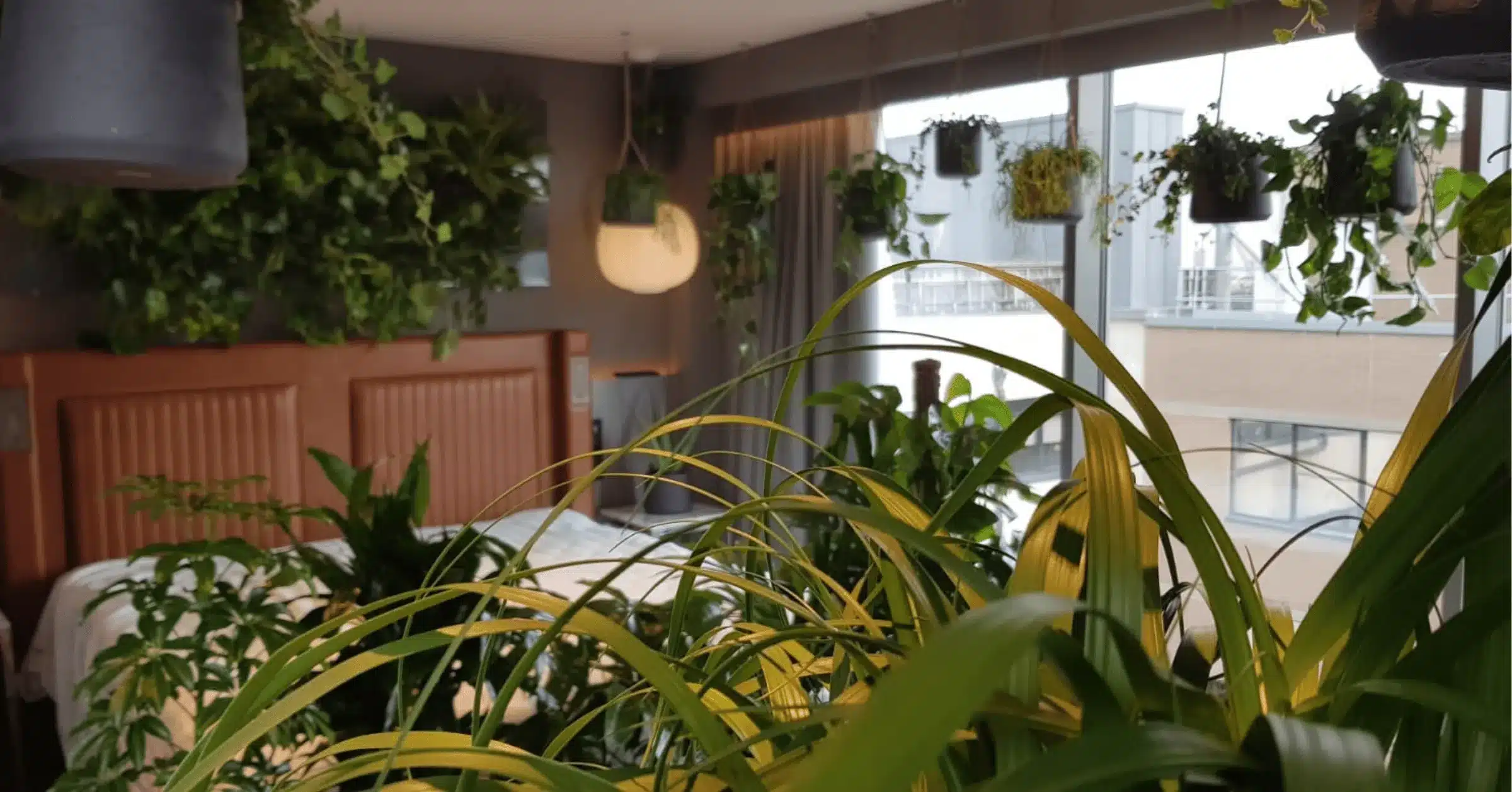
  • Live planting in reception, daylit lounges, relaxation areas and anywhere with stable conditions and reasonable light, where guests spend time and can appreciate it up close.
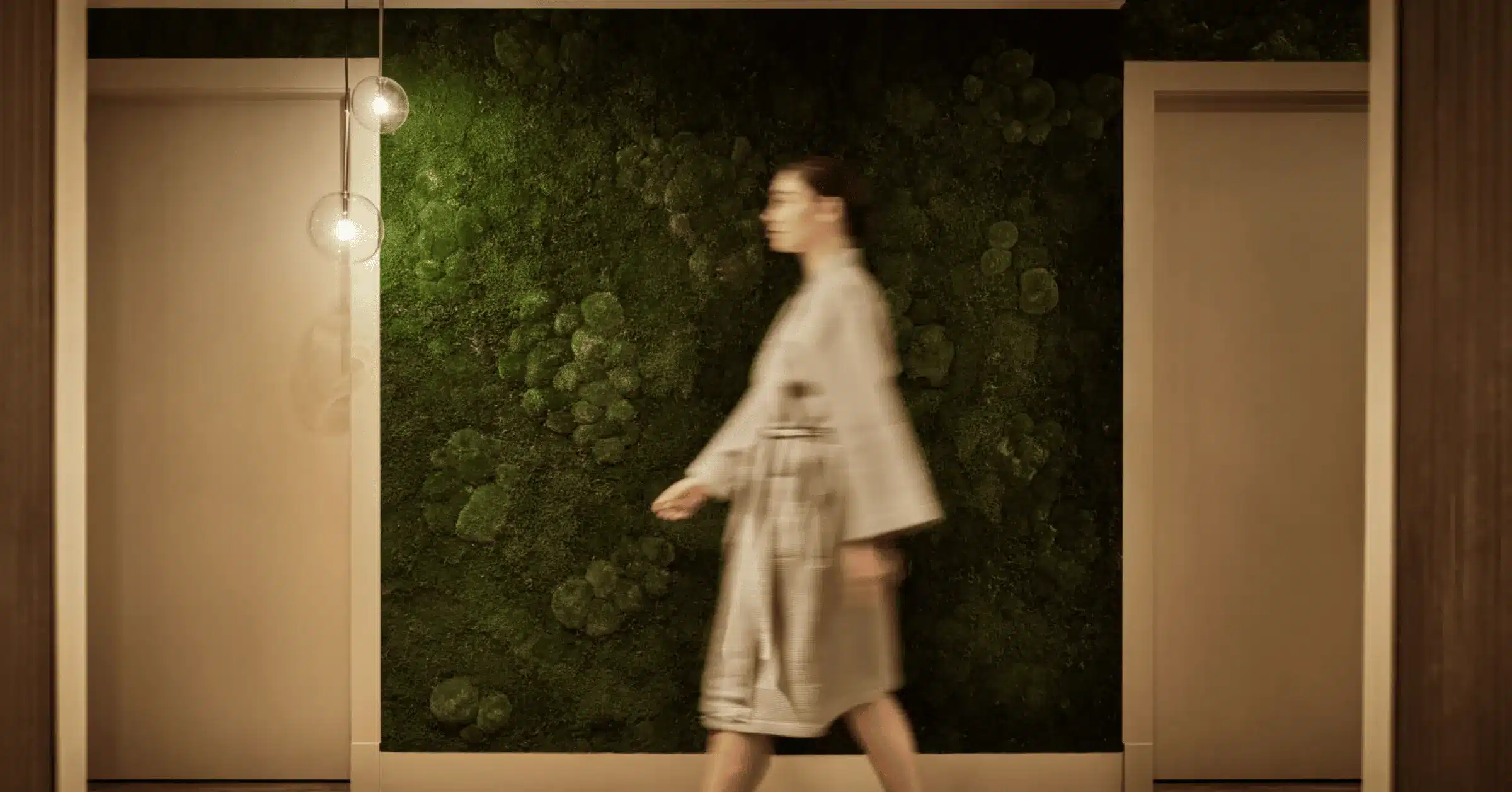
  • Artificial planting in changing rooms, thermal areas, corridors, treatment spaces and other areas where light, humidity or access make live plants impractical.
  • Consistent design across both, so the look feels cohesive and guests can’t tell where one ends and the other begins.

This approach gives a spa the benefits of real greenery where it can thrive, without leaving the rest of the space bare.
Getting spa planting right

  • Assess each area separately. Light, humidity, heat and chemicals vary from room to room, so the right solution will too.
  • Be honest about maintenance. A plan that only works if plants are watered and tended perfectly will fail in a busy venue.
  • Plan it early. Planters, screens, irrigation and access are easier to build in at design stage than to add later.
  • Don’t cut corners on quality. Whether live or artificial, poor planting is more noticeable in a calm, considered space.
  • Think about guests’ senses. Planting should complement the lighting, materials and acoustics, not compete with them.

The bottom line

A spa is a space designed to help people relax, and planting can support that. But spa conditions are demanding, and the most successful schemes use the right planting in the right place, whether that means living ferns in a bright lounge or high-quality artificial planting in a steamy thermal suite.

At Benholm Group, we’ve worked on spa and wellness spaces where both approaches have their place, and we can advise on the mix that suits your venue, your conditions and your budget. If you’re planning a new spa or refreshing an existing one, we’d love to talk.
Calm by Design: Biophilic Planting for Spas and Wellness Spaces
Date Posted: September 24, 2026

Share

More Blogs

Blog

Blog

Interior Design
The Business Case for Biophilic Design: Why Greener Space...
Interior Design

Blog

Blog

Interior Design
How to Design a Biophilic Workplace Without Making It Loo...
Interior Design

Blog

Blog

Interior Design
Designed In, Not Dropped In: Why Specifiers Are Building ...
Interior Design

Blog

Blog

Interior Design
The Business Case for Biophilic Design: Why Greener Space...
Interior Design

Blog

Blog

Interior Design
How to Design a Biophilic Workplace Without Making It Loo...
Interior Design
Call Now