If you’re an employer still trying to tempt staff back to the office with pizza Fridays and the odd bottle of prosecco, new research suggests you’re solving the wrong problem.
A recent study by independent property consultancy BPS London, published in FMJ, found that just 47% of office workers actually enjoy their current office environment — with the rest describing it as merely “okay,” or worse. More tellingly, 63% said they’d be far more willing to come into the office regularly if their workplace felt more modern, comfortable, and better equipped.
So what does “better equipped” actually mean to employees? According to the research, it’s not about the extras. Workers said they’d rather see investment go into higher-quality facilities, better design, and wellbeing benefits — not staff perks, office parties, or free lunches. The improvements that ranked highest included:
Read between the lines and a clear picture emerges: employees aren’t asking to be entertained at work. They’re asking for an environment that actually supports how they feel and how they work.
BPS London’s findings point to something many employers are still catching up with — in the post-pandemic era, coming into the office is a choice, not a default. Employees have become far more selective about when and why they make the commute, and a half-hearted environment simply isn’t going to win that battle against the comfort of home.
That means the office itself has to earn its place. It needs to offer something that working from a spare room or kitchen table can’t: genuine comfort, better air quality, natural light, spaces to focus, and spaces to breathe.
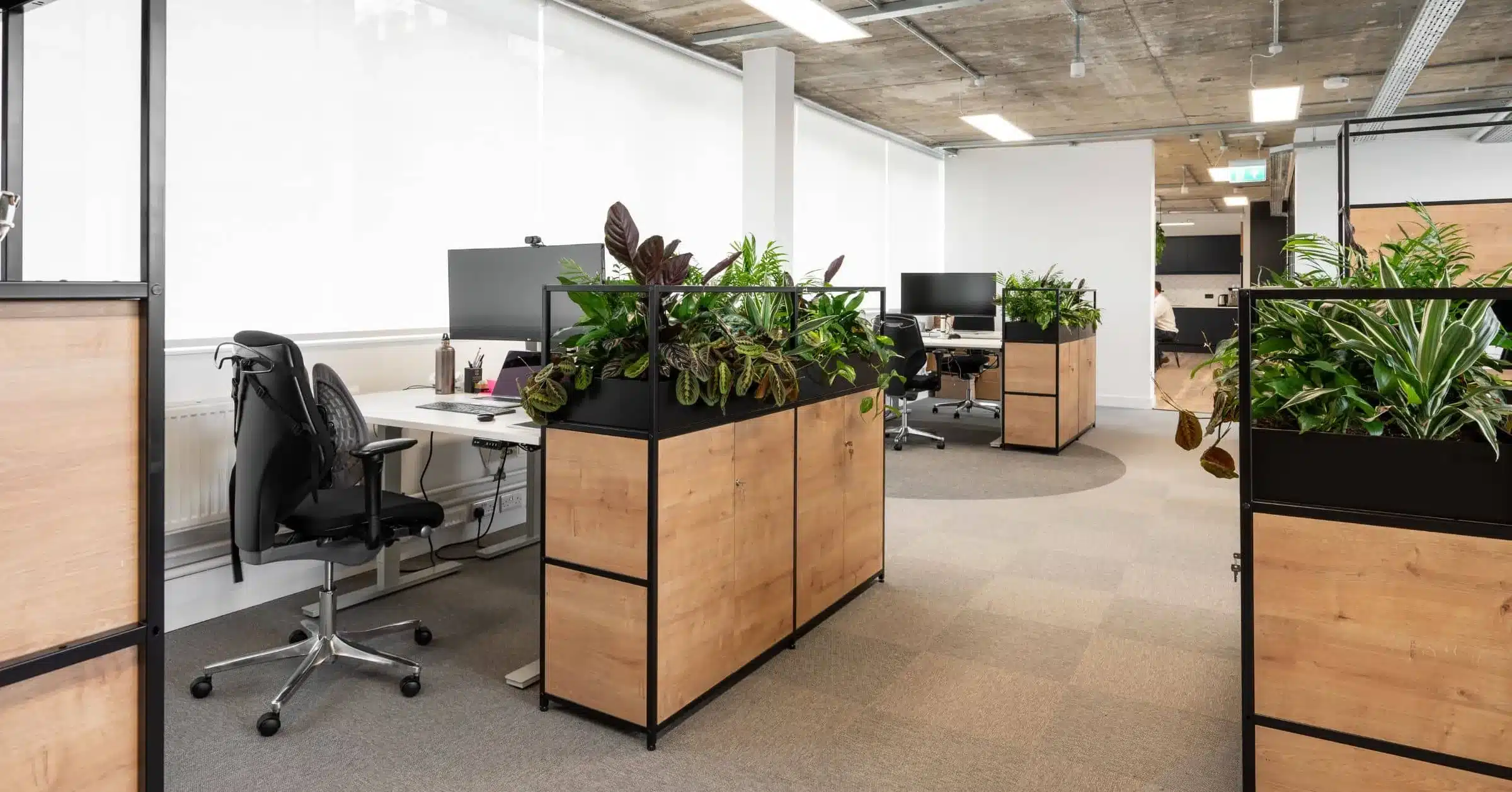
This is exactly where thoughtful, professional planting stops being a “nice to have” and becomes a core part of the answer.
Living plants directly address several of the improvements employees ranked most highly:
Better outdoor space and breakout areas: Well-designed planting can transform underused courtyards, terraces, and breakout zones into spaces people actually want to spend time in, rather than corridors people pass through.
Air quality and ventilation: Interior planting has a genuine, measurable role to play in improving indoor air quality, which sits high on employees’ list of frustrations with their current spaces.
Quiet, calmer zones: Greenery is one of the simplest ways to soften an open-plan office, breaking up sightlines and noise, and creating a natural sense of separation without the cost of a full refit.
Wellbeing: There’s a growing, well-evidenced link between exposure to nature and reduced stress, improved concentration, and better overall wellbeing at work — precisely the kind of benefit employees say they value more than a party or a gift.
In other words: while many employers are still pouring budget into perks that research shows employees don’t especially want, planting delivers against almost every category they’ve said they do want — often at a fraction of the cost of a full workplace redesign.
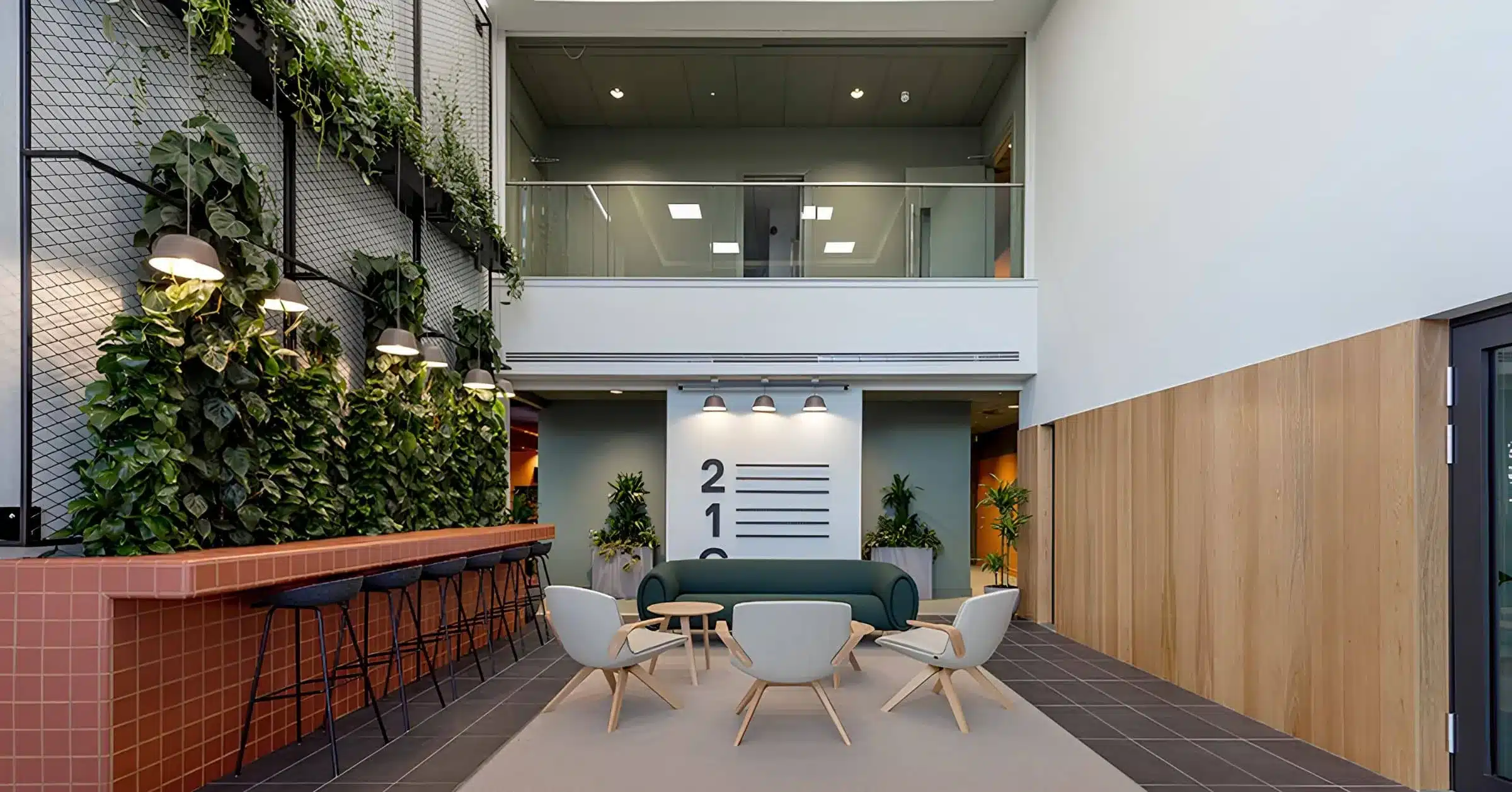
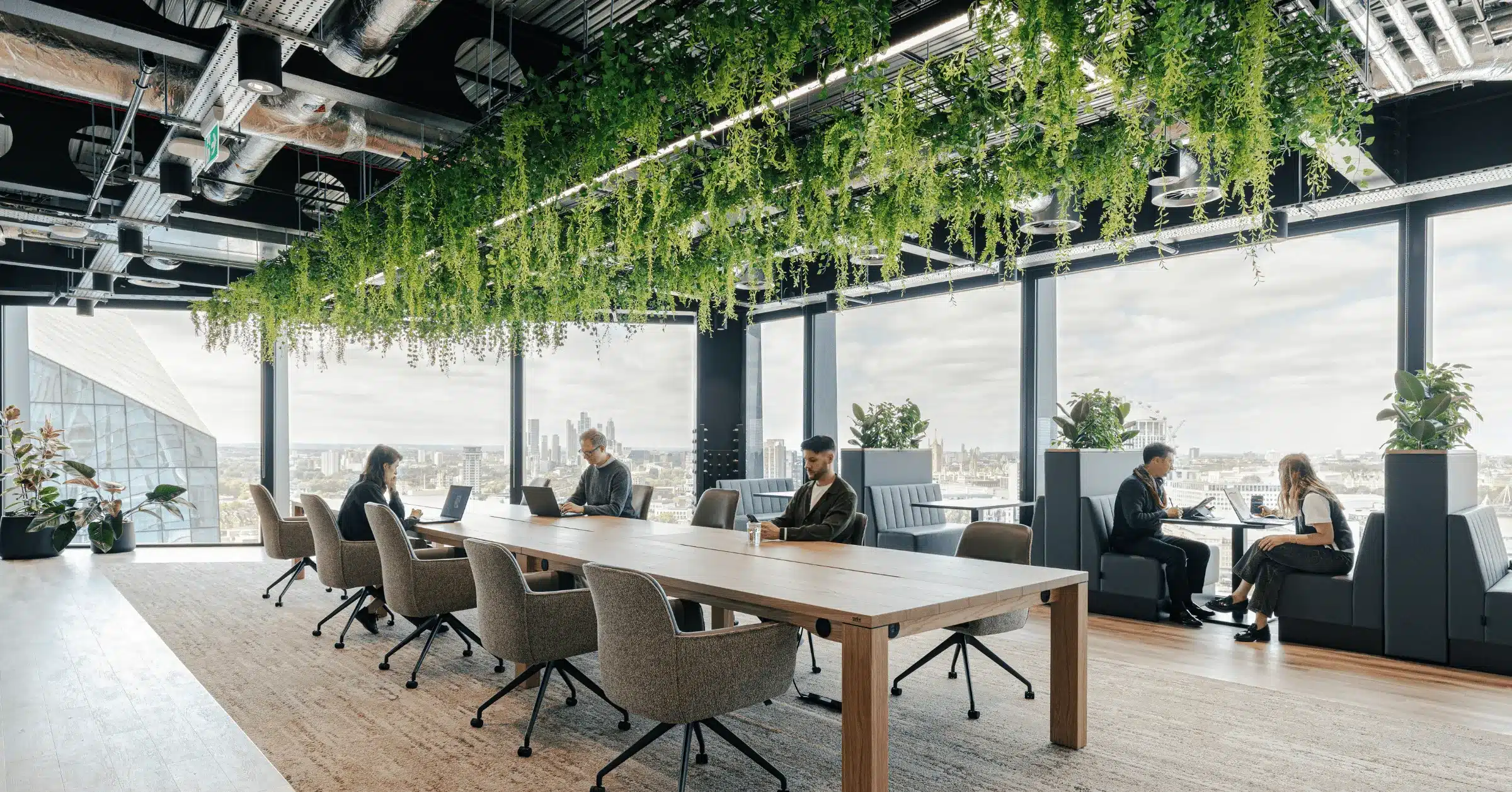
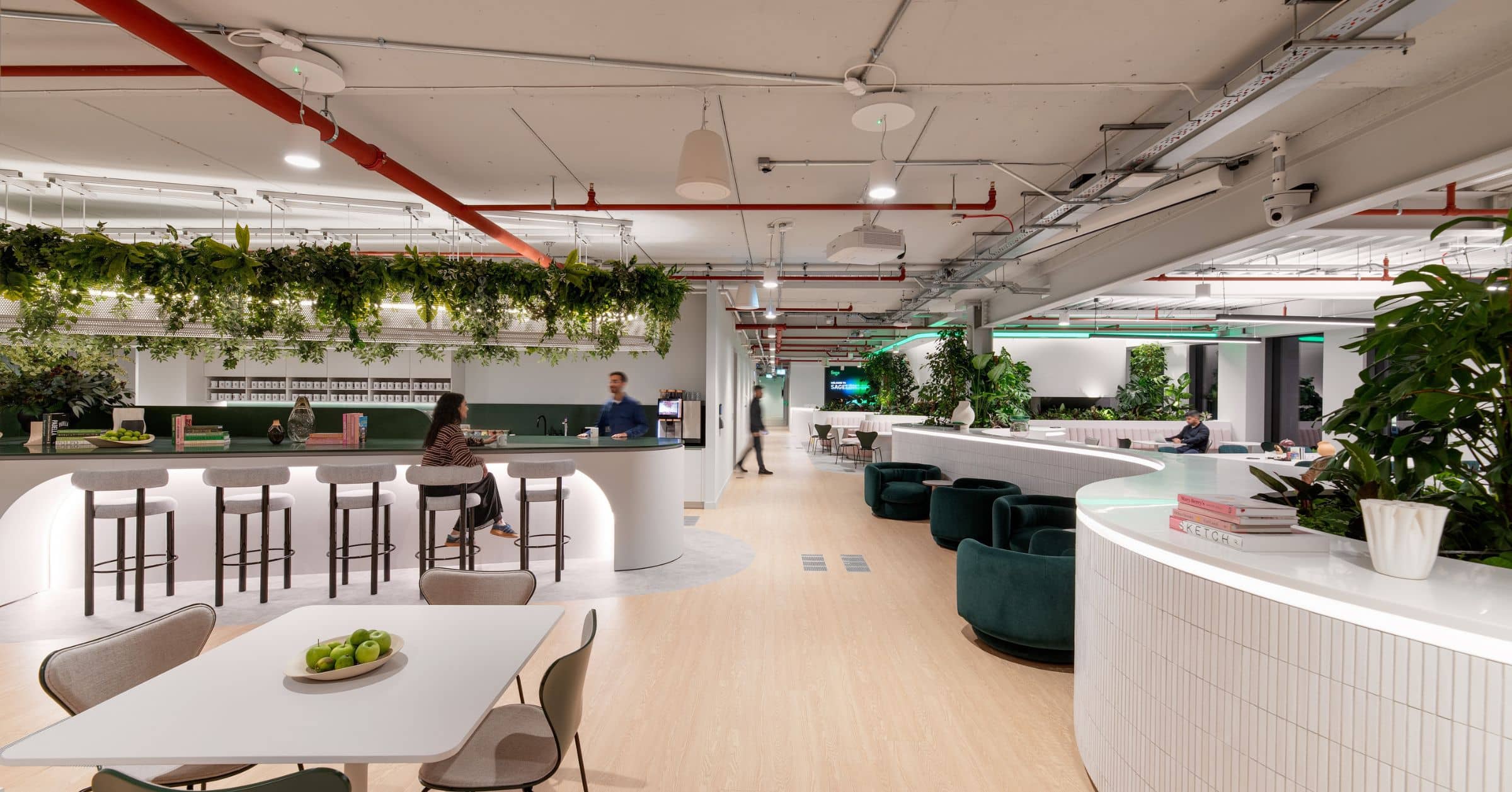
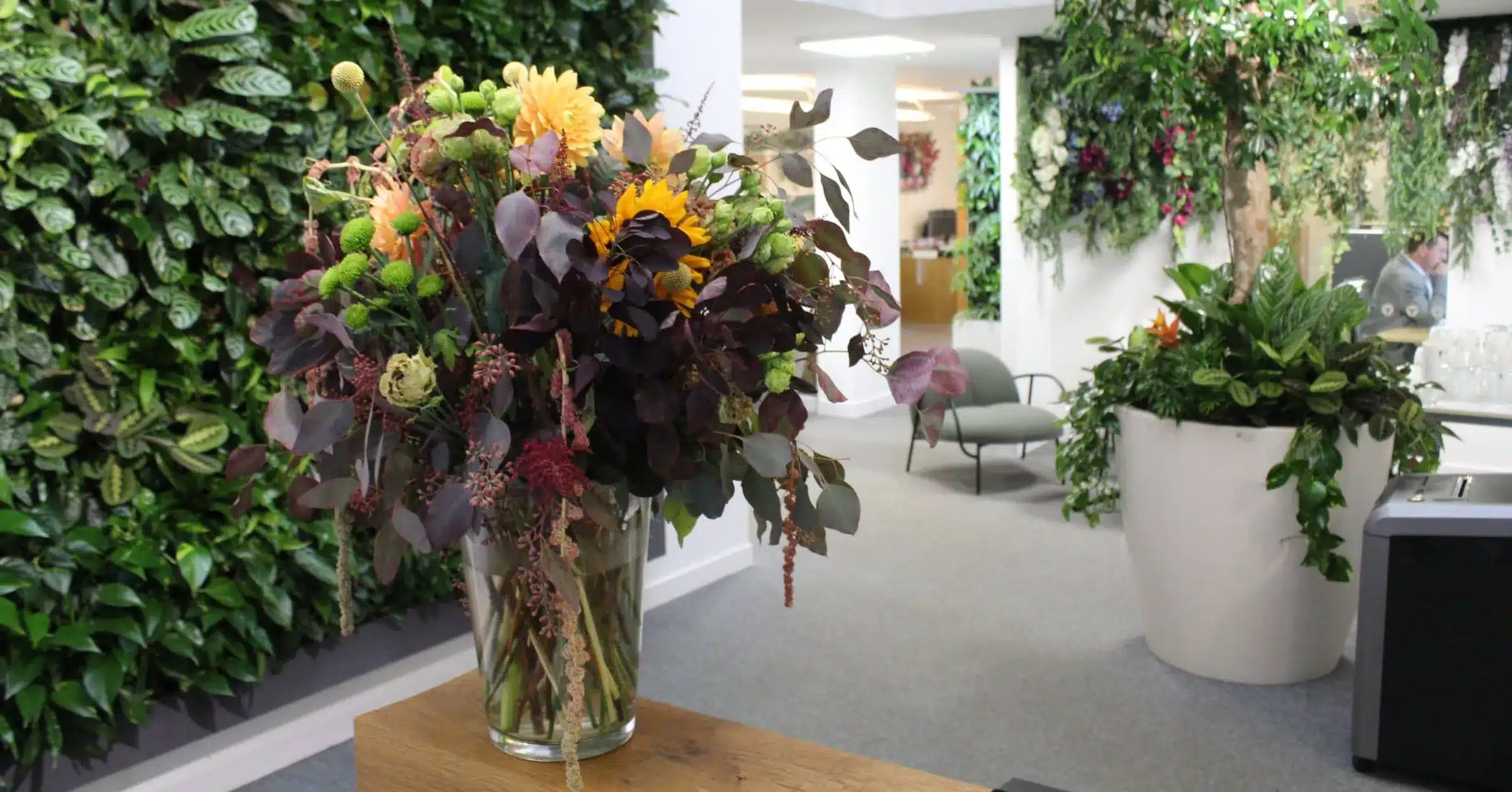
The BPS London research is clear that employees want investment in design and facilities, not superficial extras. Planting sits firmly on the design side of that line. Done well, it’s not a few pot plants dotted around reception — it’s considered, integrated, and part of how a space is planned: living walls that soften harsh architecture, planting schemes that zone open-plan areas, outdoor spaces reimagined as genuine amenities.
That’s the difference between an office that feels like an afterthought and one that feels like it was designed with people in mind.
At Benholm Group, we’re based in Central Scotland — but our work reaches offices across the whole of the UK. That gives us a slightly different vantage point on planting design than a purely local supplier. We bring a broad perspective to every project, wherever it’s based.
If your business is trying to give employees a genuine reason to want to be in the office — not just an obligation to be there — planting is one of the most effective, cost-conscious places to start.
Get in touch with Benholm Group to talk through how planting and interior landscaping could transform your workplace, wherever you’re based in the UK.