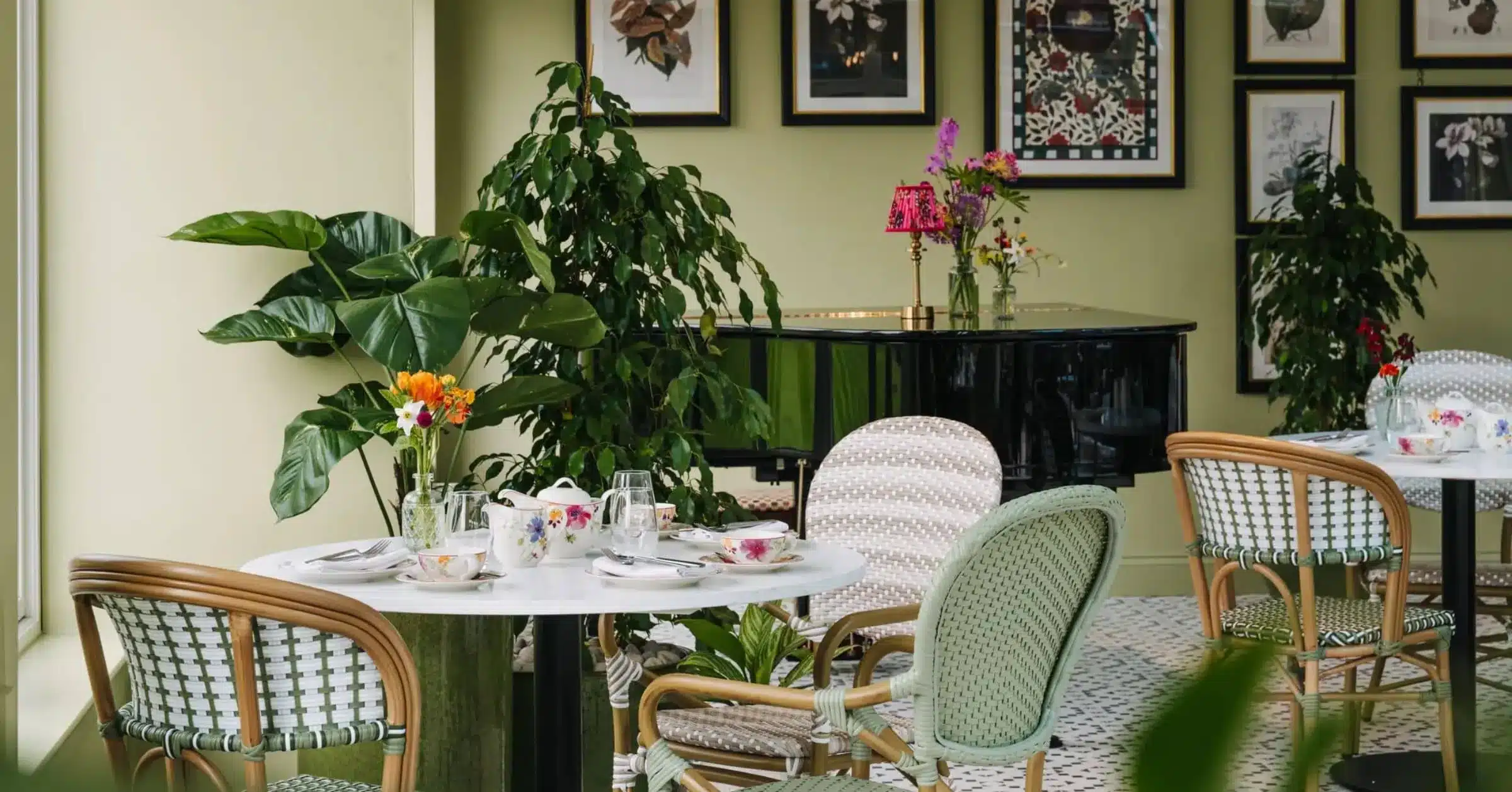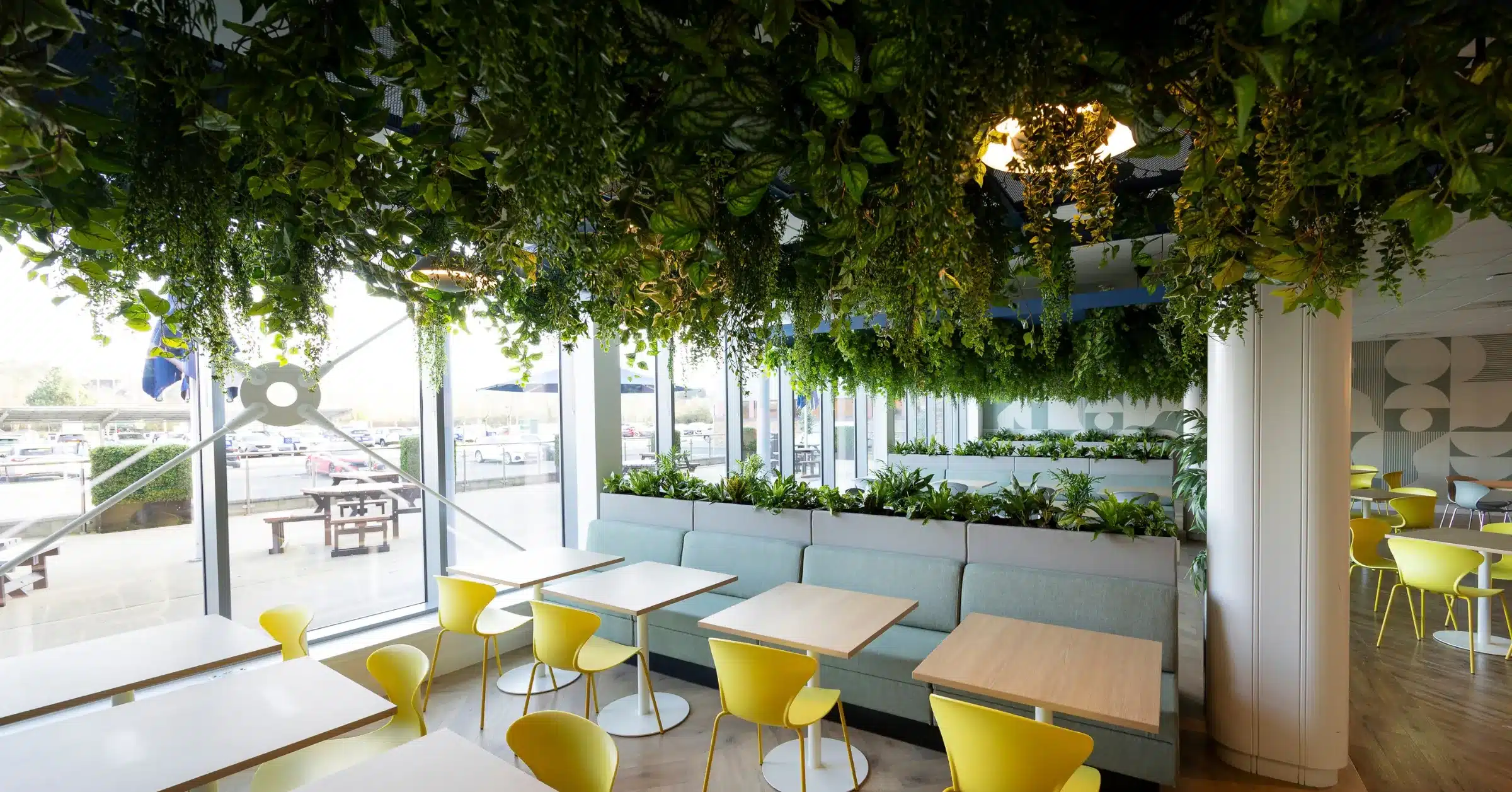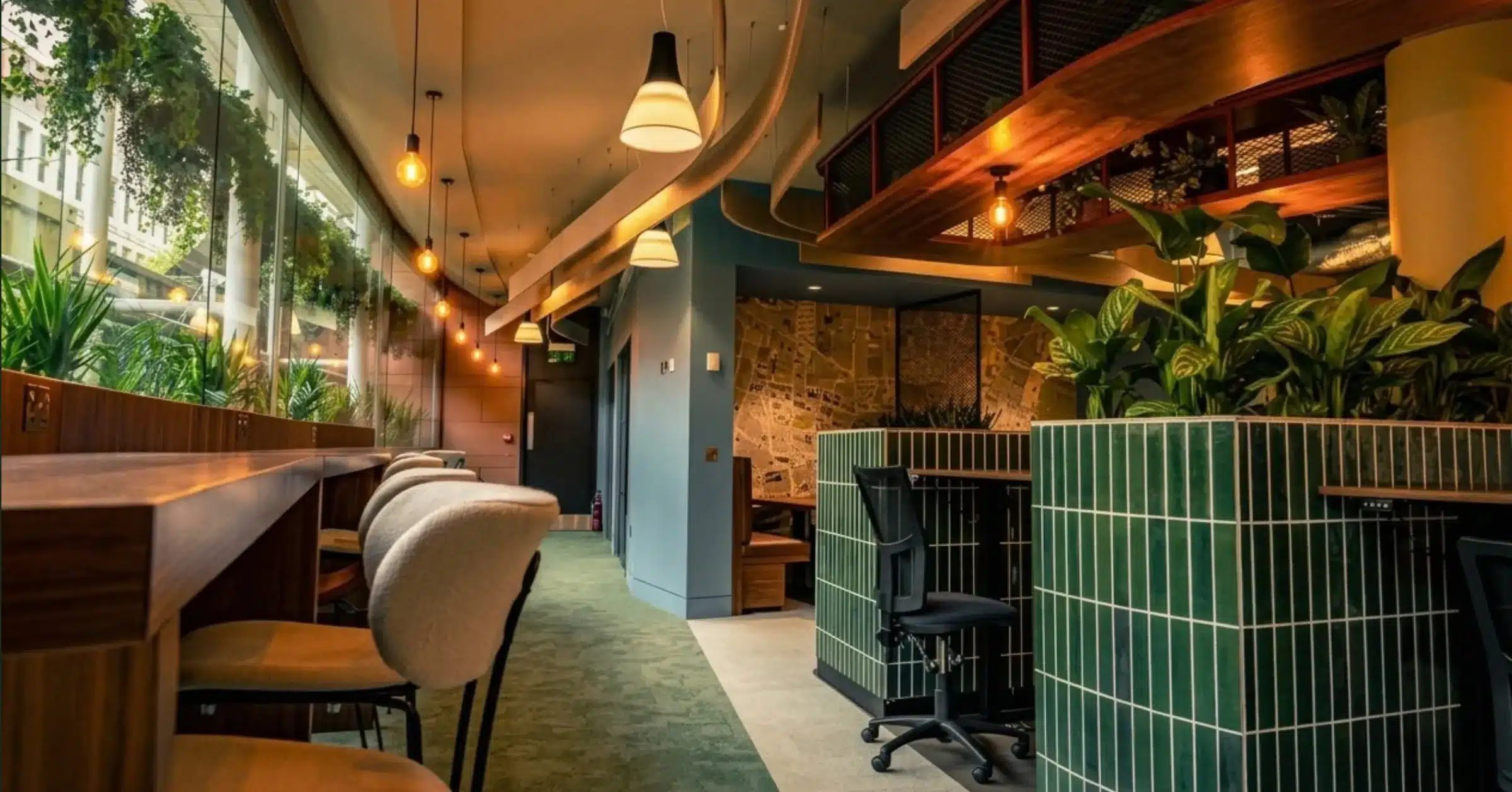
Walk into a hotel lobby and you can usually tell within seconds whether you’re going to like the place. You’re not reading the reviews or checking the thread count. You’re reacting to the space – the light, the smell, the way it feels to stand there. And more often than hoteliers realise, plants are doing a lot of that emotional heavy lifting.
There’s now a decent body of research behind this, and it’s worth hotels paying attention to, because the numbers aren’t just to make sure “guests feel nice”. They translate into guests staying longer, paying more, and coming back.
Guests form an opinion of a hotel’s quality almost immediately after walking into the lobby, and greenery is one of the fastest ways to shape that first read positively – well before anyone’s checked in or seen a room. It’s also one of the reasons a striking green wall at reception tends to work: guests rate the experience better, and they photograph it, which is free marketing every time it ends up on Instagram.
This is probably the most commercially interesting finding. One hospitality design study found guests spend up to 36% more time in hotel lobbies with biophilic design, which naturally creates more chances for them to order a coffee, use the bar, or simply stick around long enough to book something else while they’re there.
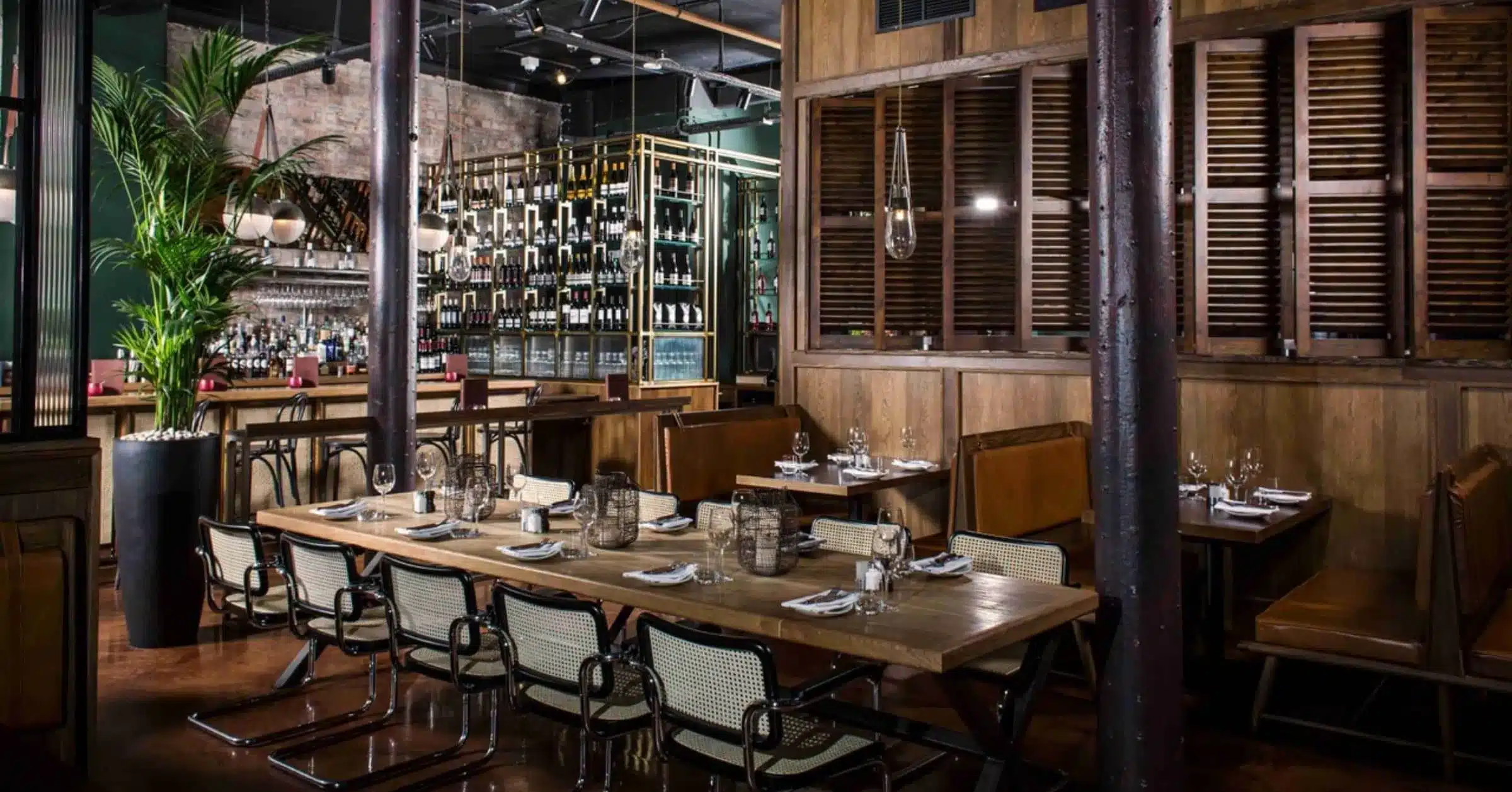
The same pattern shows up in restaurants: greenery in dining spaces is linked to guests spending 15-20% more time at the table, which tends to show up directly in food and drink revenue – more courses, more drinks, more dessert nobody planned on ordering.
There’s a name for this in hospitality research: dwell time. It’s simply the length of time a guest stays in a space, and it correlates strongly with spend – the longer someone lingers somewhere they like, the more likely they are to order another round, explore the menu, or wander into a different part of the venue and spend a little more there too.
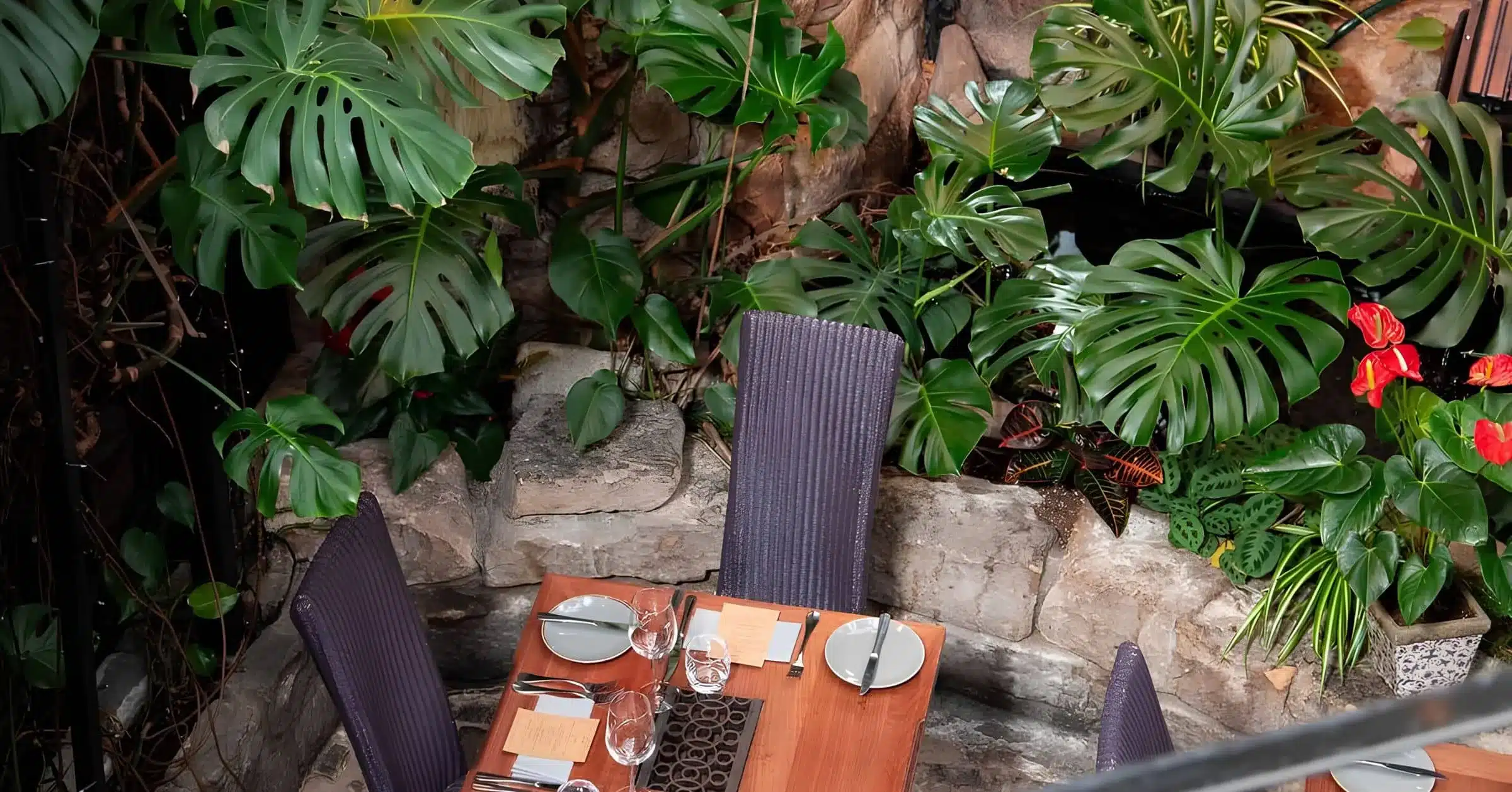
This is the part that tends to get a hotel finance director’s attention. Properties that invest in well-designed landscaping have been able to push room rates up by 8-12% without denting occupancy. Separately, research has pointed to guests being willing to pay up to 23% more for rooms with biophilic elements.
There’s a fairly intuitive reason for this: a well-planted, healthy-looking space reads as curated and cared-for, and guests instinctively judge that kind of space as worth paying more for. Academic research into hospitality “servicescapes” backs this up, finding that natural planting has a direct effect on how guests perceive value, alongside more established factors like décor and service quality.
Peer-reviewed work elsewhere has found something similar: biophilic lobby design increases feelings of calm and wellbeing, and that emotional lift measurably increases guests’ willingness to pay. It’s not that guests consciously think “nice plants, I’ll pay more”. It’s that the space makes them feel good, and feeling good makes people more generous with their wallets – whether that’s an extra cocktail inspired by botanical flavours, a lounge seat surrounded by foliage, or a terrace they didn’t plan on sitting at for two hours.
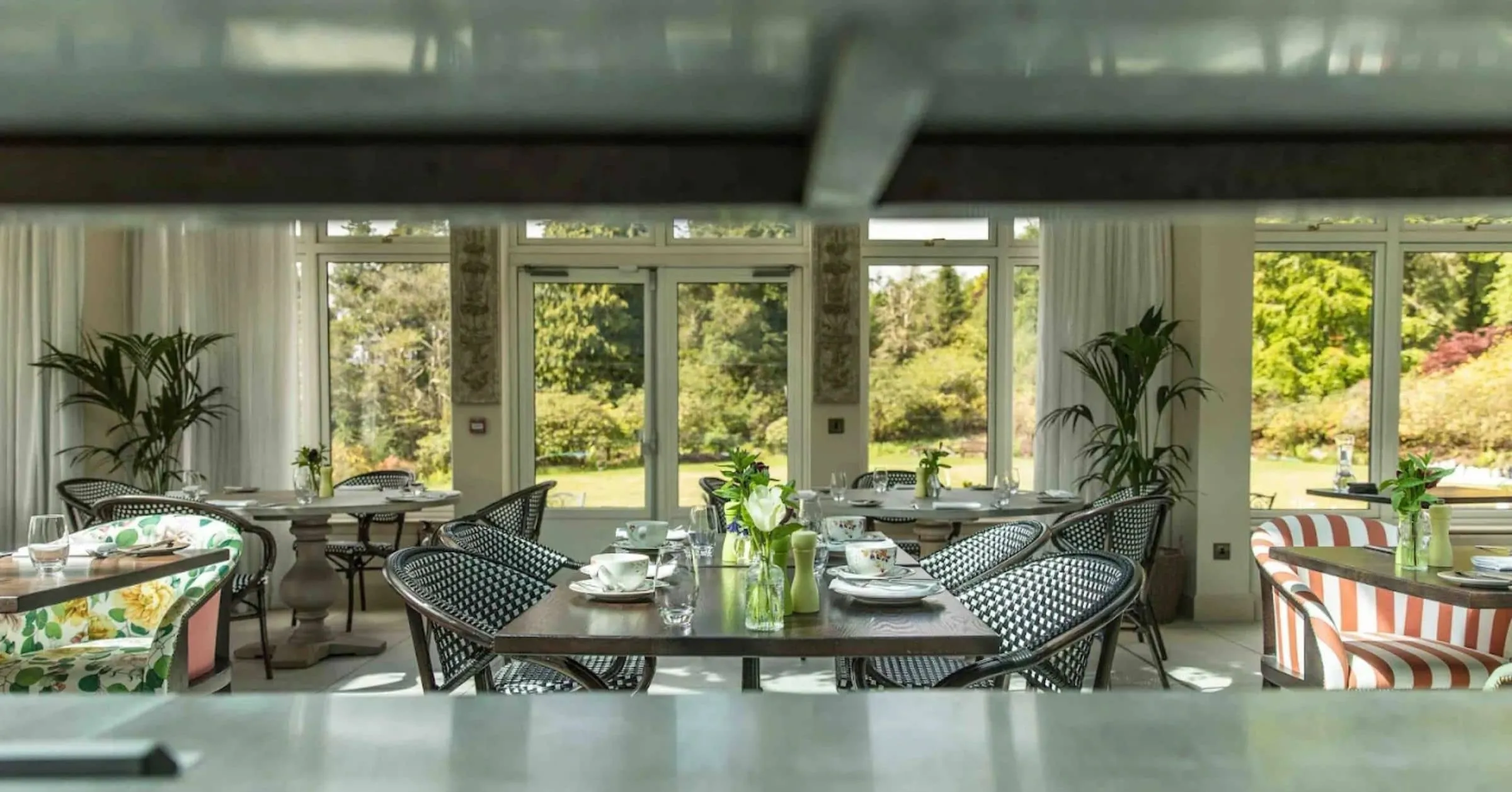
Plants are also doing quieter, practical work that supports all of the above:
A few brands have turned this from background design into an actual guest-facing amenity. Kimpton’s “Plant Pals” programme, for instance, lets guests order a houseplant to their room from a regionally sourced men, sourced from local nurseries and named with a bit of personality – and simply return it at checkout. It launched as a novelty in 2023 and has since become a genuine fixture across its properties, with the brand’s leadership framing it as a way to bring a bit of home comfort to people who travel often.
Other properties have run with similar ideas – from boutique hotels letting guests carry a lobby plant up to their room for the length of their stay, to hotels built almost entirely around living walls and on-site gardens. The common thread is that greenery isn’t treated as a one-off design flourish, but as something guests actively engage with throughout their stay.
None of this is about scattering a few ferns around reception and hoping for the best. It’s about deliberate, well-maintained planting in the places where guests make decisions – the lobby, the bar, the restaurant, the outdoor seating – designed to keep people comfortable enough to stay, and happy enough to spend.
That’s the bit we spend most of our time on at Benholm: not just choosing plants that look good on day one, but designing and maintaining displays that keep working for a venue for years – through green walls, living plants, and biophilic design built around how guests actually behave in a space.
If you’re looking to make your hotel, lobby, bar, or restaurant work harder for you, get in touch with our team – we’d love to talk through what could work for your venue.