Office plants promise cleaner air, improved employee wellbeing, and spaces that feel alive. Yet many facilities managers find themselves staring at yellowing leaves and wilting specimens just months after installation. If your corporate greenery is declining despite your best efforts, you’re not alone. We have spent over 30 years helping facilities managers across the UK solve exactly these challenges.
This guide explains why office plants fail, how to identify the root causes of decline, and what you can do to keep your workplace greenery thriving for years to come.
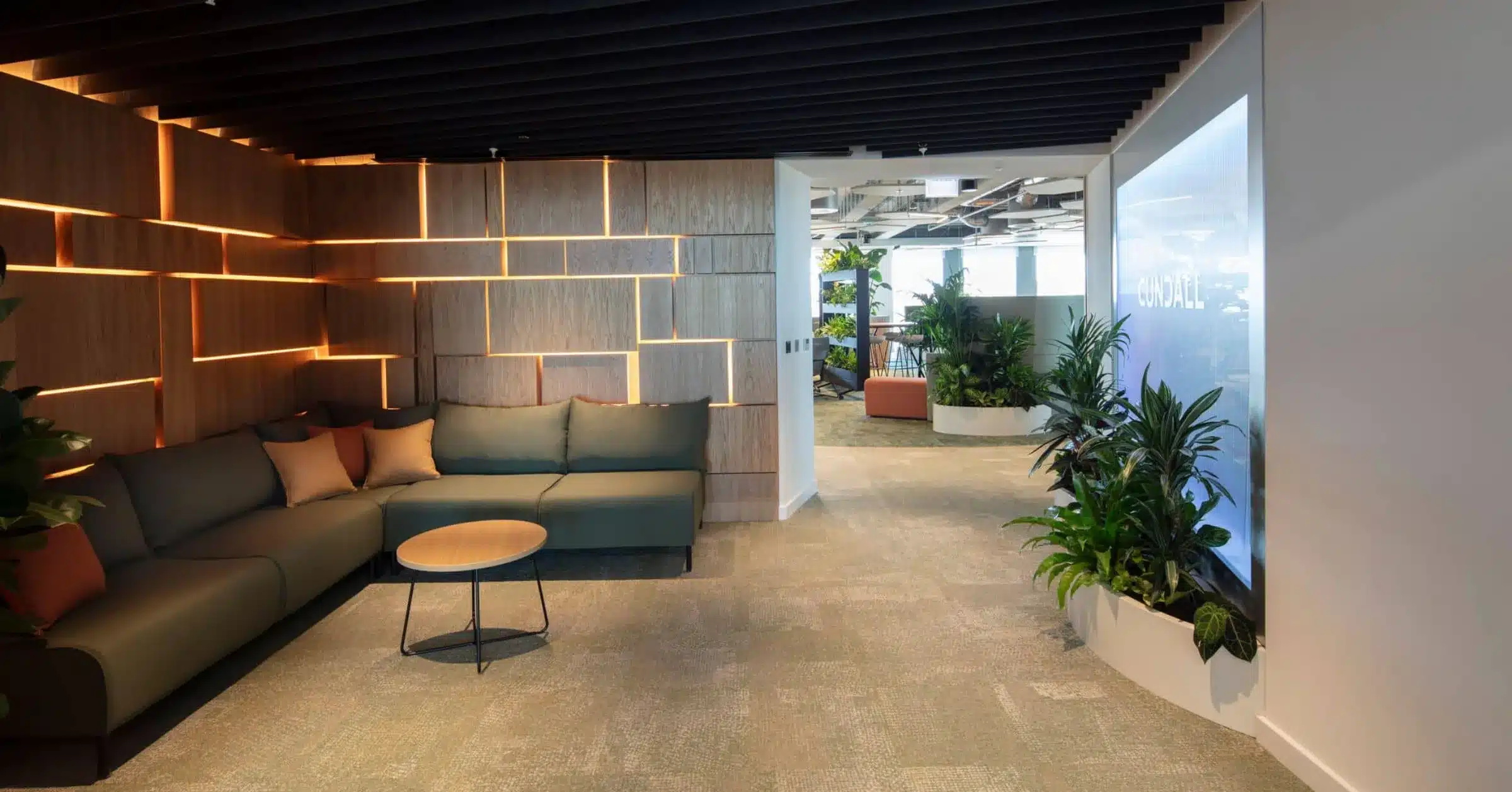
The corporate environment presents unique challenges that most living things would find hostile. HVAC systems create unnatural temperature fluctuations and strip moisture from the air. Artificial lighting rarely provides the full spectrum plants need for photosynthesis. Weekend temperature resets can shock delicate root systems overnight.
Even when someone waters the plants regularly, these environmental factors can overwhelm otherwise healthy specimens. The corporate office setting demands plant species specifically chosen to tolerate these conditions.
Facilities managers typically encounter five recurring issues that lead to plant decline. Understanding each one helps you identify problems before they become visible to everyone in the office.
Different plants have different moisture needs. When multiple people share watering duties, some weeks plants get too much water while other weeks they receive none at all. This inconsistency damages root systems and creates conditions where fungal infections thrive.
Plants positioned in interior corridors or far from windows cannot photosynthesise adequately. Even species marketed as “low-light tolerant” will eventually decline without sufficient natural or supplemental lighting. Yellowing leaves and stunted growth are the first warning signs.
Air conditioning vents blowing directly onto foliage cause rapid moisture loss. Cold drafts from doors or windows shock tropical species commonly used in office décor. Night and weekend building resets create temperature swings that plants cannot adapt to quickly enough.
Pests like fungus gnats and spider mites spread easily between plants and floors — carried on hands, tools, clothing, or simply drifting through shared air and open doorways. Without trained eyes to spot early warning signs, infestations spread rapidly. By the time visible damage appears, the problem has often become severe.
Plants must match the micro-climate where they’re placed. A sun-loving species in an interior corridor will fail. A moisture-loving fern near a heating vent will crisp and brown. The initial selection and placement decisions determine long-term success.
Many organisations attempt in-house plant care to reduce costs. While this approach can work for small installations, it creates several challenges that facilities managers often underestimate.
Staff members assigned to plant care rarely have horticultural training. They may not recognise early signs of pest activity, nutrient deficiency, or root disease. When the person responsible leaves the company or takes leave, plants often go unattended.
Biophilic design research shows that the psychological benefits of office plants depend entirely on those plants being healthy. Struggling greenery can actually have the opposite effect, making spaces feel neglected rather than inviting.
High-quality plant maintenance goes far beyond watering. During each visit, trained technicians should inspect every plant for signs of stress, disease, or pest activity.
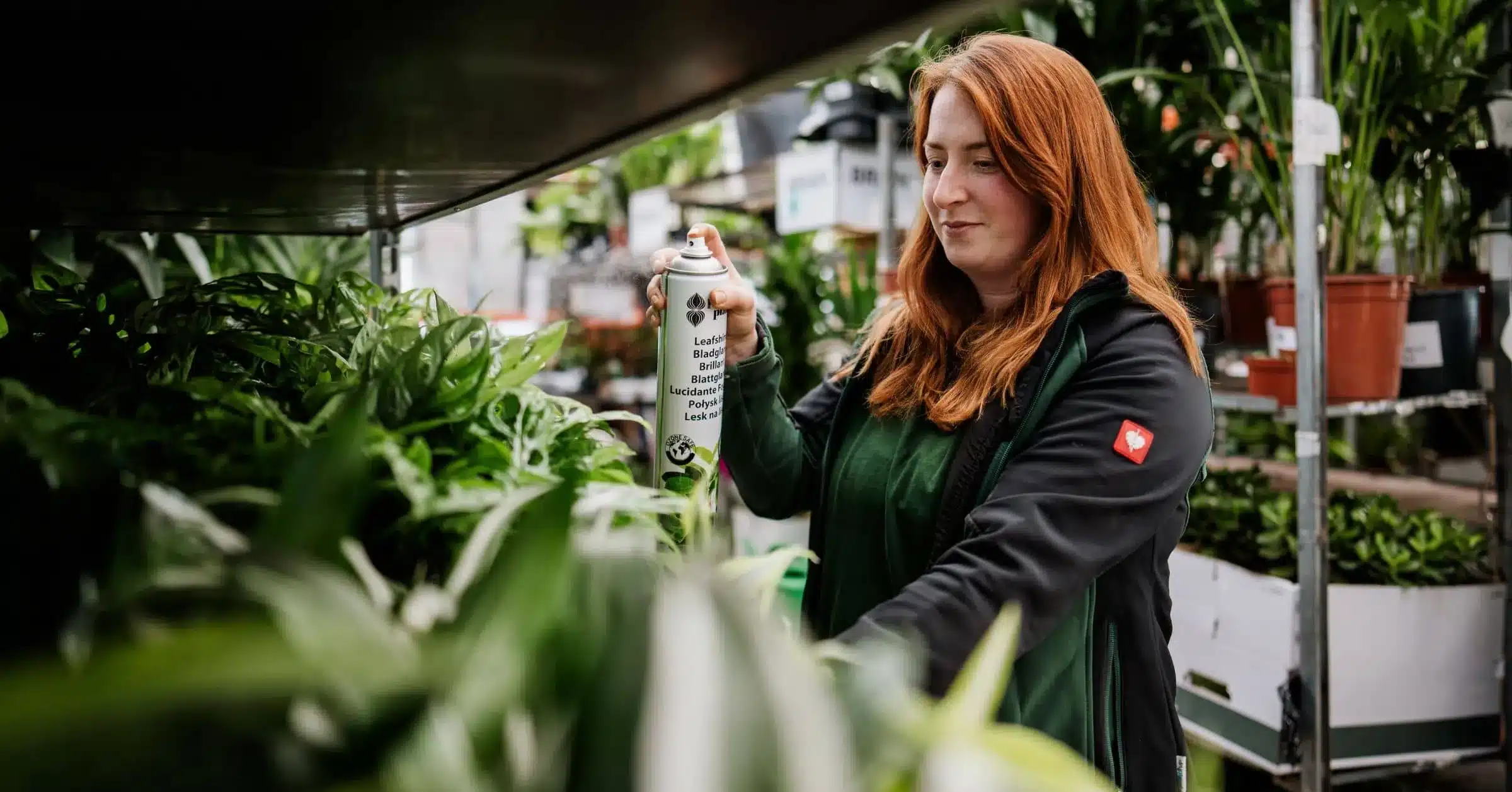
Professional technicians probe soil moisture levels, inspect root systems, and examine foliage for early warning signs. They check for pests before infestations become visible to untrained eyes. This proactive approach catches problems when they’re still easy to fix.
Each plant receives water according to its specific requirements and current conditions. Technicians apply appropriate fertilisation schedules and remove dead or damaged foliage. Pruning maintains attractive shapes and encourages healthy growth patterns.
Benholm Group replaces any dead, ailing, or overgrown plants at no extra cost. This means you never have to stare at a struggling specimen for weeks while waiting for authorisation. The replacement arrives before the declining plant becomes an eyesore.
Service frequency depends on the types of plants installed and the environmental conditions in your building. Most live plant installations benefit from visits every four weeks.
Modern watering reservoir techniques allow plants to thrive between visits. Your technician adjusts these systems during each visit to account for seasonal changes in light levels and building humidity. Artificial plants require less frequent attention, typically quarterly or annually.
Certain symptoms indicate your plants need expert intervention beyond routine care. Acting quickly when you spot these signs can save plants that might otherwise need replacement.
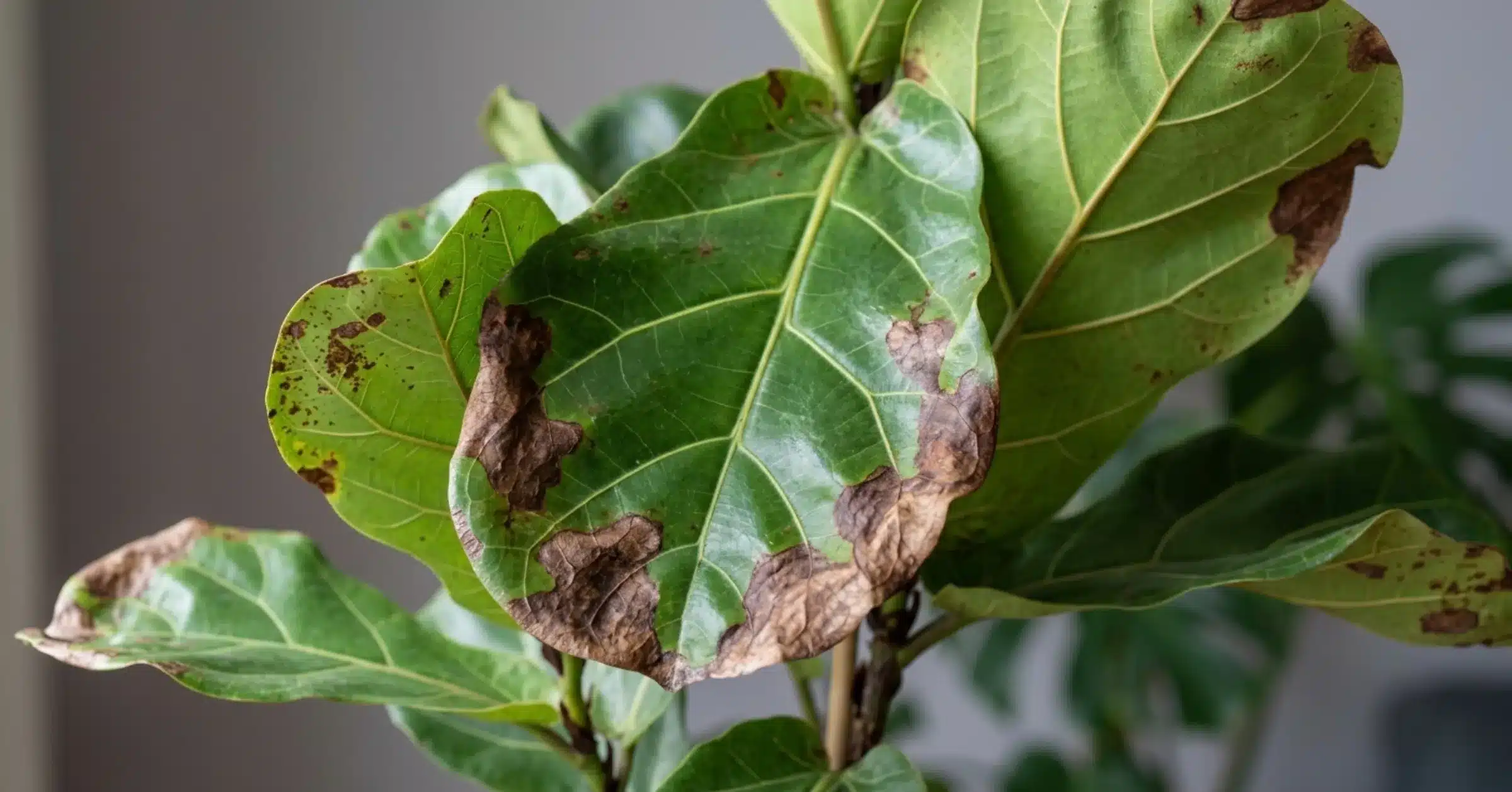
Chlorosis (yellowing) often indicates nutrient lockout, pH imbalance, or root problems. Leaves dropping rapidly suggest environmental stress or pest damage. Both warrant immediate investigation by someone who knows what to look for.
Tiny flying insects around soil, sticky residue on leaves, or webbing between stems all indicate pest problems. Early intervention prevents these issues from spreading throughout your office.
Plants that stop growing or wilt despite adequate water may have root rot, compacted soil, or insufficient light. These problems require diagnosis and treatment rather than simply adding more water.
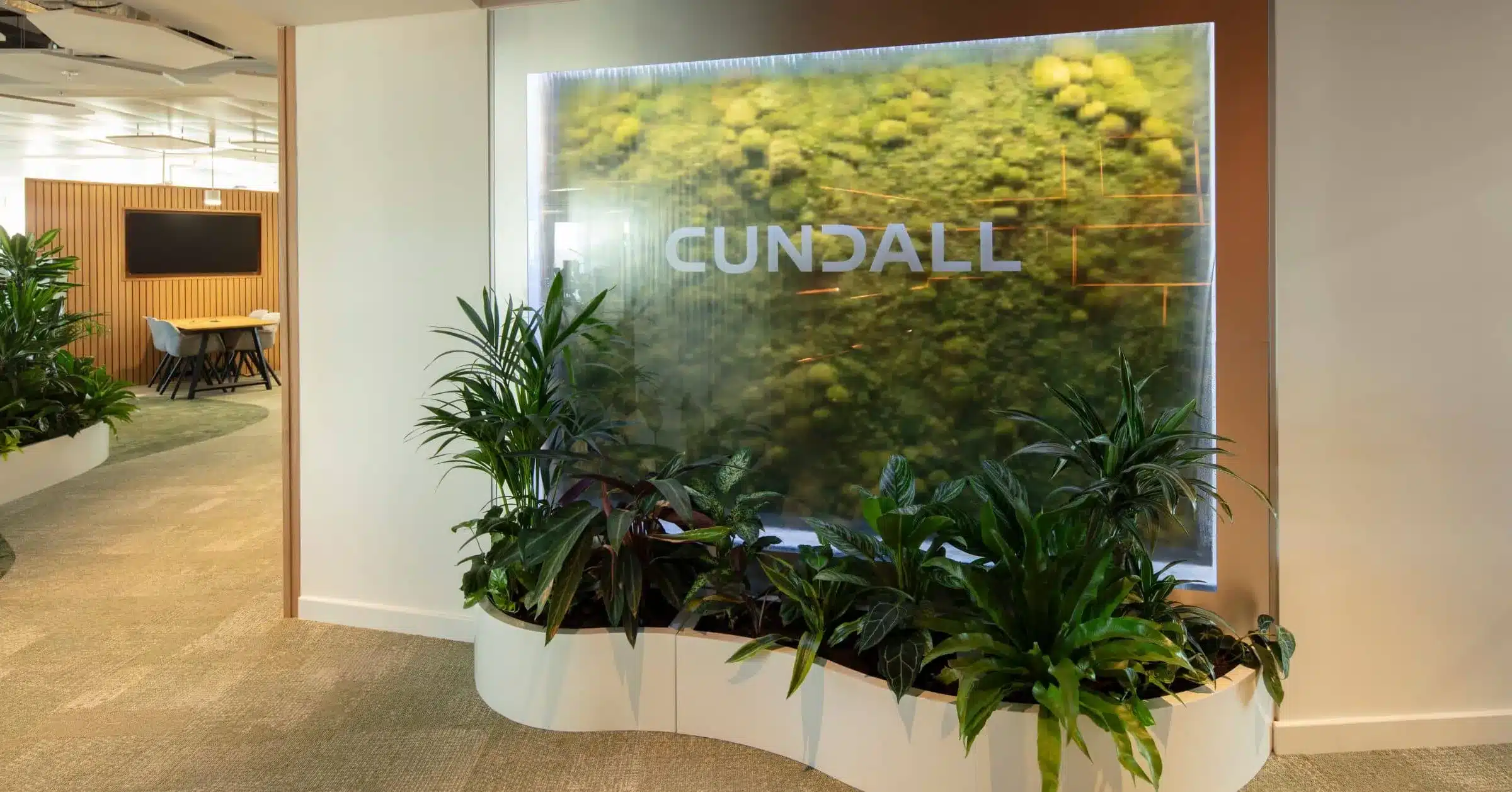
Investing in professional plant care delivers returns beyond aesthetics. Healthy corporate plant displays influence how employees and visitors perceive your organisation.
Research published in the Journal of Environmental Psychology has repeatedly demonstrated that exposure to natural elements in the workplace reduces physiological stress. Lower stress correlates with reduced absenteeism and improved focus.
Vibrant, thriving plants signal attention to detail and care for the working environment. Dying specimens communicate the opposite. Your reception area and meeting rooms create lasting impressions that influence business relationships.
Plants actively contribute to cleaner indoor air by converting CO2 into oxygen and absorbing volatile organic compounds. However, this biological function only works when plants are healthy. Dust-covered, struggling specimens provide no air quality benefits.
Benholm Group takes a proactive approach to commercial plant care. Rather than waiting for problems to become visible, our technicians anticipate issues based on environmental conditions and seasonal changes.
A dedicated technician visits your premises regularly, learning the specific micro-climates and challenges of your building. They clean, feed, prune, and water plants according to each specimen’s requirements. When plants show signs of decline, replacements arrive without you needing to request them.
With over 30 years of experience and accreditations including ISO9001, ISO14001, and ISO45001, Benholm Group operates across Scotland and the wider UK. Their family-owned approach treats each client as a long-term partner rather than just another account.
Facilities managers have several pathways to bring greenery into their workspaces. Each approach has implications for upfront costs, ongoing expenses, and maintenance responsibilities.
Rental spreads costs over the contract term, typically three years. This removes the need for significant capital outlay and includes full maintenance service. Plants that fail get replaced as part of the agreement. This option provides flexibility to update specifications if your space changes.
Buying plants outright makes them your assets while professional technicians handle ongoing care. Maintenance contracts typically span to three years. This approach suits organisations that prefer ownership but lack internal expertise for consistent care.
Purchasing plants without professional maintenance offers the lowest ongoing costs but requires dedicated internal resources. Success depends on having staff with time and knowledge for consistent, correct care. This approach works best for small installations with hardy species.
Not all plant service providers offer the same level of care. These questions help you evaluate potential partners and identify the level of service you can expect.
Plants are living things that can decline rapidly. Ask how quickly the provider responds to urgent issues between scheduled visits. Can you reach someone by phone, or will you wait days for an email response?
Some providers charge for every replacement. Others, like Benholm Group, include free replacement of any dead, ailing, or overgrown plants. Understanding this upfront prevents unexpected costs and ensures you won’t stare at dying plants while awaiting approval.
Different zones within your building have different environmental conditions. Ask how the provider accounts for these variations. A single standardised approach won’t deliver optimal results across diverse micro-climates.
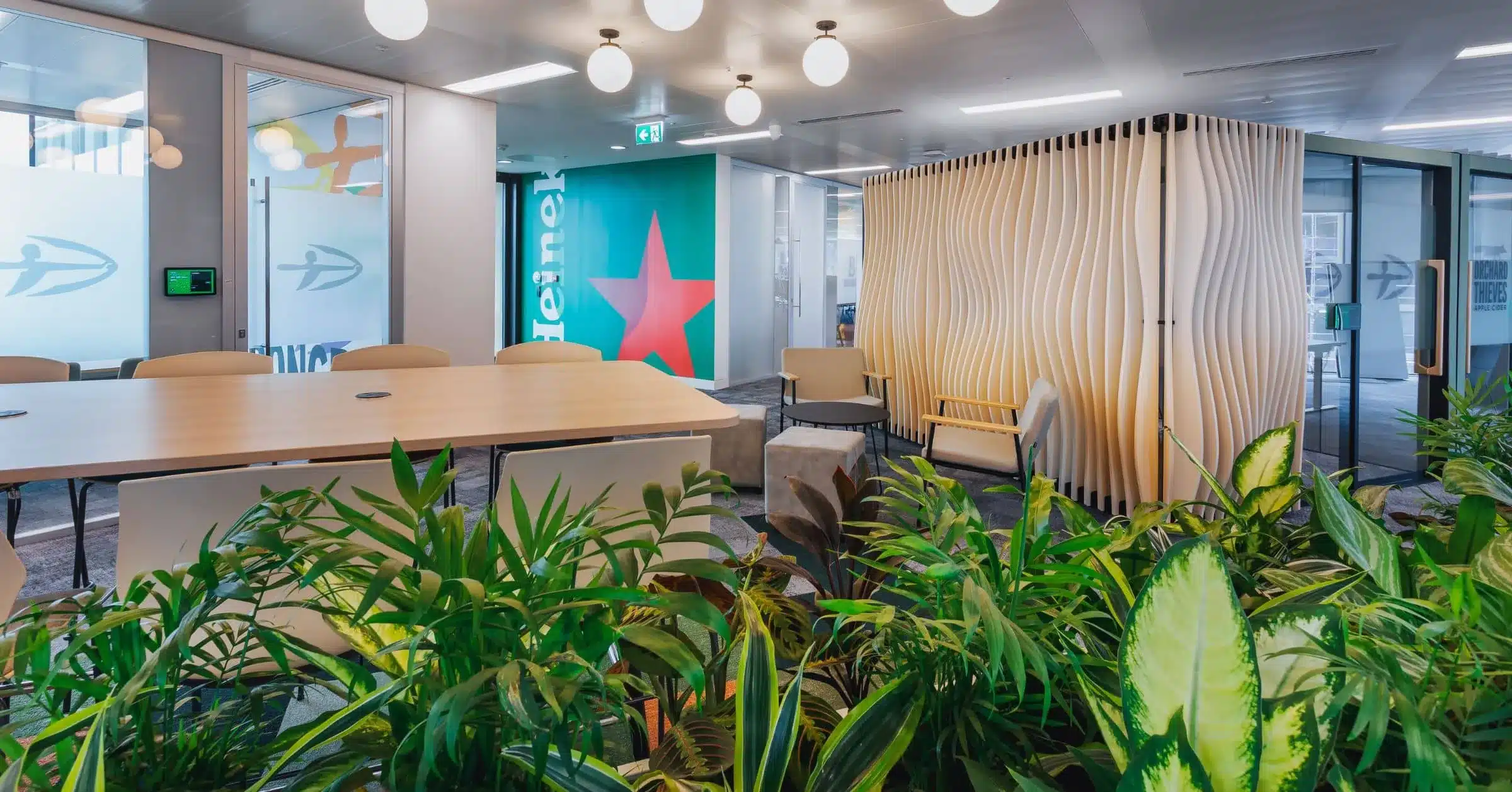
Beyond selecting the right service provider, facilities managers can take several steps to support healthy plant life in their buildings.
Alert your plant care provider before renovations, furniture moves, or HVAC adjustments. This allows them to relocate plants or prepare for changed conditions. Last-minute moves often stress plants unnecessarily.
Aerosolised cleaning chemicals settle on leaves and can cause burns or contaminate soil. Keep plants away from areas where cleaning products are frequently used or stored.
Light levels in your building change with the seasons. A spot that receives adequate light in summer may become too dark in winter. Professional providers adjust for these changes, but you can help by noting areas where plants seem to decline seasonally.
Not every location suits living plants. High-traffic areas, spaces without natural light, or zones where maintenance access is difficult may benefit from high-quality artificial alternatives.
Modern artificial plants achieve remarkable realism. They require no watering, tolerate any lighting condition, and never attract pests. Benholm Group offers artificial plant solutions for areas where live specimens would struggle.
Many successful installations combine live and artificial elements. Reception areas with good light feature living plants while interior corridors use artificial greenery. This hybrid approach delivers consistent aesthetics throughout your building.
Living walls create dramatic visual impact and maximise greenery in spaces with limited floor area. These installations require specialised irrigation systems and regular professional maintenance.
When properly maintained, living walls deliver significant biophilic benefits. They also help absorb sound, reducing noise levels in open-plan offices. However, they represent a larger commitment than traditional potted plants and need providers experienced in their unique requirements.
For maintenance-free alternatives, preserved Nordik moss creates stunning focal points that require no water or care. These can be incorporated into office furniture, branded displays, or standalone features.
Office plant maintenance problems typically stem from environmental factors, inconsistent care, or mismatched species selections. Addressing these root causes prevents the cycle of plant decline and replacement that frustrates so many facilities managers.
Professional maintenance services like Benholm’s take the burden off your shoulders. Their technicians anticipate problems, provide proactive care, and replace struggling plants before they become eyesores. This allows you to enjoy the wellbeing and aesthetic benefits of office greenery without the headaches of managing it yourself.
Whether you’re looking to revive an existing installation or create something new, expert guidance makes the difference between plants that merely survive and plants that truly thrive.
Overwatering is actually the most common cause of indoor plant death. Different species need different moisture levels, and environmental factors like HVAC airflow accelerate soil drying unevenly. Benholm Group’s technicians probe soil moisture before watering to deliver exactly what each plant needs.
Most live plant installations benefit from visits every four weeks. Modern watering reservoir systems keep plants healthy between visits. Benholm Group adjusts visit frequency based on your specific plant types and environmental conditions.
Isolate affected plants from others if possible and contact your plant care provider immediately. Early intervention prevents spread to neighbouring specimens. Benholm Group uses integrated pest management approaches that are safe for office environments.
Professional maintenance typically costs less than repeatedly replacing failed plants. Benholm Group replaces dead, ailing, or overgrown plants at no extra cost, protecting your investment. The time savings for facilities staff add further value.
Species selection depends on light levels, HVAC layout, and maintenance capacity. Benholm Group assesses your specific conditions during their design process and recommends species suited to your building.