Regularly taking breaks is an important part of a productive working day.
But how you spend those breaks can make all the difference.
When we need a moment away from our work, many of us instinctively reach for our phones, check our personal emails, or scroll through the latest headlines. While these activities may feel like a mental reset, they often replace one source of stimulation with another.
What if a better option was simply looking at plants?
Researchers at the University of Melbourne explored this question through a study on “green micro-breaks” and discovered that even a brief 40-second view of greenery could help restore attention and support better focus.
The role of nature is often overlooked when discussing workplace breaks.
Drawing on theories of attention restoration and cognitive resource recovery, researchers examined whether brief breaks spent viewing nature could help replenish mental resources and improve both mood and performance.
The premise is simple. Focused work requires sustained mental effort. As the day progresses, our ability to concentrate gradually declines, making it harder to stay attentive, ignore distractions, and maintain consistent performance.
Natural environments appear to offer a solution.
Decades of research have linked exposure to vegetation, water, natural light, and wildlife with a range of psychological benefits. Evidence also suggests that viewing nature can help restore attention, allowing the brain to recover from periods of sustained concentration.
Researchers set out to test whether a very short visual break could make a measurable difference to attention.
The study involved 150 participants completing a Sustained Attention to Response Task (SART), a computer-based exercise designed to measure concentration. Participants watched numbers appear on a screen and had to respond quickly, except when the number “3” appeared.
While the task itself was relatively simple, maintaining focus over time proved mentally demanding.
Once participants became mentally fatigued, they were given a 40-second micro-break. During this break, they viewed one of two city rooftop scenes:
Afterwards, participants repeated the attention task and researchers compared the results.
The results were striking.
Participants who viewed the green roof maintained their attention more effectively than those who viewed the concrete roof. They made fewer errors, demonstrated better attention control, and showed more consistent levels of alertness throughout the task.
Researchers found that participants exposed to the green roof experienced fewer short-term attention lapses and were better able to sustain focus over time. The green micro-break also contributed to lower mental effort and reduced feelings of tension.
Perhaps most importantly, these benefits were achieved after only 40 seconds of visual exposure to greenery.
Previous research has often required participants to spend minutes or even hours in natural environments before improvements were observed. This study demonstrated measurable attention benefits from a remarkably brief interaction with nature.
Most employees do not spend their working day overlooking parks, forests, or green roofs.
Instead, many desks face computer screens, internal walls, neighbouring buildings, or busy office environments. Opportunities for restorative views of nature can therefore be limited.
This is where interior planting becomes particularly valuable.
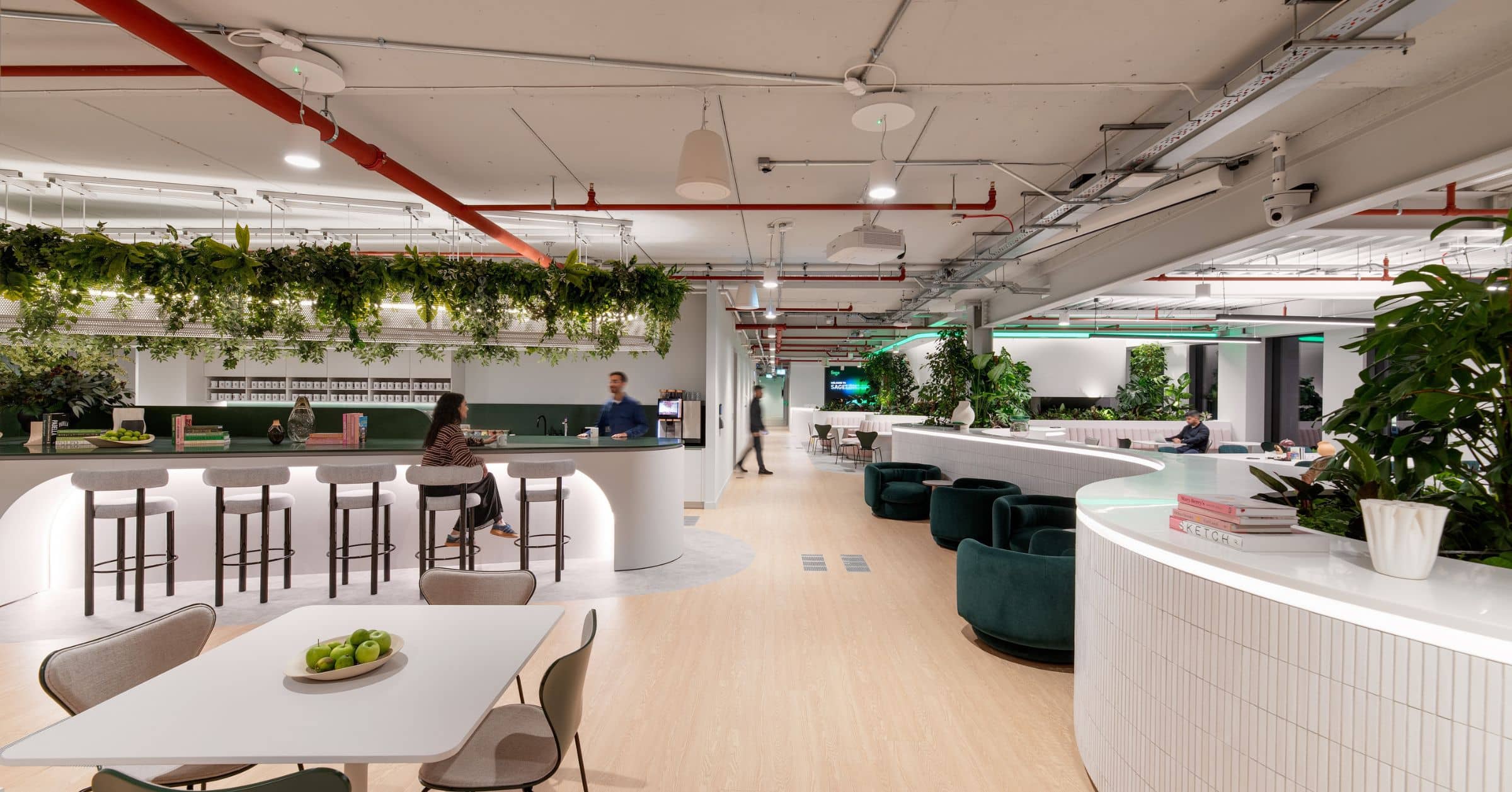
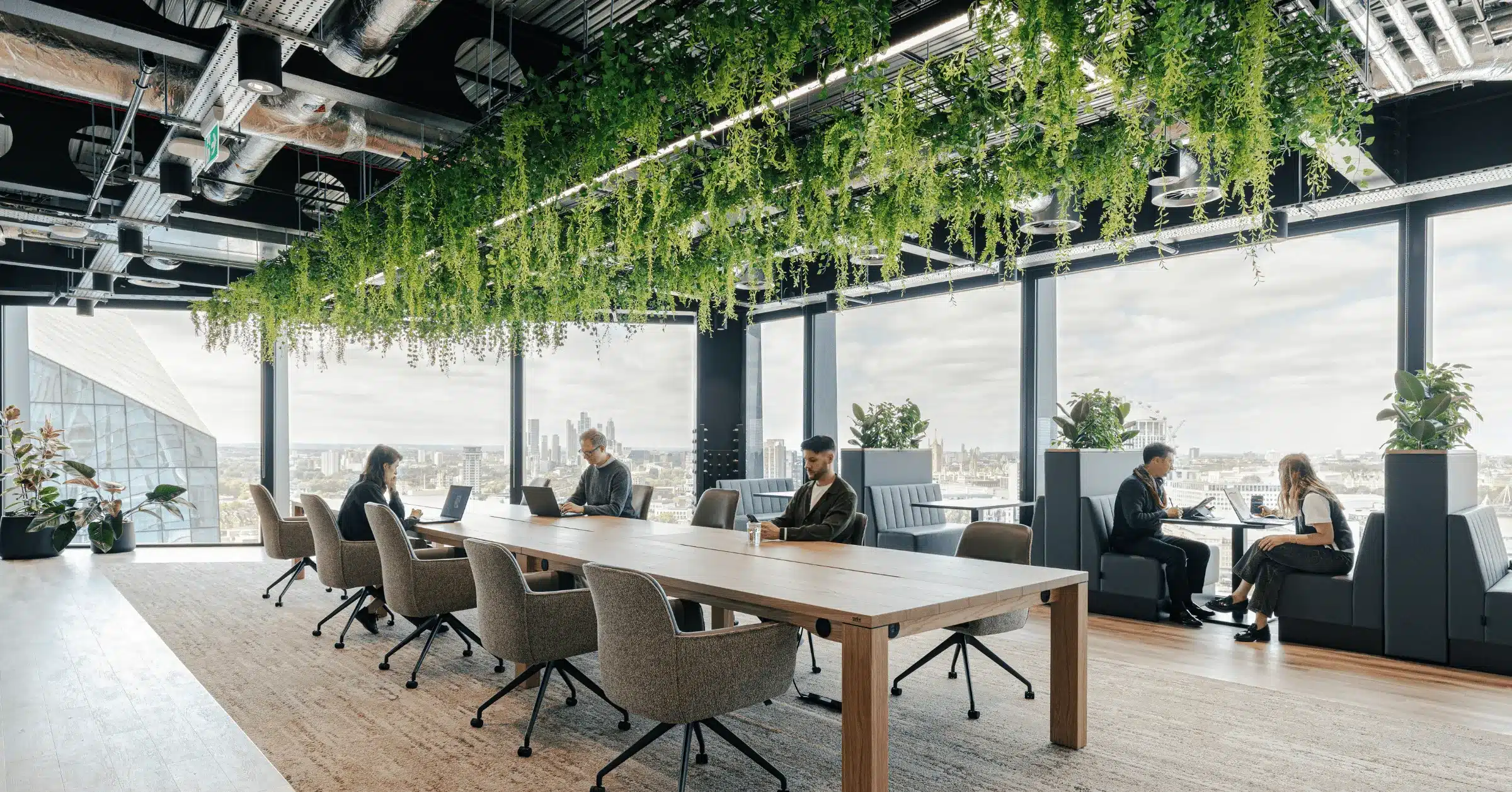
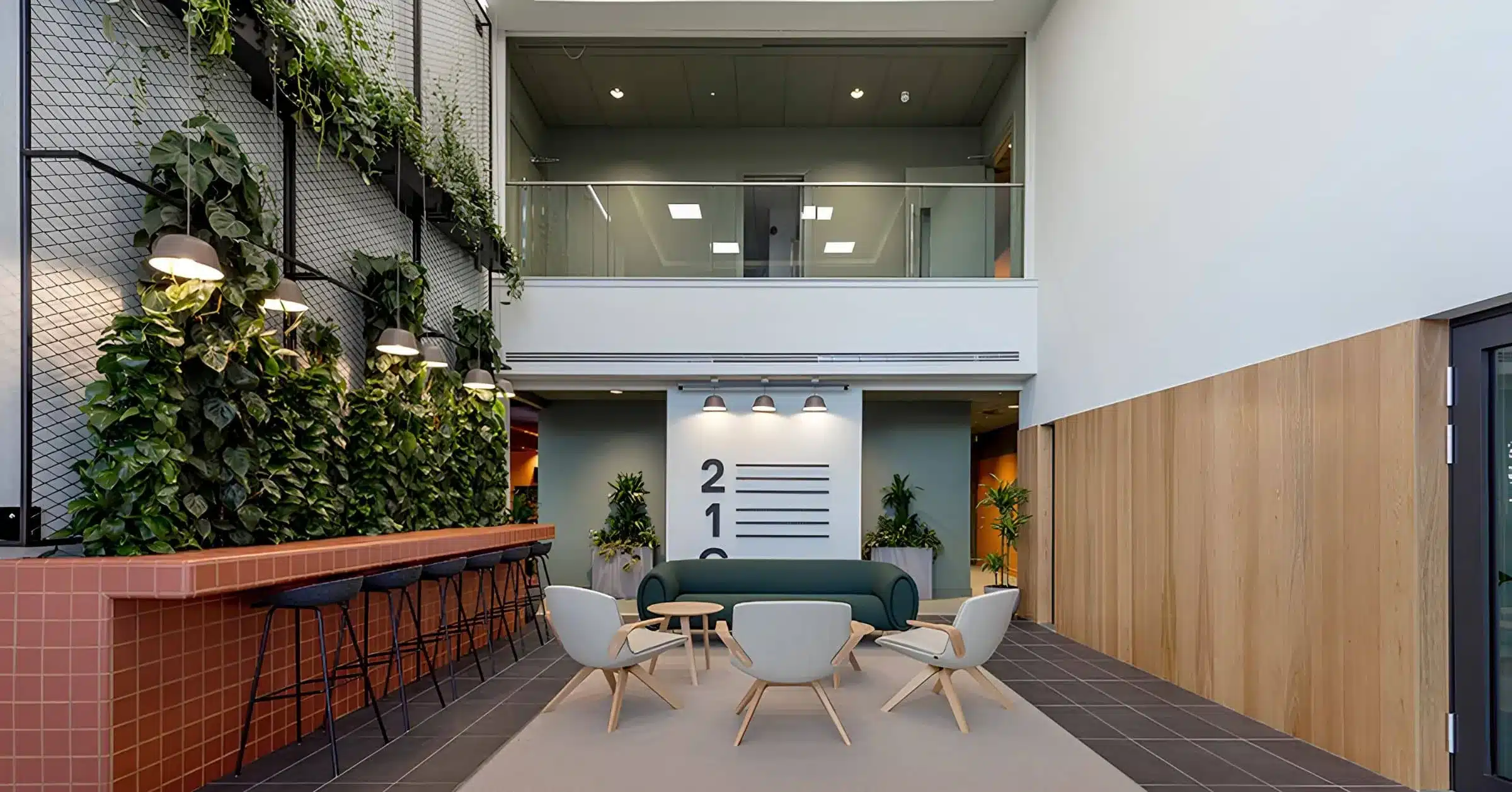
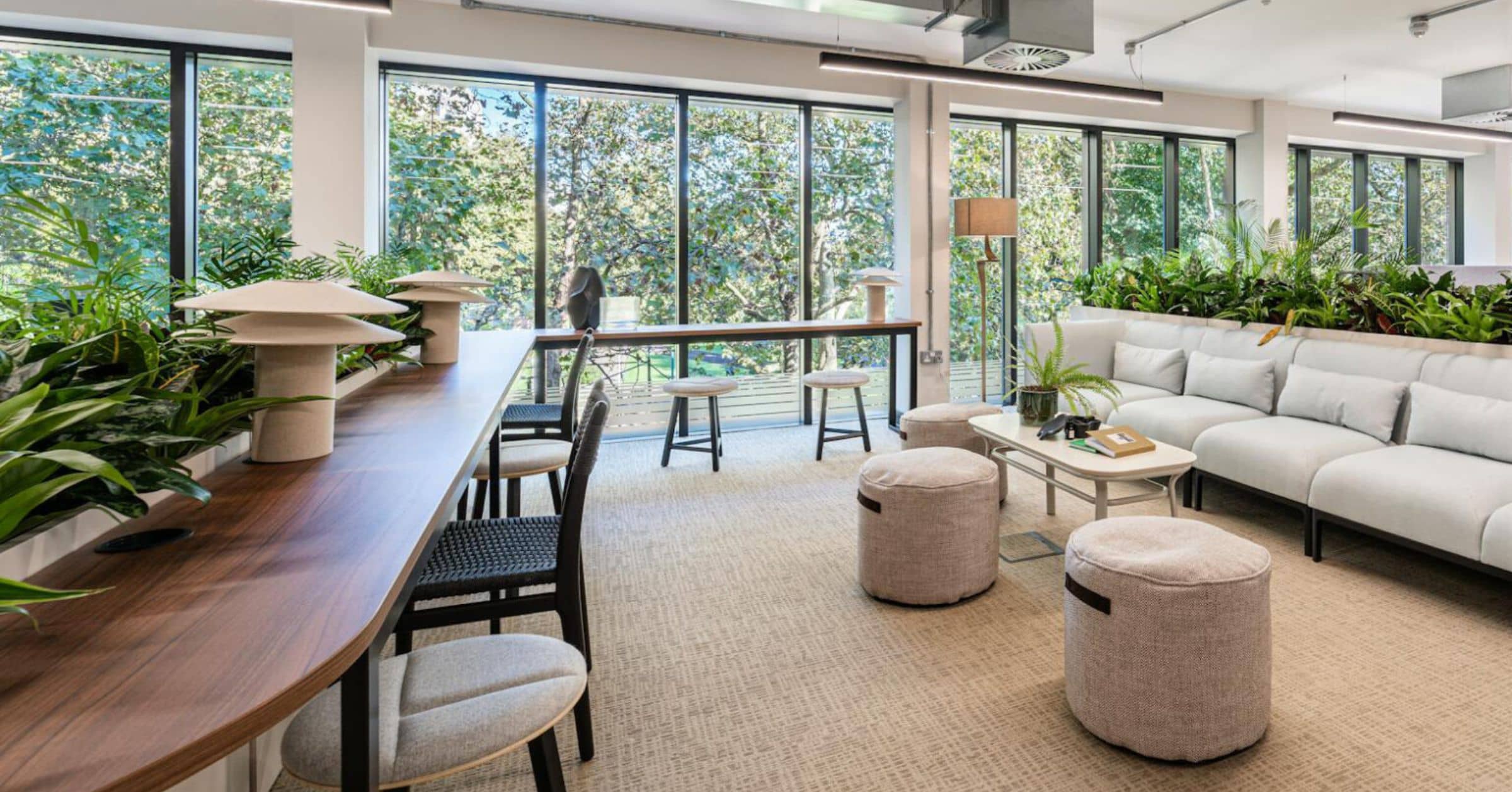
While the Melbourne study focused on an outdoor green roof, the broader principle is highly relevant to workplace design. If a brief glimpse of greenery can help restore attention, creating opportunities for employees to encounter plants throughout the day may offer similar restorative benefits.
Strategically positioned planting can provide moments of visual relief during natural pauses in work. Looking up from a screen, walking between meetings, or taking a brief pause to think all become opportunities to engage with a greener environment.
From a business perspective, these moments of restoration can have value beyond employee wellbeing. The Melbourne study found that participants who viewed greenery experienced fewer attention lapses and made fewer errors. In many workplaces, maintaining concentration and reducing mistakes can improve productivity, support quality standards and help avoid the costly consequences of errors or oversights.
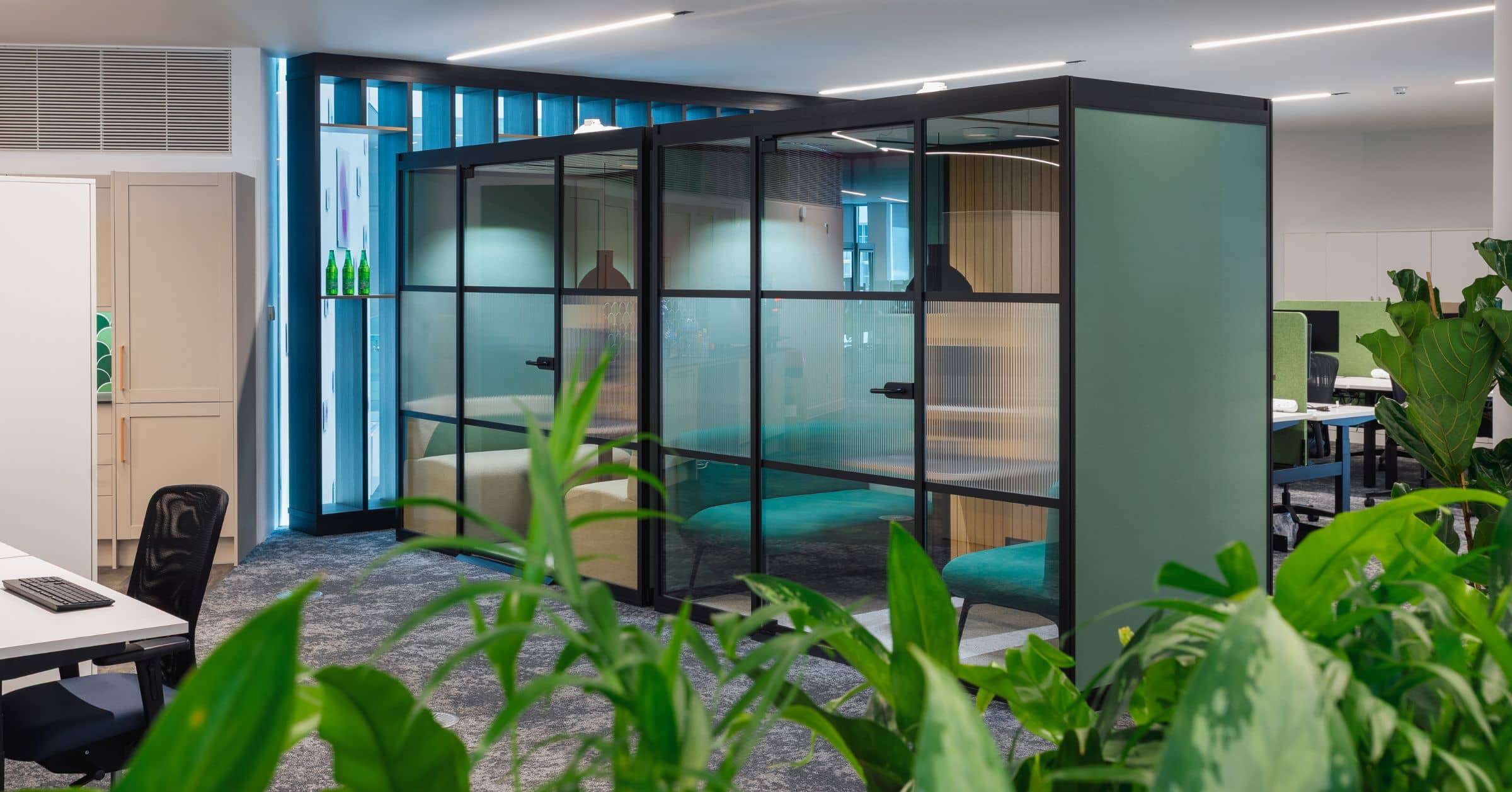
Unlike outdoor spaces, interior planting is always accessible.
A thoughtfully designed planting scheme integrates greenery directly into the employee experience, ensuring that natural elements are encountered throughout the working day rather than only during breaks.
Whether through desktop planting, floor-standing specimen plants or green walls and ceilings, workplace greenery can become part of the everyday visual landscape.
This moves planting beyond aesthetics alone. It becomes a practical design tool that supports wellbeing, reduces mental fatigue, and contributes to a healthier workplace environment.
As with any study, it is important to understand the context of the findings.
Participants viewed images of green roofs rather than real planting, and the study was conducted using students rather than office workers. While the findings are promising, they should not be interpreted as direct proof that workplace plants will automatically produce identical results in every office environment.
However, the research does provide compelling evidence that even brief visual exposure to greenery can positively influence attention and mental restoration.
The next time you find yourself reaching for your phone during a short break, consider what your eyes are resting on instead.
A quick scroll through social media may provide a distraction, but a brief view of greenery could provide something more valuable: an opportunity for your brain to recover.
The University of Melbourne’s research suggests that even a 40-second green micro-break can help restore attention and support performance. For workplace designers and employers, this reinforces the importance of creating environments where people can regularly encounter nature throughout their day.
When thoughtfully integrated into the workplace, interior planting does more than enhance appearance. It helps create spaces that support focus, wellbeing, and productivity—one green view at a time.
Looking to introduce more greenery into your workplace? Get in touch with our team to discuss how professionally designed interior planting can help create a better environment for your employees.