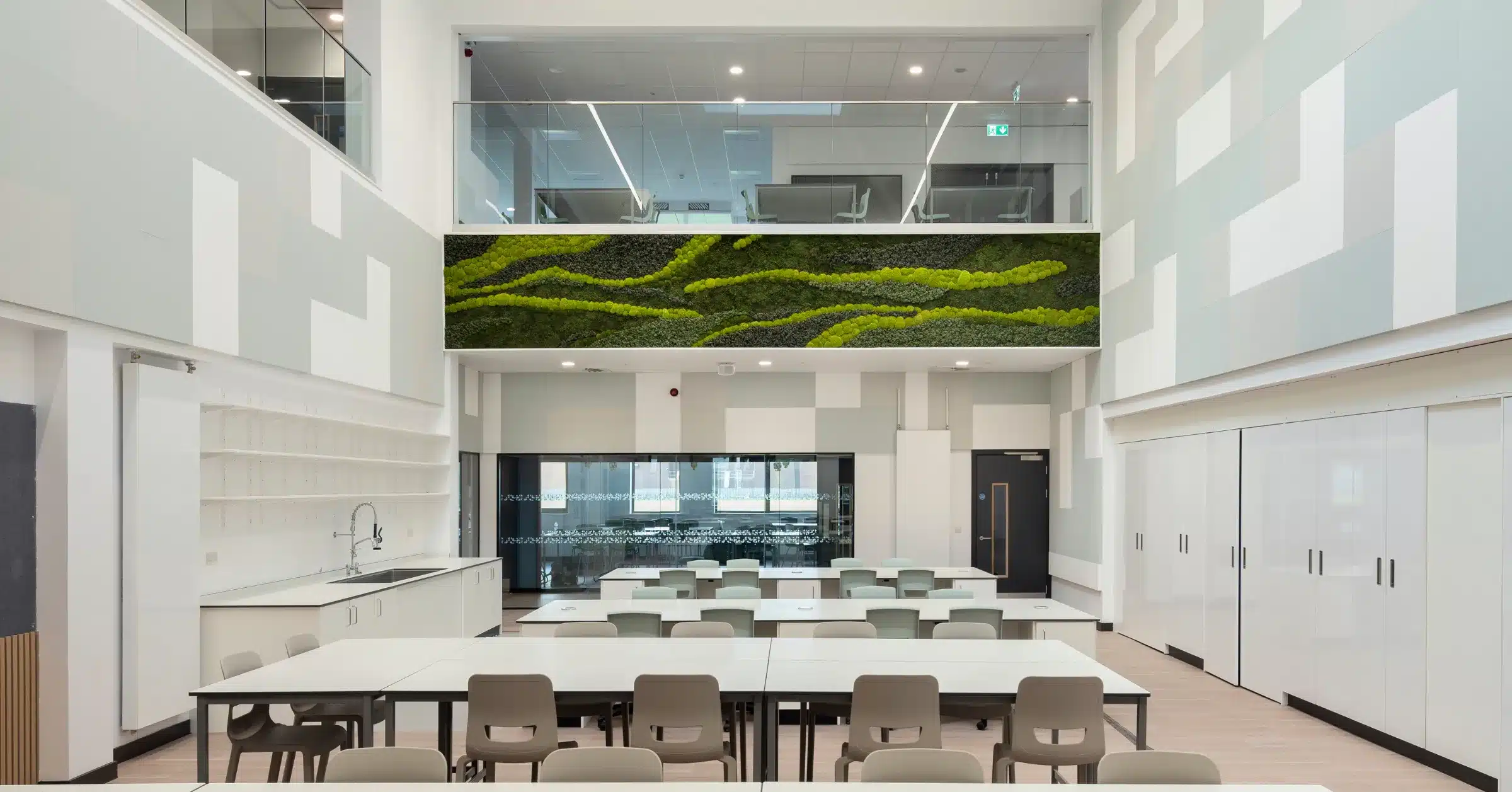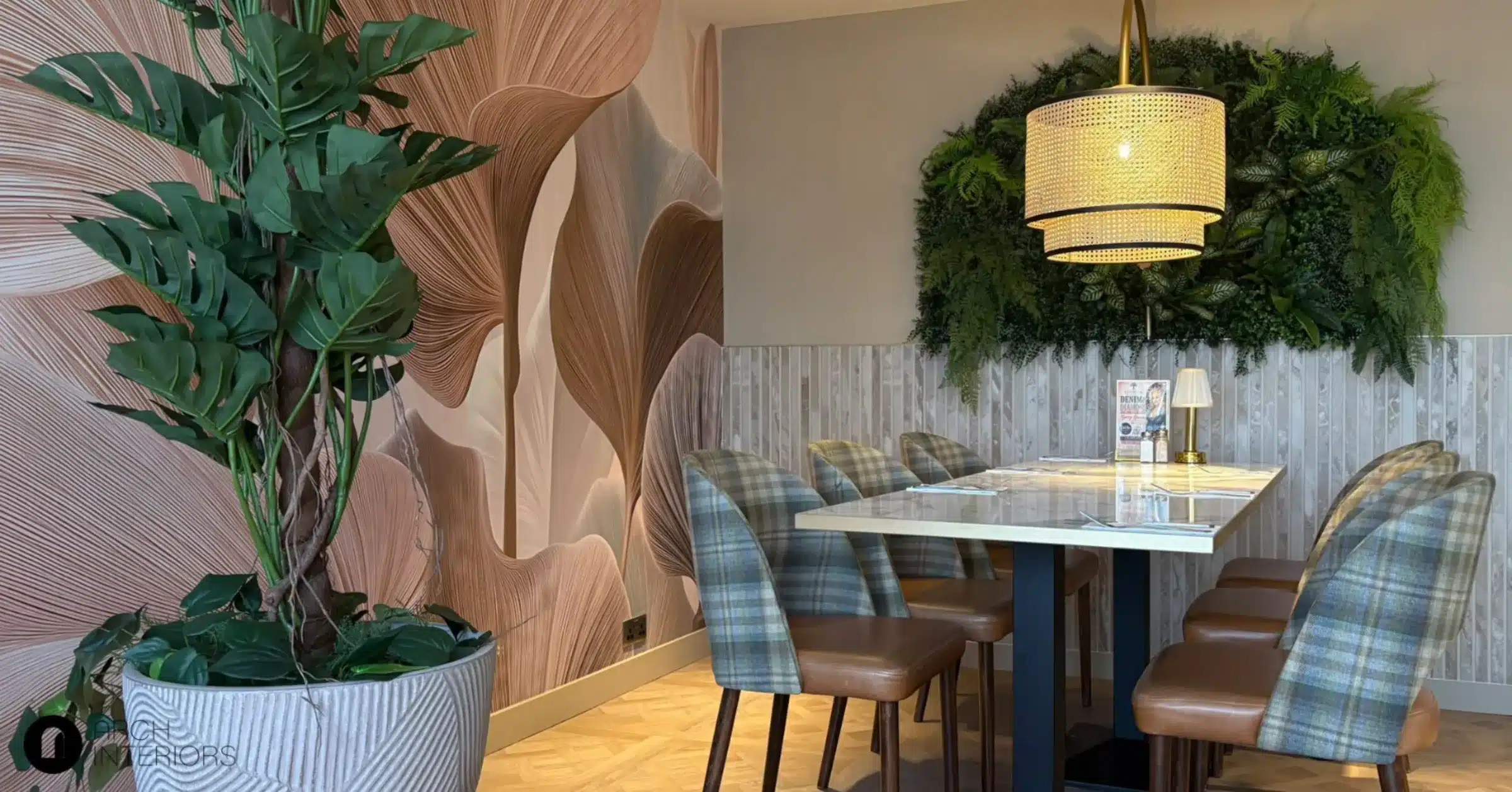
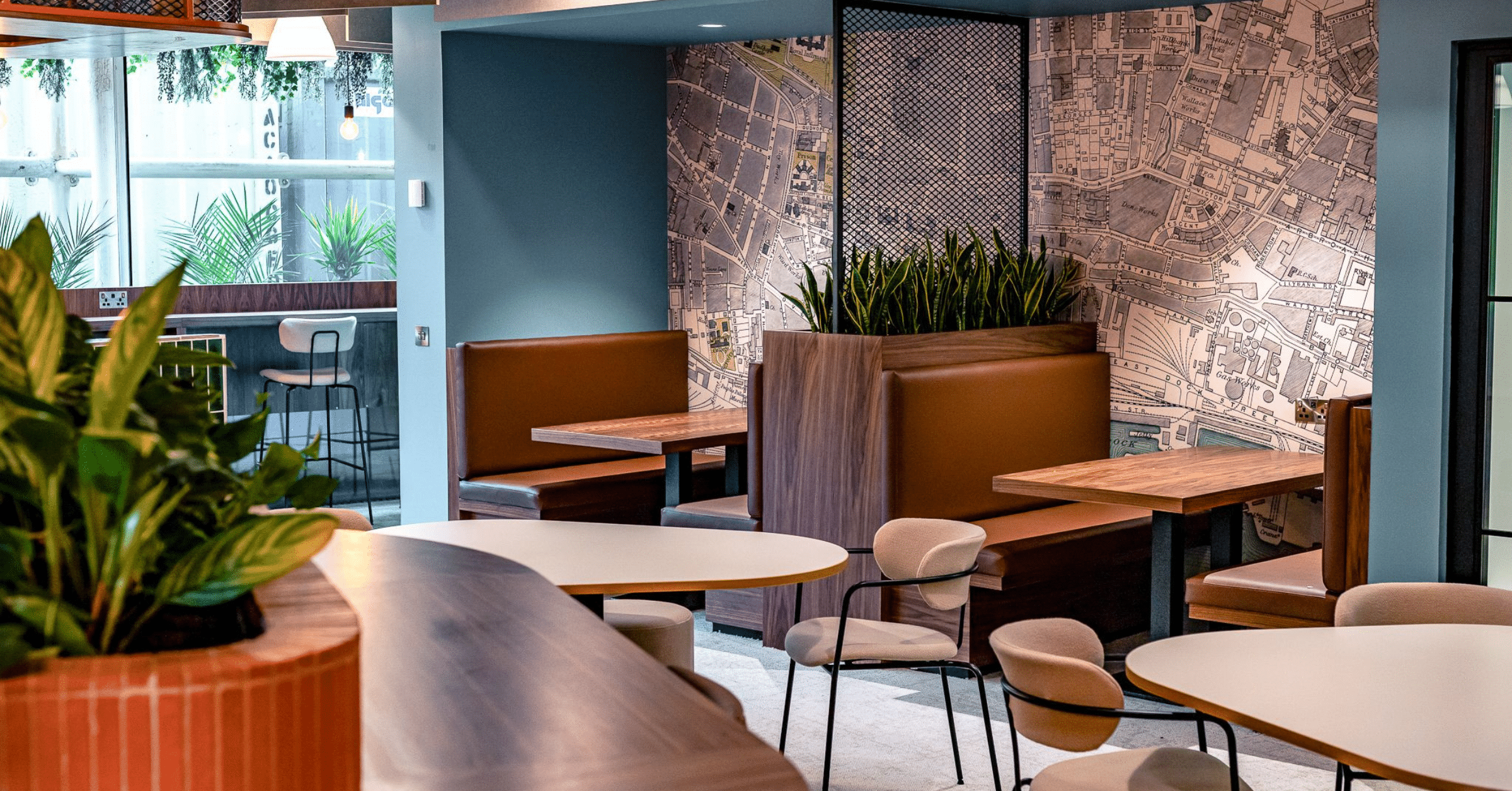
 While we often hear about creating inclusive environments, what does inclusion look like and more importantly, how does it feel?
Many of the environments we find ourselves in day-to-day, especially educational ones are not designed with the typical learner in mind. Too often, schools and universities resemble concrete jungles. They are cold, sparse, and often overstimulating for many young people. These settings can be particularly challenging for those who are neurodivergent.
Eliza Reuby, Founder of NeuroPlaces, the UK’s first conference and exhibition for neuroinclusive spaces and workplace design, believes biophilic design can help drive inclusion.
She said: “Integrating plants in public spaces and workplaces can really elevate the surroundings into something more calming and nurturing. In times of sensory overload – this is fundamental.”
There has been a growing recognition of neurodiversity – a term that embraces a range of neurological differences including Autism, ADHD, dyslexia, and more.
According to the Donaldson Trust, a charity providing support to children and adults in Scotland, 1 in 7 people (15% of the UK population) consider themselves to be neurodivergent which includes individuals with autism, ADHD and dyslexia.
Although the conversation is evolving and many people are developing an awareness of neurodiversity, society still has a long way to go in creating environments that truly support people who experience the world differently.
Sensory overload, a lack of natural elements and connection to nature, rigid design choices and intense colours can make learning, working, and even socialising extremely difficult.
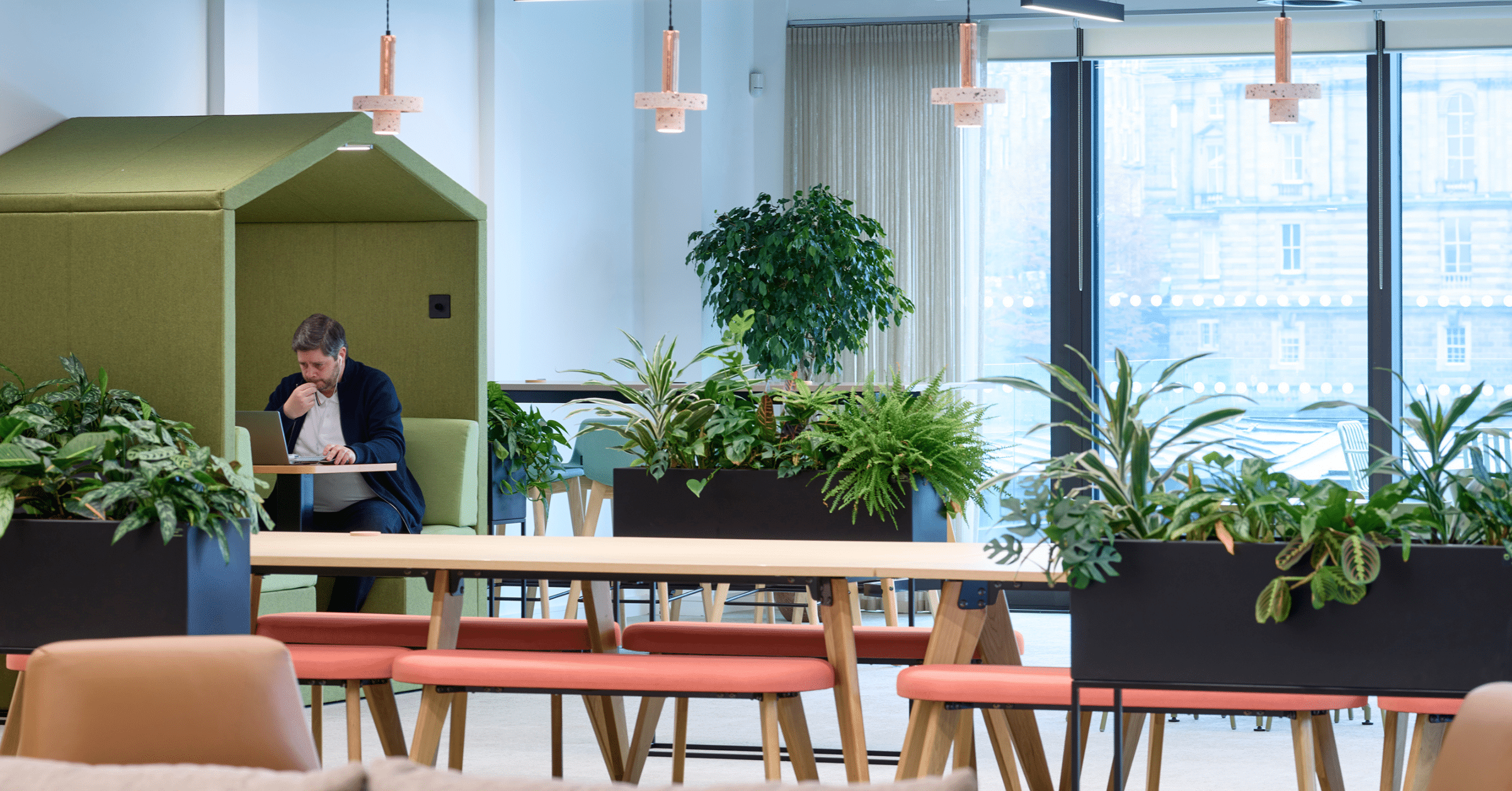
Although some people consider plants to be decorative, many plant have properties which can improve people’s quality of life. Whether its to soothe, ground or provide therapeutic calm, many studies have shown that plants can reduce stress, lower anxiety, and even improve focus and cognitive function.
In 2025, Terblanche and Khumalo, in the Journal of Architectural Research, found that students prefer to study in biophilic spaces that prompt positive emotions and make them feel rejuvenated and energised.
This highlights that schools and universities could incorporate biophilic design to lower cortisol levels, reduce sickness and provide a sense of comfort and calm. This is particularly true for neurodivergent individuals as plants can provide a key sensory break out space from overstimulating environments. By integrating biophilic solutions – light, natural textures and plants, thoughtfully into our public and private spaces, we can create environments that feel more inclusive to more people.
Some plants carry symbolic meanings that reflect the values of inclusion and equality.
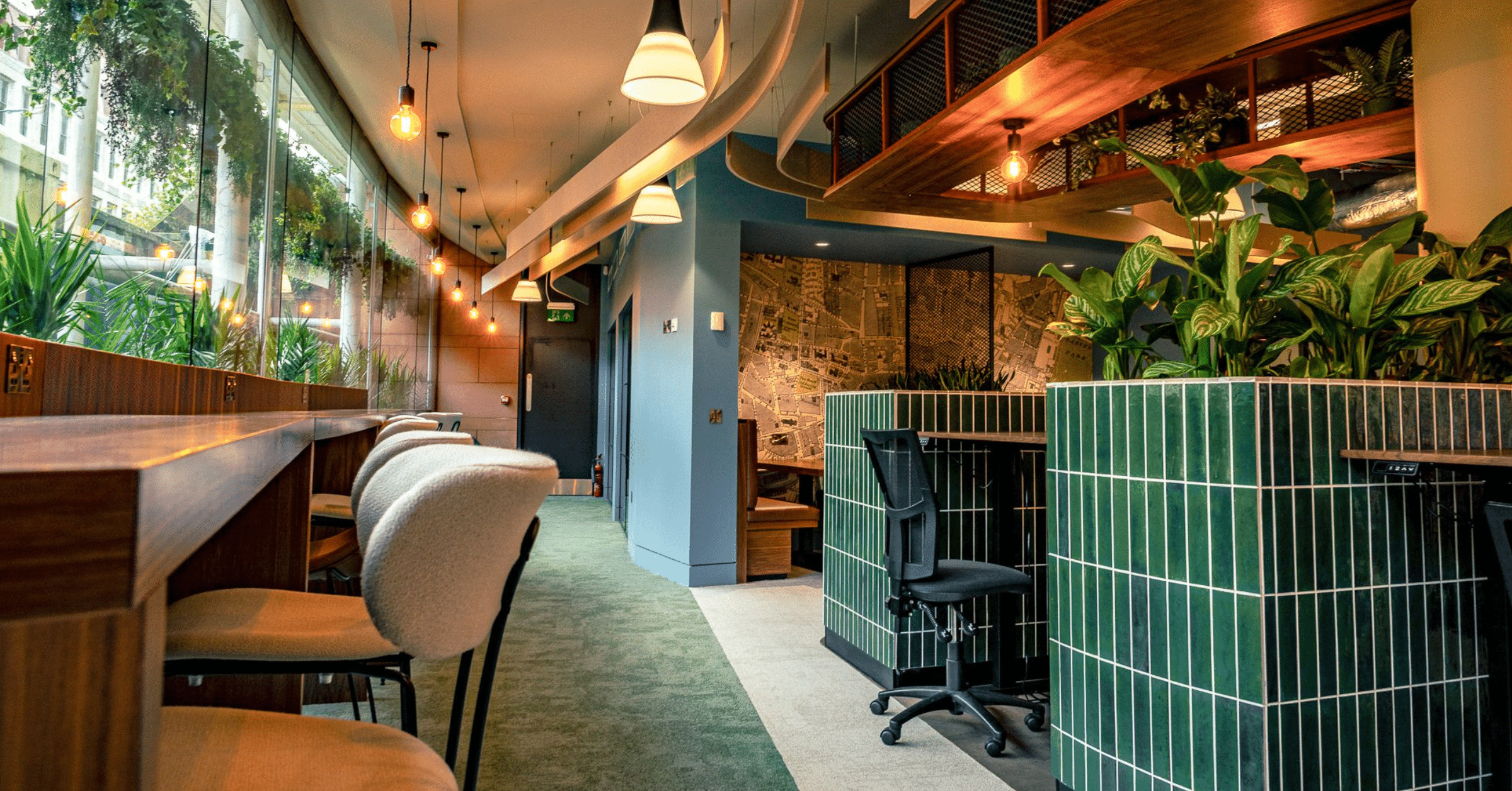
Inclusion isn’t just about policies or language.
It’s also about how a space feels to the people within it. Creating inclusive environments means designing with empathy and acknowledging that not everyone experiences the world in the same way.
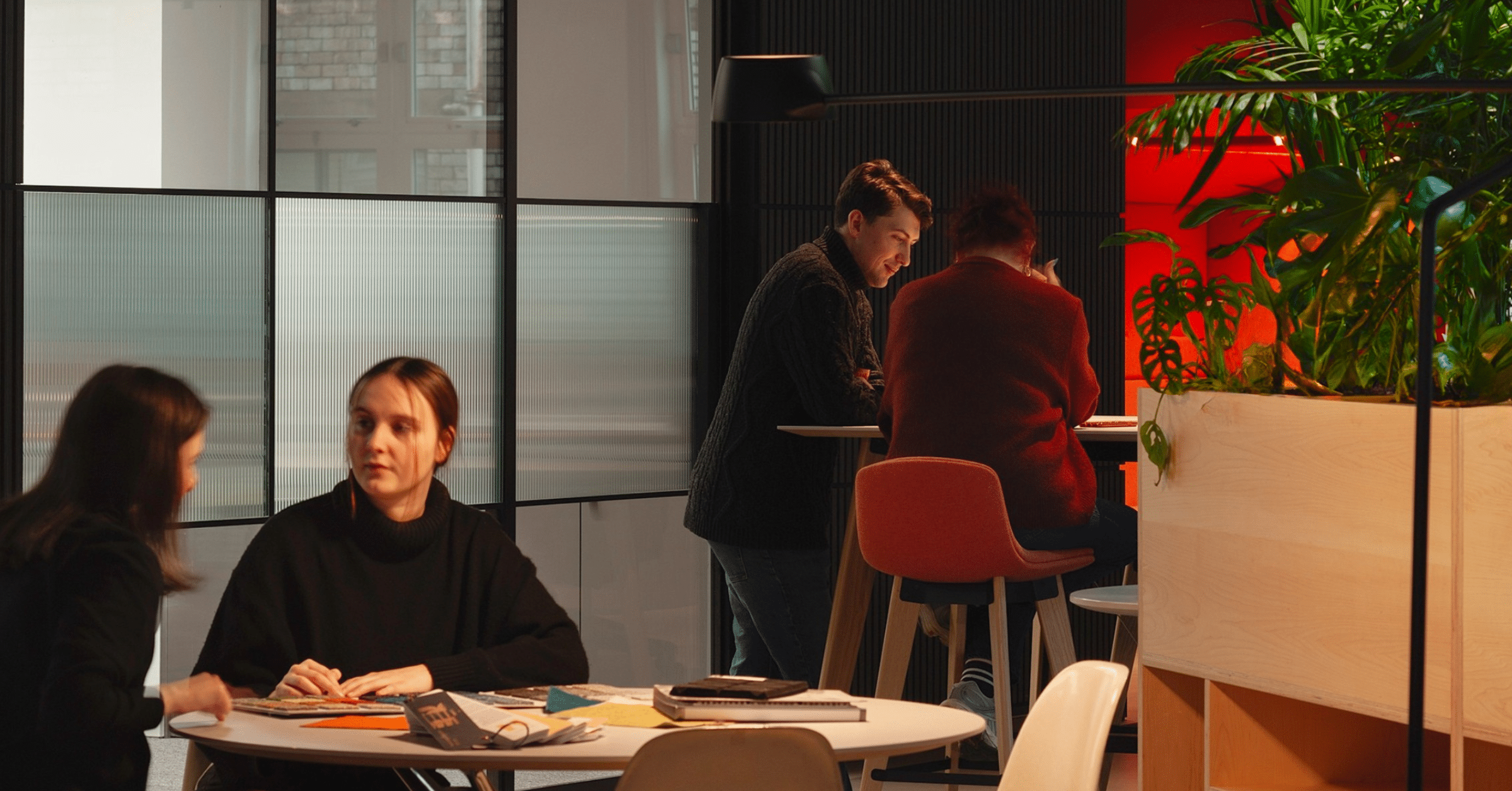
By embracing the power of plants, we can begin to reimagine our classrooms, offices, and public spaces as welcoming, calming, and inclusive places for all.
Because sometimes, inclusion begins with something as simple, and profound, as plants.