Skip to the content
Whether you are looking to design a north-facing office or a dark corridor, the question remains the same: is it possible to put plants in low light?
The short answer is yes. Many popular plants originate from shady forest floors and are naturally adapted to take lower light levels in their stride. However, successful indoor planting in these spaces requires a realistic understanding of what “low light” actually means and how to select the right species to ensure long-term stability.
One of the most common misunderstandings is the belief that “low light” equates to “no light”. All living plants require light to photosynthesize and sustain their foliage. Without it, a plant is not thriving, it is merely dying slowly.
In many modern offices, the light we see is not always the light a plant can use. While a room might feel bright enough for us to work in, it may lack the specific energy plants need to grow.
You can gauge your light levels visually with a few simple checks:
Based on over thirty years of maintaining interior landscapes across Central Scotland, we have identified specific species that remain stable and attractive in limited light.
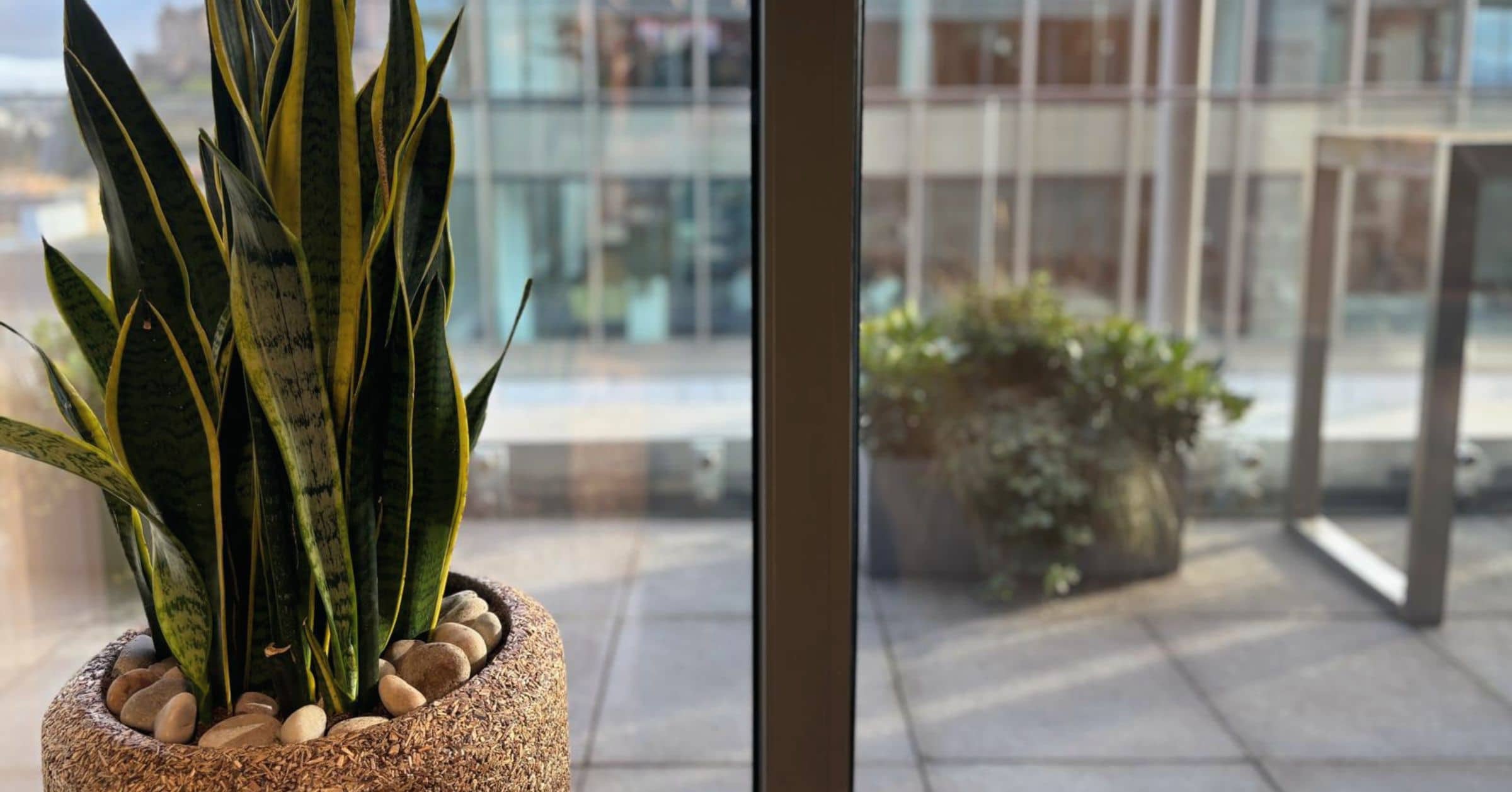
Recognised for its architectural, upright leaves, this plant is exceptionally durable. It stores water in its foliage and can handle very dim conditions and irregular watering schedules.
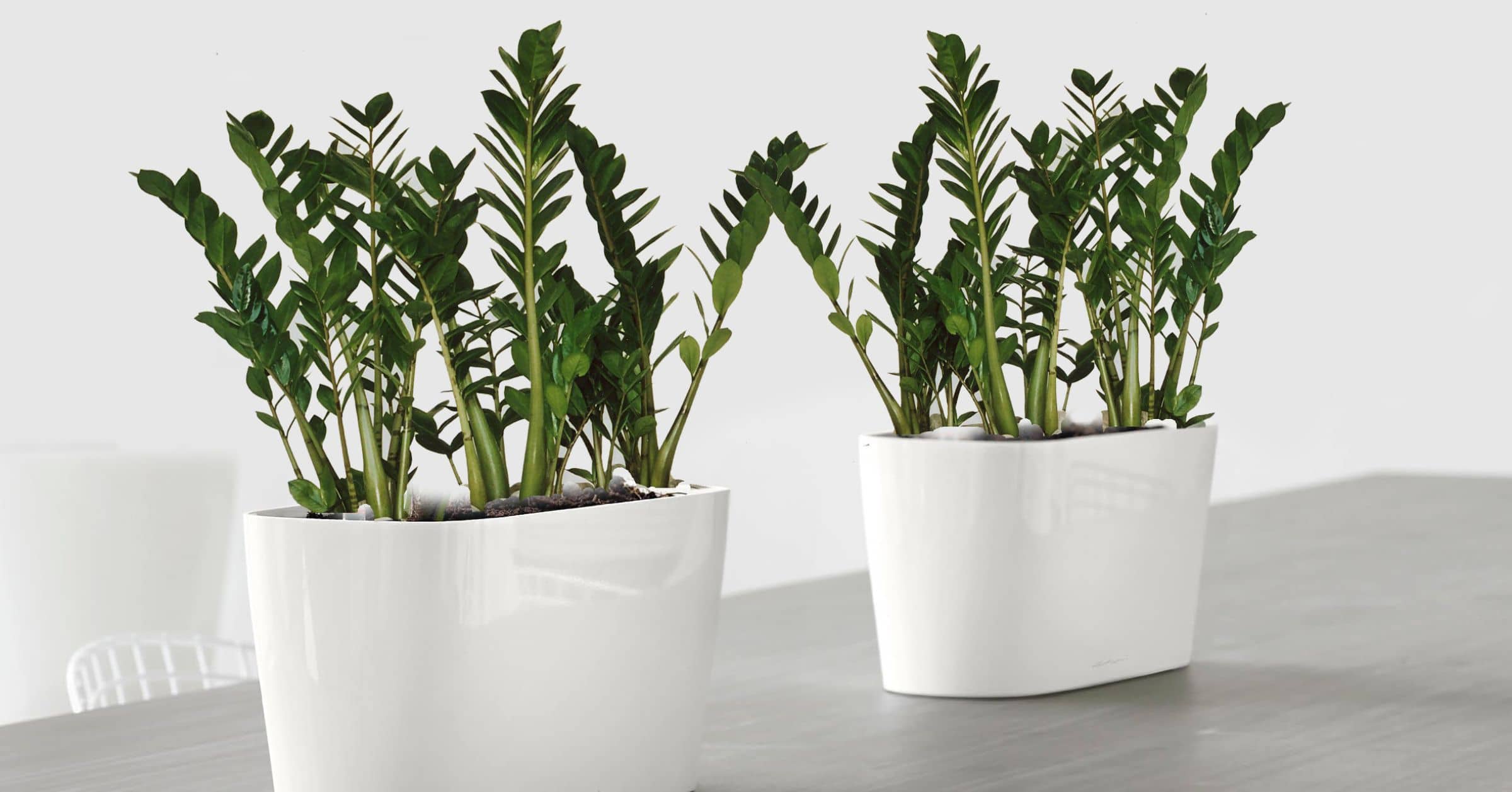
This plant features glossy leaves and grows from thick rhizomes that store moisture. It is highly resilient in spaces with inconsistent lighting or care routines.
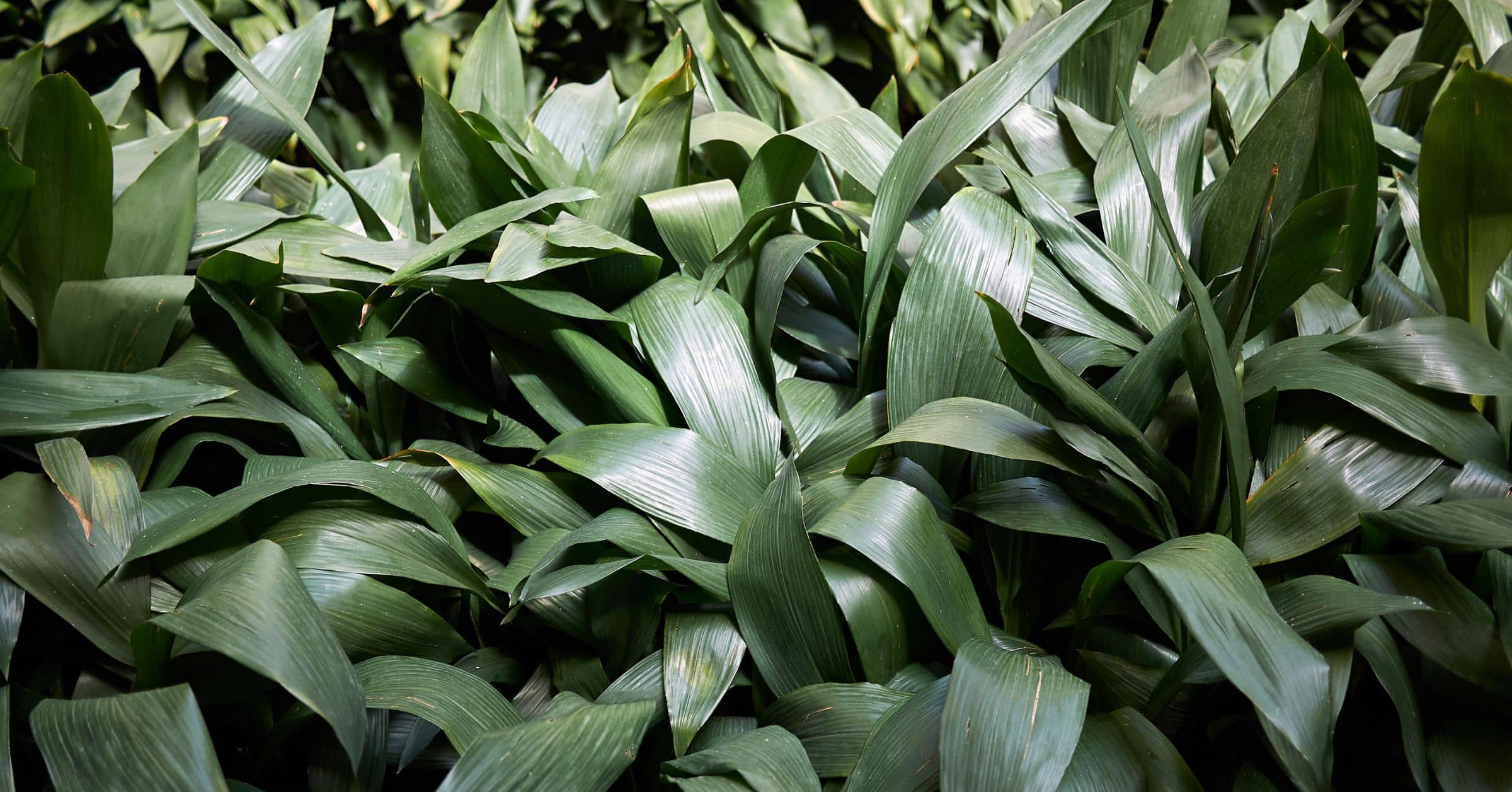
A Victorian staple, this plant earned its name by surviving the dark, polluted environments of the 19th century. It remains one of the most shade-tolerant options for beginners.
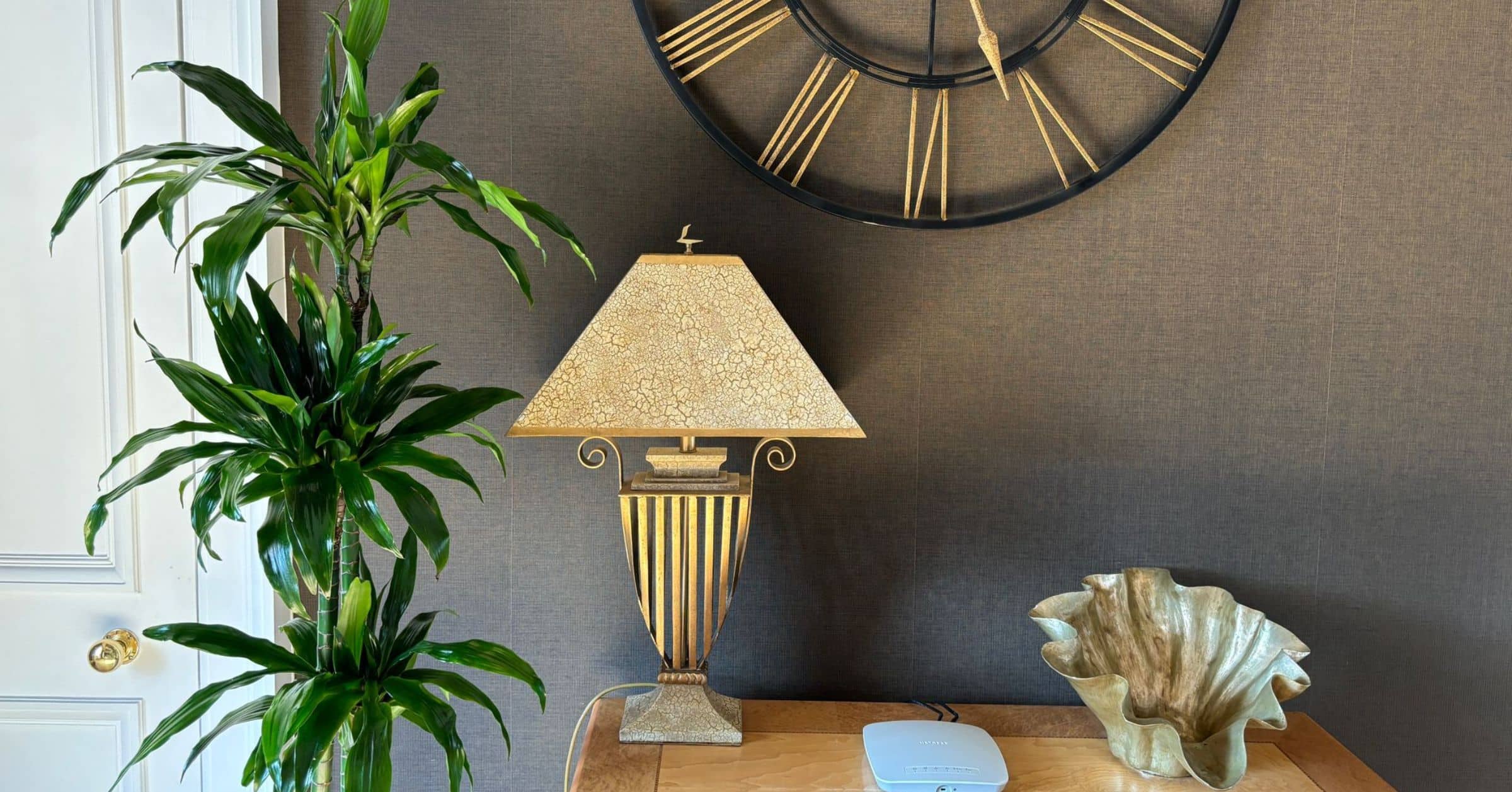
Species such as the Dracaena Janet Craig and Fragrans (Corn Plant) are excellent for adding height. They are dependable in low light, though some varieties like Dracaena marginata prefer more moderate brightness.
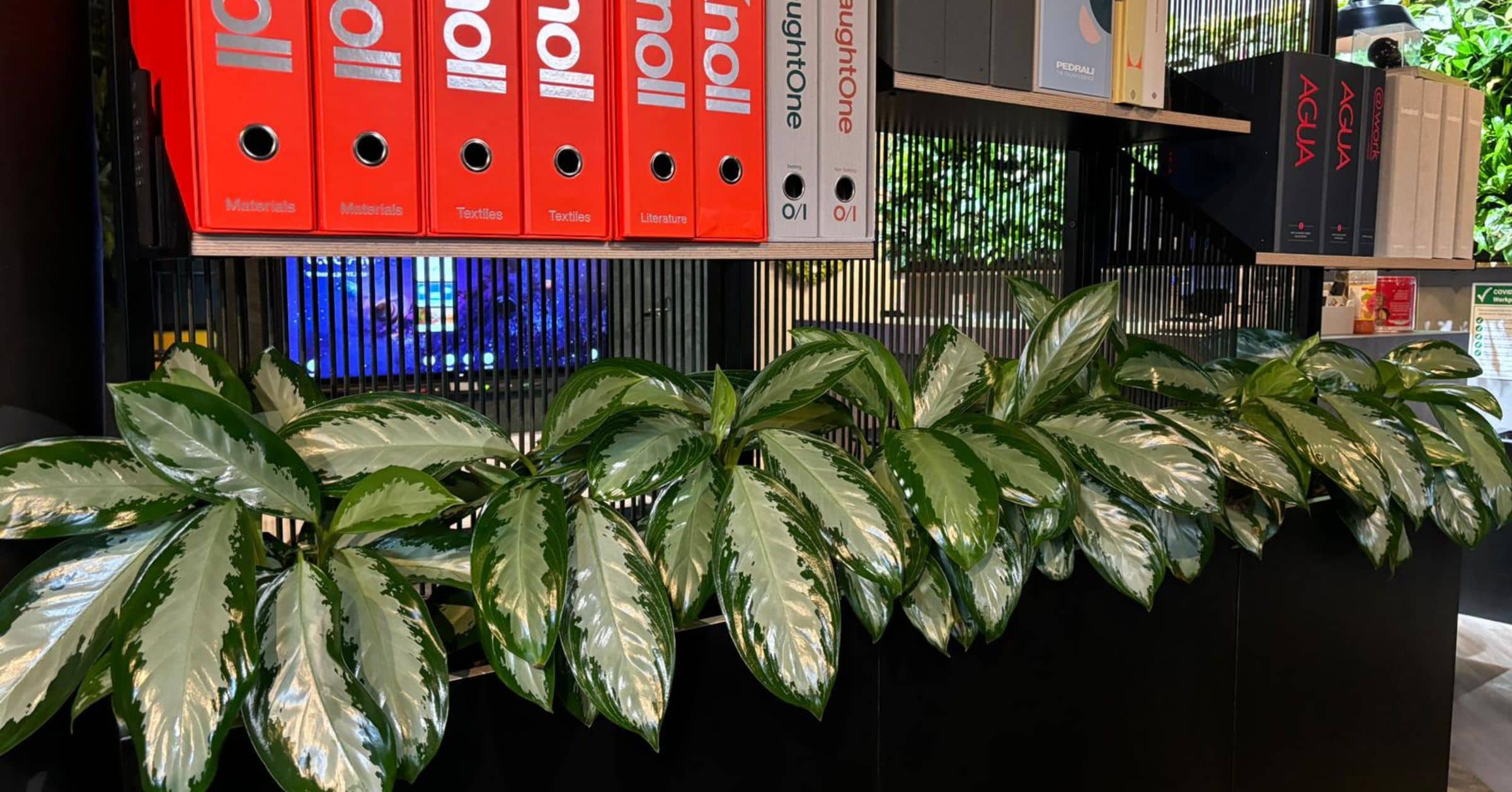
These offer lush, patterned foliage that survive well in dim rooms. For the best results in low light, darker green varieties are recommended over highly variegated ones.
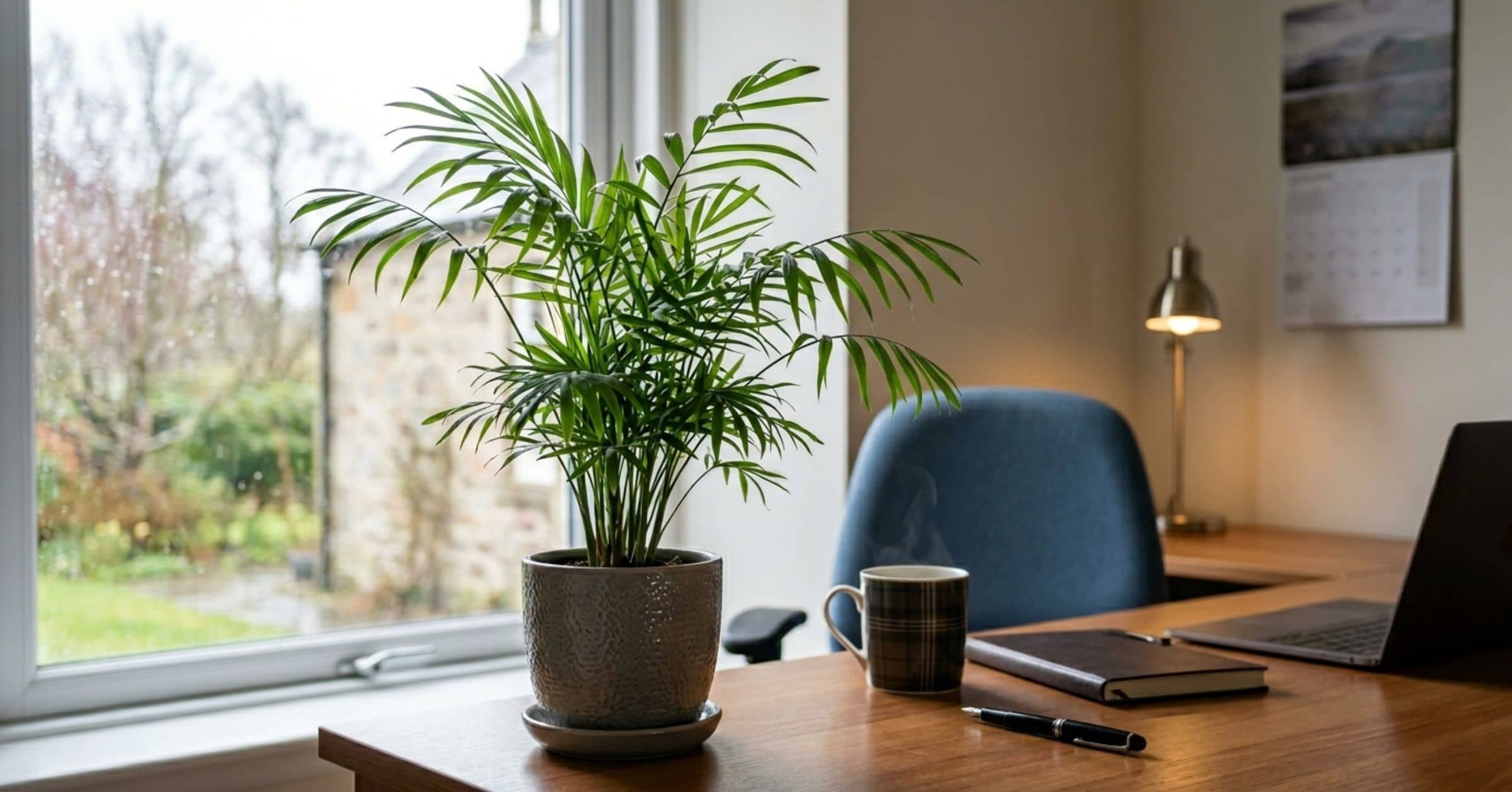
These palms provide soft greenery and are specifically noted for their ability to tolerate lower light compared to other palm species.
Plants in lower light grow more slowly, meaning their care routine must be incredibly precise to prevent decline. While these plants are resilient, they cannot be planted and forgotten.
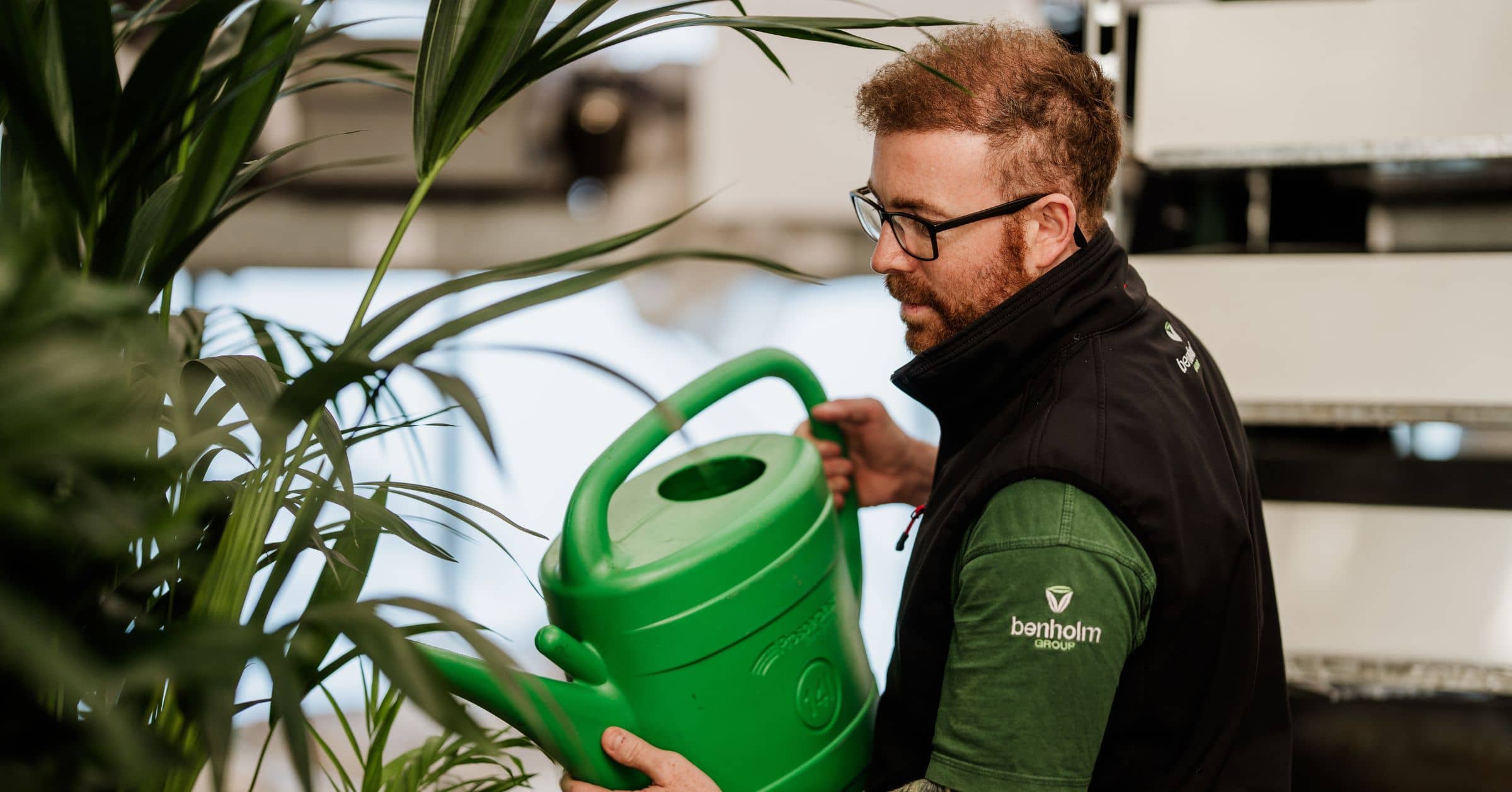
At Benholm Group, we provide guaranteed maintenance programmes for office and commercial planting across the UK. Our model is simple: if a plant declines under our care, it is replaced at no additional cost. This ensures your space always looks vibrant and healthy without your team having to worry about watering schedules or plant health.
If a space is truly windowless, such as a basement office or internal corridor, live plants will eventually decline without expert intervention. There are two alternatives:
At Benholm, our focus is on ensuring your plants remain vibrant and healthy long-term. We specialise in matching the right species to your specific environment, ensuring your investment enhances your space for years to come.
Struggling with low-light areas in your workplace? Contact our expert team today to discuss a tailored planting and maintenance plan for your business.
Never miss an update: Want more expert advice on interior landscaping and office wellbeing? Subscribe to our newsletter for the latest trends, project inspiration, and seasonal plant care tips delivered straight to your inbox.