Skip to the content
Contemporary offices are no longer defined by rows of desks, harsh lighting, and purely functional design. Instead, they are evolving into hospitality-inspired environments that prioritise the end-user experience. By focusing on wellbeing and the overall atmosphere, this shift is giving rise to what is now known as the “hotelification” of office spaces.
At its core, hotelification is about reimagining the workplace to better reflect human needs by creating little moments of calm, quality, and even a sense of luxury within the everyday working environment.
Much like sustainability was once viewed as a simple “add-on,” the workplace experience is now a central pillar of corporate design. The question is, how can offices compete with the comfort and flexibility of working from home?
And the answer lies in rethinking the workplace from the ground up.
The hotelification of office spaces refers to the trend of designing offices to feel more like high-end hotels rather than traditional, basic office environments.
Key features include:
The principle behind hotelification is about creating spaces people want to spend time in. The COVID-19 pandemic led to a change in how people work, with hybrid working becoming the norm and more people finding themselves working from home, this shift has led to the office now having to earn the commute. An office that is modern, well-designed and pleasant for the end user can contribute to improved attendance in the office. This can significantly improve employee satisfaction and productivity. In turn, this shift can lead to return on investment for businesses as more are increasingly seeing the benefit of plants in the workplace.
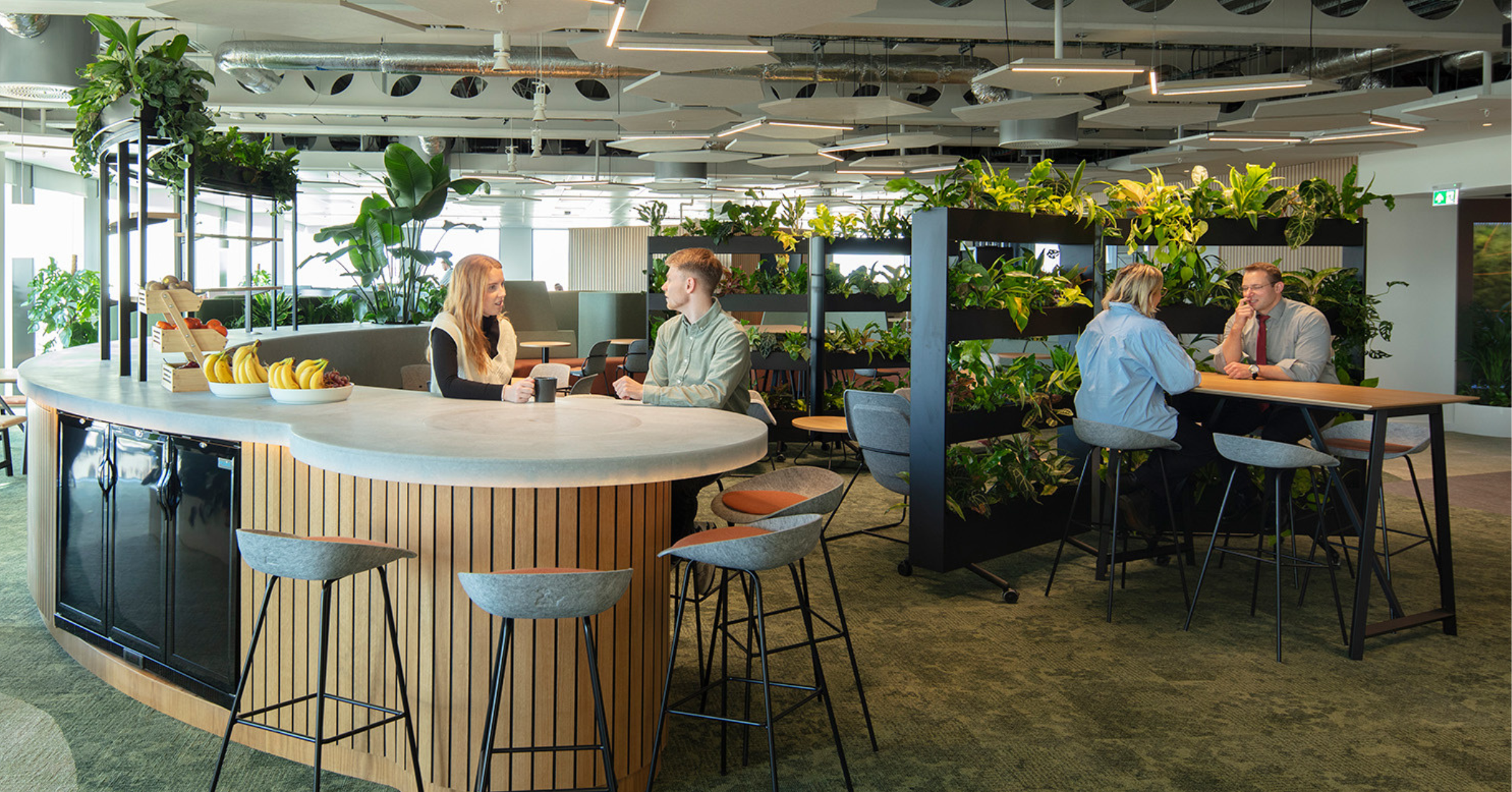
With more employees splitting time between their home and office, workplaces must offer something more compelling than a kitchen table or a home office setup. By offering a space that is not only visually-appealing but also mentally stimulating, more employees might make the commute and in turn feel more energised and part of something bigger. Interior designers and architects are designing with the end user in mind through participatory design, this means designing spaces which reflect the real needs of people within that space.
The top talent increasingly expects more from employers and a thoughtfully designed workplace signals real investment in employee wellbeing and company culture. This helps to attract highly skilled employees from diverse backgrounds who are interested in workplaces where they feel valued and heard.
Buildings that feel premium and human-centric stand out compared to traditional offices which creates an immediate positive impression among visitors and occupants alike. By prioritising key features like comfort thoughtful design, and a sense of connection, these spaces not only enhance everyday experiences but also build trust and loyalty. By giving businesses a meaningful competitive edge, this helps to attract customers, retain good talent, and reinforce a strong brand identity.
A strong focus on wellbeing and productivity transforms buildings into environments where people can truly thrive. By incorporating natural light, prioritising clean air quality, comfortable layouts, and spaces designed for both collaboration and focus, these environments support individual’s physical and mental health. In turn, they boost morale, enhance performance, and reduce fatigue, enabling individuals and teams to work more efficiently and effectively. This not only improves day-to-day experiences but also drives better outcomes for businesses through increased engagement and long-term resilience. Businesses are also increasingly seeing the benefits of supporting neurodiversity in the workplace by creating offices that value sensory-design and flexible working options.
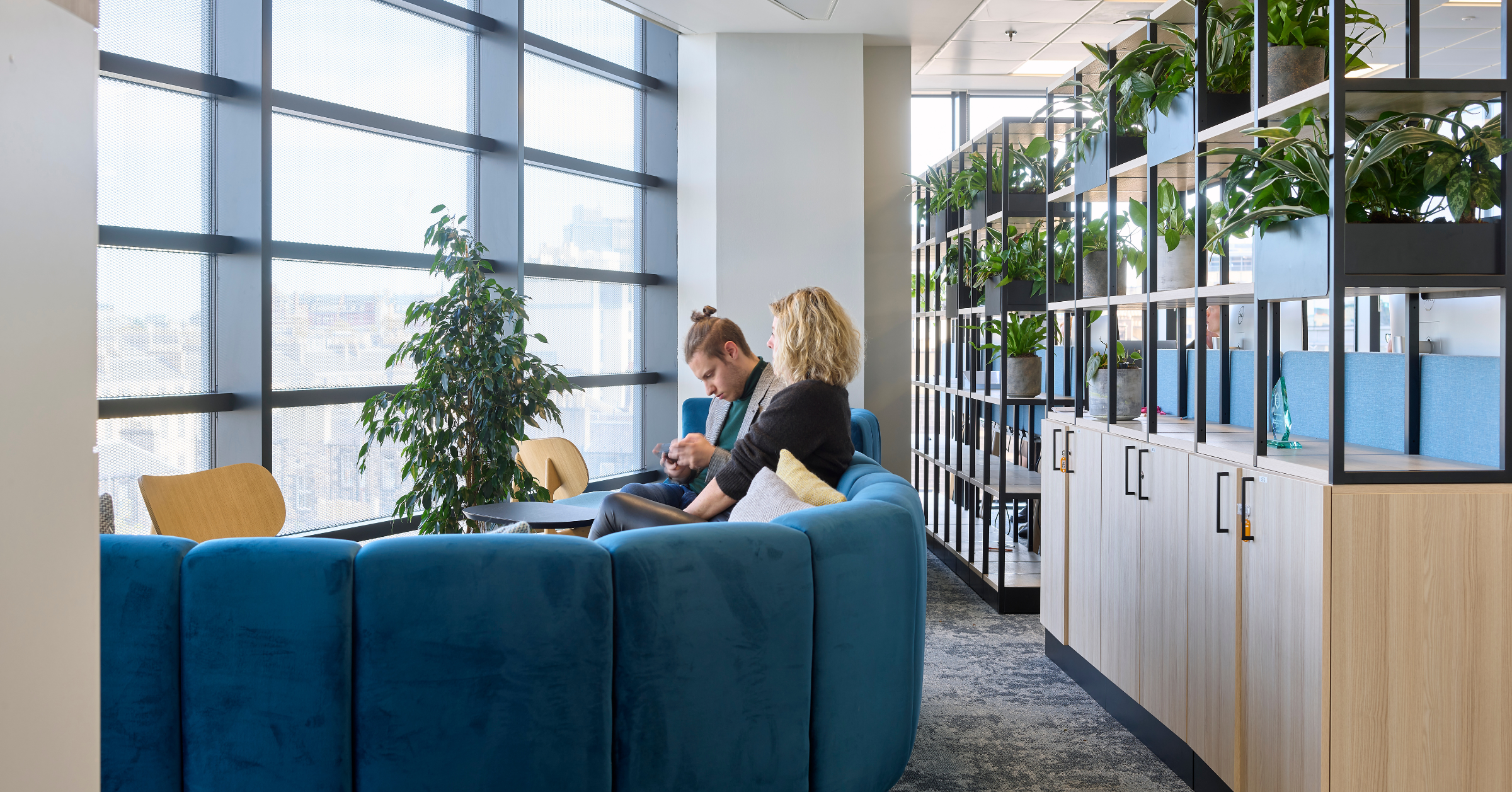
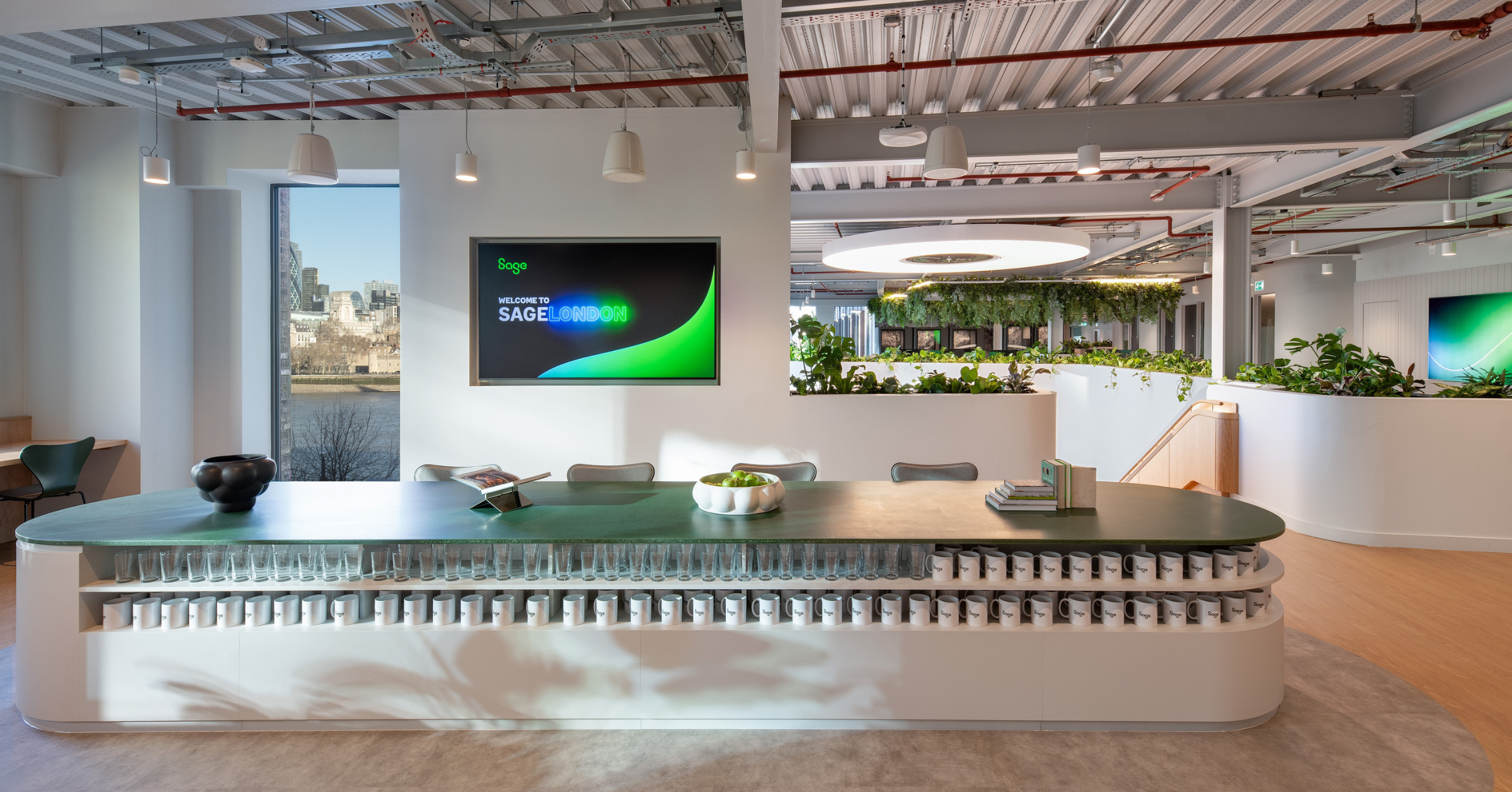
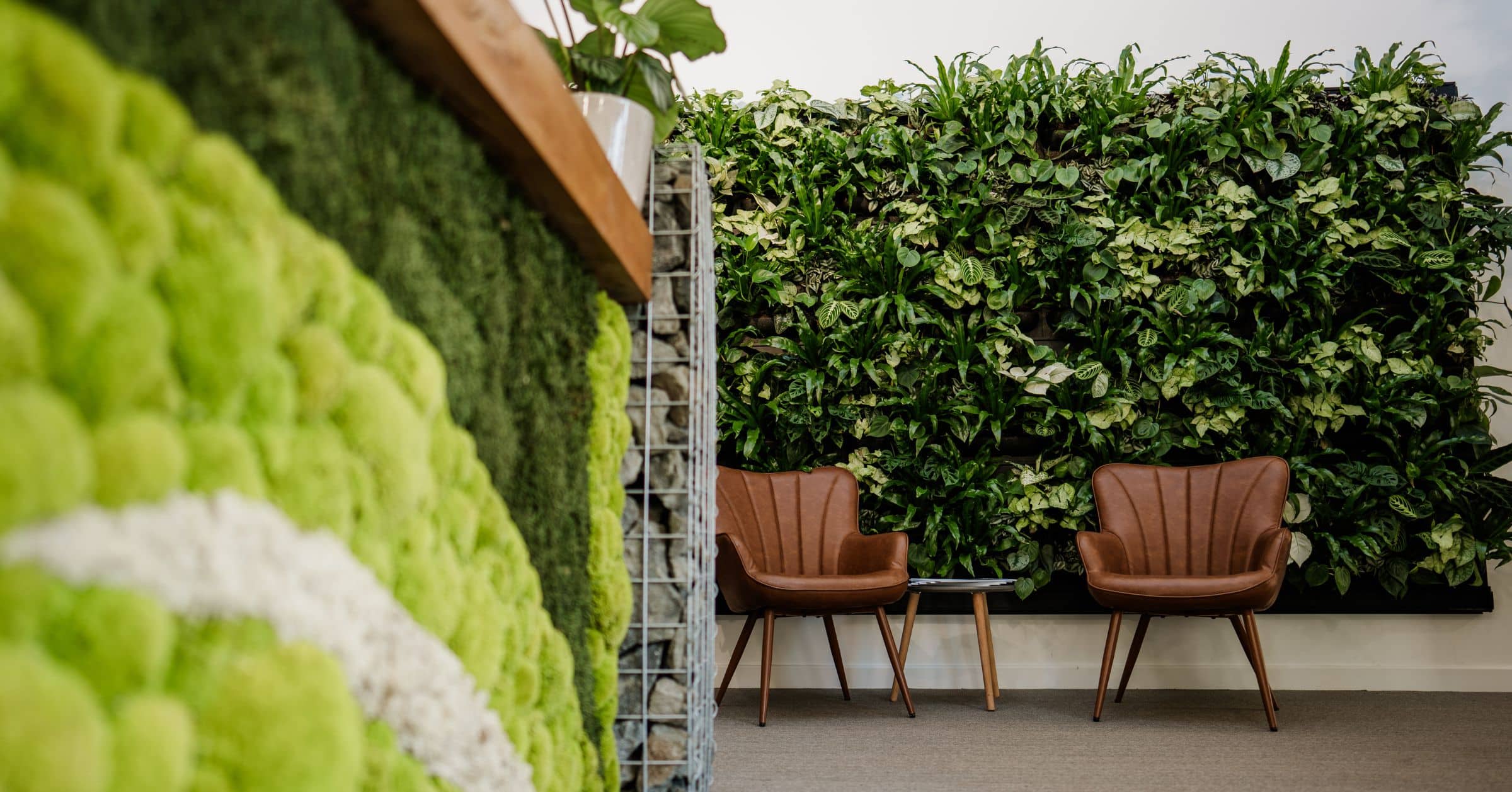
First impressions matter the most and reception areas can be leveraged as key focal points for new visitors and staff. Offices are gradually evolving into more welcoming spaces with hotel-style lobbies, complete with soft seating, natural materials, and biophilic design elements which make them stand out from the crowd. From entrance planters to vibrant living walls and carefully integrated greenery, these spaces set the tone for the entire workplace, creating a warm and memorable arrival experience.
Instead of rigid, fixed layouts, modern offices are embracing flexible, adaptable spaces designed to encourage interaction, spark creativity, and support more natural, informal ways of meeting and collaborating. This allows people to take breaks when required or move to different zones which can improve productivity.
From quiet zones to dedicated wellness rooms, modern offices are increasingly incorporating spaces designed to actively support both mental and physical health. These environments provide employees with opportunities to step away from high-pressure settings, reset, and recharge throughout the day. Whether it’s a calm area for focused reflection, a seating booth or pod space for relaxation and mindfulness, or facilities that support movement and recovery, these thoughtful additions help reduce stress, improve concentration, and promote overall wellbeing in the workplace.
Lighting, acoustics, scent, and texture all work together to shape how a space is experienced, with these subtle sensory details playing a critical role in creating a refined, premium atmosphere. When key elements such as planting are carefully considered and integrated, they elevate a space beyond its function, influencing the overall mood and perception in a powerful way.
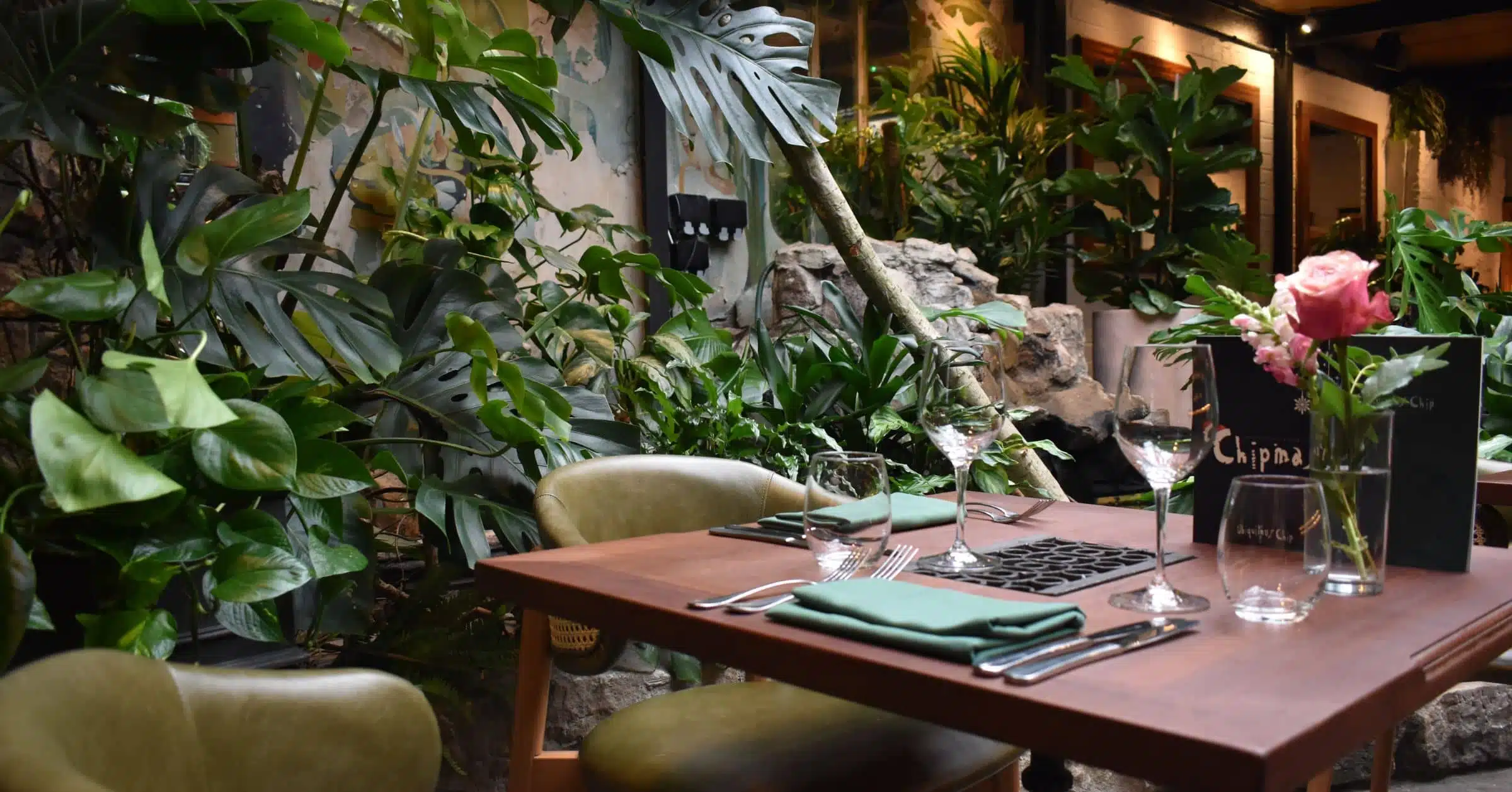
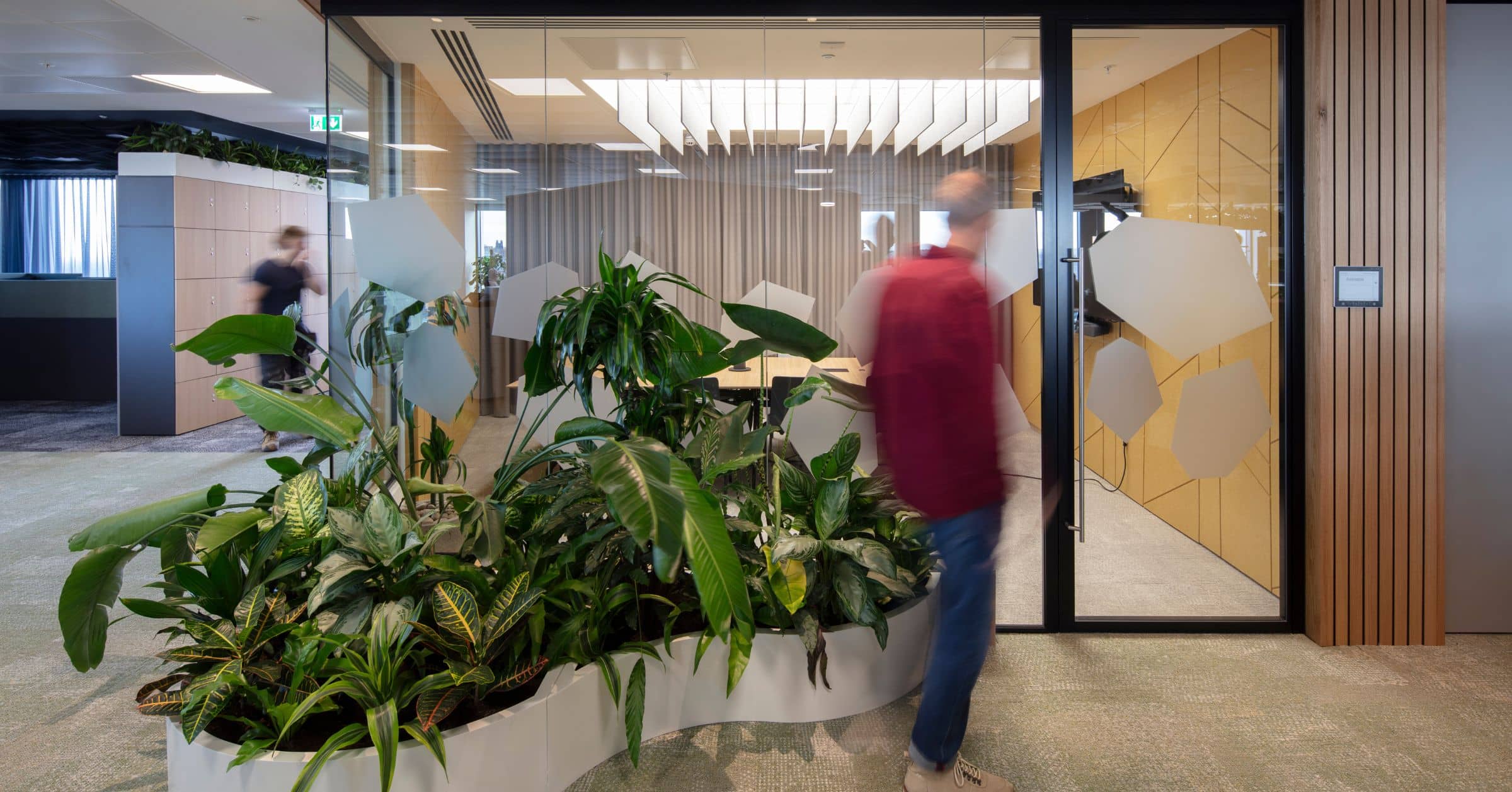
Planting is one of the most powerful tools for creating a hospitality-led feel within a space. It softens architectural lines, improves air quality, enhances acoustics, and establishes a strong visual and emotional connection to nature, helping to create environments that feel more welcoming and immersive.
While furniture and finishes set the the tone, planting truly brings each space to life.
The intentional and strategic use of greenery can:
However, much like sustainability frameworks, effective planting requires early planning and it must be integrated into the design, not added as an afterthought.
Benholm conducted research with Dr Tatsuya Matsuoka, a scholar from the Shimizu Corporation in Japan into the development of evaluation techniques and optimal planting designs that consider human physiological and psychological aspects. This research is continuing to explore how the power of plants can potentially prevent mental illness and enhance productivity.
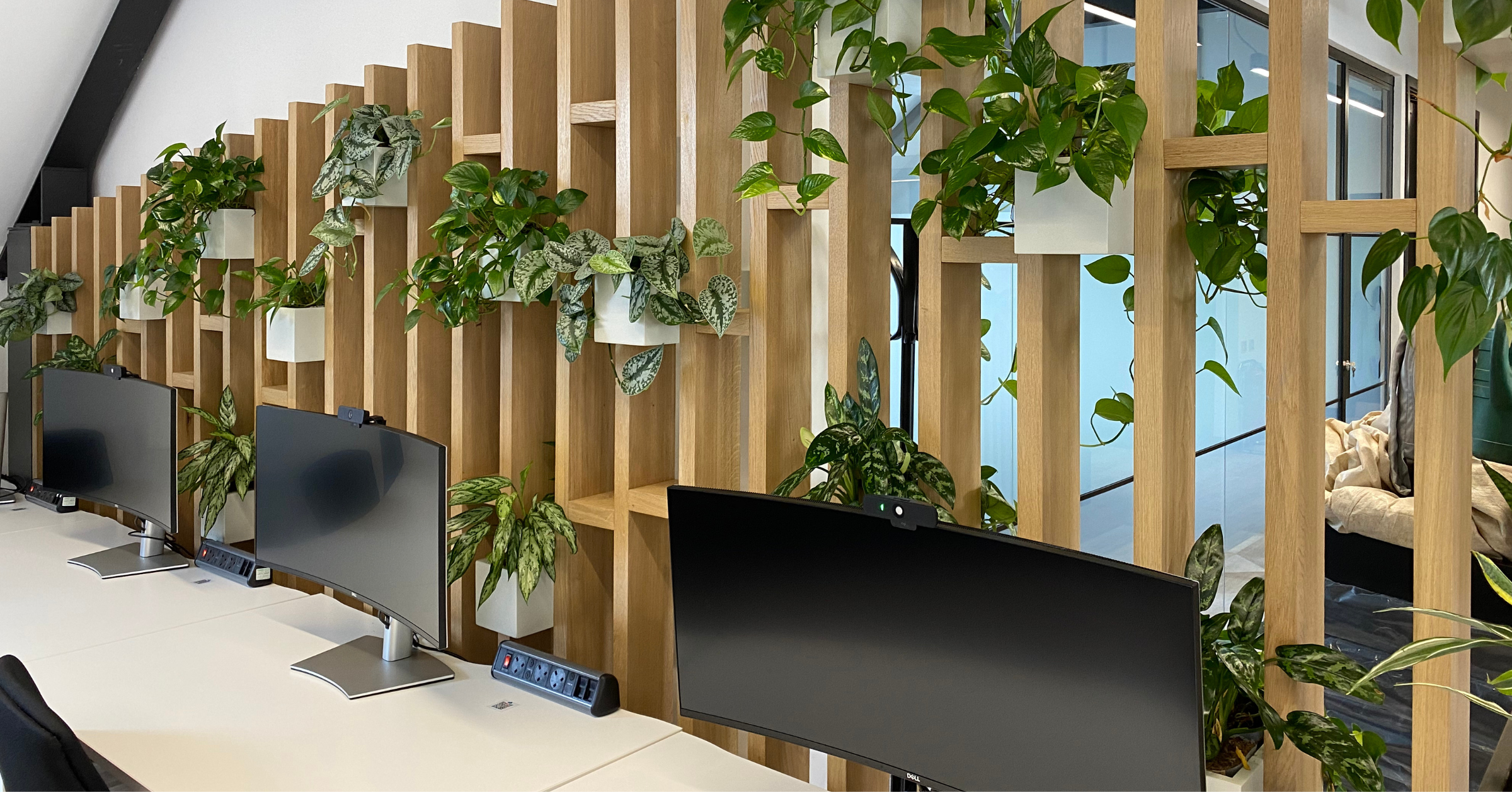
One of the biggest mistakes in office design is leaving planting decisions until the final stages of a project.
To fully support a hotelified environment, planting should be considered from the outset, ideally during early design phases to enable it to:
When integrated early, planting becomes a functional and experiential asset rather than just a decorative filler.
Research has also found that plants have the ability to regulate bacterial diversity in the air and strengthen individual’s immune systems over time.
With over 30 years of experience in floral and plant design, we have delivered a wide range of impactful, design-led expert planting solutions.
Creating a hospitality-driven office environment requires expertise, careful coordination, and a long-term vision. At Benholm, we collaborate closely with architects, designers, and developers to ensure planting is thoughtfully integrated and enhances the overall workplace experience.
We curate planting schemes that elevate both the aesthetic and functional qualities of a space, seamlessly aligning with and enhancing the overall design vision.
We design planting with intent carefully considering how it shapes the way people feel, move, and interact within a space by guiding flow, creating moments of pause, and enhancing comfort. Our schemes support a more engaging and human-centred environment.
By getting involved early in the project, we ensure planting is seamlessly integrated with lighting, acoustics, and spatial planning, working in harmony to enhance both performance and the overall experience of the space.
We design planting with intent carefully considering how it shapes the way people feel, move, and interact within a space by guiding flow, creating moments of pause, and enhancing comfort. Our schemes support a more engaging and human-centred environment.
A hotel-inspired office must maintain its quality over time and we provide ongoing care to ensure planting continues to perform and impress.
WIPRO, London: we set out to create a workplace that combined hospitality-inspired comfort with the functionality of a modern office to respond to the growing need for enhanced client engagement and a unified culture for employees, wherever they work across UK and European locations. WIPROTEL, is a design concept formed from ‘hotel’ and ‘WIPRO’ which aims to deliver consistent luxury and comfort across WIPRO’s brand.
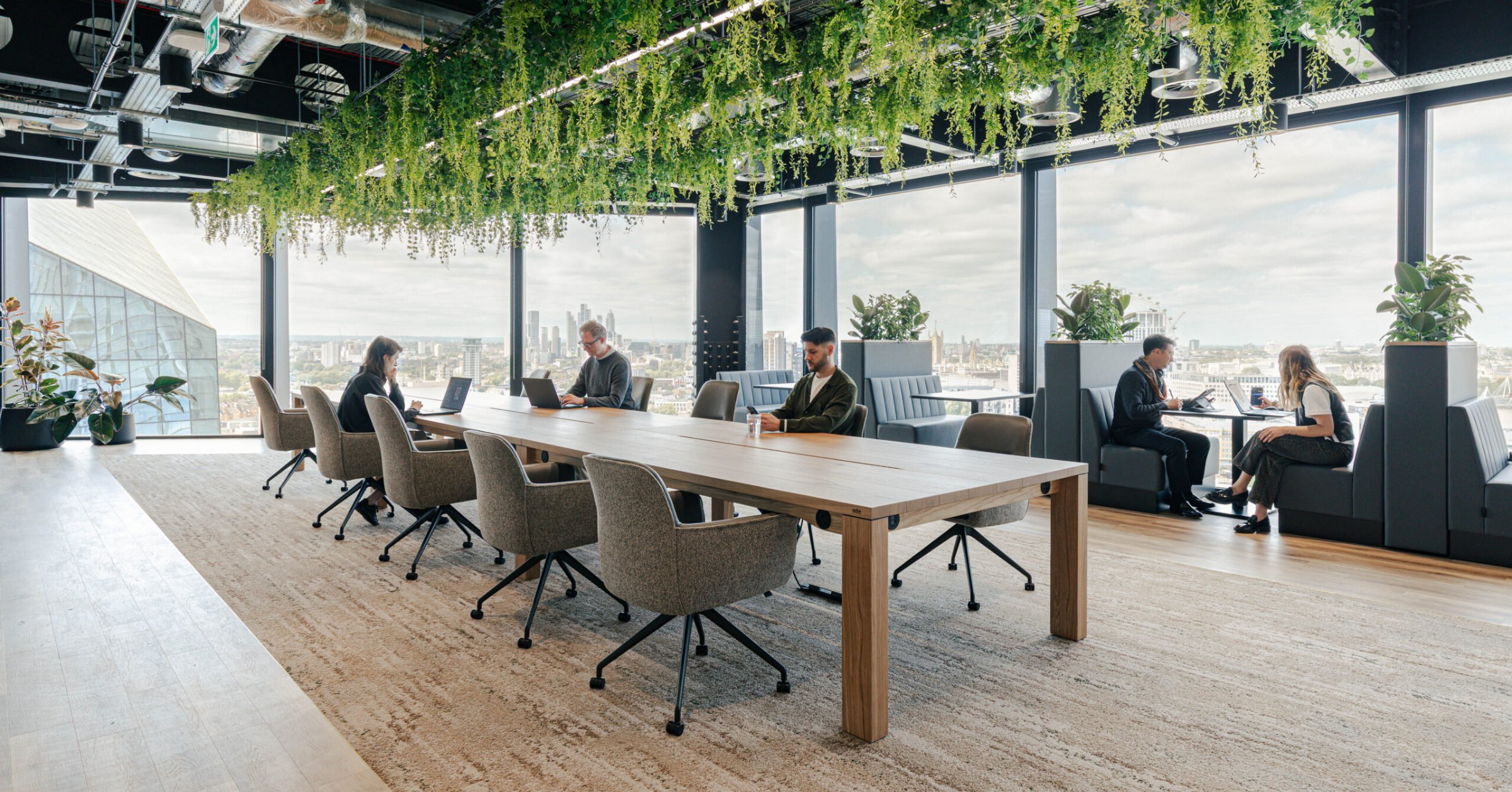
The hotelification of offices is not a fleeting trend but rather it represents a shift in how people work best in modern day society. Offices are becoming destinations that prioritise wellbeing and human connection to improve how people feel and use a space, and when carefully designed, improve productivity and satisfaction. In this new landscape, every design element matters and planting plays a crucial role in bringing these visions to life.
Are you planning a new workspace or refurbishing an existing one? Integrating biophilic design from day one can make all the difference.
Thoughtful, strategic planting can transform an office into a place people genuinely enjoy being in.