Skip to the content
Psychological safety has rightfully become a massive focus for companies trying to boost engagement and performance. But when we talk about creating a safe workplace, the conversation almost always centres on leadership styles, communication, and culture. We tend to completely overlook a massive factor staring us right in the face: the physical environment.
The spaces where your team spends forty hours a week directly dictate their stress levels, concentration, and overall headspace. A noisy, sterile, or overwhelmingly harsh office acts as a constant, low-grade tax on mental energy. On the flip side, a space designed with well-being in mind acts as a buffer against daily friction.
This is where biophilic design (integrating nature into our built environments) moves from a “nice-to-have” aesthetic choice to a strategic asset.
At its core, psychological safety is the shared belief that you won’t be humiliated or marginalised for speaking up, taking risks, or making mistakes. It’s the confidence that you are respected and valued by the people around you.
When people feel safe, they don’t waste energy hiding their flaws or walking on eggshells. Instead, that energy goes toward creative problem-solving, collaboration, and great work. It’s the foundation for:
Genuine team collaboration
Higher job satisfaction and lower burnout
Better staff retention
Real innovation (because people actually dare to pitch untraditional ideas)
Building this kind of trust requires great leadership and healthy dynamics, absolutely. But we can’t ignore the backdrop against which those dynamics play out.
We often underestimate how deeply our physical surroundings nudge our behavior.
Most employees spend the majority of their waking hours indoors, and their brains are constantly processing environmental cues. While a flickering fluorescent light or a lack of privacy might seem like minor annoyances in isolation, their daily accumulation wears people down.
Consider the friction points of a poorly designed office:
Crowded layouts trigger subconscious stress and defensiveness.
Bad acoustics lead to constant distraction and irritability.
Zero privacy means employees can never drop their guard or truly decompress.
Sterile, windowless rooms cause mental fatigue to set in much faster.
If we want people to bring their best, most vulnerable, and creative selves to work, we have to stop putting them in environments that feel clinical.
Biophilic design is the practice of weaving the natural world back into our daily spaces.
It’s built on a simple evolutionary truth: humans have an innate biological need to connect with nature. Yet, modern corporate life has spent decades sealing us inside concrete, glass, and drywall, staring at digital screens. Biophilic design bridges that gap.
In practice, this looks like:
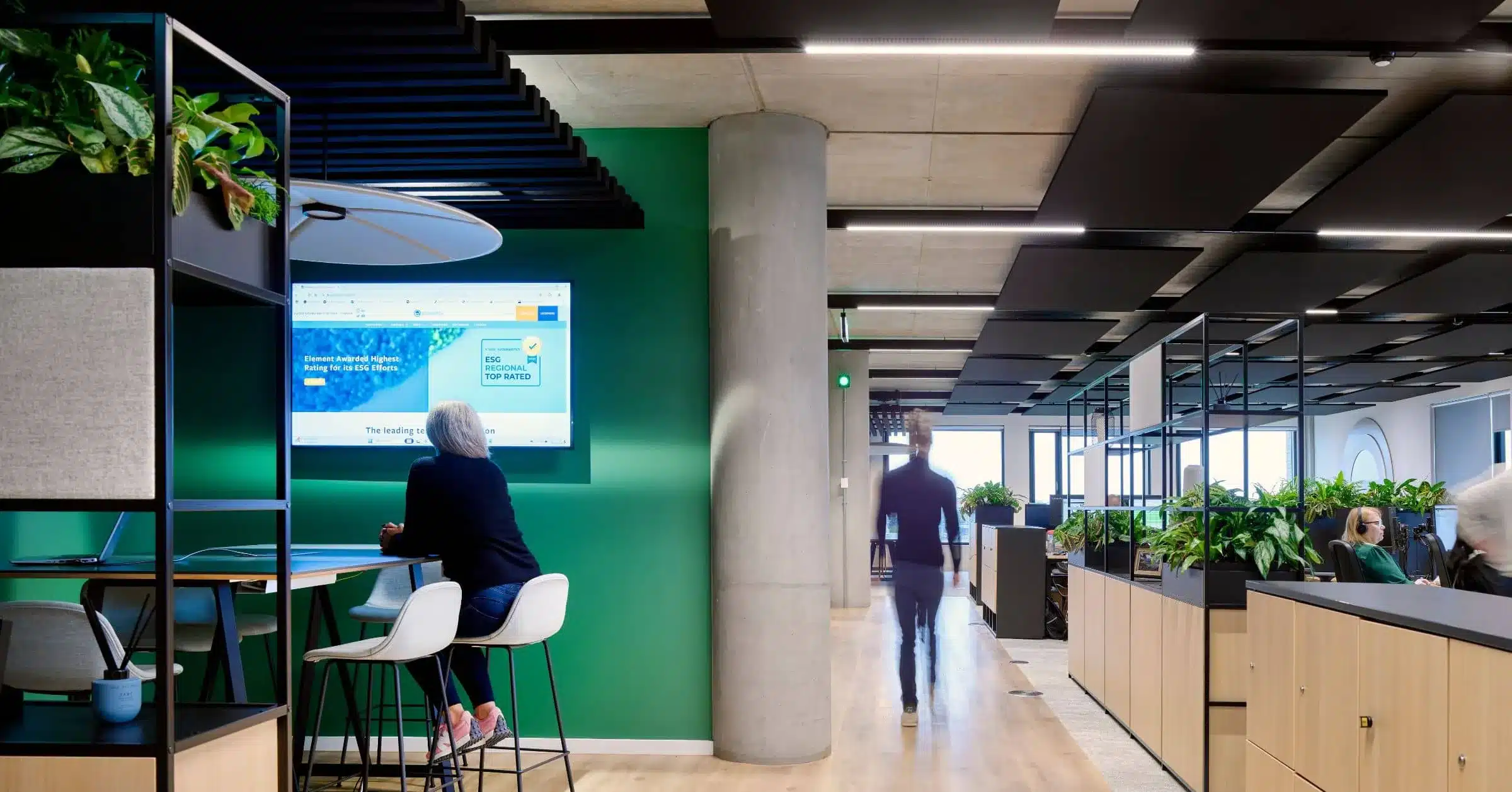
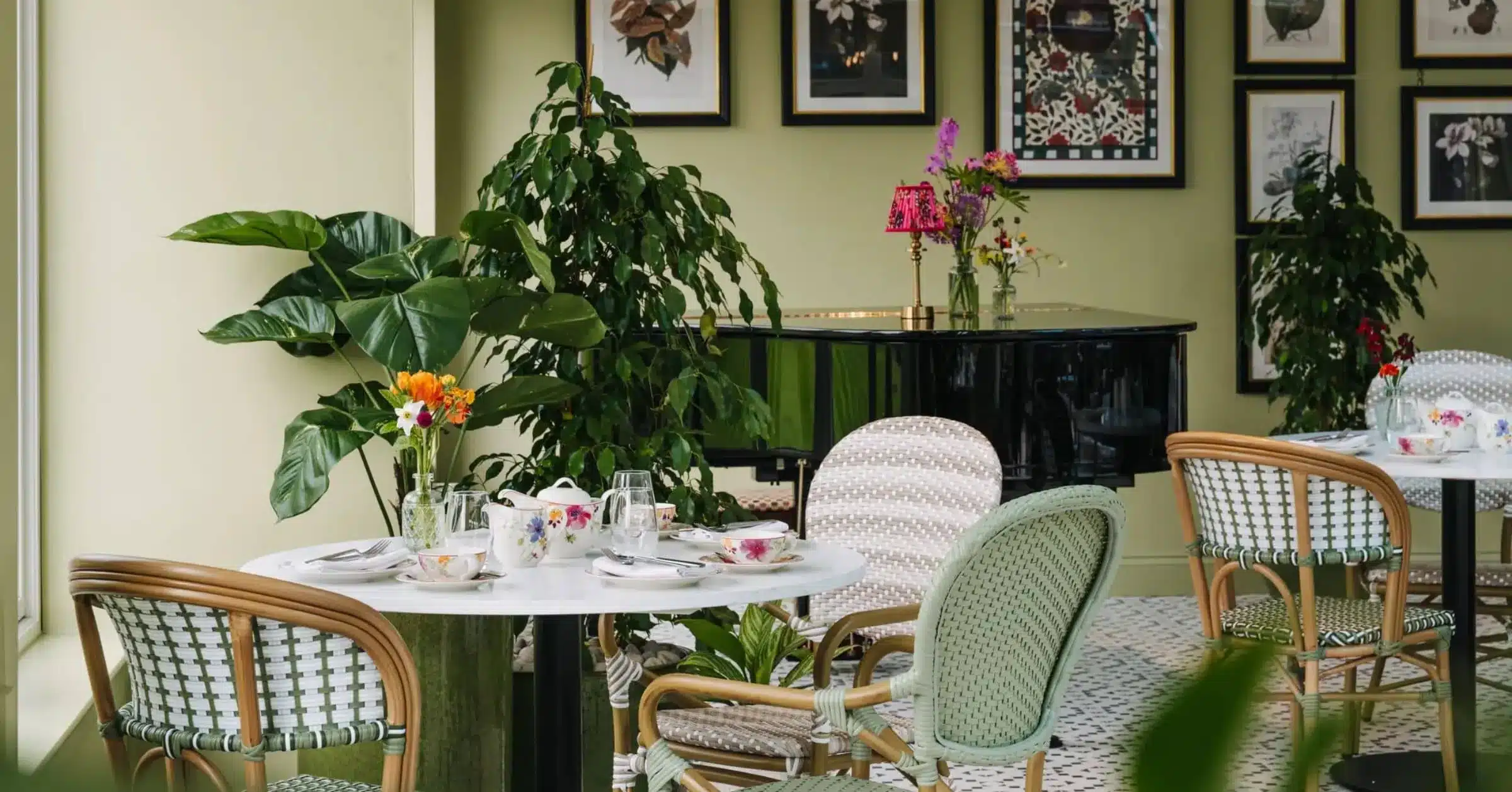
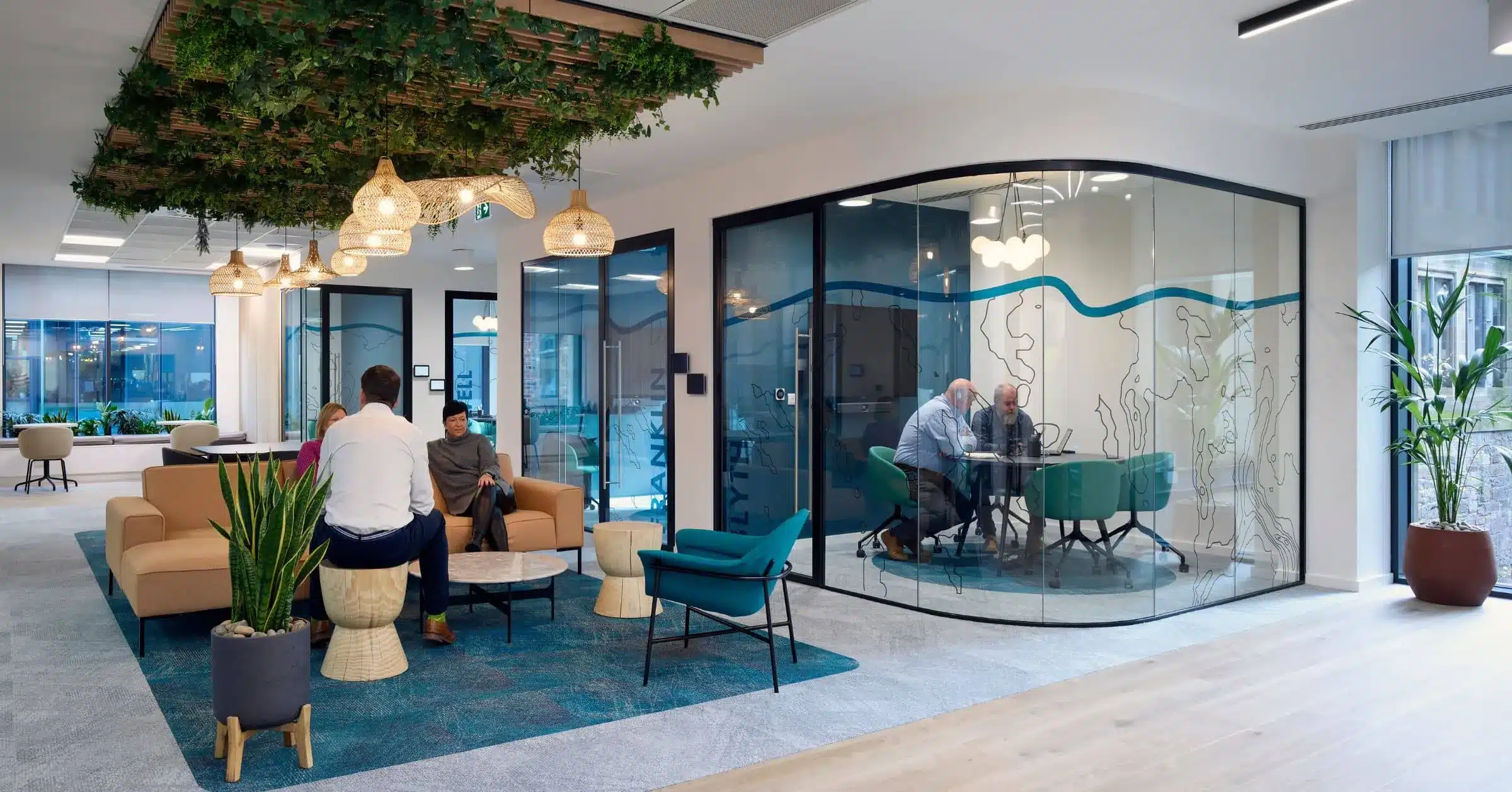
Lush interior planting and living green walls
Natural materials like raw timber, stone, and clay
Maximising natural daylight and views of the outdoors
Organic shapes, textures, and fluid layouts instead of rigid, boxy cubicles
Outdoor terraces or indoor green sanctuaries
Decades of environmental psychology show that even brief exposure to nature lowers cortisol levels, stabilises heart rates, and restores attention spans. A few potted plants won’t fix a toxic workplace, but they do create a physical baseline of calm that allows a healthy culture to actually take root.
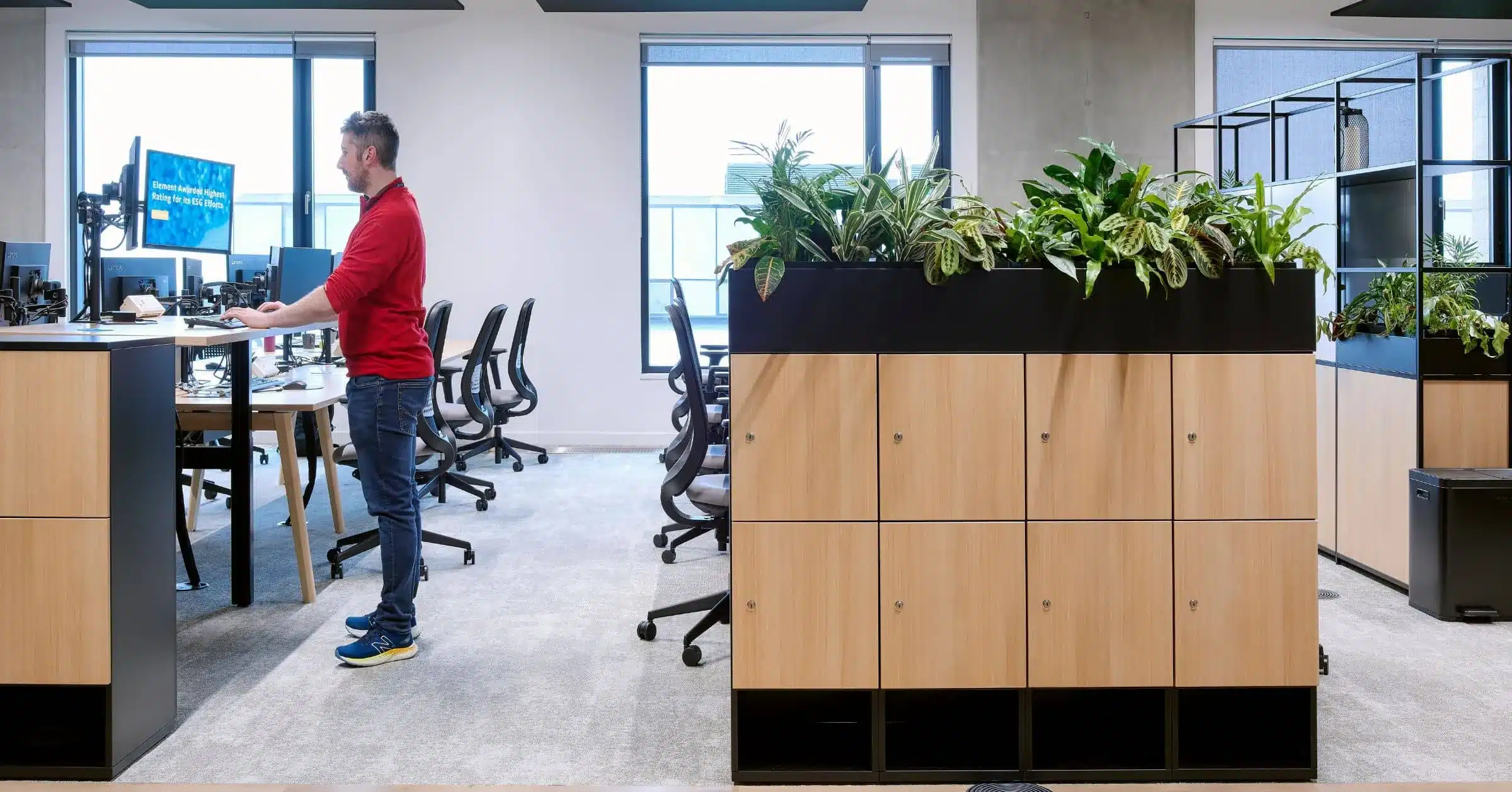
Constant noise and harsh angles keep the human nervous system in a state of micro-alertness. Introducing natural textures, wood grain, and greenery softens the visual environment. This restorative effect helps people stay grounded, making them far less reactive and more resilient when handling tough conversations or tight deadlines.
Sterile, institutional offices feel cold and corporate—they subconsciously tell employees to conform and keep their guard up. Biophilic spaces feel warm and welcoming. When a space feels less like a sterile institution and more like a living, breathing environment, people find it much easier to let their guard down and be authentic.
Actions speak louder than mission statements. When a company invests in creating a beautiful, healthy, and vibrant workspace, it sends a clear, silent message: We care about your daily human experience. It shows that leadership views employees as human beings to be supported, not just resources to be optimised.
Between Teams notifications, endless emails, and back-to-back meetings, our focused attention gets utterly depleted by lunchtime. Nature provides what psychologists call “soft fascination”—visual interest that holds our attention without requiring hard mental effort. Looking at plants or watching the breeze through a window gives the brain’s prefrontal cortex a chance to recharge, restoring focus and patience.
Psychological safety thrives on informal, spontaneous connections. People are naturally drawn to comfortable, green spaces. By enhancing breakout areas, kitchens, and collaborative zones with rich planting and warm lighting, you create natural hubs where people actually want to linger. These casual interactions build the relational trust that underpins great teamwork.
Let’s be realistic: a beautiful office cannot cure a broken culture.
However, it is incredibly difficult to sustain a culture of openness, vulnerability, and creativity in a space that feels restrictive, bleak, and stressful. The physical environment either fights against your cultural goals or actively reinforces them. The most forward-thinking organisations recognise that culture and space are two sides of the same coin.
Whether you’re looking to refresh a few key areas or planning a complete office overhaul, thoughtful planting and biophilic design can fundamentally change how your team feels when they walk through the door.
Get in touch with Benholm today. Let’s discuss your project and explore how we can bring the restorative power of nature into your workspace to support your people’s well-being.