Skip to the content
Indoor air quality has become one of the most important conversations in workplace design and facilities management. Recent discussions around ventilation hygiene, humidity control and environmental monitoring have highlighted just how complex modern buildings really are.
From HVAC systems and airflow management to controlling moisture and reducing airborne pollutants, maintaining a healthy indoor environment depends on a combination of systems working effectively together. Alongside ventilation and maintenance, there is another element that deserves attention: thoughtfully designed interior planting.
Ventilation systems play a critical role in managing indoor air quality, and they should always form the foundation of a healthy building strategy. However, the spaces where people spend their working day are influenced by more than airflow alone.
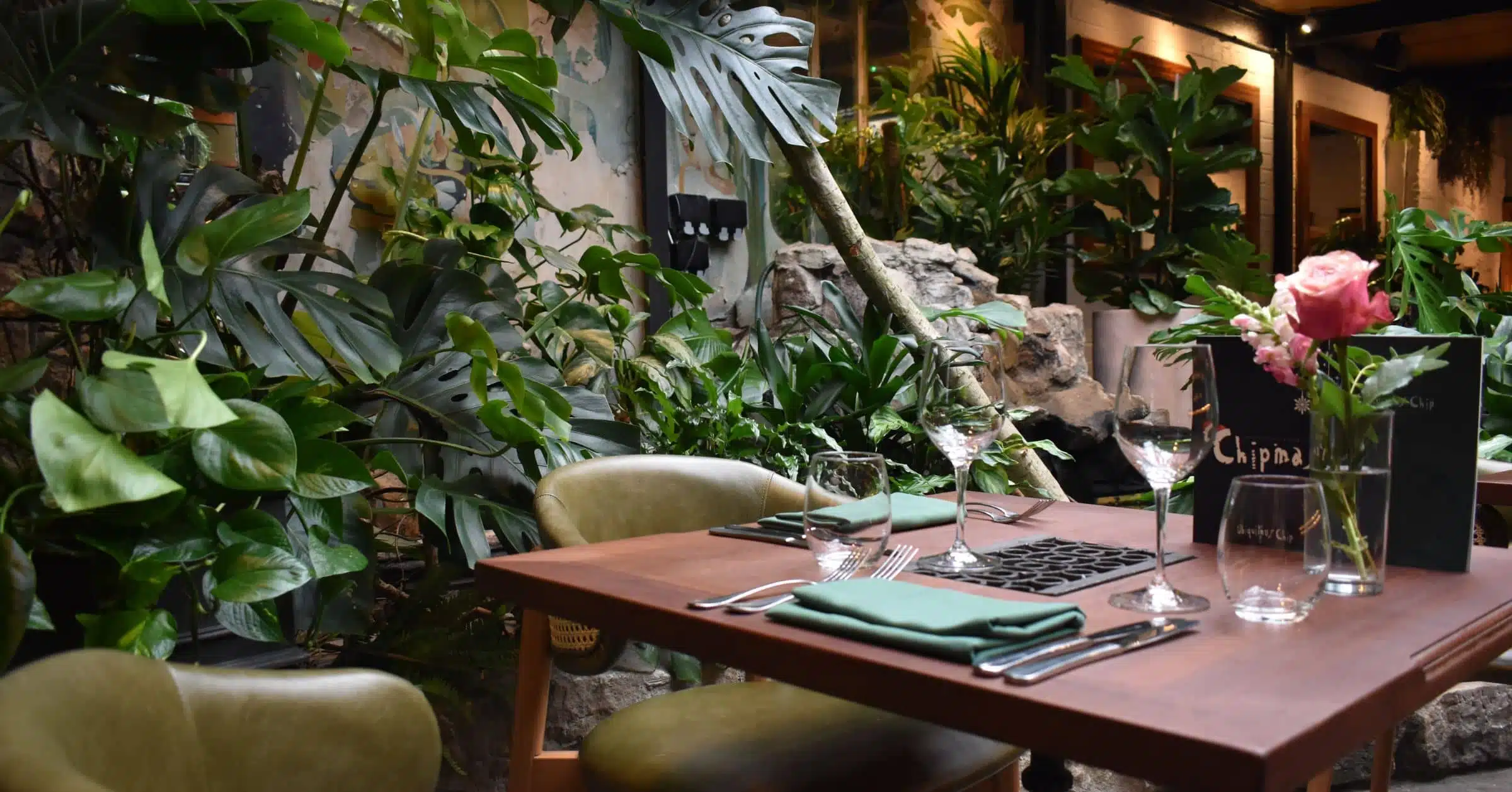
Temperature, lighting, acoustics, layout and access to nature all affect how employees experience a workplace. This is where biophilic design and interior planting can make a meaningful difference.
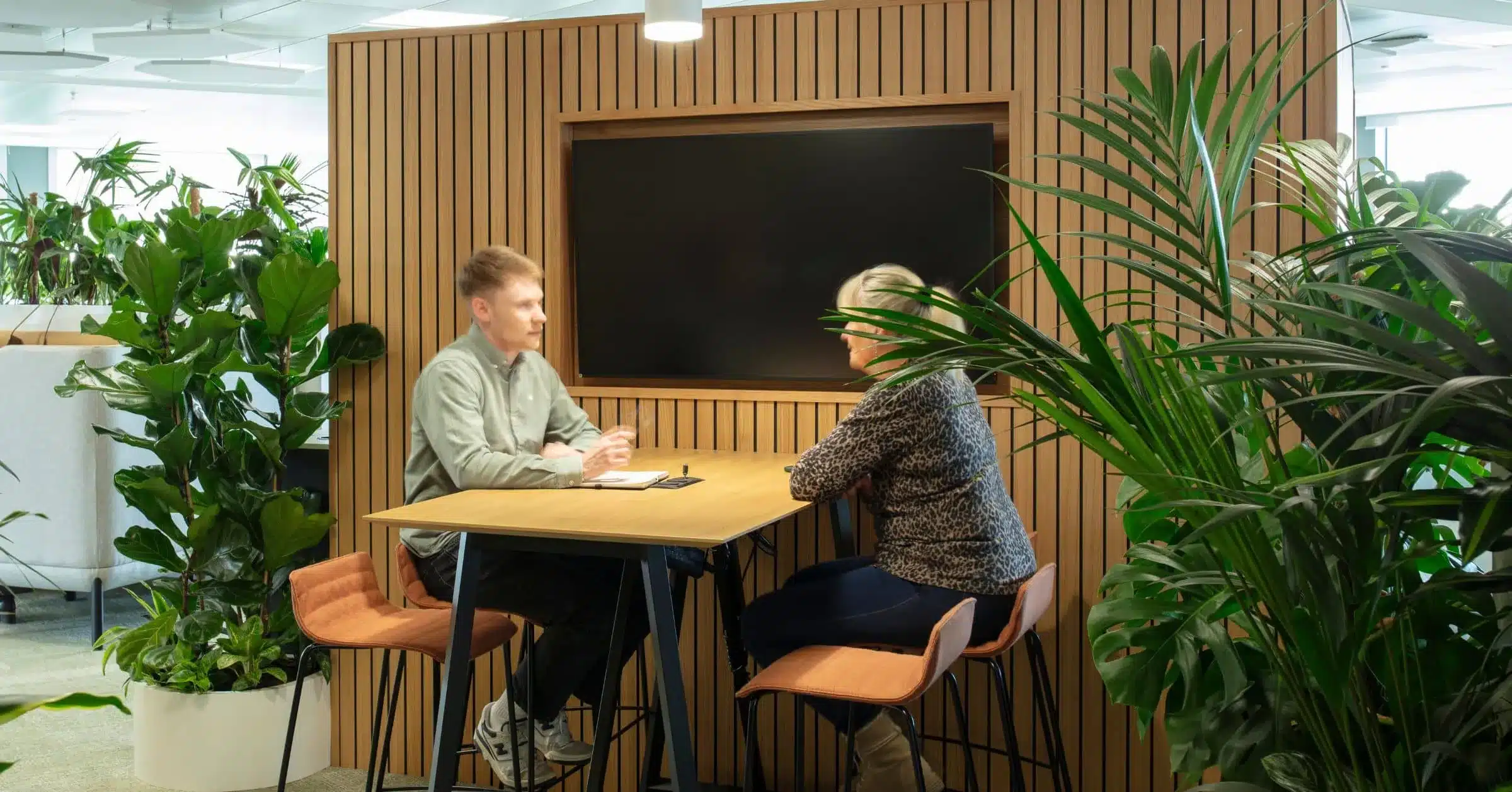
Indoor plants are often associated with cleaner air, but it is important to be realistic. Plants are not a substitute for properly designed ventilation systems or professional HVAC maintenance.
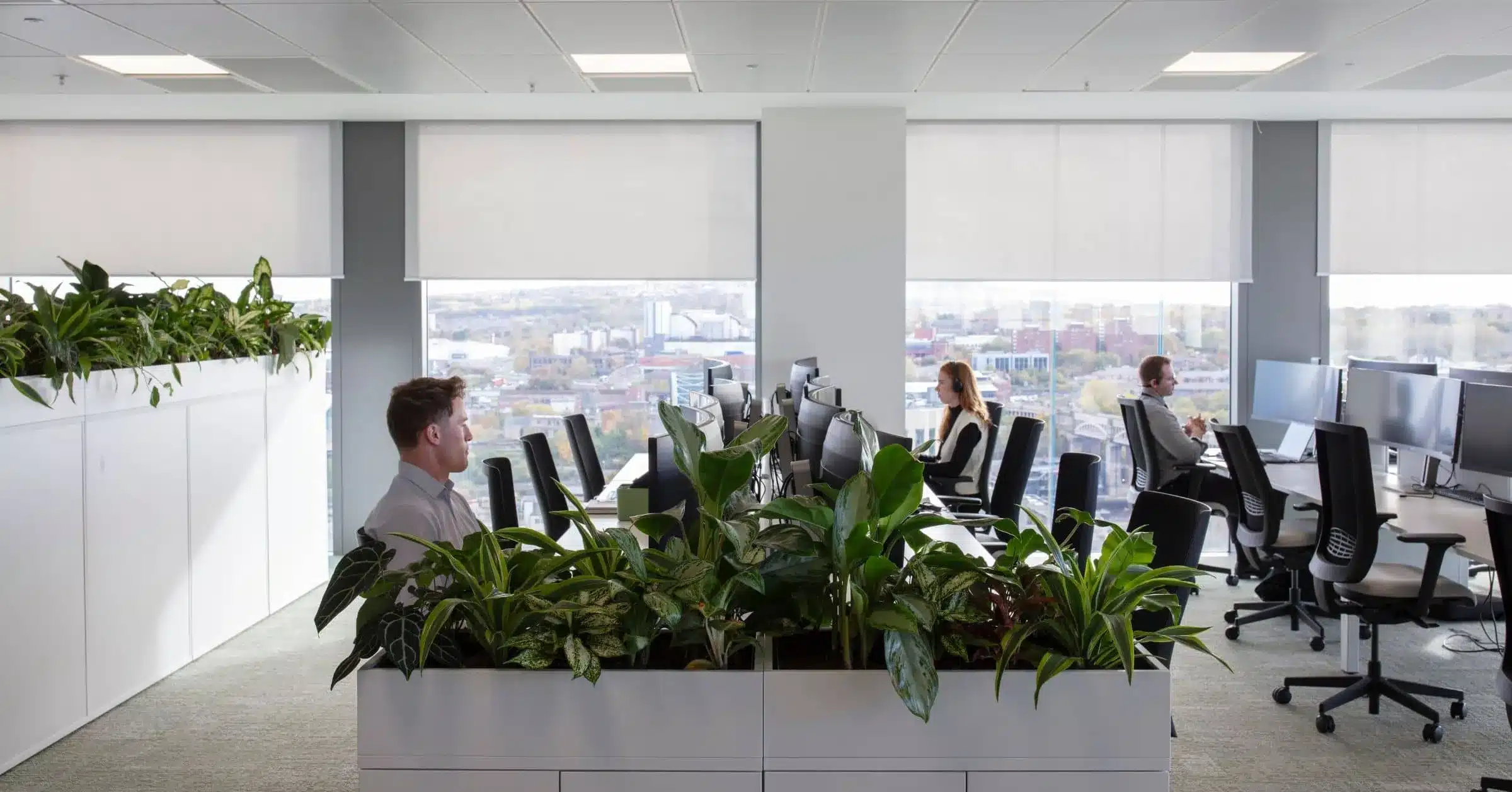
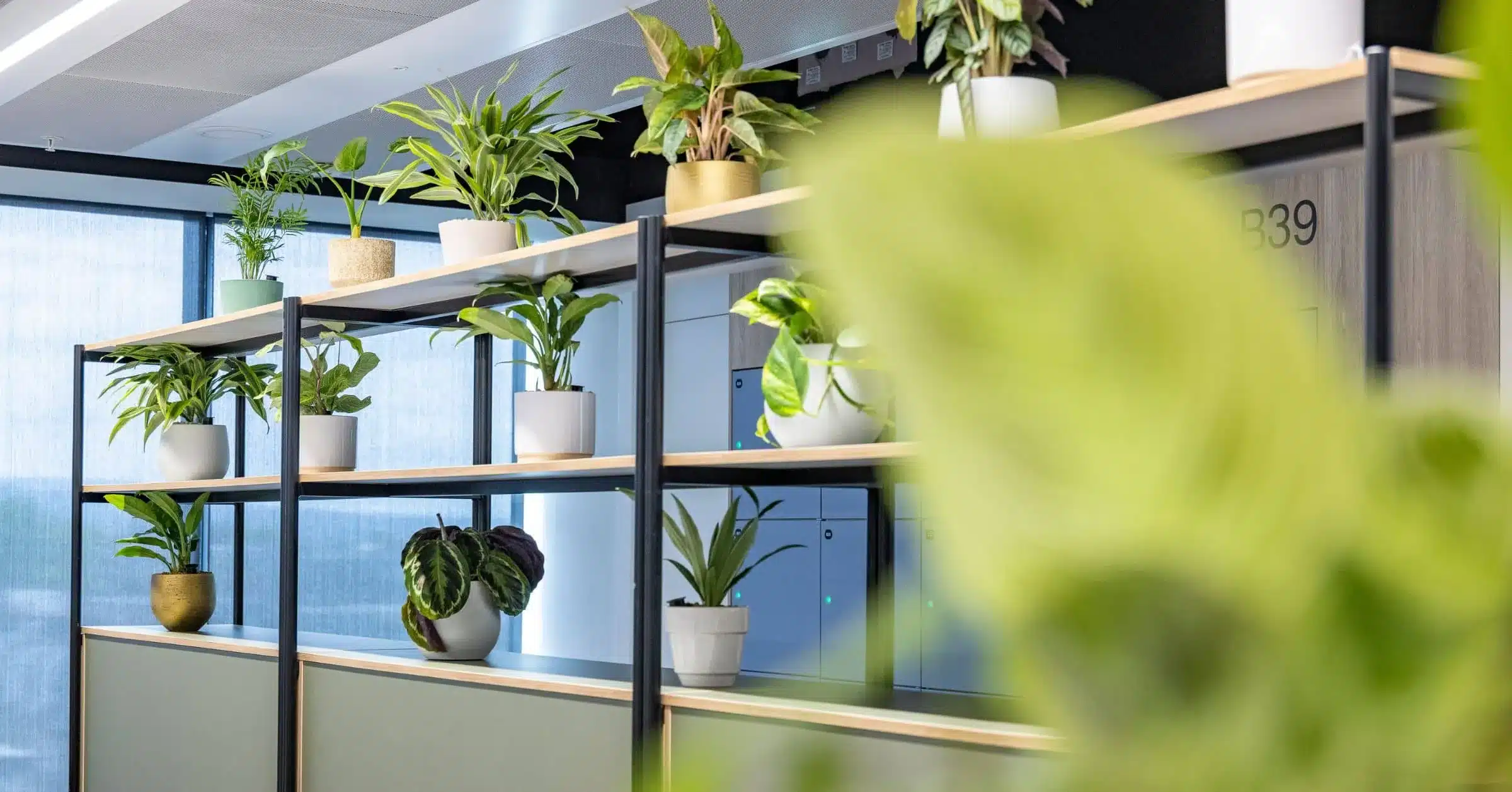
Instead, their value lies in supporting the overall workplace environment. Well-maintained interior planting can:
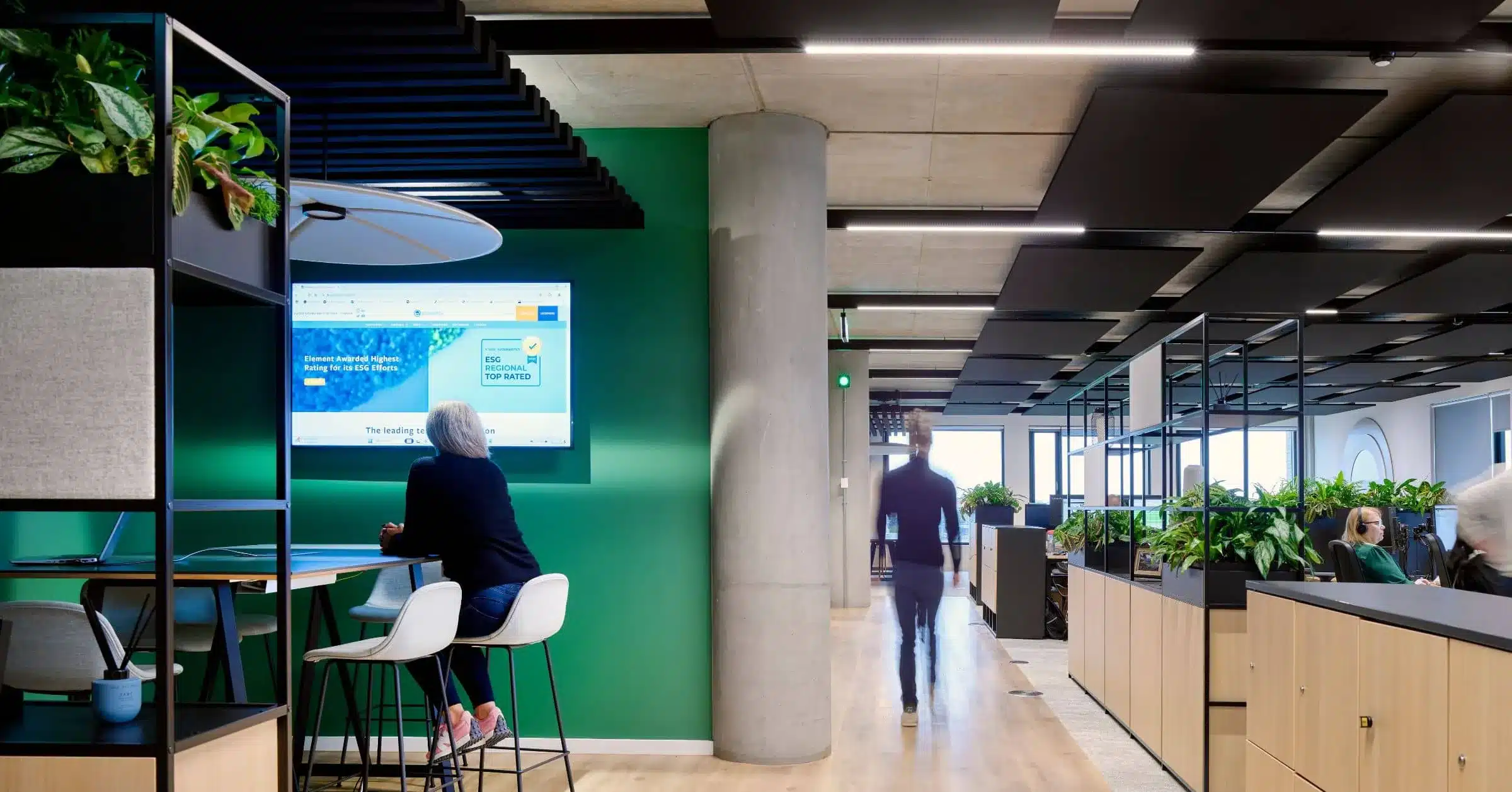
For many employees, the working day is spent surrounded by technology, artificial lighting and built environments dominated by hard surfaces. Introducing greenery helps create a workplace that feels more balanced and human-centred.
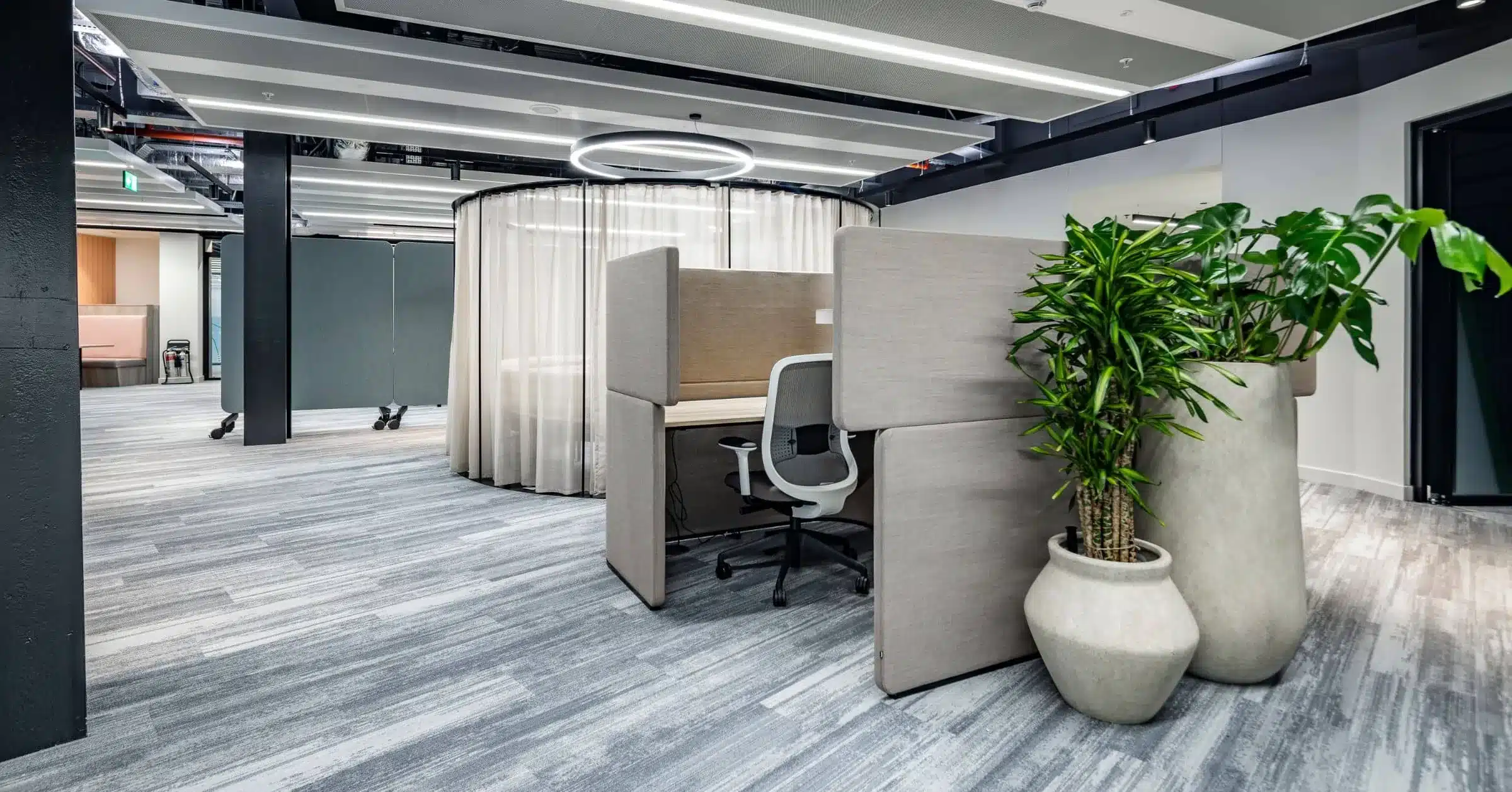
One of the most important messages for facilities managers is that interior planting should be viewed as part of a wider environmental strategy.
Ventilation systems manage airflow, temperature and contaminants. Plants contribute to the quality of the workplace experience. When supported by good building maintenance, planting can help create workplaces that perform well while also feeling more comfortable and inviting.
In other words, healthy buildings rely on both building performance and human experience.
Facilities teams already monitor a wide range of environmental factors including:
Adding interior planting to this conversation can support broader workplace goals such as employee wellbeing, retention, collaboration and first impressions.
For organisations investing in healthier workplaces, plants are not simply decorative accessories. They are part of a considered approach to creating environments where people feel comfortable, productive and connected to their surroundings.
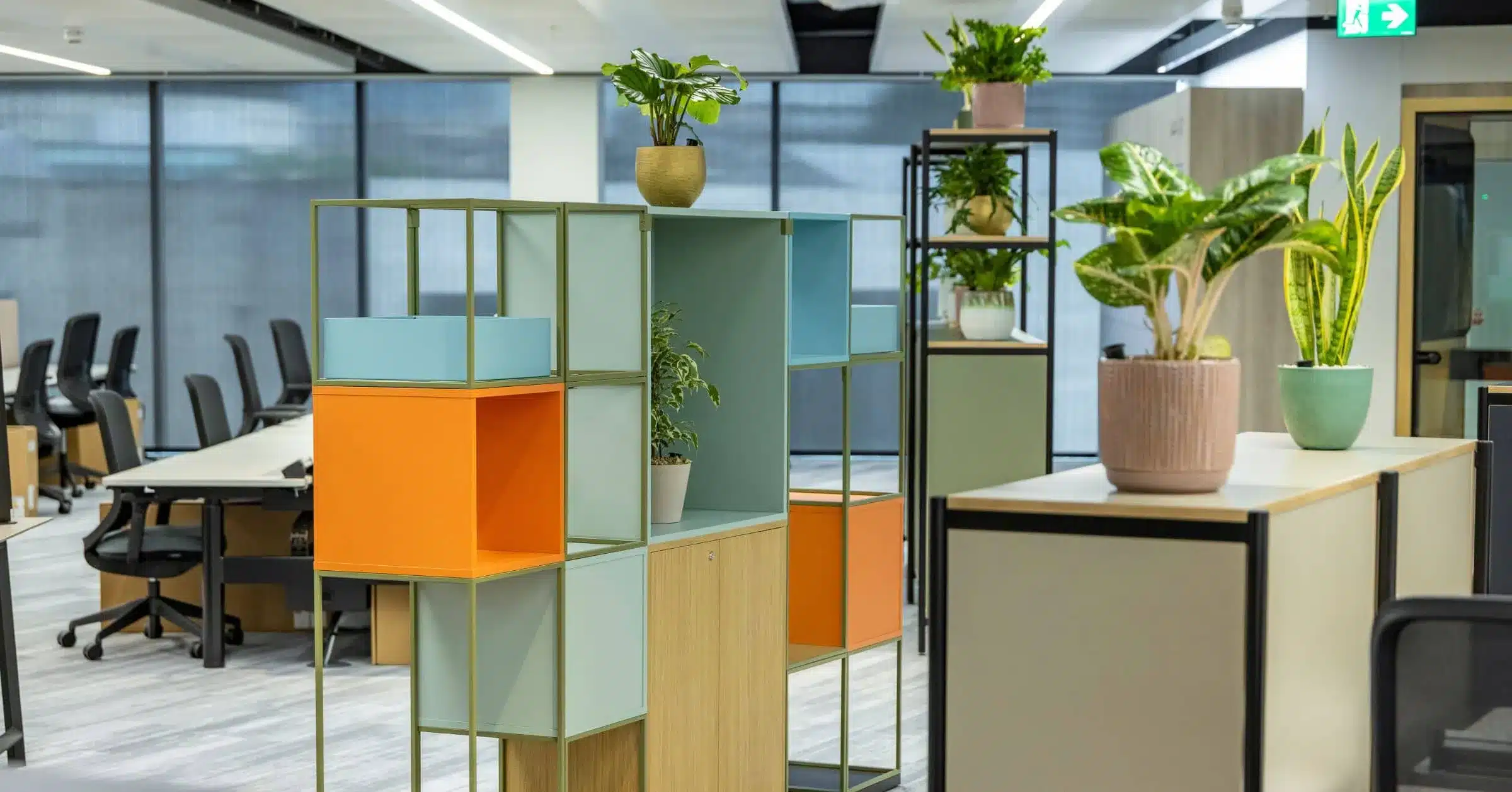
As awareness of indoor air quality continues to grow, businesses are looking more closely at how their buildings support the people who use them every day.
Effective ventilation keeps a building operating safely and efficiently. Thoughtful interior planting helps transform that building into a workplace where people can thrive.
At Benholm Group, we believe the healthiest workplaces combine professional building management with biophilic design principles that bring nature into the heart of the working environment.
Because the spaces we work in have a direct impact on how we feel and perform.
Contact us today to explore how biophilic design can support your workplace goals.
While plants should not replace effective ventilation and building management systems, research has helped highlight the wider role that greenery can play in indoor environments.
The NASA Clean Air Study is often referenced when discussing plants and air quality, exploring how certain plant species interact with common indoor pollutants.
Explore the NASA Clean Air Study for further reading on plants and indoor environments.