For many organisations, encouraging employees back to the office remains an ongoing challenge. Since remote work gives people comfort, flexibility, and a lot fewer distractions, the physical office needs to offer more than just a desk space.
This shift has placed increasing pressure on facility managers and workplace leaders. Today’s workplace is a space that should support wellbeing, encourage collaboration and help people perform at their best.
Creating that kind of environment doesn’t always require a major refurb. One of the most effective ways to improve how people experience the workplace is through biophilic design.
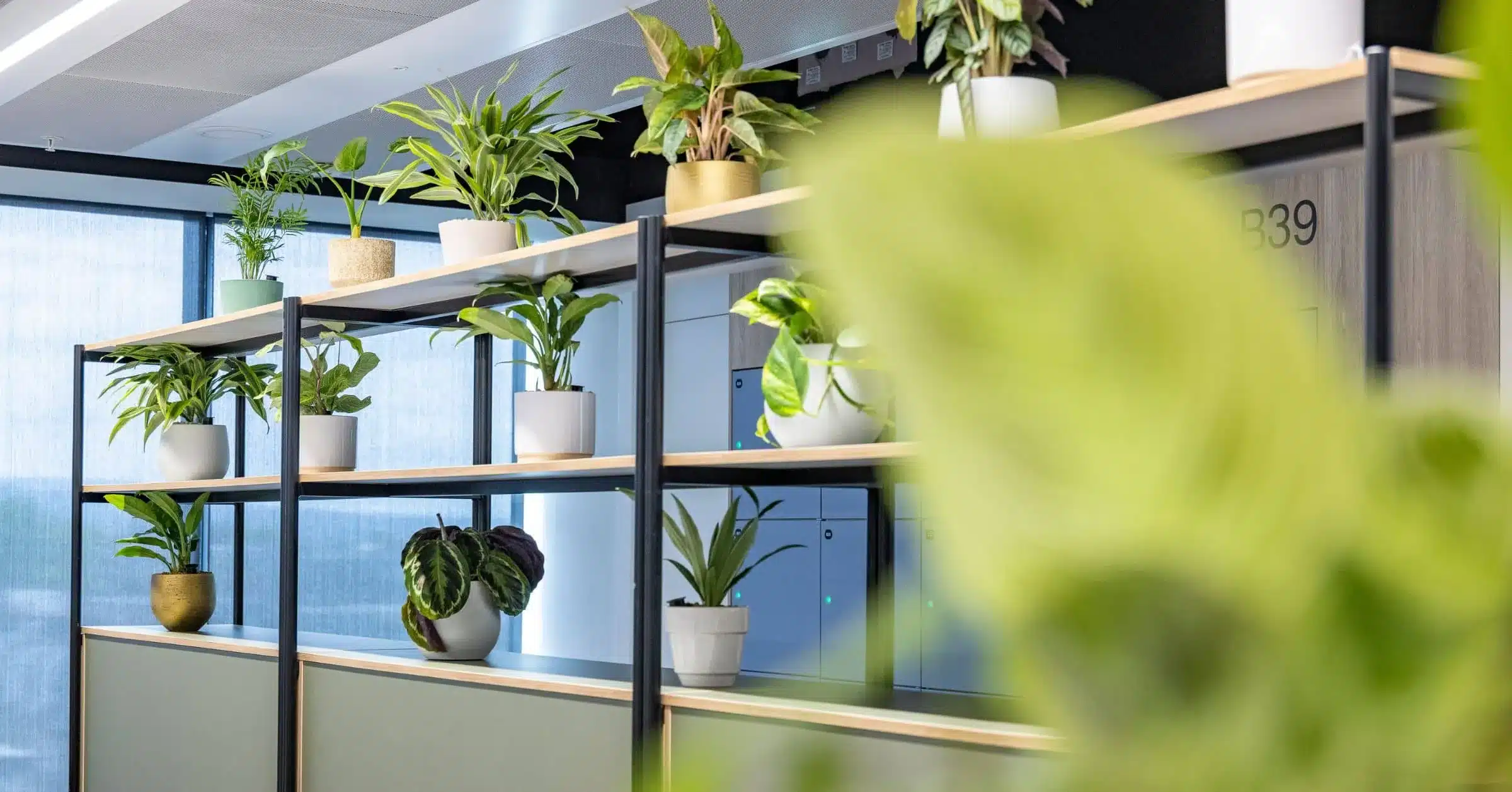
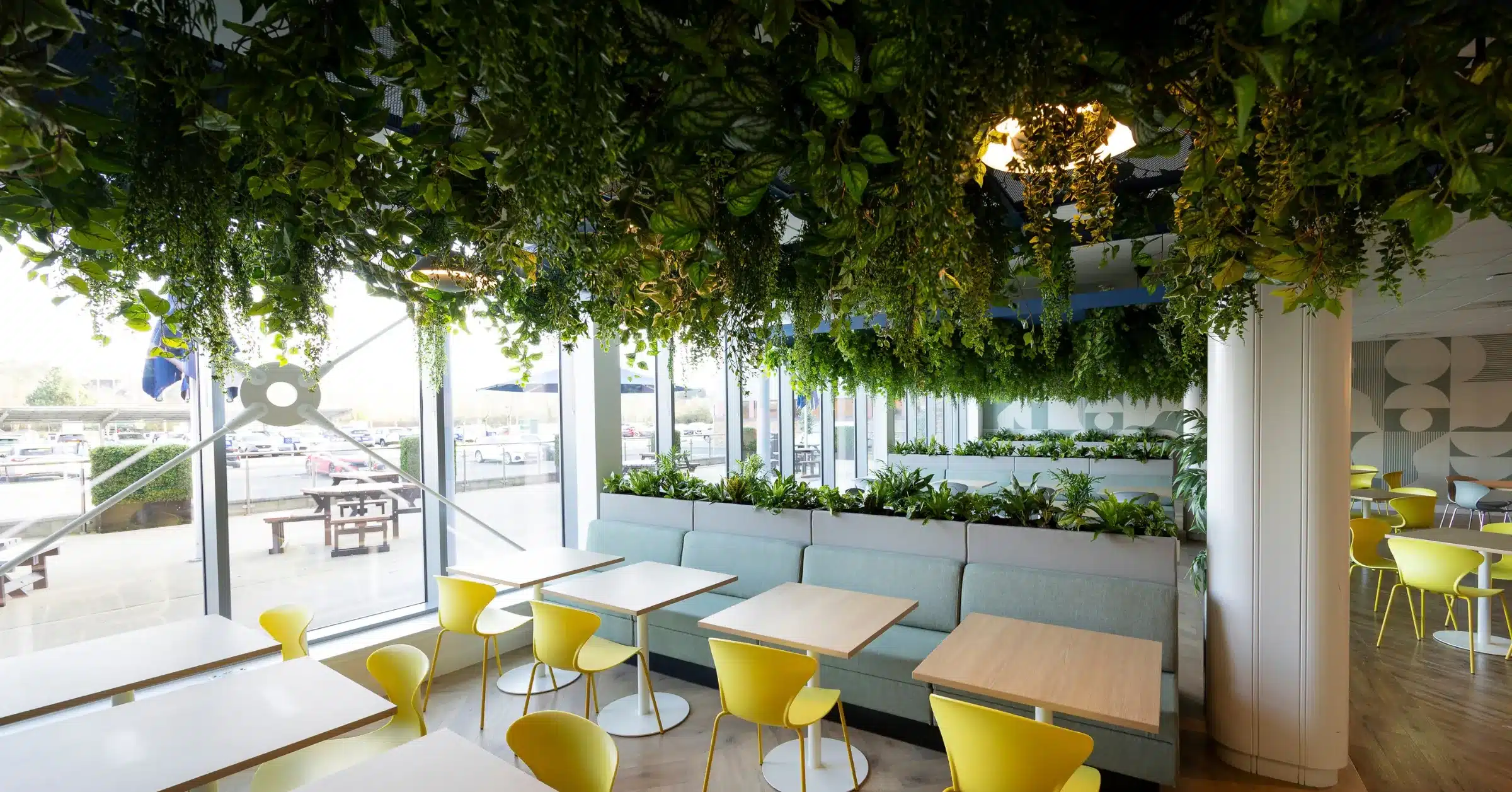
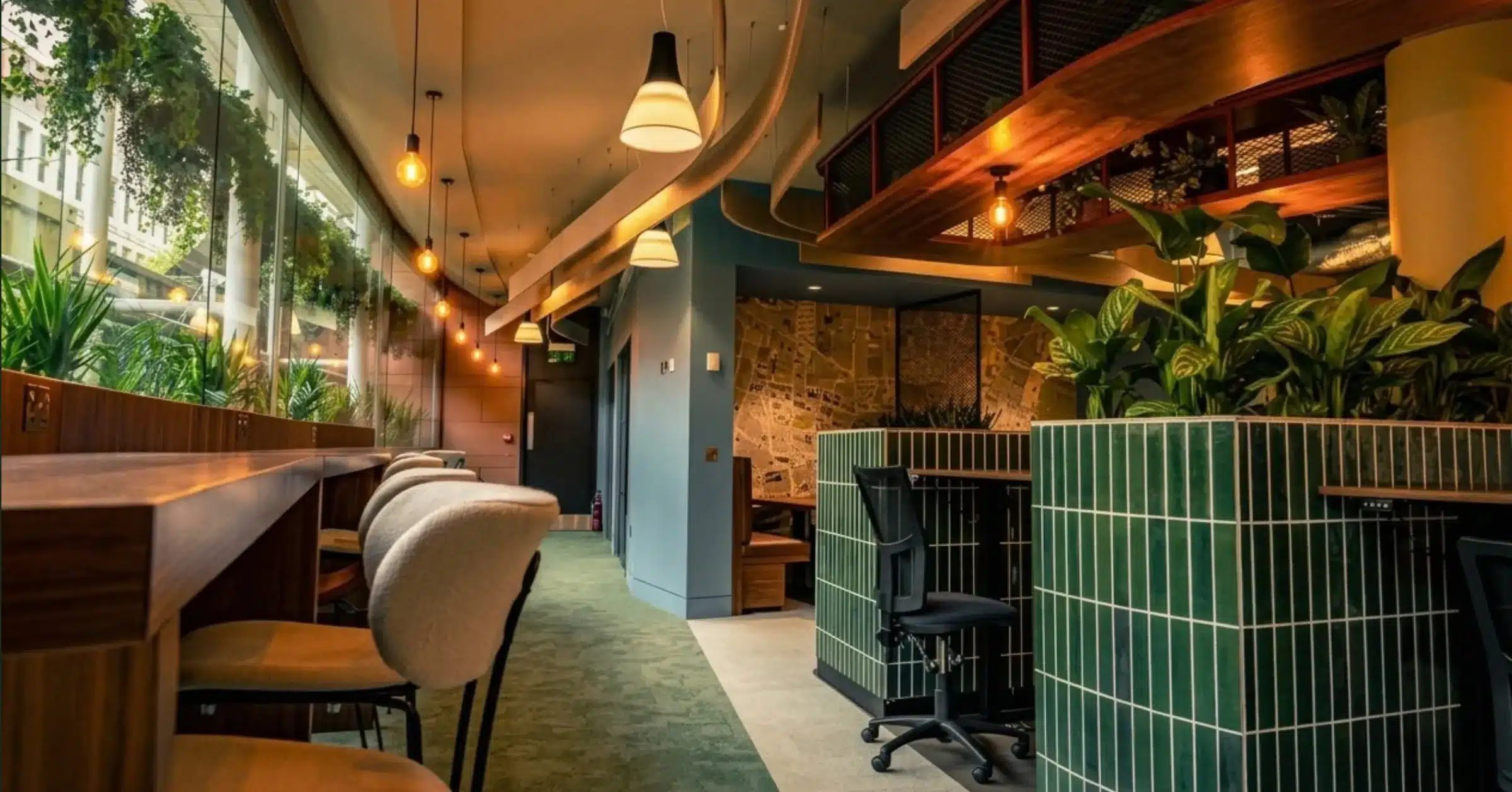
By introducing nature through planting, daylight, natural materials and organic design, organisations can create spaces that feel calmer, healthier and more inviting. Crucially, plenty of studies show that these green environments actually deliver measurable boosts to how well staff focus, feel, and perform.
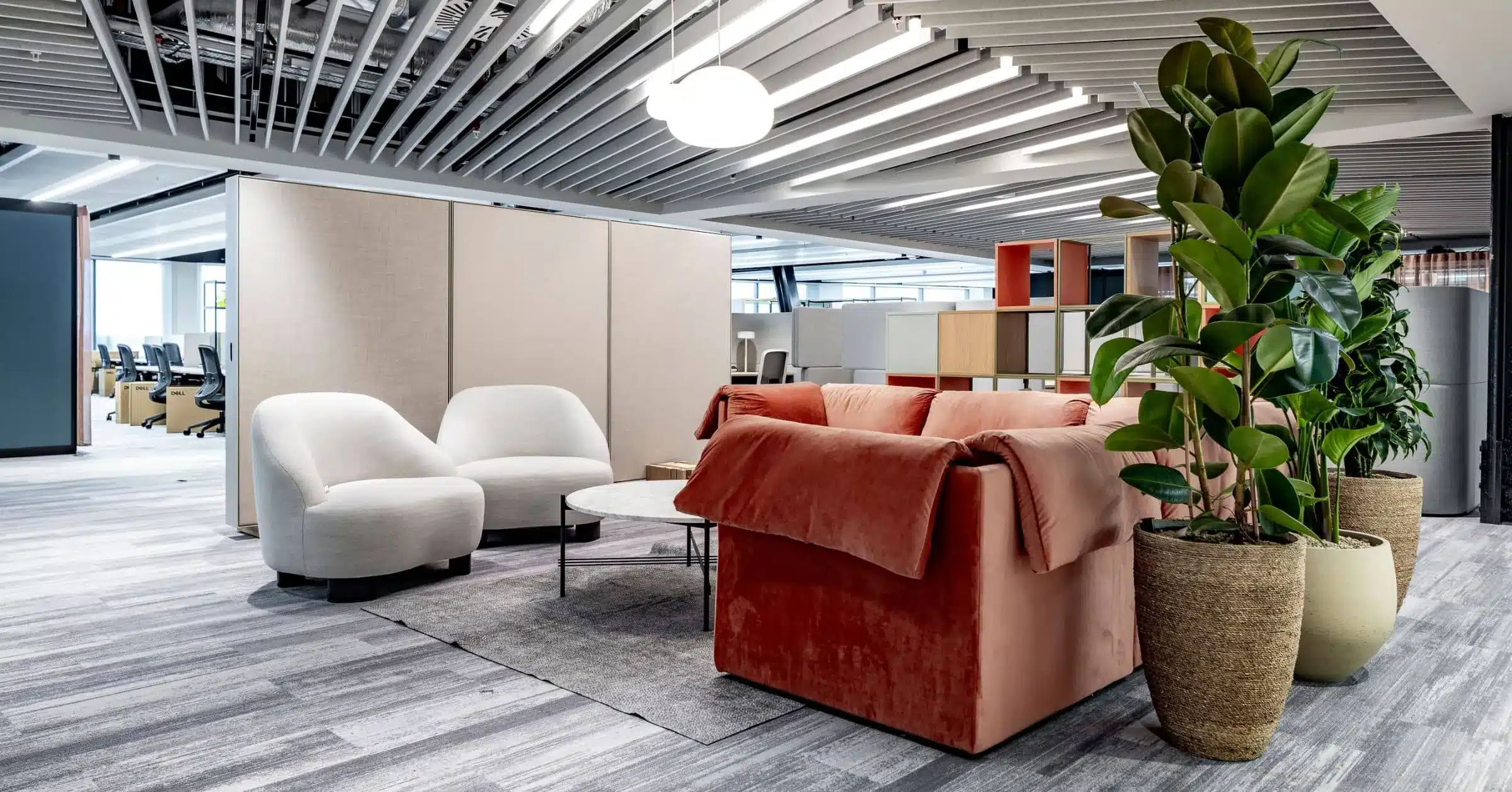
Biophilic design is rooted in a basic truth: we are naturally wired to connect with nature. While modern offices usually focus on raw efficiency, they often end up feeling sterile and draining.
Bringing in natural elements changes that, tapping back into that basic human instinct to build a workspace that looks after people both mentally and physically.
Stress is still a massive issue in almost every industry. But research shows that simply being around nature can lower cortisol levels, drop blood pressure, and bring a real sense of calm.
For facilities and office managers, this means that adding plants to the office layout is an easy way to build a space where people feel relaxed and comfortable, and ready to get on with their day.
Staying focused for hours on end takes a lot of mental energy. Under Attention Restoration Theory (ART), spending time in natural settings gives the brain’s focus mechanisms a chance to recharge, cutting down on mental fatigue.
ART was developed by environmental psychologists Rachel Kaplan and Stephen Kaplan in their 1989 book, The Experience of Nature: A Psychological Perspective.
The theory addresses a core cognitive issue: directed attention fatigue. At work, we constantly rely on “directed attention” (the effortful, conscious focus required to block out distractions, solve complex problems, and stick to tasks). Because this cognitive resource is finite, prolonged use drains our mental batteries, leading to brain fog, increased errors and higher stress levels.
The Kaplans proposed that the antidote to this fatigue isn’t necessarily total inactivity (like staring at a blank wall), but rather shifting the brain into a state of ‘soft fascination’. Natural environments naturally trigger this effortless mode of attention. When we look at leaves rustling, clouds moving, or natural textures, our brains are gently engaged without requiring conscious mental energy. This gives our directed attention pathways a chance to rest, replenish and fully recover.
In modern office design, ART has shifted from a theoretical psychological concept into an evidence-informed framework for workplace strategy, heavily driving the rise of biophilic design. Recent workplace design reviews and meta-analyses show that integrating nature cues directly into office spaces actively triggers the four core components of the Kaplans’ theory:
Ultimately, modern research applying ART to corporate spaces demonstrates that giving employees access to nature is a direct investment in the cognitive sustainability of the workforce, often translating to self-reported productivity improvements from 6-15%.
Staff expect more from their workplaces now, wanting environments that value their health just as much as their output.
Green offices just feel warmer, friendlier and more comfortable than traditional corporate setups. They make a great first impression on visitors while showing employees that their well-being actually matters.
When people enjoy spending time in a space, they are naturally more inclined to use it. As organisations continue to refine hybrid working strategies, creating workplaces that people genuinely want to return to has become an important competitive advantage.
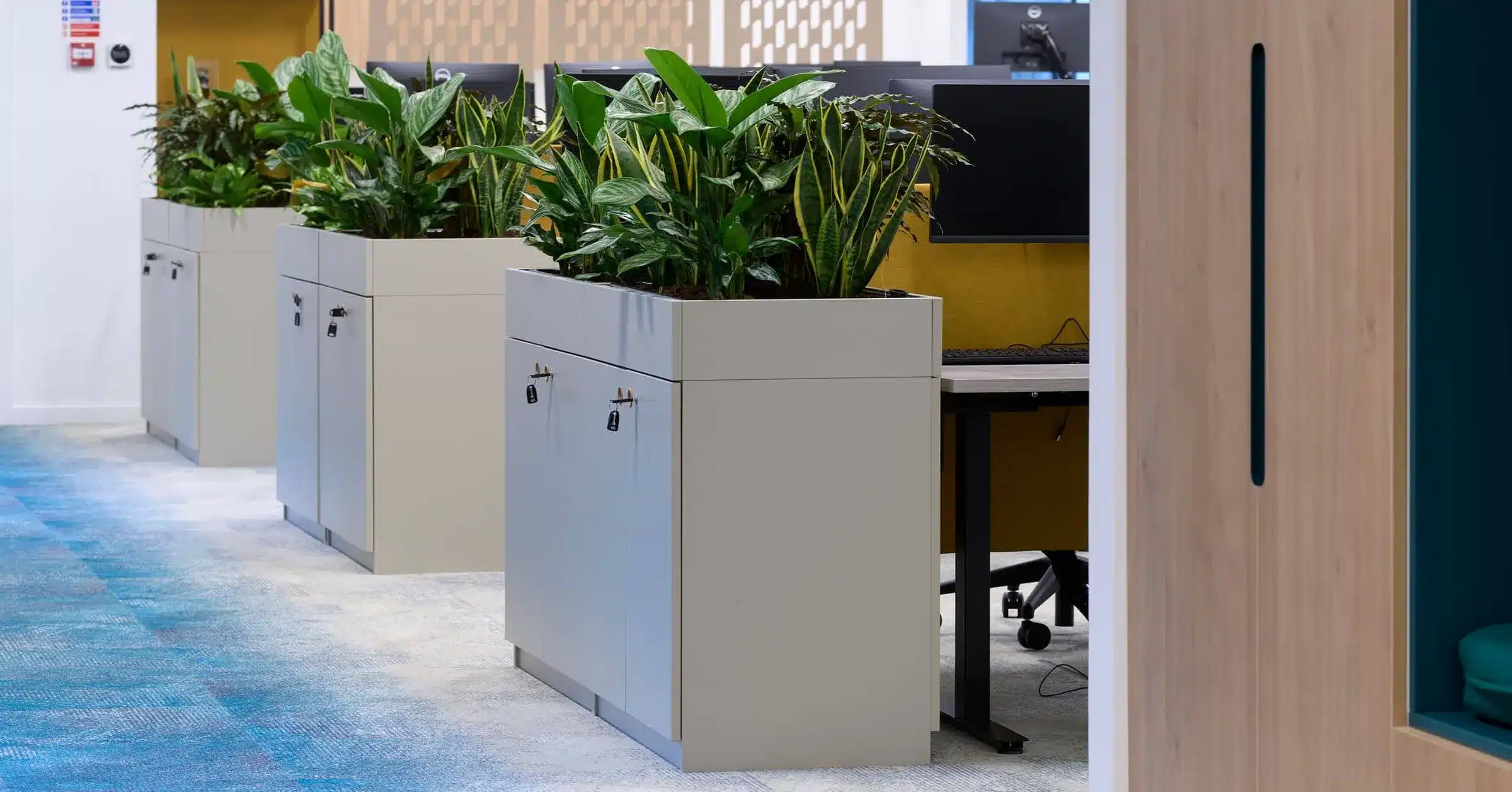
Introducing biophilic design doesn’t have to mean redesigning an entire office. Small, well-planned changes can make a significant difference.
Here is how to get started:
Of course, these features need long-term care to stay effective. Plants only thrive with regular attention, which is why Benholm provides dedicated maintenance schedules and professional plant management. We ensure your displays stay pristine and vibrant, protecting your brand image and aesthetic from the negative impact of neglected greenery.
Creating successful workplaces today is about understanding how people work best. While technology and flexible working policies play an important role, workplace design remains one of the most powerful tools available to organisations. When a space looks after the employee wellbeing, better teamwork, sharper focus, and higher job satisfaction follow naturally.
Biophilic design is an evidence-based approach that helps create healthier, more engaging workplaces where both people and organisations can thrive.
For managers looking to support return-to-office strategies, improve employee wellbeing and create workplaces that people genuinely enjoy using, investing in nature may be one of the most valuable decisions they can make.
If you’re looking to create a workplace that feels more welcoming, restorative and ready for the future of work, Benholm can help. From tailored planting quotations to ongoing plant care, we work with organisations to help bring biophilic design to life in a way that supports both people and performance. Get in touch to find out how we can help transform your workplace.