Every year on 10 October, people around the world observe World Mental Health Day, a global awareness campaign aiming to destigmatise mental ill-health and promote access to care. As workplace pressures, isolation, and rapid change intensify, mental health matters more than ever — not only for individuals, but for businesses, communities, and society.
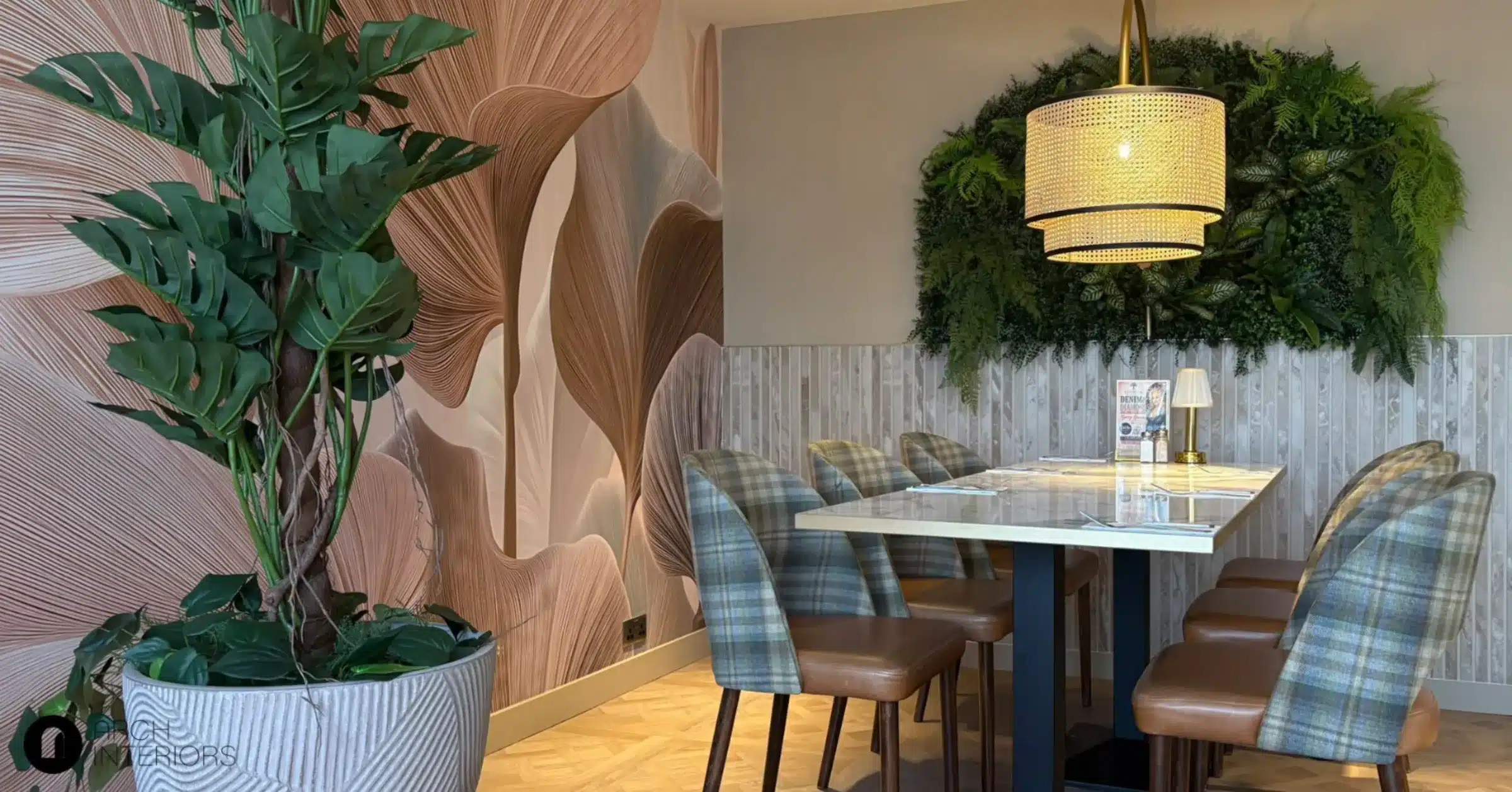
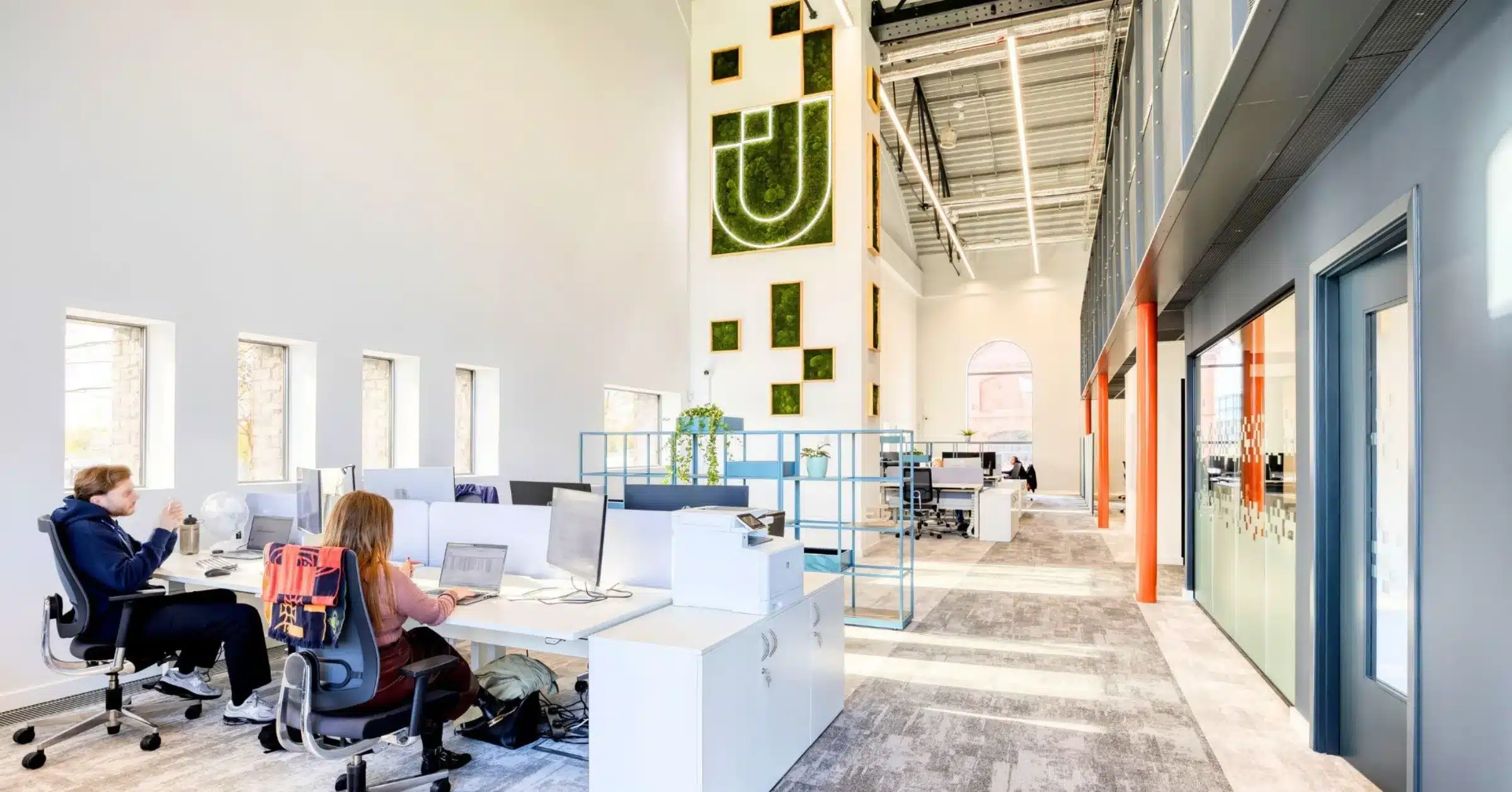
In this blog, we explore an often overlooked but powerful ally in mental wellbeing: plants. From home life to the workplace, greenery can do more than decorate — it can actively support psychological health.

Mental health challenges are pervasive. In the UK, stress, depression and anxiety accounted for majority of days lost due to work-related ill health in 2023-24.
Some specific issues in modern work life include:
Because mental health doesn’t stay in a vacuum — it affects performance, retention, innovation, and relationships — it’s critical to take proactive steps rather than waiting for crises.

The concept of biophilia suggests humans have an innate affinity for nature and living organisms. Integrating natural elements into built environments (e.g. greenery, natural light, water features) is known as biophilic design. Such environments help restore attention, reduce stress, and support wellbeing.

Numerous studies support the mental health benefits of plants and nature exposure. Some key findings:
In aggregate, while some studies are small or context-specific, the weight of evidence supports that plants offer meaningful psychological, physiological, and cognitive benefits.

Here’s how plants exert their positive influence:
Simply being near plant life or interacting with plants triggers calming responses. Studies show reduced blood pressure, lower heart rate, and a dampened “fight or flight” response. Even passive exposure to plants (seeing them) yields lower perceived stress.
Greenery introduces life, colour, and vibrancy into otherwise sterile spaces. That visual and sensory stimulation helps uplift mood, reduce feelings of negativity, and bring a sense of psychological restoration.
Many indoor plants can absorb certain volatile organic compounds or help moderate humidity, contributing to better indoor air. Cleaner air may reduce headaches, fatigue, and cognitive burden — which indirectly supports mental clarity. (Though note: plants aren’t a standalone air filtration solution, but a complementary one.) Some studies specifically reported fewer complaints about dry air in offices after plant introduction.
By reducing mental fatigue and providing “micro-restorative” moments (brief attention breaks), plants help the brain reset. Some empirical work shows improved performance on tasks, better concentration, and higher subjective feelings of productivity in plant-rich settings.
In short: happier, healthier, more alert people tend to deliver better results.
Here are ideas for integrating plants in different settings:


Some plants with calming associations: lavender, rosemary, jasmine — used in horticultural therapy for mood support.
Tip: It’s more beneficial to have several smaller plants distributed around a space than one large plant. That enables more visual touches and movement around nature.
World Mental Health Day is not just symbolic for businesses, it’s a reminder that mental wellbeing is integral to performance, retention, brand, and culture. When employees feel supported, they contribute more, stay more, and sustain resilience in challenges.
At Benholm, we can help businesses translate greenery into a strategic wellbeing tool, designing spaces where plants are functional, aesthetic, and psychologically restorative.
Take a moment today to reflect: where in your environment could you introduce a touch of green? A small potted plant, a leafy corner, a living wall?
Ready to make your workspace more mentally supportive? Contact us – let us help you create a greener, healthier environment for your team and your clients.