In an era lit by iPhone screens, ruled by notifications, and crowded with commitments, the simple act of even stepping outside can feel almost revolutionary, especially during the colder, darker and wetter months.
Nowhere is this more evident than in hospitals: environments that can often feel cold, clinical and emotionally draining.
It raises an important question: how can people to truly heal when they’re surrounded by spaces that offer little comfort, warmth, or restoration?
Nature Scot says, “Going outdoors is not always possible, so bringing the outdoors in, has been produced to provide healthcare practitioners with ideas for indoor activities that enable the benefits of nature connection, particularly aimed at people experiencing mental ill health.”
Murray Sutherland, an experienced Mental Health Researcher and Autism Specialist, describes just how far-reaching the effects of nature connection can be for patients within hospital settings.
“Connecting with green space has been linked with a lowering of stress, reduced symptomology for depression, psychiatric morbidity, psychological distress, clinical anxiety and mood disorders,” he says.
With over 35 years of experience across mental health nursing, clinical research, and psychological therapies, Murray believes nature’s benefits stretch far beyond a pleasant afternoon outdoors. They are emerging as accessible, evidence-backed supports for mental health across a wide range of conditions. This is especially crucial in healthcare settings, where healing environments can make a measurable difference.
Even for individuals who can’t easily spend time outside, indoor greenery offers its own advantages.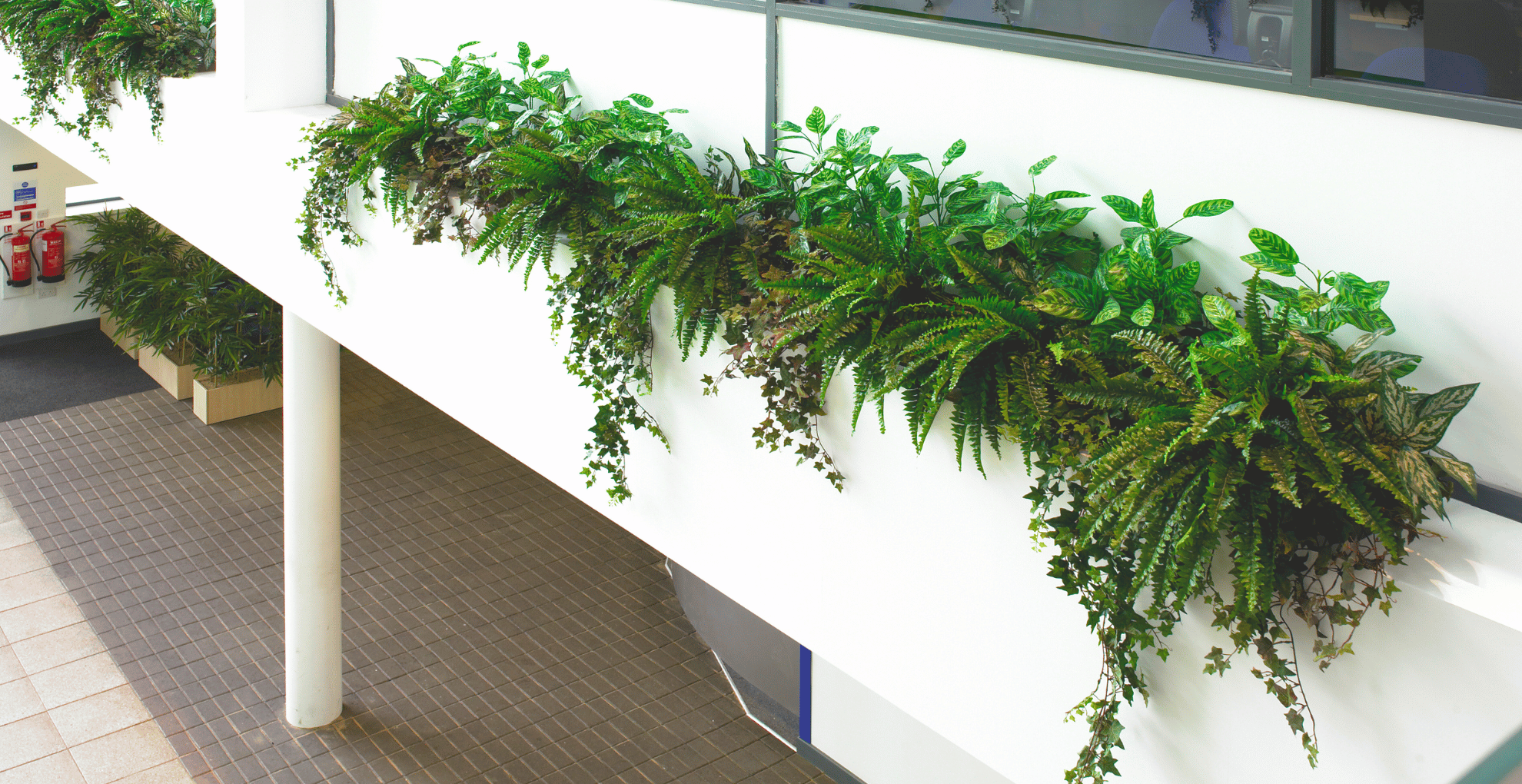
Studies show that plants in workplaces and hospital wards can reduce stress, boost efficiency, and promote more positive physical and psychological states.
Research from 2020 conducted by the Graduate School of Landscape Design and Management, University of Hyogo, found that indoor greenery is associated with a 37% drop in tension and anxiety.
This growing understanding is now shaping the way cities, workplaces, and healthcare environments are designed.
Murray also notes that medical professionals are increasingly turning to “green prescriptions” to complement traditional treatment and encouraging activities such as gardening, guided walks, or community nature groups.

Murray highlights the neurological impact:
“When we examine changes in brain activity associated with exposure to nature, researchers have observed increased activity in the brain related to positive emotions.”
The case for greener spaces isn’t just clinical, it’s economic.
According to the University of Aberdeen, an NHS report found that facilities with access to green spaces could save the health service £82 million. And research from NERC and the ESRC (2025) found that even having a simple view of green space provides health benefits valued at £300 per person per year. Passive contact with nature still matters.
So what happens when workplaces begin to recognise these principles?
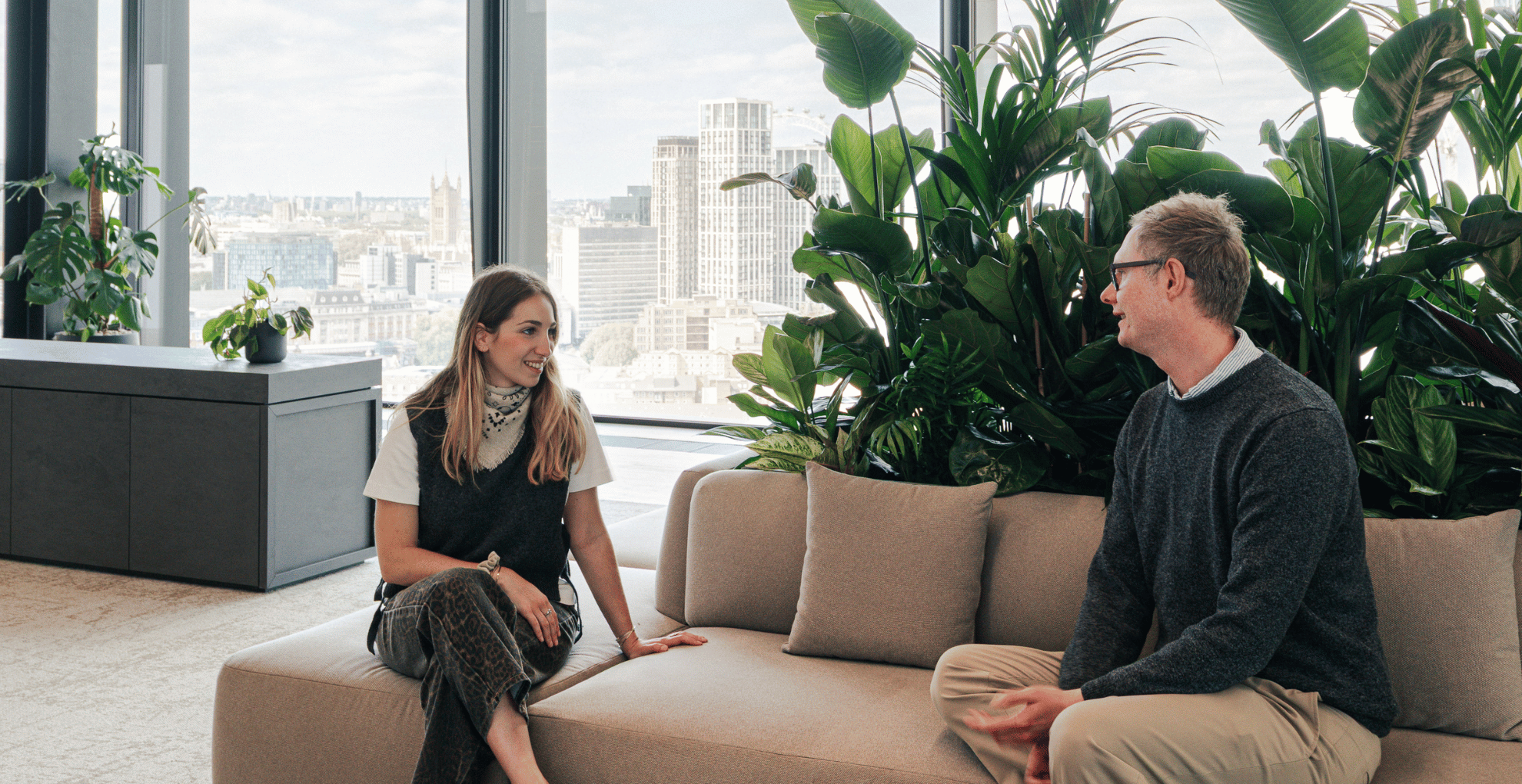
Urban planners are incorporating more parks, green corridors, and riverwalks into cities. Offices are embracing biophilic design: natural light, indoor planting, outdoor work zones, to counter the mental fatigue associated with enclosed, artificial spaces. Schools trialling outdoor classrooms are reporting improvements in children’s concentration and stress levels.
In a world that can often feel overstimulated and overwhelming, nature remains one of the most accessible, reliable, and scientifically supported tools for healing.
For employers, investing in greener commercial spaces is far more than a design choice. It’s an investment in wellbeing, productivity, and creating environments where people genuinely want to be and where they can naturally thrive.