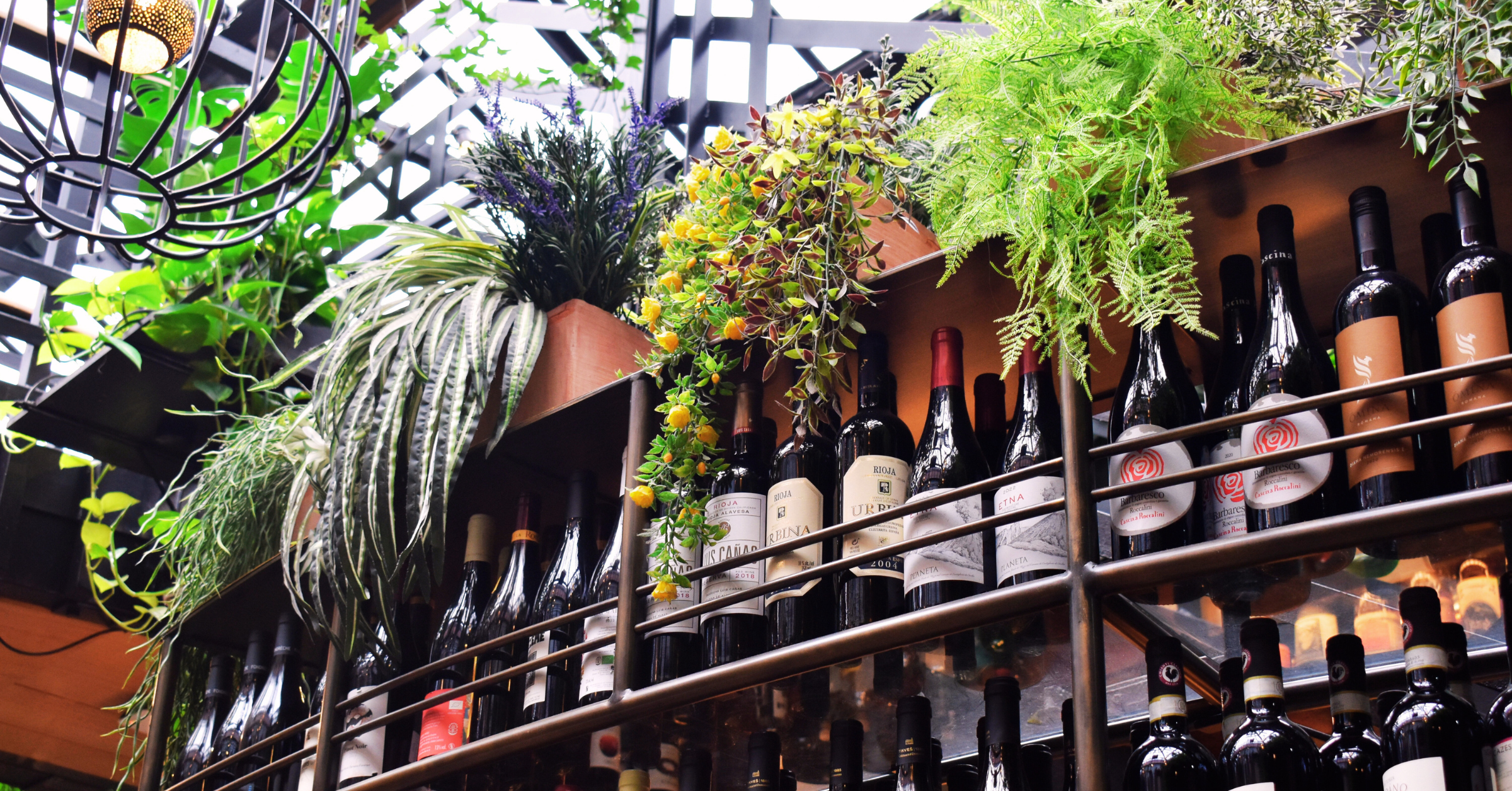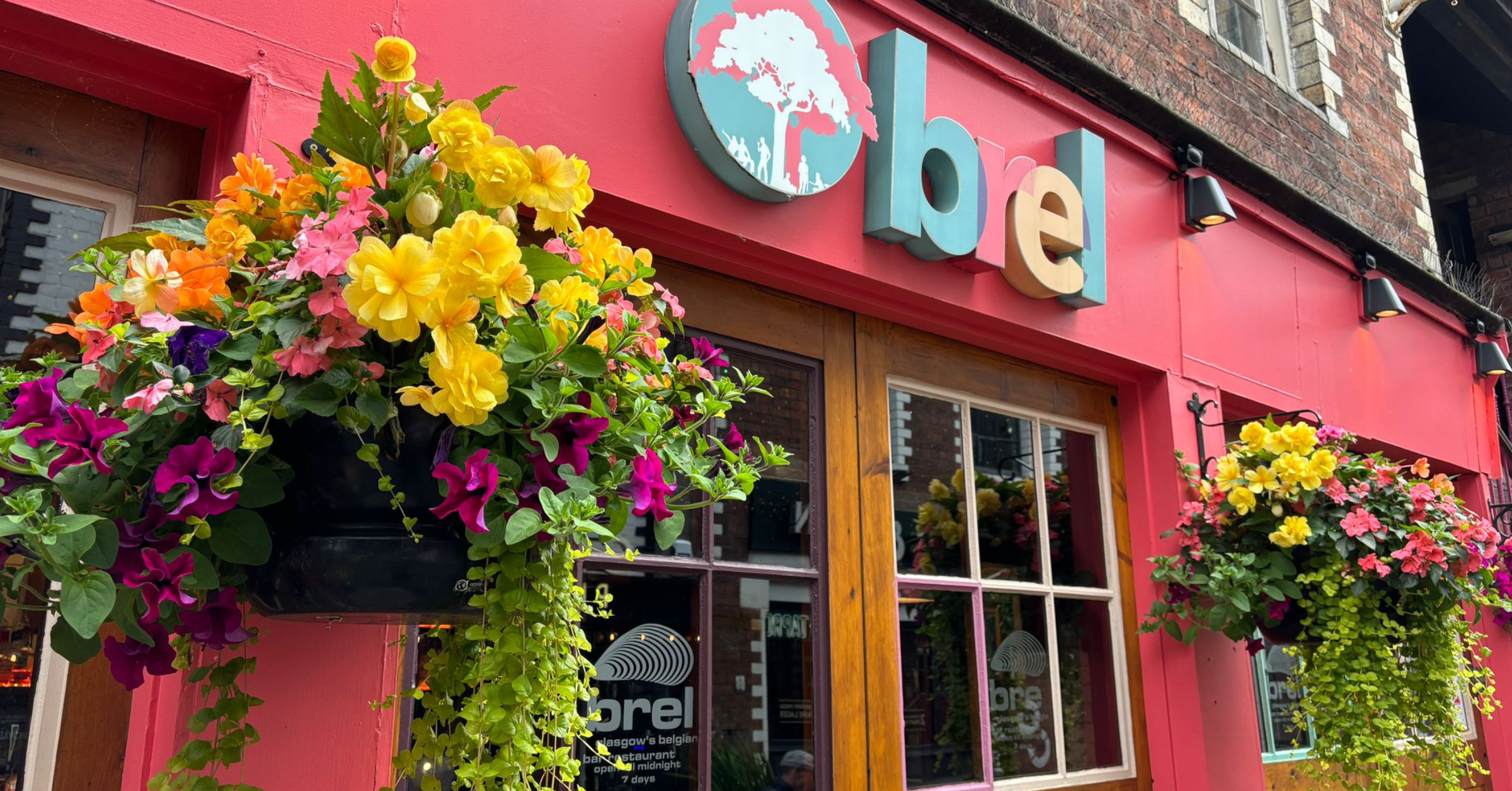
Restaurants rely heavily on atmosphere. From lighting and music to furniture and layout, every element contributes to how customers experience the space. Plants can play a powerful role in shaping that environment, adding warmth, texture and a connection to nature. They can soften dull interiors, help define spaces within open dining areas, and contribute to a more relaxed dining experience for customers.
However, introducing plants into a busy hospitality setting raises a lot of questions. Where should they go? What plants will actually survive in a restaurant environment? And how much maintenance is involved?
Understanding the basics before you begin can make the process far simpler.
Before choosing any plants, it’s important to understand the environment they will be placed in. When restaurants contact us about planting, our first questions usually focus on the conditions within the space.
These typically include:
Lighting is often the biggest factor. Many restaurants rely on ambient or decorative lighting rather than natural daylight, which can limit the types of live plants that will thrive. In this case, artificial planting is your best option.
Other practical considerations include available floor or wall space, customer flow, and proximity to kitchens or doors that may affect temperature.
Restaurants use planting in different ways depending on the layout of the space and the atmosphere they want to create.
Large plants at entrances or focal points.
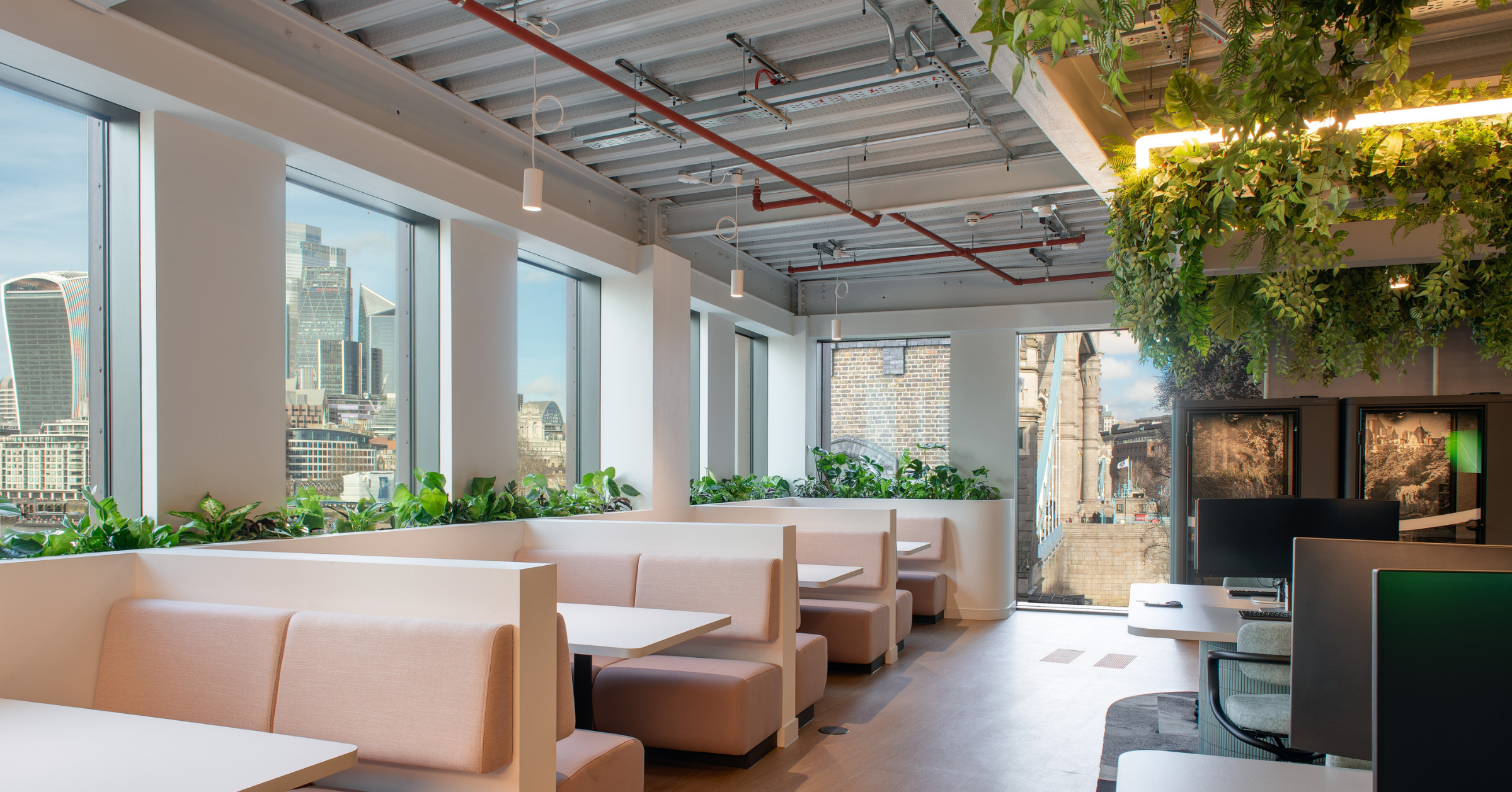
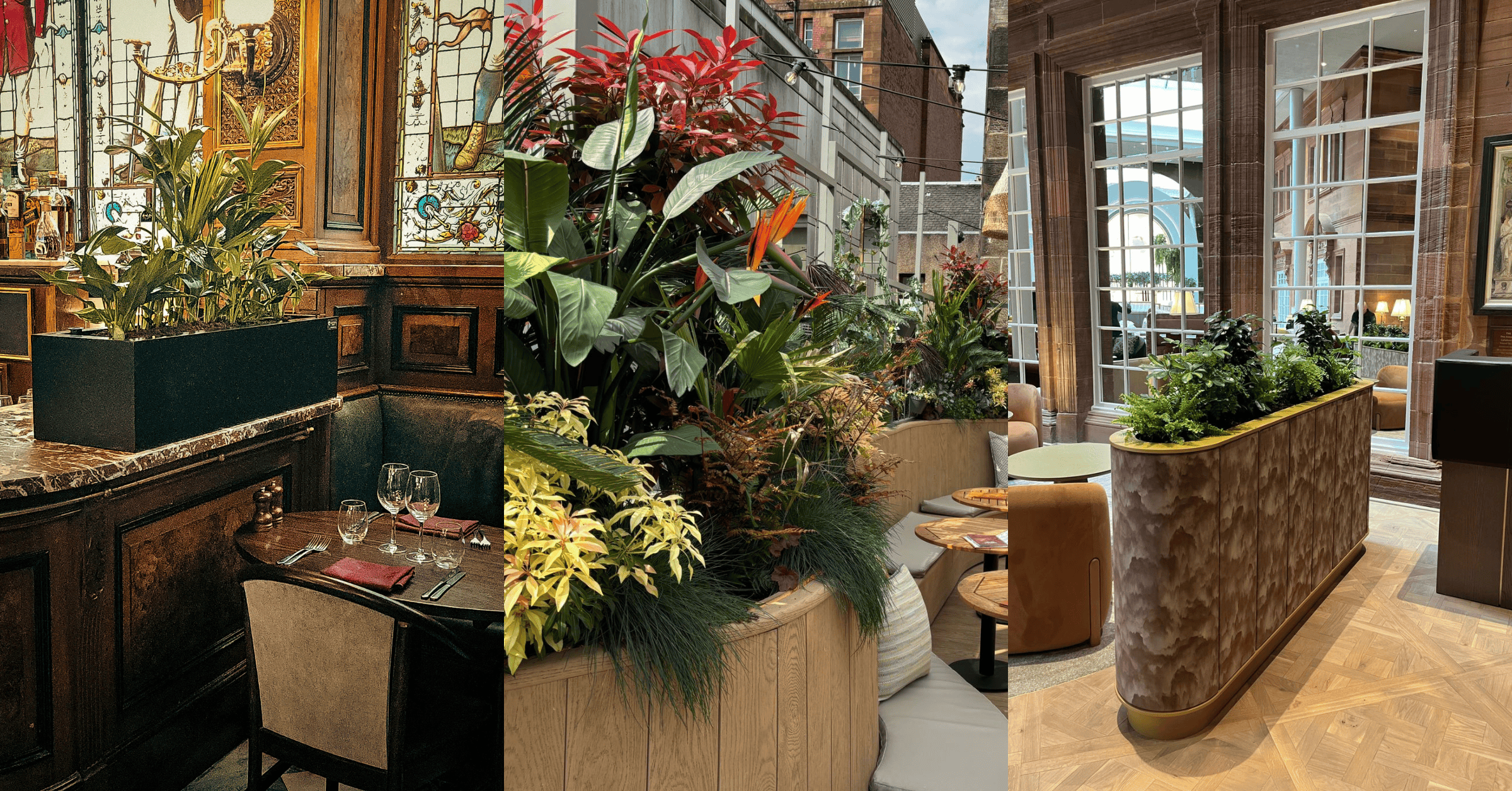
Used to create subtle separation between tables, divider planters help create different dining areas without making the space feel closed off. They can also be moved to accommodate events, layout changes, or varying seating arrangements.
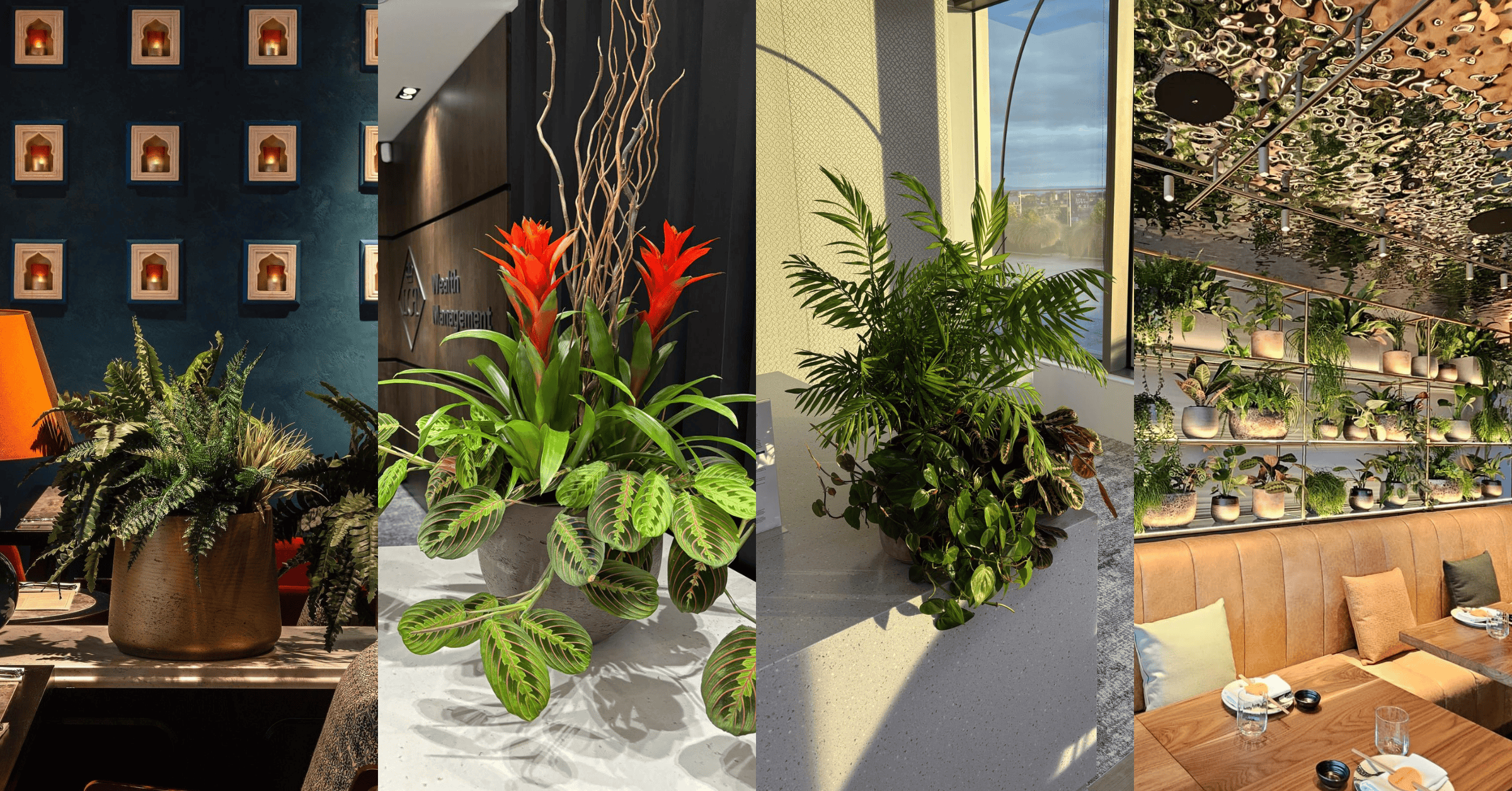
Small planting to soften tables.
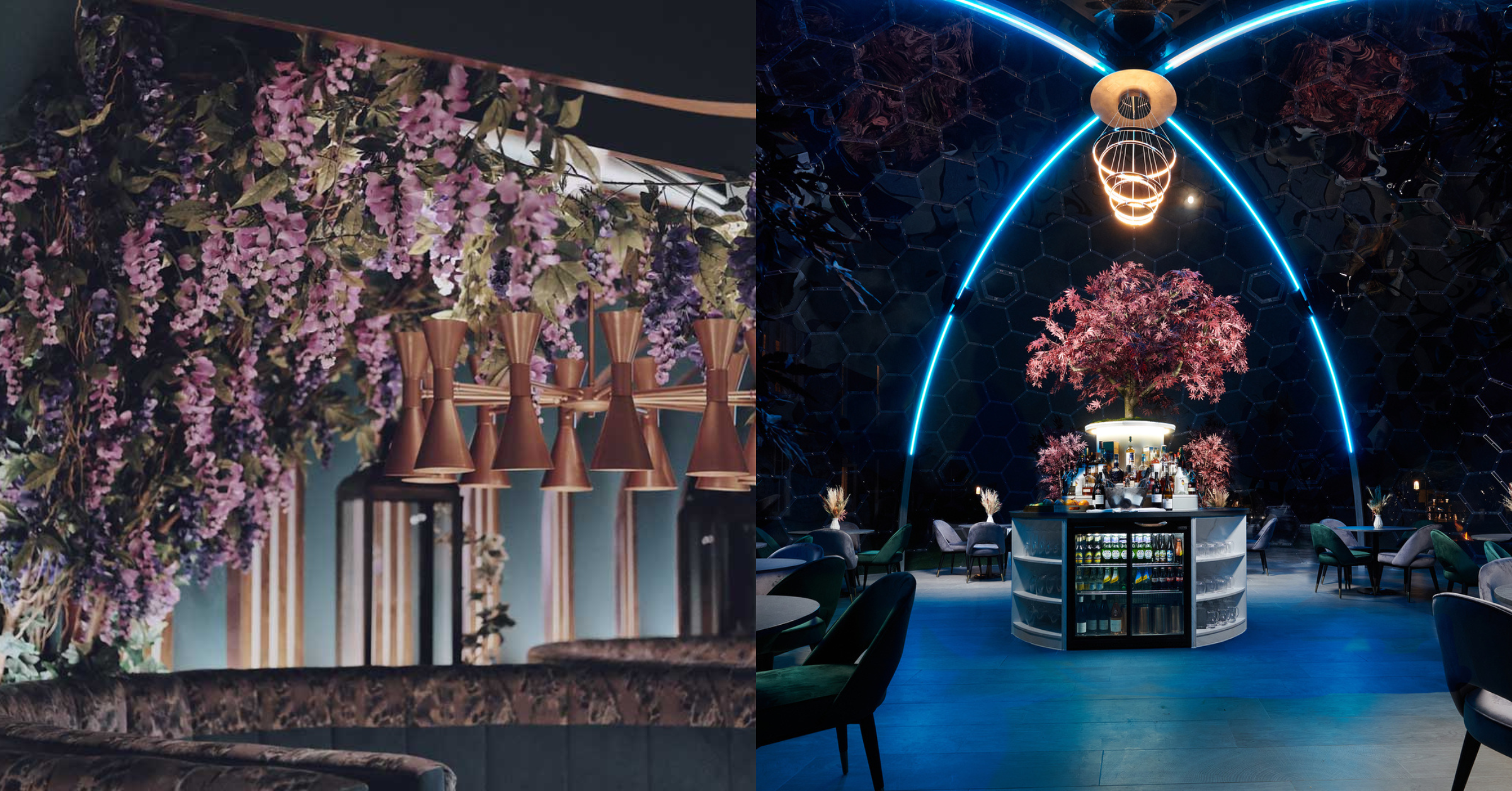
Feature installations for visual impact.
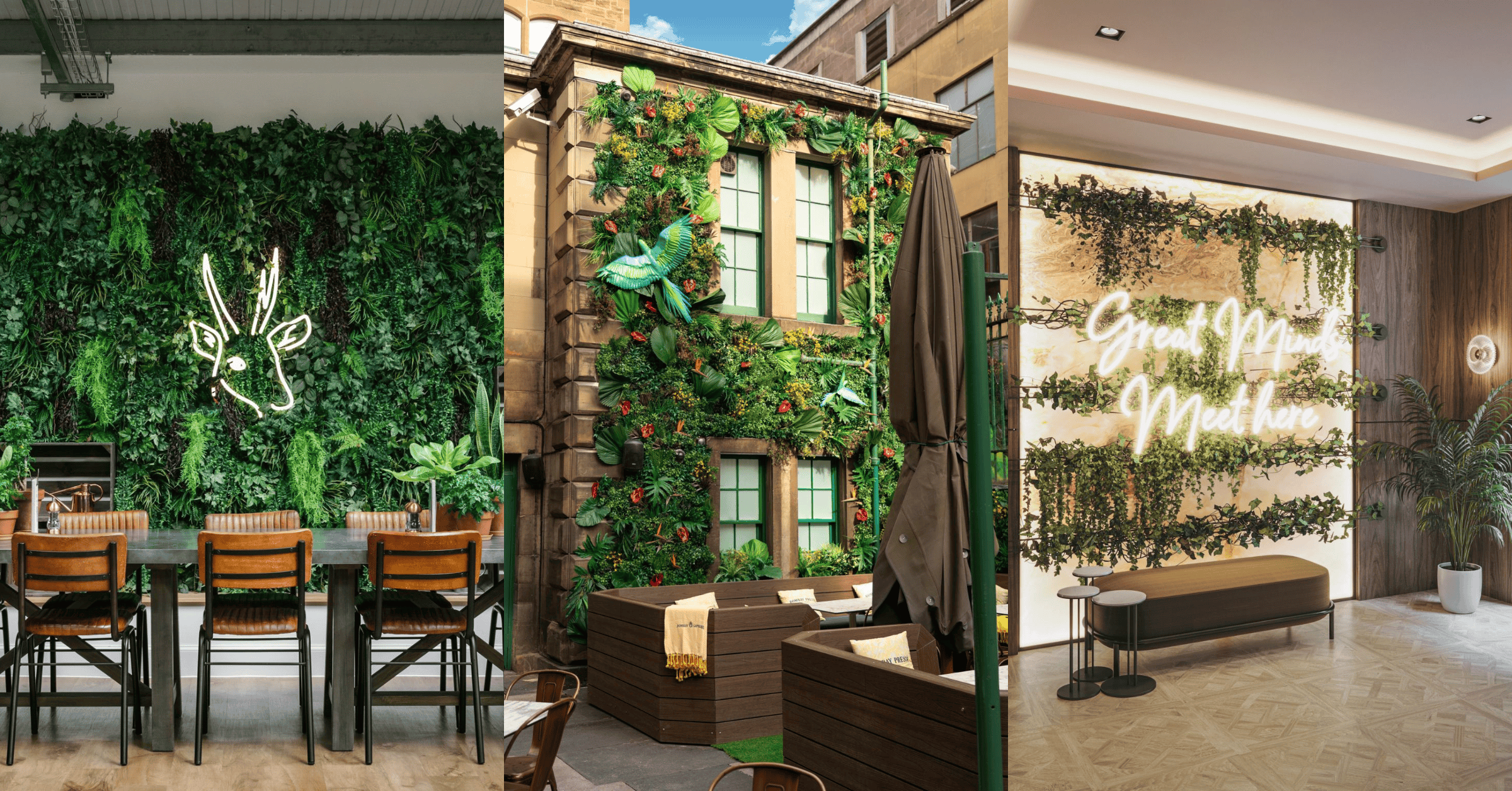
In hospitality projects, the overall theme or style of the space is often the biggest influences in our planting specifications.
In some restaurant environments, artificial planting may be the most practical solution. This is particularly true in areas with little natural light, very high ceilings, or installations such as ceiling rafts or bar features where maintaining living plants would be difficult.
Artificial planting can also be specified with fire-rated materials, which is often a requirement in public hospitality spaces.
Another advantage is durability. Restaurants frequently host events, large bookings, and busy service periods where spaces become crowded. Artificial planting is robust and able to withstand busy environments, making it a practical option in areas where children or high footfall could otherwise risk damaging live plants.
Live plants are living elements and require ongoing care. Maintenance with Benholm involves:
Choosing the right plants from the start significantly reduces maintenance issues, which is why consulting planting experts is so important in hospitality environments.
If you’re unsure where to start, the process is straightforward.
Certain plants are better suited to the conditions typically found in restaurant environments.
These plants tend to perform well in environments where people may brush against them or where conditions are less controlled.
One of the most common issues occurs when plants are placed in environments that don’t suit them. Low light levels, cold drafts, or unsuitable outdoor conditions can quickly lead to poor plant health.
Another challenge is when restaurants attempt to introduce planting themselves without fully considering the long-term environment or maintenance requirements. While DIY planting can work in some cases, professional planting schemes are designed to perform over time rather than just look good on installation.
Seeking a well-thought out planting scheme from the beginning helps avoid these problems.
Whether you’re designing a new restaurant or refreshing an existing space, the right planting can help transform the atmosphere and create a more welcoming environment for customers.
If you’re unsure where to start, speaking with our Sales team can help you choose the right approach for your space and develop a planting scheme that works with your interior design, lighting conditions and long-term maintenance needs.