Whether you’re looking to breathe life into a bustling office or create a branded display for a showroom, the question always crops up: Should we go live or artificial?
At Benholm Group, we’ve spent over 30 years helping businesses transform their spaces with greenery. We’ve seen trends come and go, but the debate between “Live” and “Artificial” remains a hot topic. The truth? Both have a vital role to play.
Here is the lowdown on how to choose the right foliage for your environment.
The Power of Live Plants
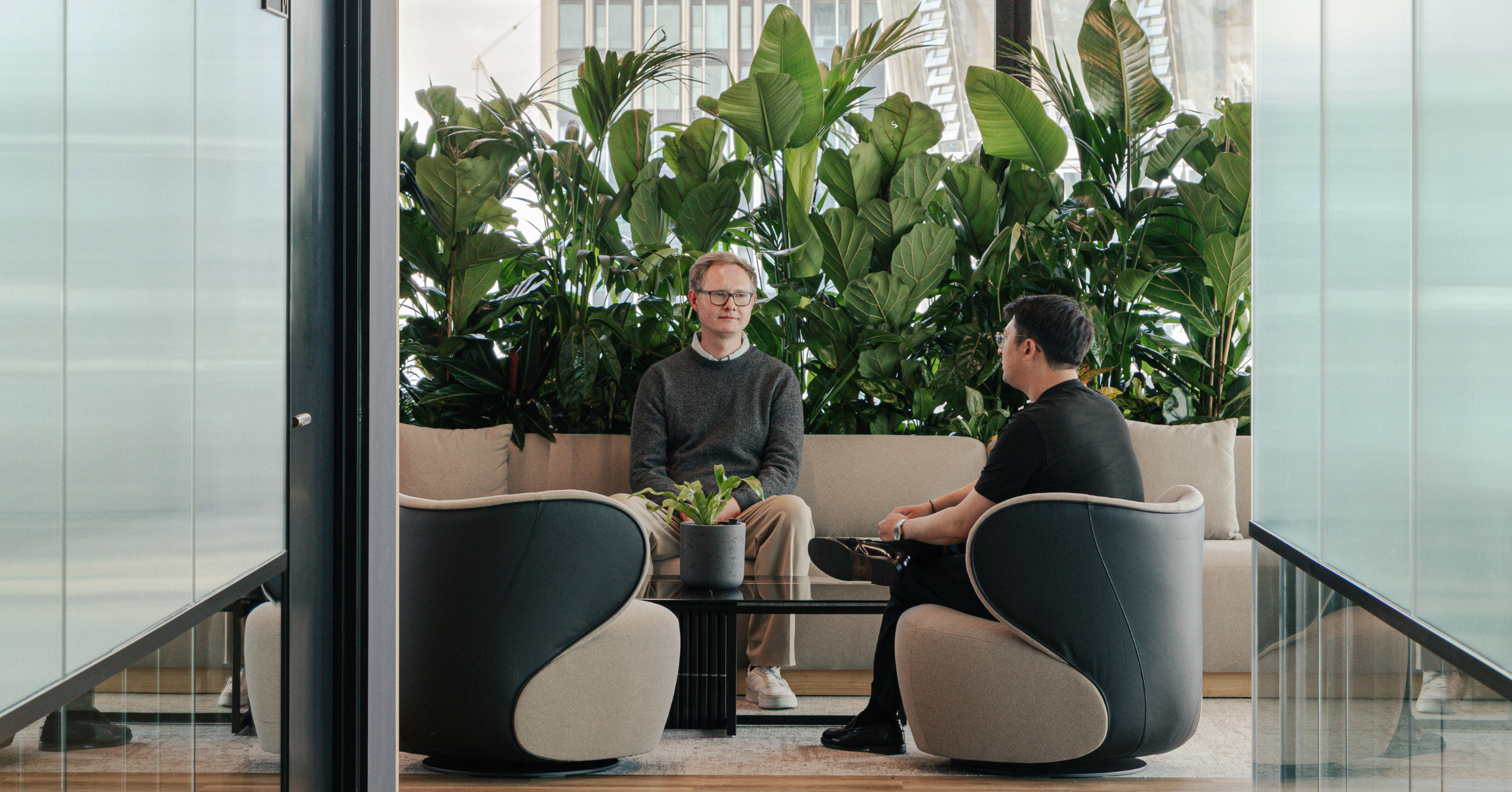
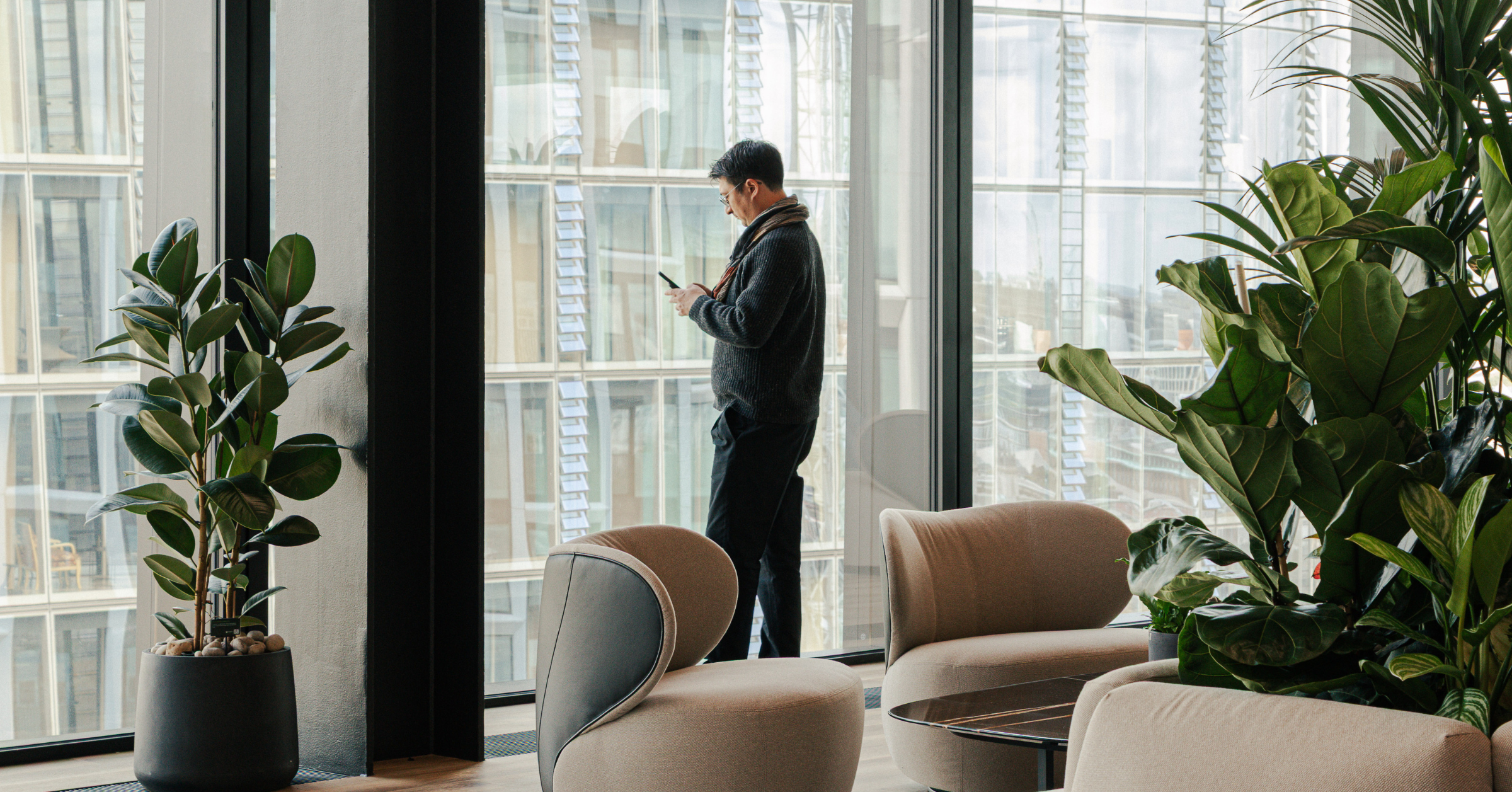
There’s a reason we talk about biophilic design – the innate human need to connect with nature. Living plants aren’t just décor; they are active participants in your workspace.
- The NASA factor: Real plants are natural air purifiers. They absorb CO2 and release fresh oxygen, but they also scrub the air of Volatile Organic Compounds (VOCs) – those nasty toxins found in carpets, paints and printers.
- A natural humidifier: Modern offices with air-con can get incredibly dry. Living plants help regulate indoor humidity, which is great for your skin, eyes, and respiratory health
- The happiness boost: Research shows that real greenery can increase well-being by up to 47% and productivity by 6%. There’s something about the morphic nature of a plant – watching a plant grow or a new leaf unfurl – that kills the monotony of a 9-to-5.
- Eco-friendly lifecycle: Living plants are renewable and biodegradable. When they reach the end of their life, they can be composted, returning to the earth rather than a landfill.
Amazing Artificials
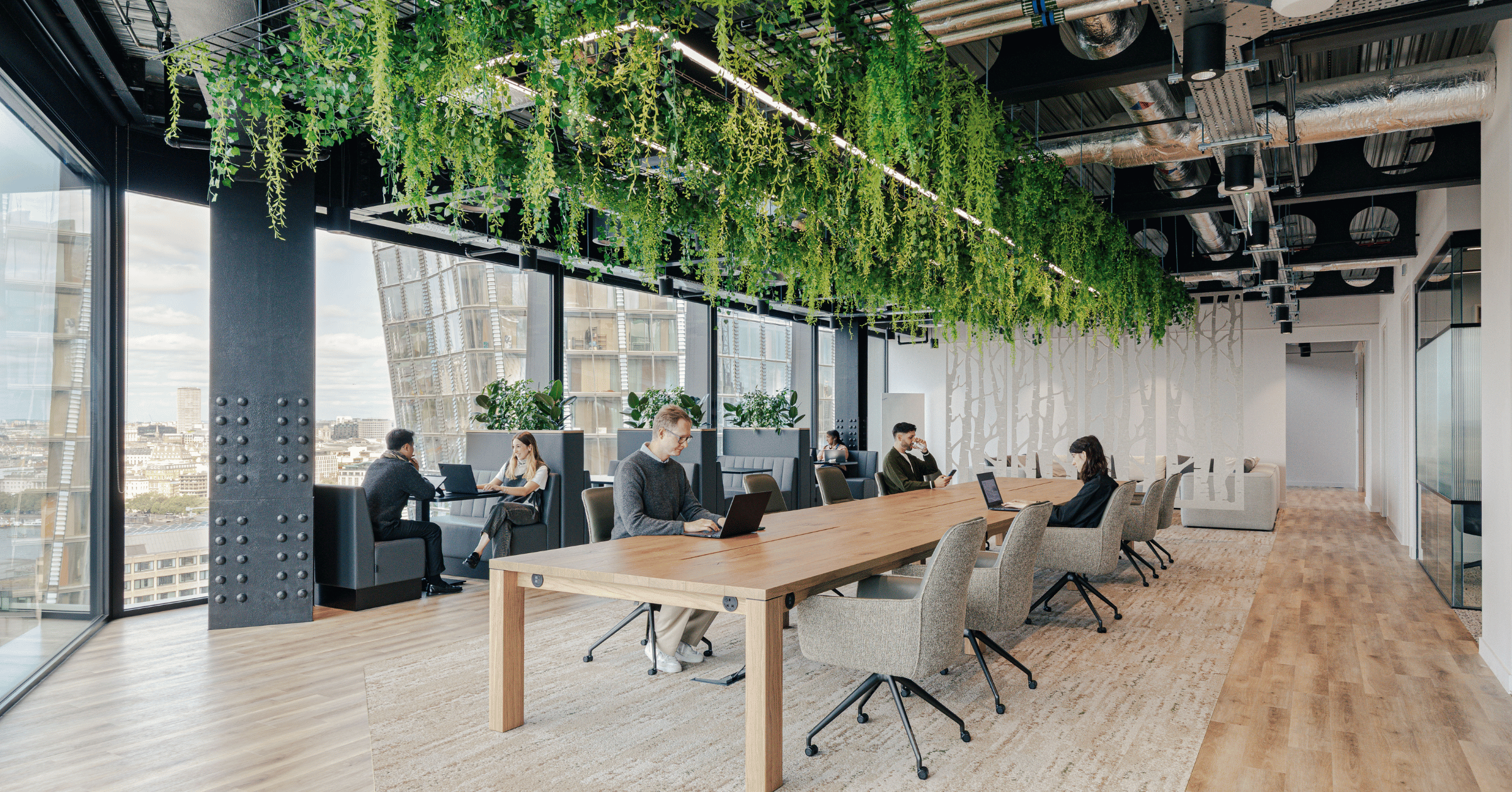
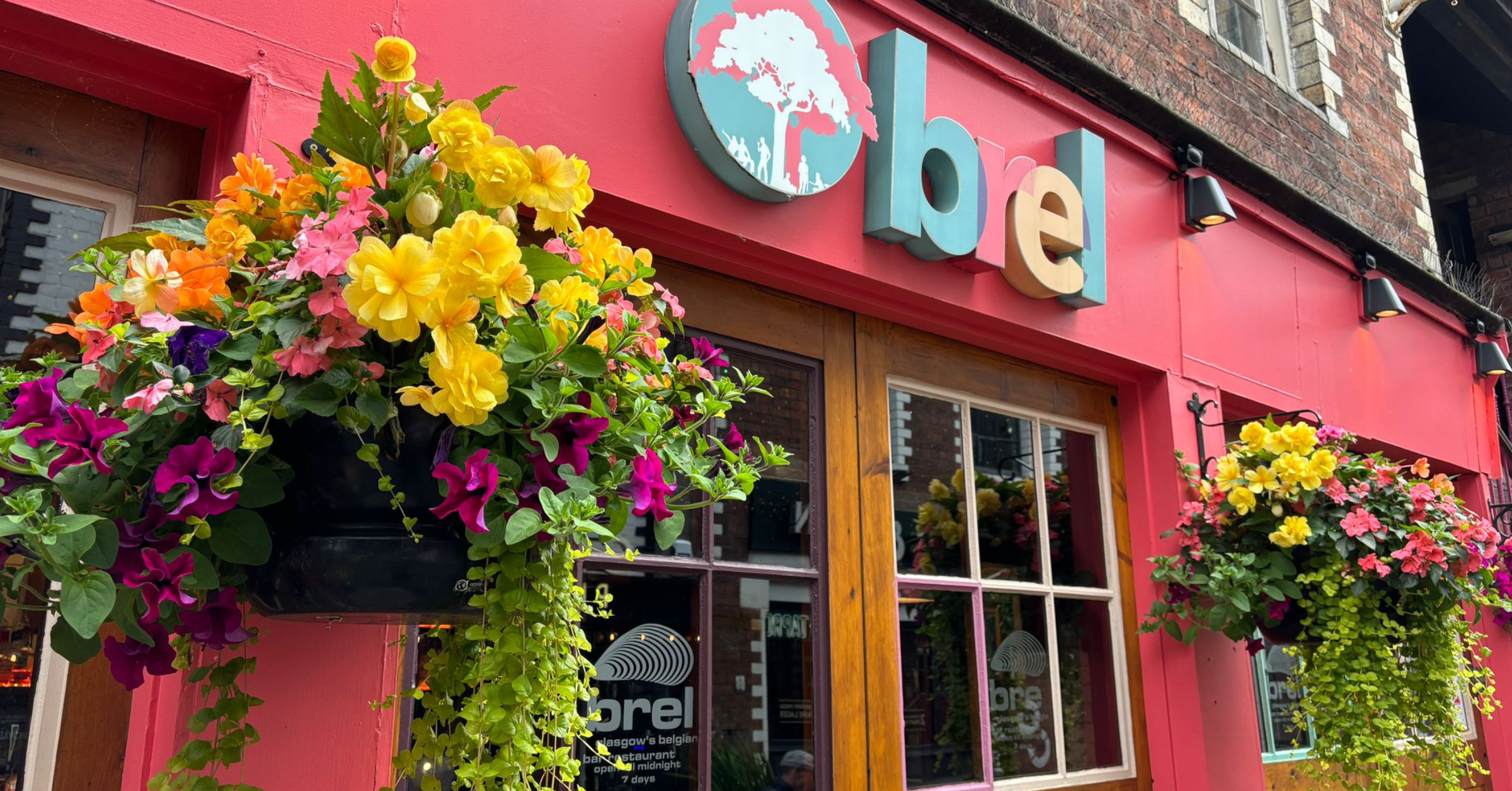
Modern, premium-grade artificial plants are so lifelike you usually have to touch them to tell the difference.
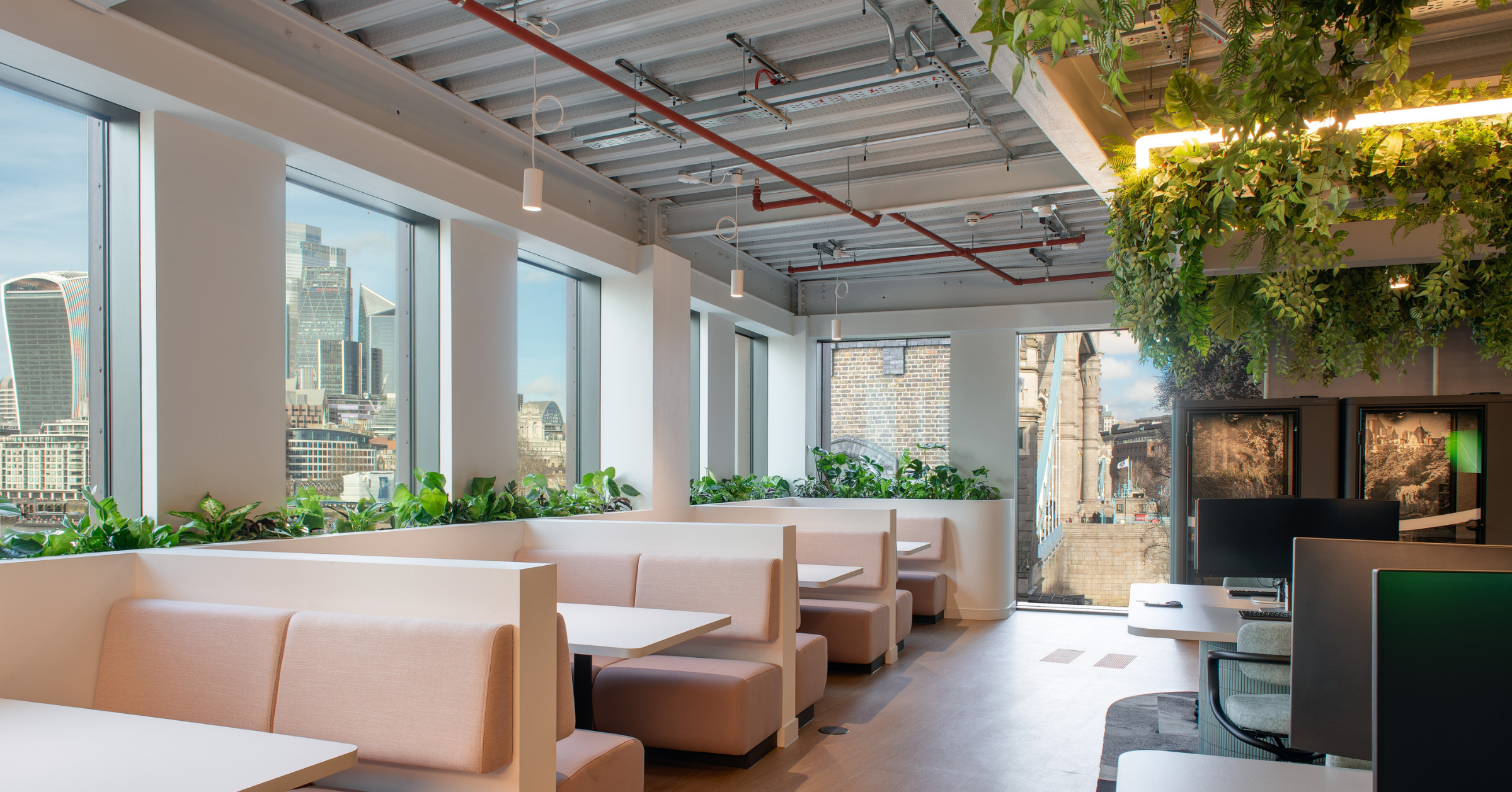
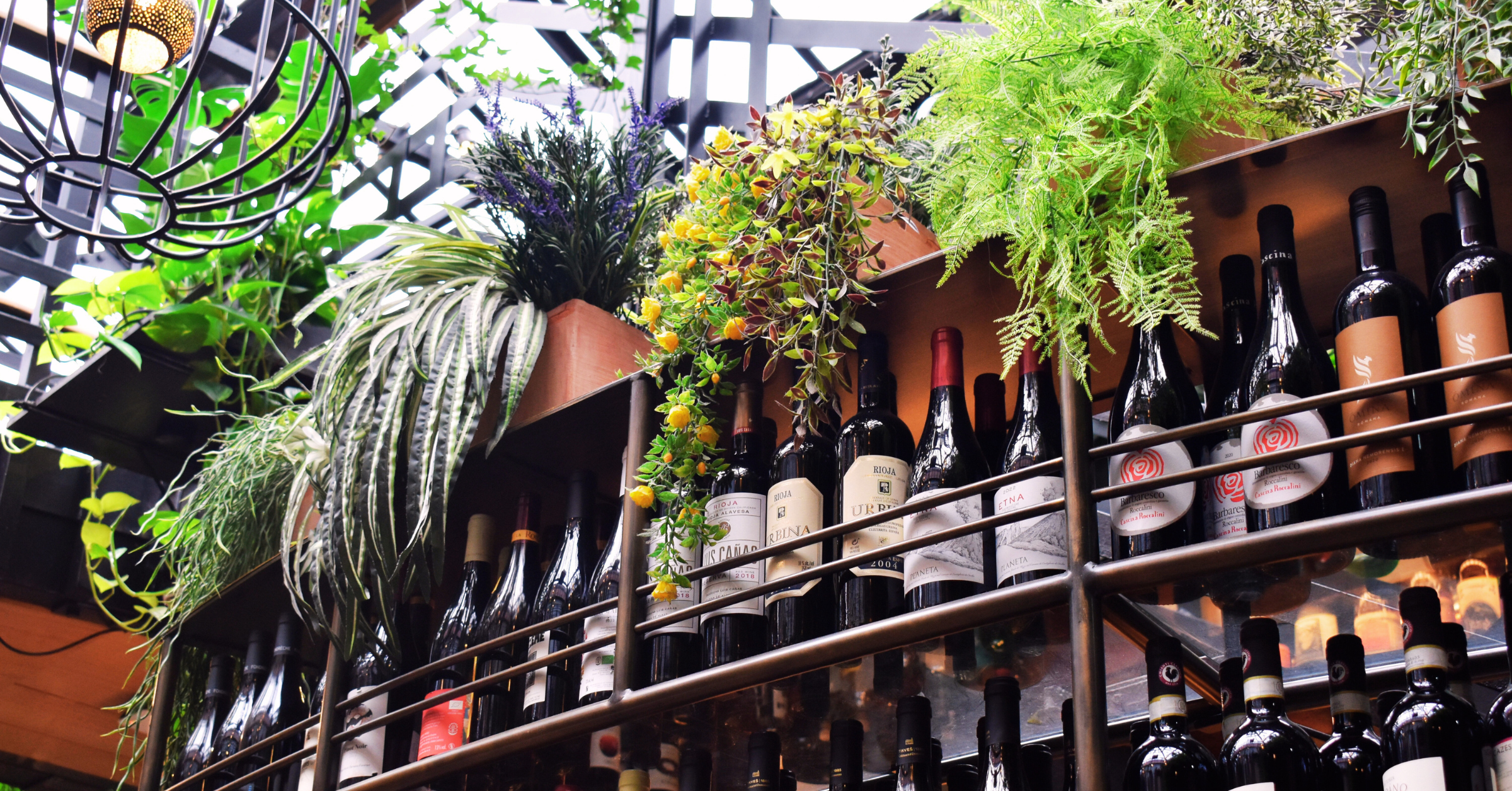
- True creative freedom: Want to hang greenery from a light? Or place a lush plant in a dark, windowless corridor? Artificials can go where no living thing could survive. They don’t care about draughts, heatwaves, or lack of sunlight.
- Low maintenance, high resilience: If you have a high-traffic area where people are constantly brushing past or accidents happen, artificial plants are incredibly robust
- Zero upkeep: Aside from the occasional light dusting with a damp cloth, these plants require no feeding, pruning, or pest control. They are perfect for high, hard-to-reach shelves where a watering can just won’t reach.
- Consistency: Artificial plants are static. They look exactly the same on Monday morning as they did on Friday evening, providing a consistent aesthetic for brands that need a perfect look year-round.
The Sustainable Middle Ground: Preserved Plants
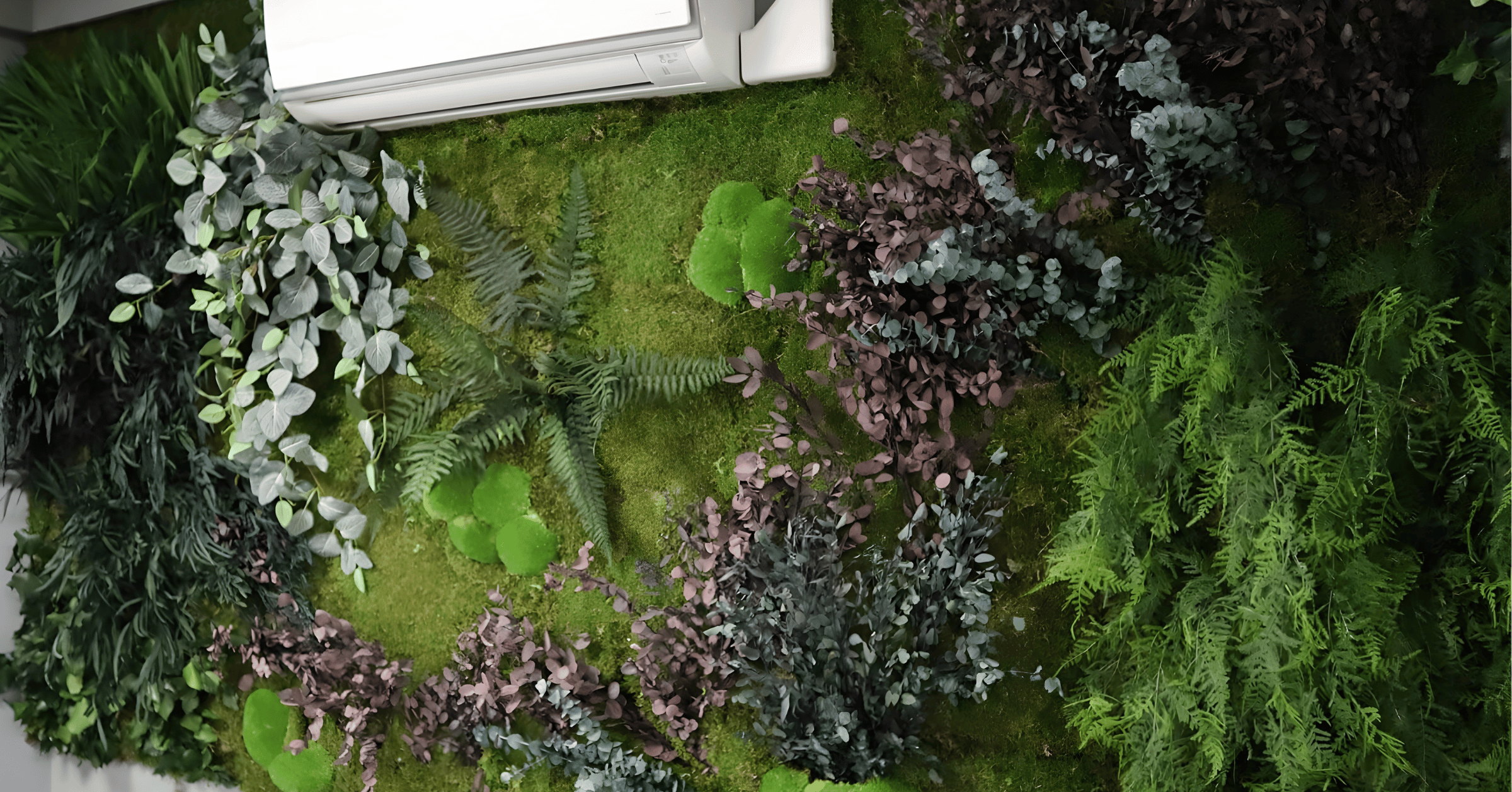
If you’re torn between the two, there is a “best of both” option: preserved plants. These are real plants and mosses that have been treated to maintain their freshness and scent for years without needing water or light. Though delicate, they offer the natural texture of real plants with the zero-effort perks of artificials.
The Verdict
Sometimes, successful projects actually use a mixed approach. We recommend live planting in areas where people spend the most time – workstations and meeting rooms – to maximise the health and productivity benefits. Then, we use premium artificial planting for high-impact visual features in tricky spots like dark corners or high ceilings.
Go with Live Plants if:
- Air quality is a priority: You want to naturally scrub toxins and CO2 from the air
- You want a wellbeing boost: You’re looking to reduce staff stress and improve focus
- Sustainability matters: You prefer renewable, biodegradable options over plastic
Go with Artificial Plants if:
- You have little natural light: windowless rooms or zones where plants cannot grow
- It’s a high-traffic spot: You need plants that can survive sitting in a busy corridor or building
Ready to add greenery?
Whether you’re after live or artificial plants, Benholm Group has the expertise to advise and provide you with the right solution for your space. With over 30 years of experience, we can help you find the best planting solution.
Get in touch with our team today!
Stay in the loop! Want more tips on transforming your space? Sign up for our newsletter to get the latest trends and biophilic design news delivered to your inbox.