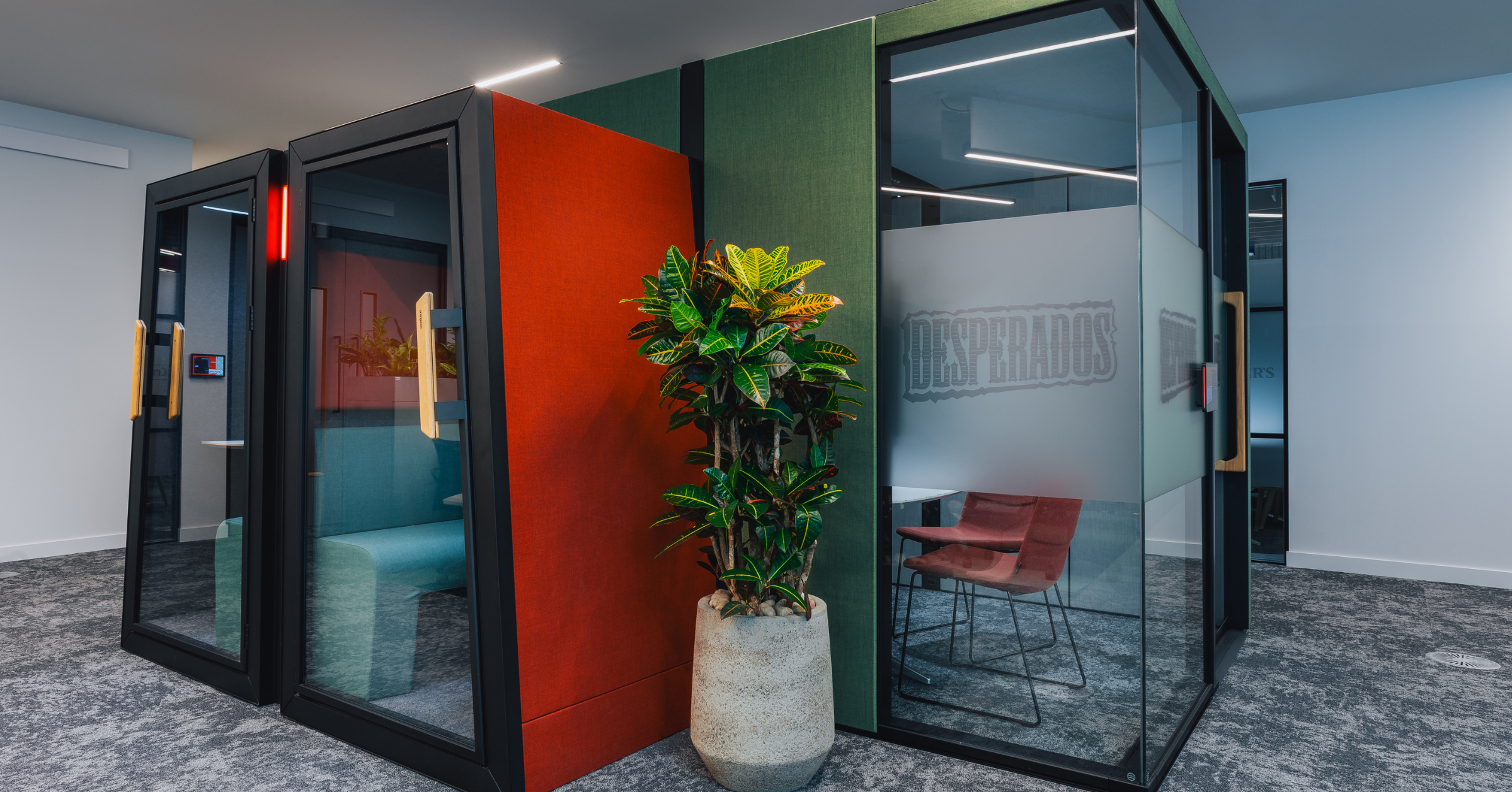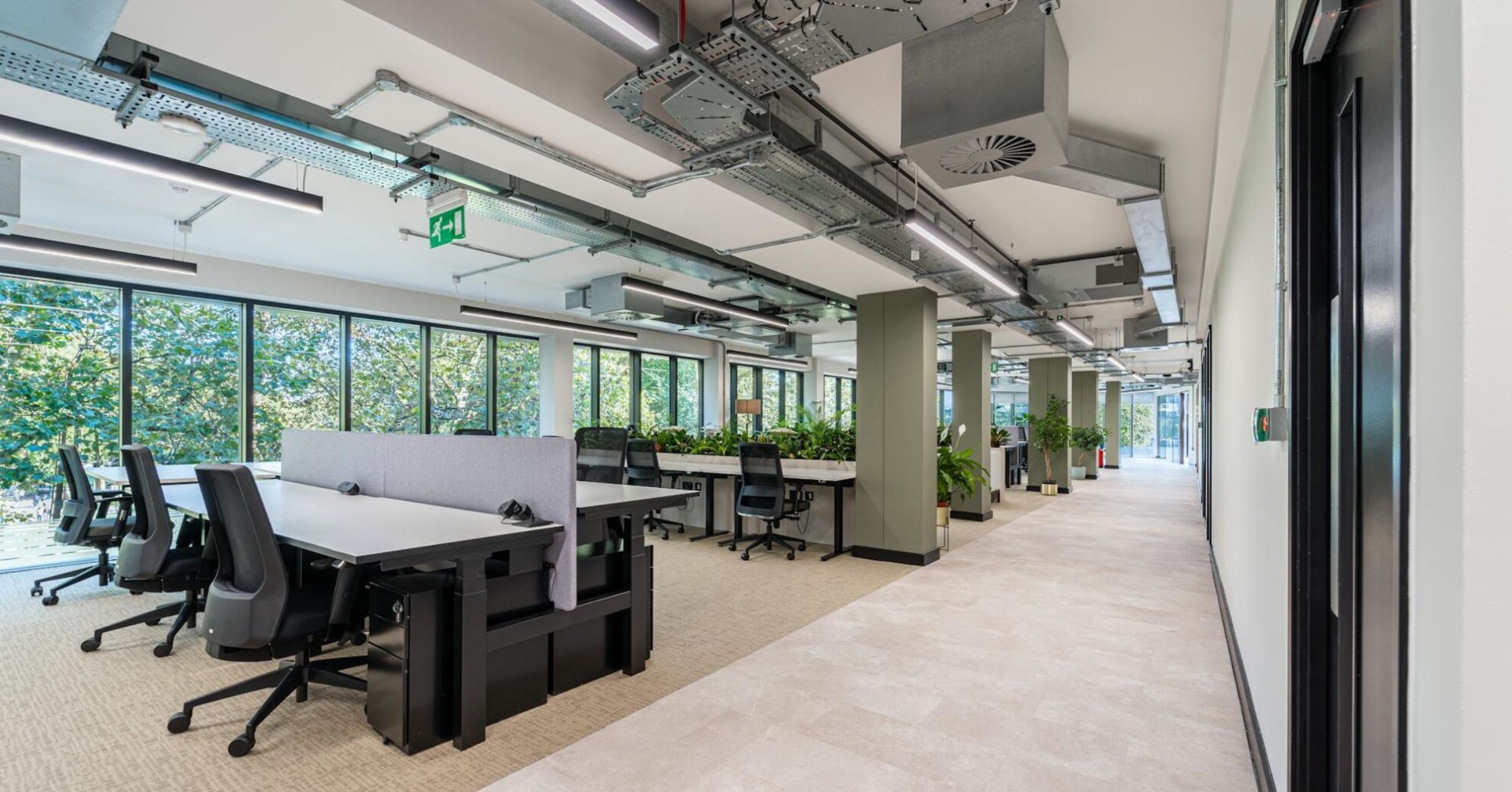
A newly emerging trend in interior design, Japandi design is the art of combining the elegance of Japanese minimalism with the warmth and functionality of Scandinavian interiors. Japandi-inspired biophilic design merges the sophistication of Japanese and Scandinavian design with biophilia. This timeless style is becoming increasingly popular in commercial interiors, as more businesses look to create workplaces that feel tranquil, uncluttered, and connected to nature.
Regardless of the setting, aesthetics and atmosphere play a crucial role in creating positive experiences for people. Japandi biophilic design helps:
As shown in the article Biophilic Design in the Built Environment: Trends, Gaps and Future Directions – a comprehensive review highlighted that contact with nature in built spaces can significantly reduce stress, anxiety and depression. It also enhances emotional resilience, cognitive focus, creativity, memory, and overall task performance in settings like schools and offices. Physiologically, exposure to nature has been linked to lower blood pressure, faster recovery rates, improved immune function, better sleep, and pain relief.
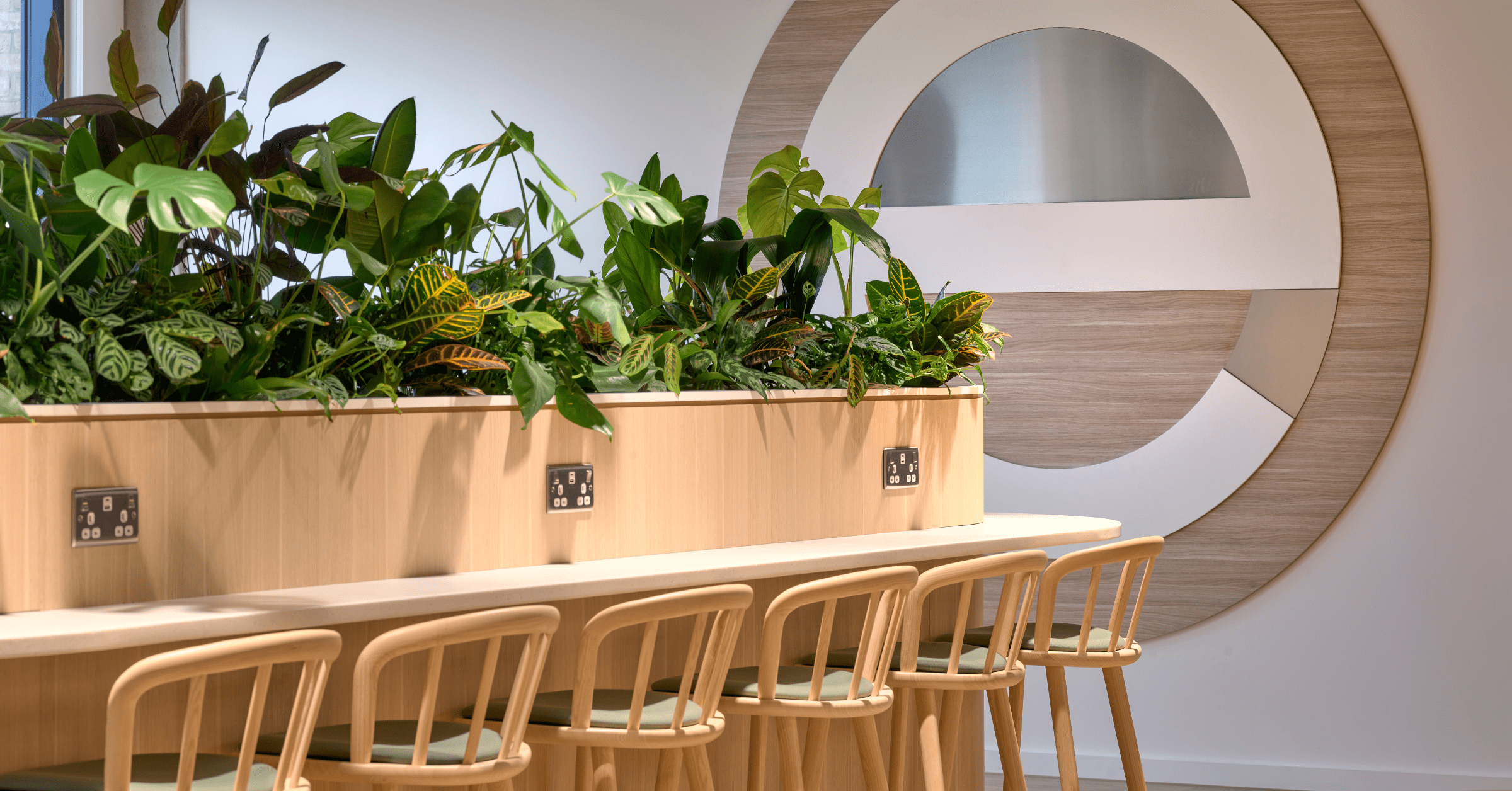
By blending two inherently eco-conscious philosophies – Japanese minimalism and Scandinavian functionality with biophilic design principles, such as:
1 – Natural materials and responsible sourcing
Japandi biophilic design favours wood, bamboo, linen and clay – all renewable, biodegradable and low-impact, if responsibly sourced.
2 – Long-lasting, quality over quantity
Japandi design emphasises simplicity, durability and craftsmanship over trend-driven consumption. Choosing fewer, better-made items reduces waste and promotes conscious consumption.
3 – Passive design principles
Clean lines and open spaces in Japandi design support natural light flow and ventilation. Layouts can maximise energy efficiency through considerate planning.
4 – Biophilic integration
Incorporating plants improves air quality, humidity regulation and connections to nature – and this sense of wellbeing is crucial to Japandi design.
In Japandi interiors, every element is intentional – and that includes the plants. The following selections are sculptural, timeless, and harmonise beautifully with the clean lines, muted tones, and natural textures that define Japandi spaces. And with Benholm’s expert maintenance, these plants can be enjoyed without any hassle.

The ficus lyrata offers bold form without clutter. Their large, violin-shaped leaves grow upright, giving it a sculptural silhouette that acts as a living design feature. Perfect for Japandi’s “less is more” philosophy, this plant adds height, softness, and a strong biophilic presence that complements sleek, minimal interiors.

Known for its upright, sword-like leaves, the Sansevieria has a naturally geometric form that suits Japandi’s ideal of order and structure. The subtle variegation adds texture without visual noise, making it an ideal choice for clean, neutral-toned spaces. It’s a quiet statement piece that supports both Scandinavian simplicity and Japanese elegance.
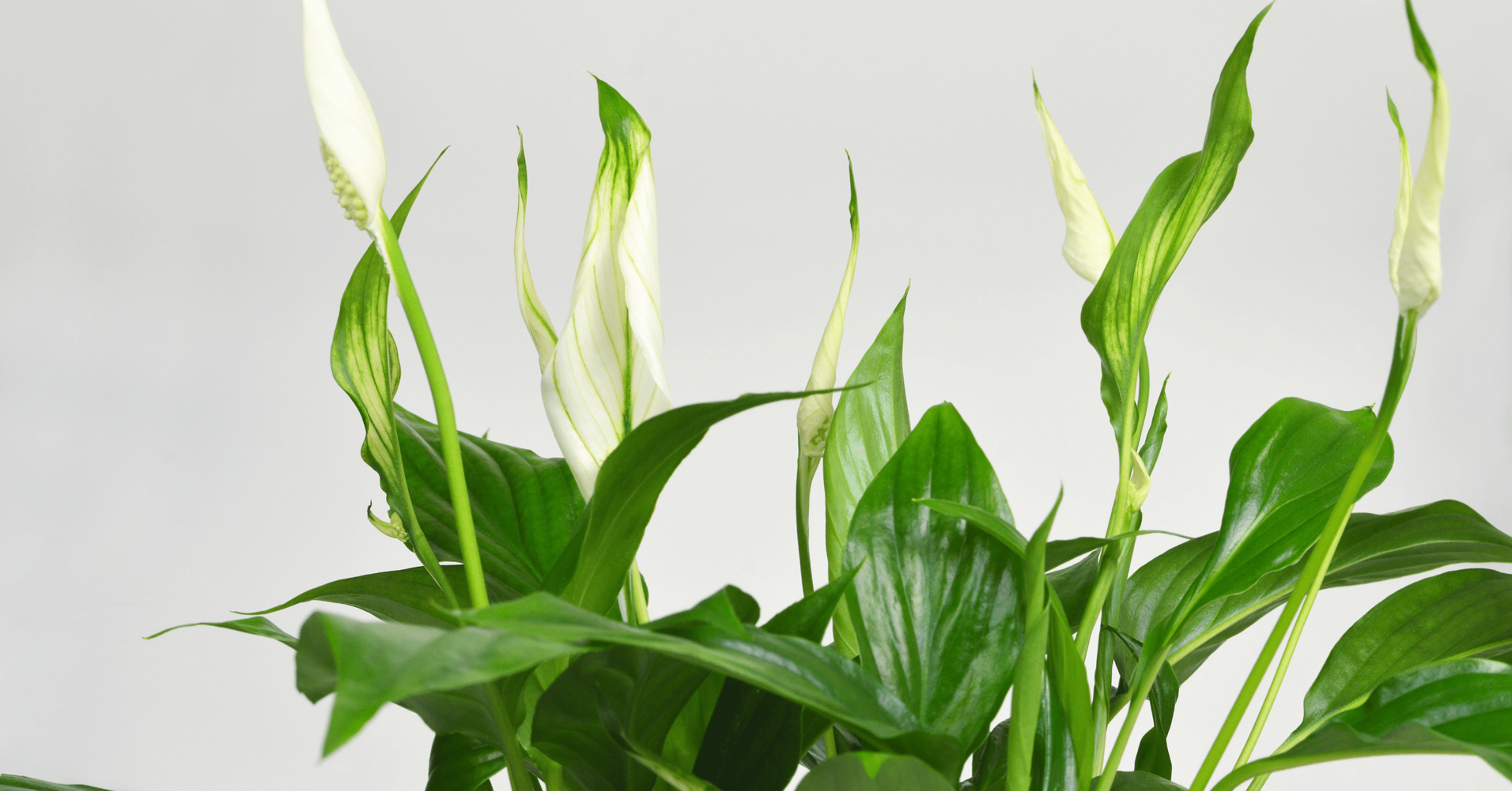
With wide, graceful leaves and delicate white blooms, the Spathiphyllum softens harder architectural elements. Its calm, organic form mirrors the peaceful atmosphere at the heart of Japandi design. Whether paired with stone, wood, or muted textiles, it brings natural balance and quiet refinement to any room.
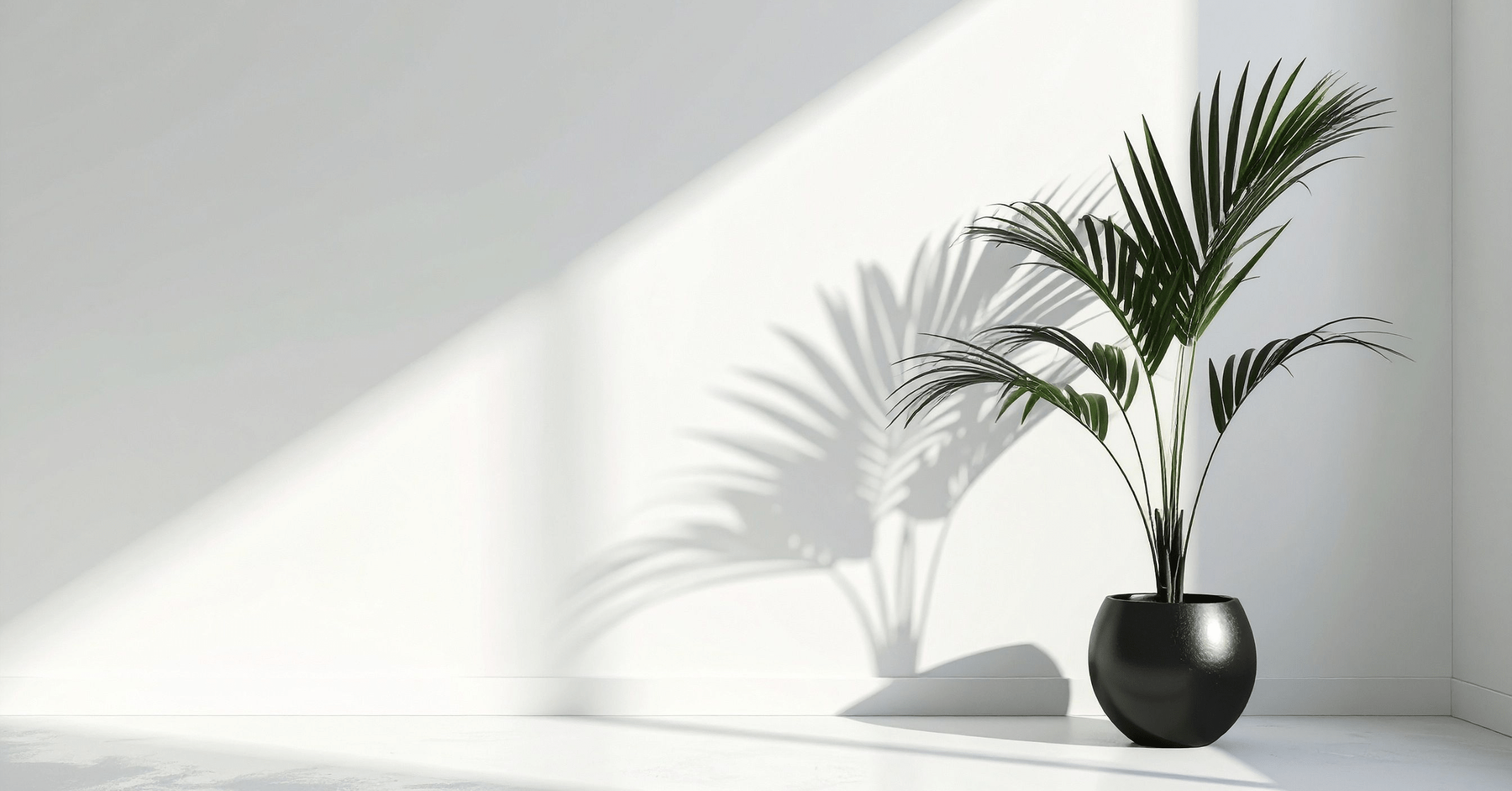
The Howea Fosteriana adds movement and vertical interest without feeling heavy. Tall, arching fronds evoke a natural elegance that improves airy interiors. A perfect plant for open-plan commercial spaces, it gently frames furniture or architectural features while maintaining a sense of calm spaciousness.
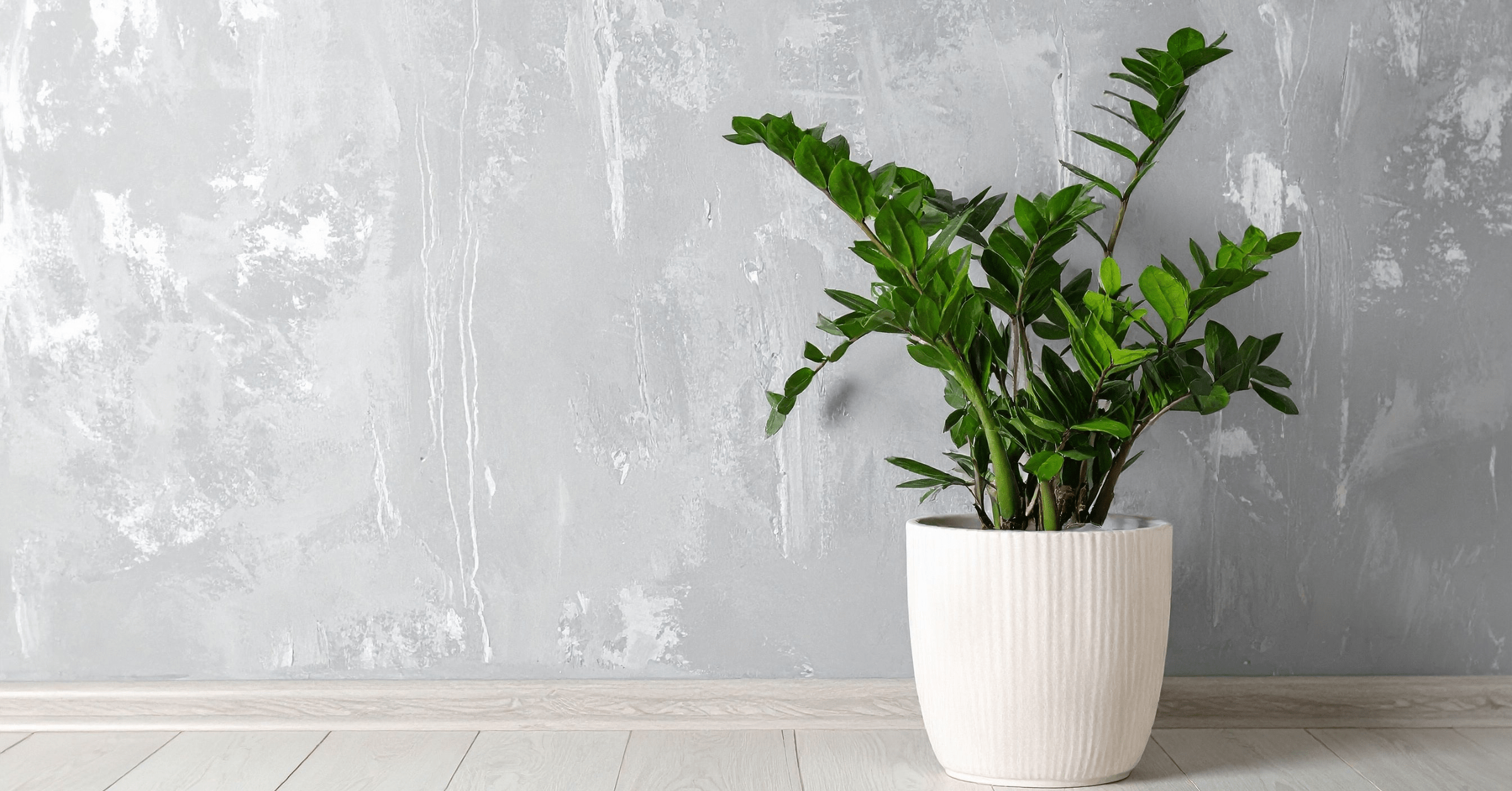
The ZZ plant’s glossy, symmetrical leaves provide subtle structure and contrast in Japandi environments. Its tidy, architectural form fits seamlessly into minimalist layouts, while its rich green tones ground neutral palettes. Paired with natural planters, it becomes a striking yet understated addition to any interior.
When styling a Japandi space, the right planters can make all the difference. Japandi design celebrates simplicity, balance, and a connection to nature, so planters that feature natural textures, and muted tones are the perfect way to complement the aesthetic. Below are some options that work beautifully in a Japandi environment.
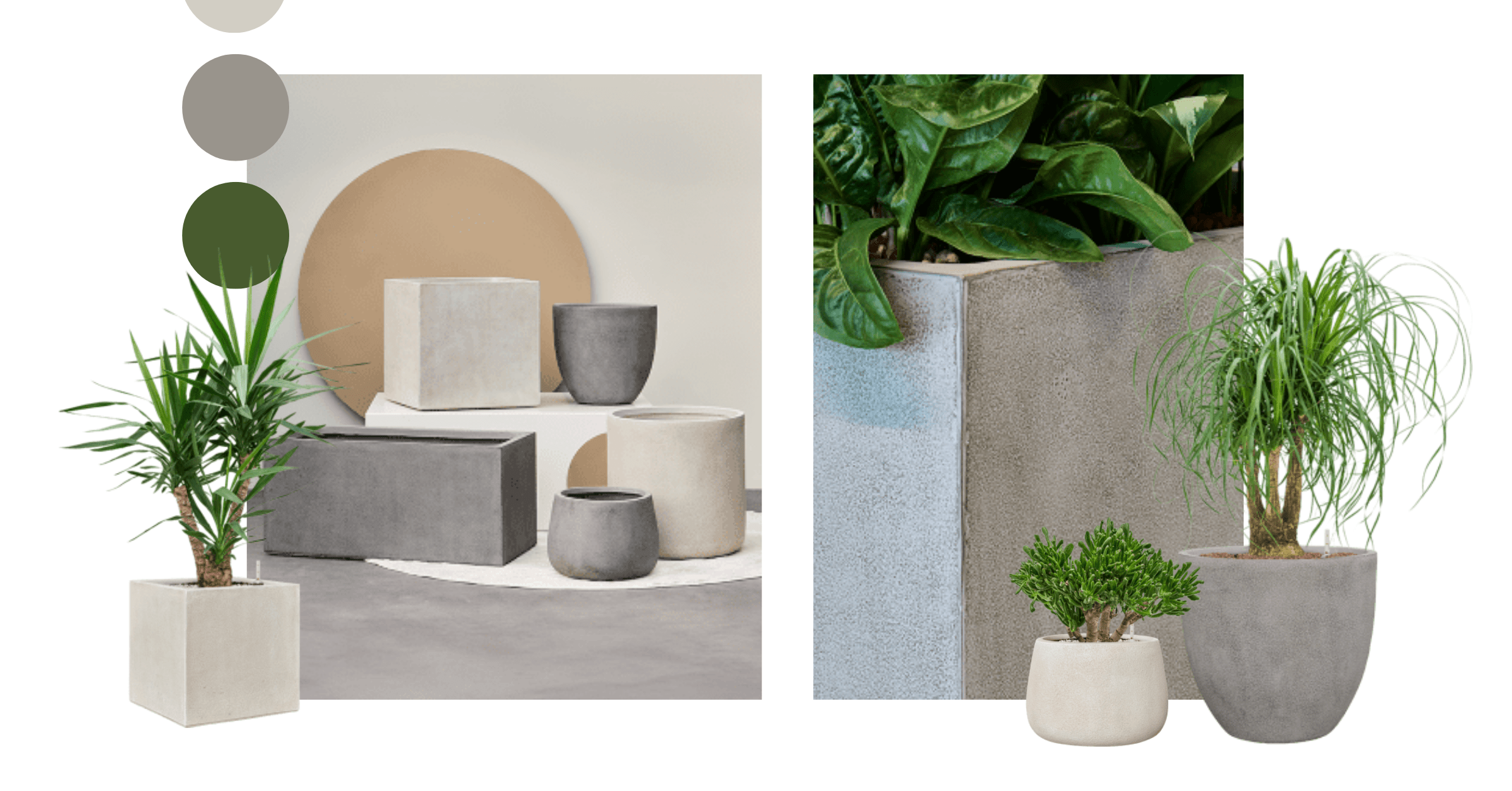
The Antwerp collection is crafted from fibreclay – a blend of fibreglass and clay that captures the natural look of stone while remaining lightweight. Its subtly textured surface adds a raw, organic quality that complements Japandi’s appreciation for tactile, natural finishes. With UV resistance to protect against sunlight and suitable for both indoor and outdoor use, it balances beauty with practicality.
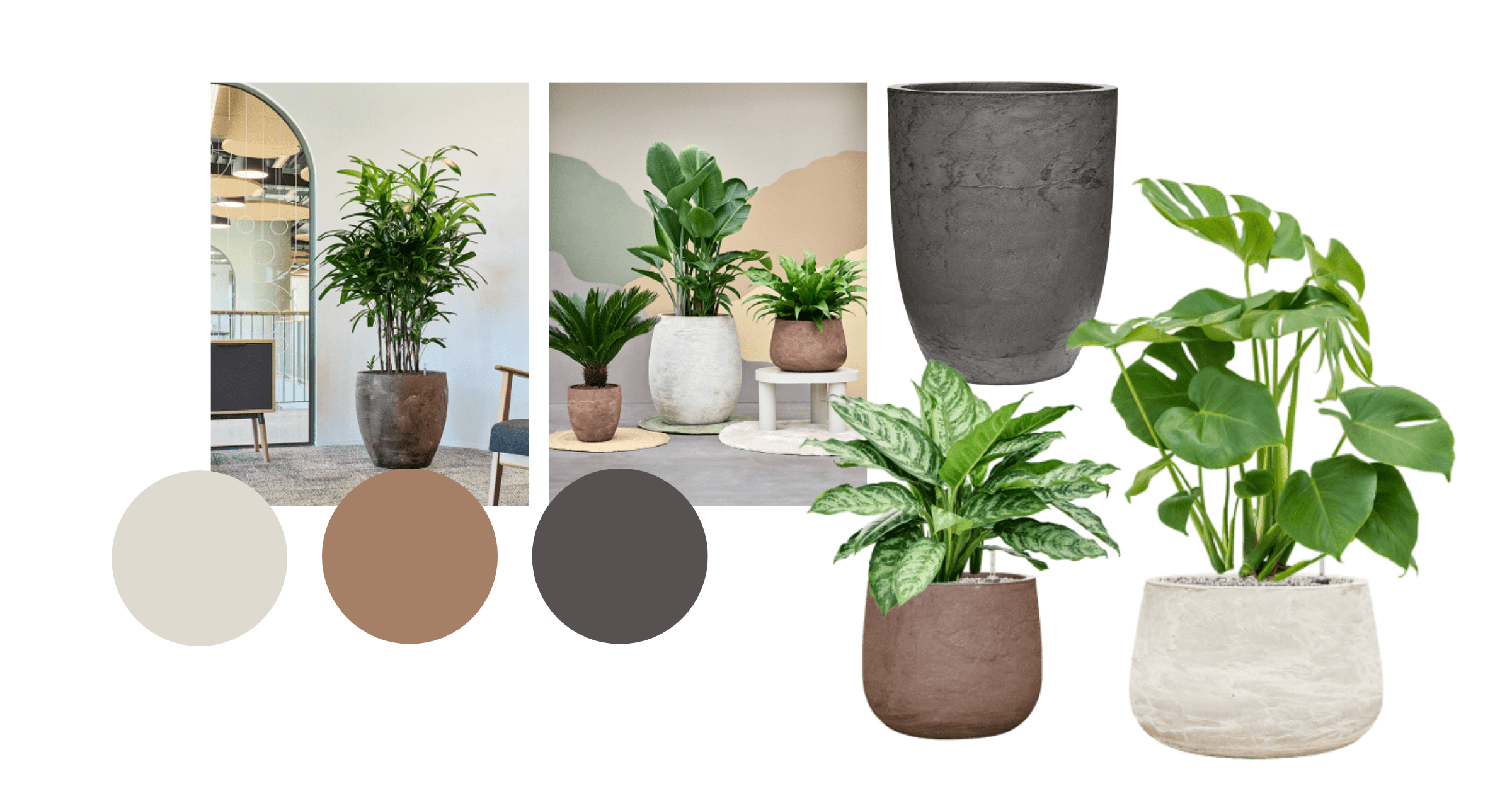
The Baq Algar planter, part of the Algar collection, stands out with its coarse, rock-like surface that feels both rugged and natural. Each planter is unique in texture, bringing individuality and character into a Japandi space. Alongside its aesthetic appeal, it’s built for resilience: frost-resistant for outdoor use in colder months and UV-resistant to prevent fading, making it a durable choice indoors or out.
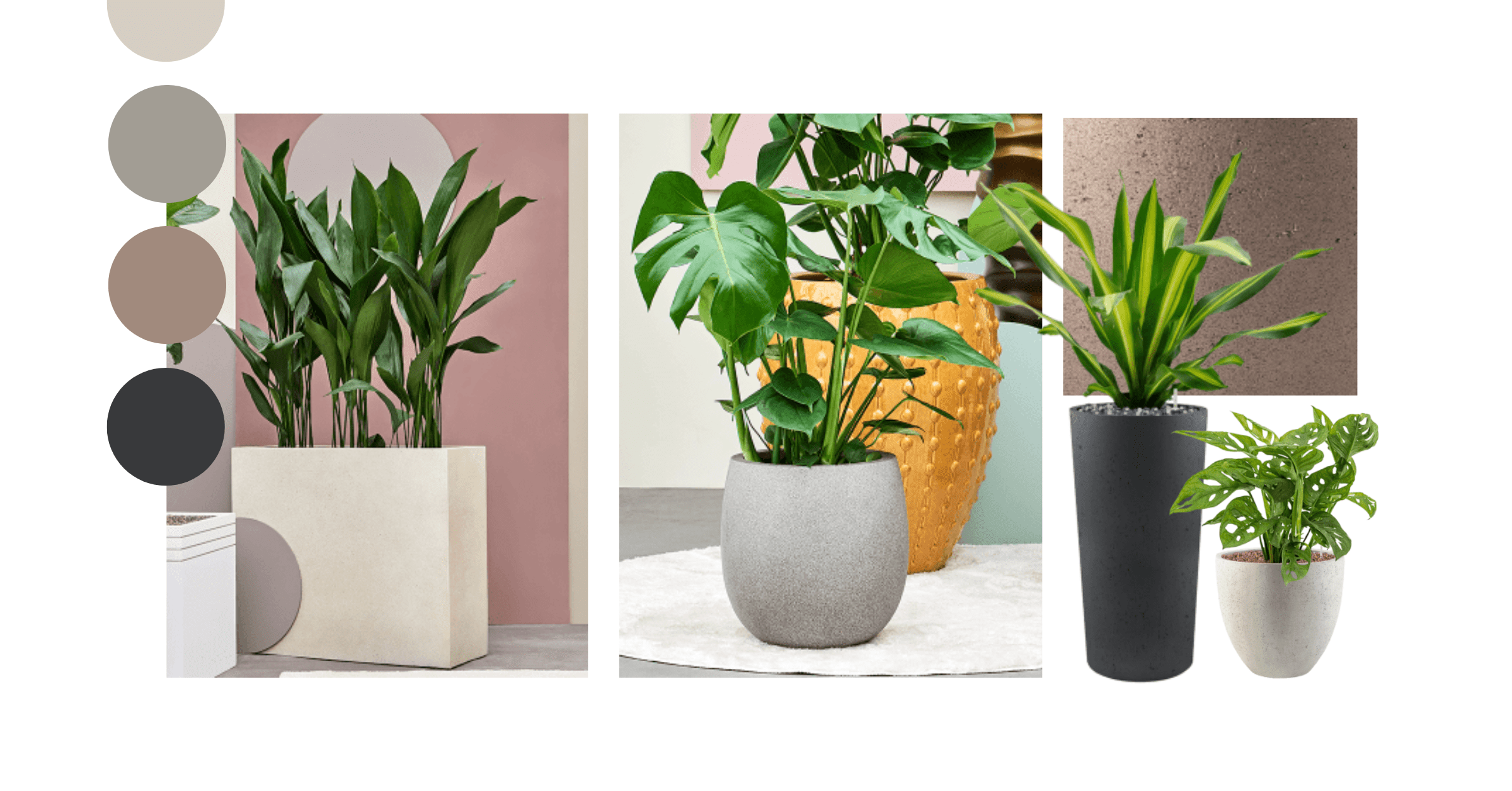
The Grigio collection by Luca lifestyle uses a composite material that mimics the look and feel of concrete. Its smooth yet understated finish makes it a perfect fit for Japandi interiors, where clean lines and muted tones create a calm, balanced atmosphere. Simple, timeless, and versatile, it blends into both modern and natural settings.
Japandi biophilic design is more than just an aesthetic – it’s a way to create spaces that feel calm, intentional, and deeply connected to nature. By combining natural materials, timeless craftsmanship, and carefully chosen plants, businesses can shape environments that not only look beautiful but also support wellbeing, focus and sustainability.
At Benholm Group, we specialise in bringing these principles to life. Whether it’s through thoughtfully styled planting schemes or bespoke displays, our team can design and maintain solutions that align with your brand and enhance the everyday experience of your staff and clients. Explore our services to see how we can transform your space with creativity, care, and a true connection to nature.