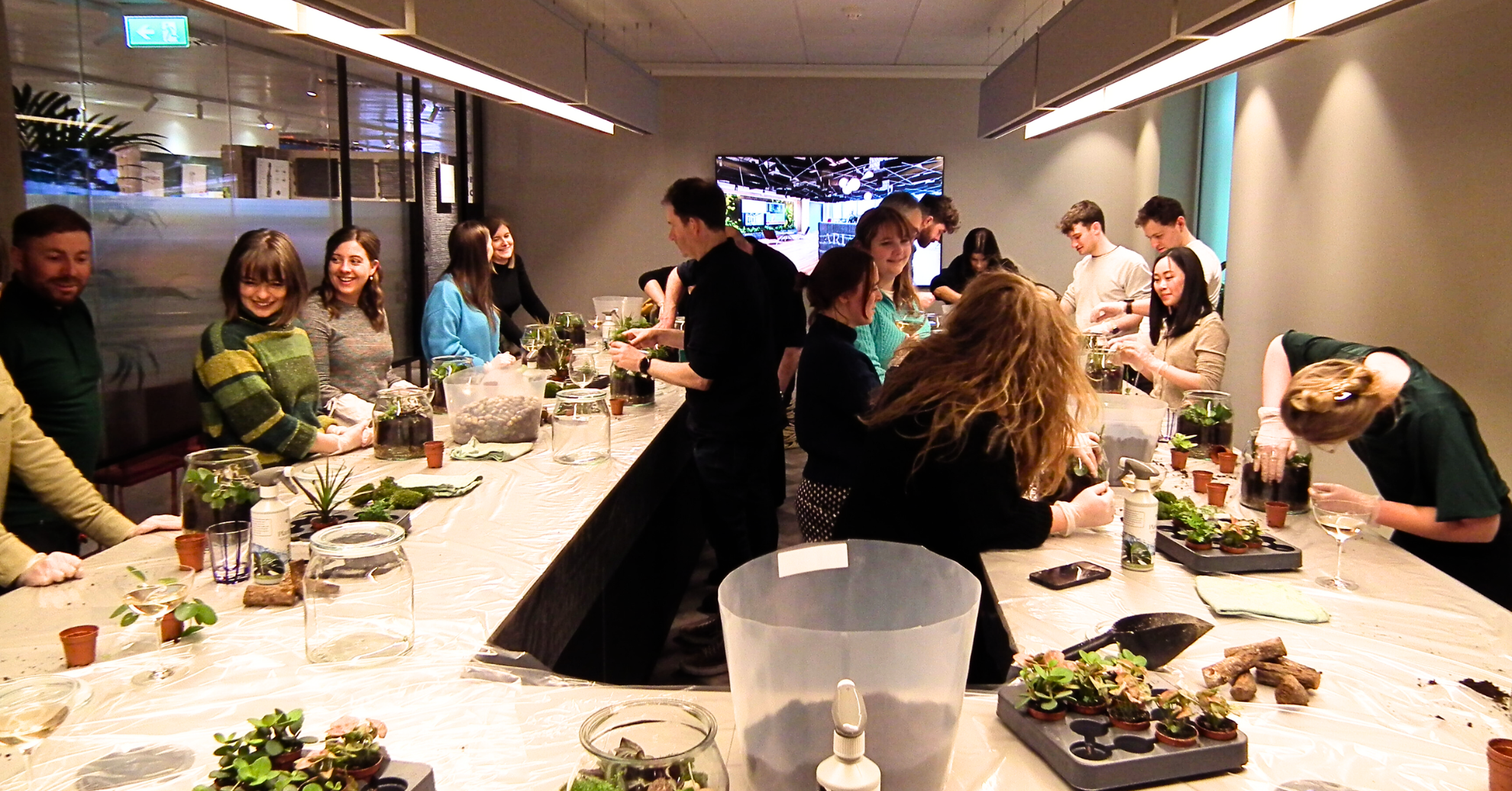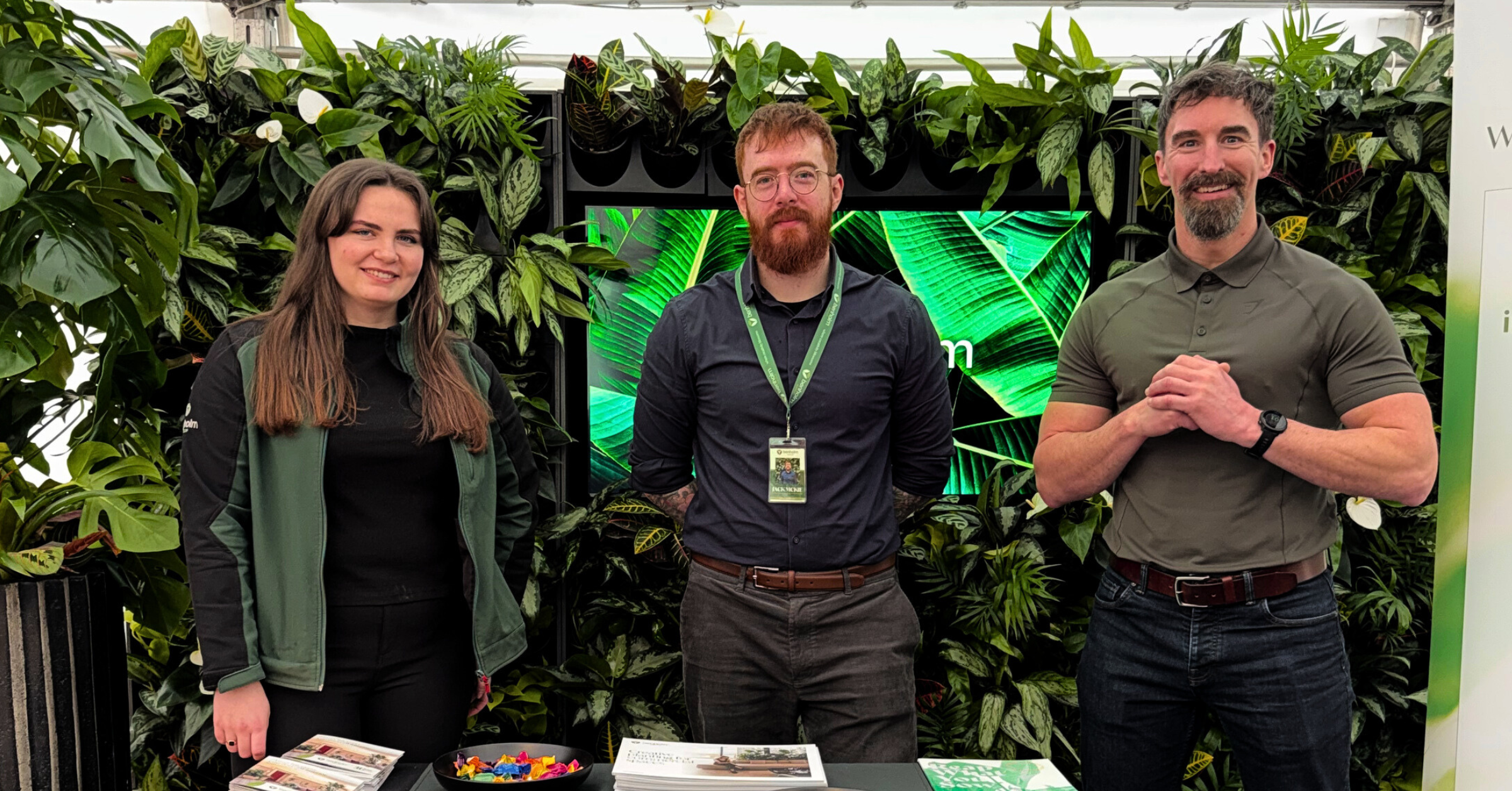
The fourth annual Sustainable Design Forum, held at Crypt on the Green in Clerkenwell and curated by the Sustainable Design Collective (SDC), brought together architects, designers, manufacturers and sustainability leaders to discuss one of the industry’s most pressing challenges: how to move sustainable design from ambition to action.
Throughout the event, a recurring theme emerged. Sustainability is no longer simply about selecting greener products or meeting environmental targets. Instead, it requires a holistic approach that considers people, places and long-term performance throughout the entire lifecycle of a building.
In her opening address, Dr Valerie Vaughan-Dick MBE, Chief Executive Officer of RIBA, highlighted the importance of embedding sustainability into every stage of design and decision making.
This idea aligns closely with the principles of biophilic design. Too often, planting and natural elements are considered late in the design process or added once major design decisions have already been made.
However, when incorporated from the outset, biophilic design can influence how people experience a space, how different areas are connected and how the environment supports the overall vision of a project.
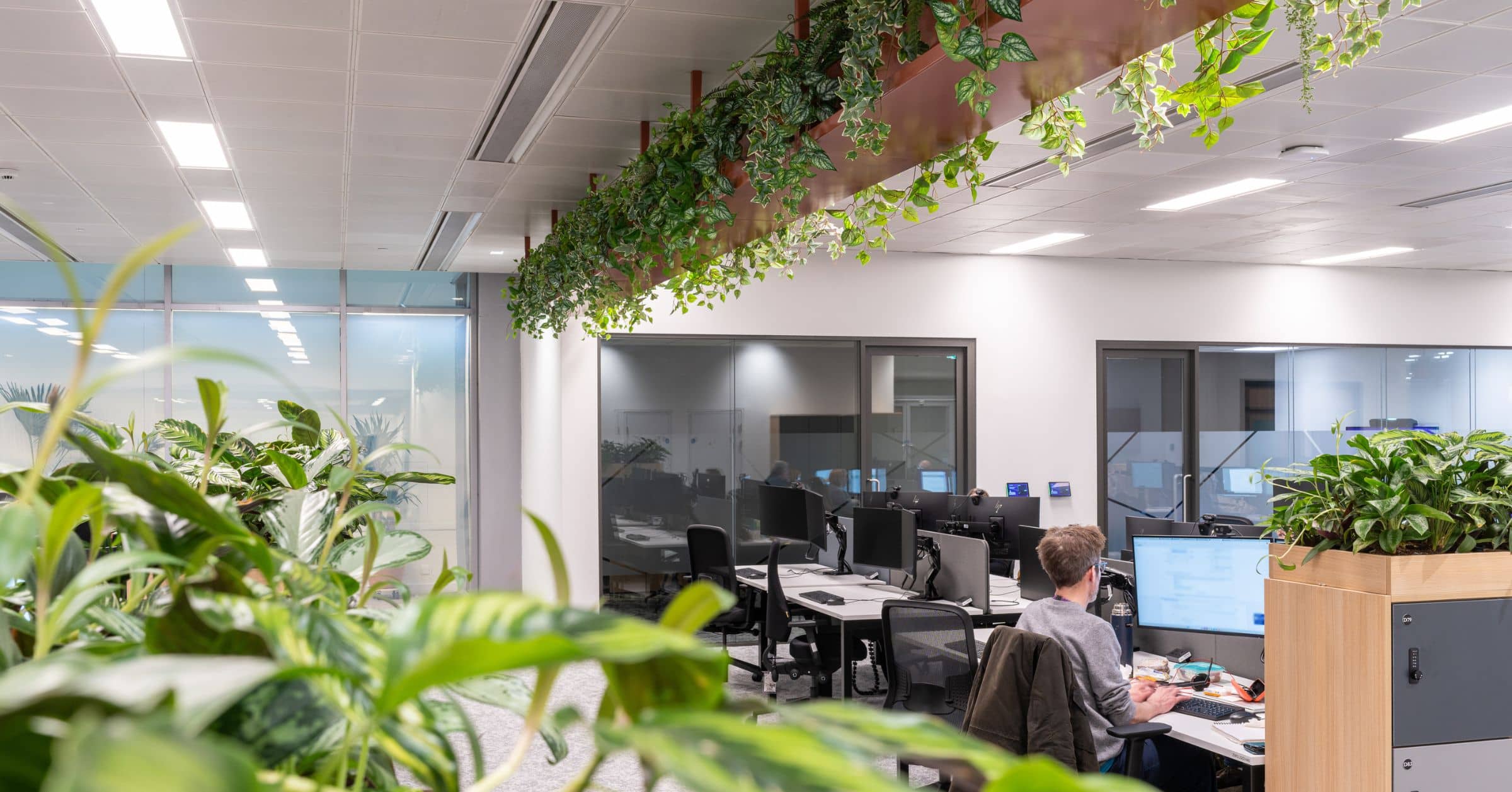
The most successful projects treat planting as part of the design strategy rather than a decorative afterthought. Whether creating a stronger sense of arrival, defining spaces within an open-plan environment or introducing seasonal interest, natural elements can contribute to a space’s long-term appeal and functionality.
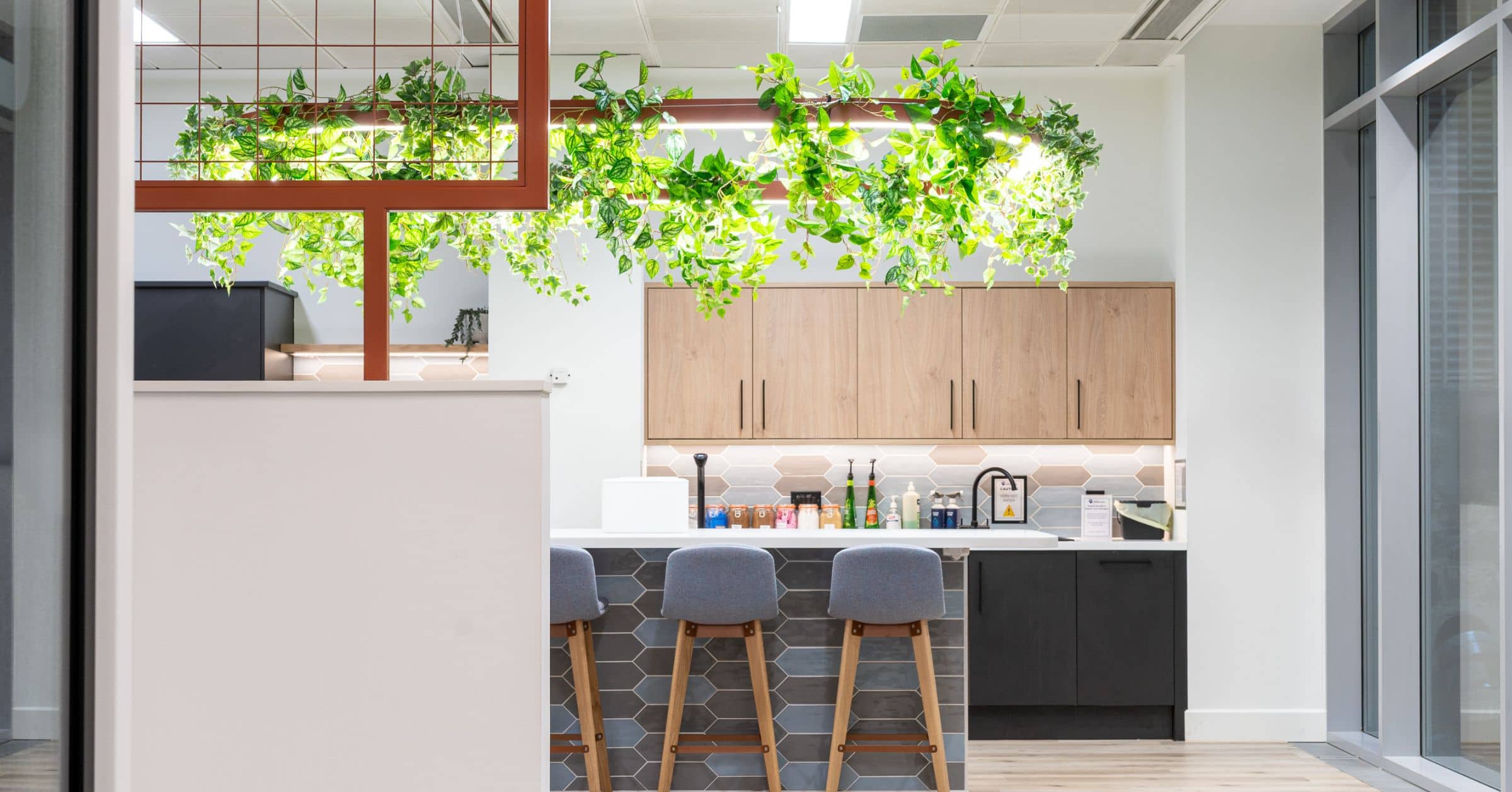
One of the standout discussions of the day, Greener Thriving Spaces for People + Planet, explored the challenge of creating environments that genuinely work for the people who use them.
While sustainability conversations often focus on carbon, energy and materials, the panel highlighted the importance of considering the human experience. After all, a successful space is one that people enjoy spending time in, whether that’s an office, hospitality venue, public building or educational setting.
This thinking aligns closely with the principles of biophilic design. By introducing natural elements, texture, colour, and seasonal interest into the built environment, designers can create spaces that feel more welcoming, engaging and connected to the wider environment.
Importantly, these interventions should not be viewed as decorative additions applied at the end of a project. Instead, they are most effective when considered as part of the wider design strategy, helping to shape the character, identity and long-term appeal of a space.
As the discussion highlighted, sustainable design is ultimately about creating places that stand the test of time. Spaces that people value and continue to use successfully are far more likely to deliver lasting environmental, social and commercial value.
A particularly thought-provoking theme from the forum was the discussion around authenticity in sustainable design.
The panel argued that sustainability should not be reduced to a checklist. Instead, it should involve informed decisions that consider the full lifecycle of a space, from material sourcing and embodied carbon through to maintenance, adaptability and eventual reuse.
This perspective is equally relevant when considering biophilic design.
Authentic biophilic design involves carefully considering how design features will contribute to a space over the long term, how they will be maintained and how they support the wider objectives of the project.
The most successful environments are those where natural elements have been selected with purpose and integrated into a broader design vision that balances aesthetics, functionality and longevity.
Another recurring theme throughout the event was the importance of collaboration.
Several speakers highlighted the challenges of aligning clients, designers, contractors, and suppliers around shared sustainability goals. Without early engagement and clear communication, sustainability ambitions can quickly become diluted by competing priorities, budget constraints or programme pressures.
The same principle applies to biophilic design projects.
The most successful outcomes are typically achieved when designers, facilities teams, contractors and specialist suppliers work together from the earliest stages of a project. This collaborative approach helps ensure that biophilic design is practical, appropriate for the environment and capable of delivering long-term value.
By bringing together different perspectives and expertise, project teams are better positioned to create spaces that are both visually impactful and operationally successful.
Perhaps the most important takeaway from the Sustainable Design Forum was that sustainability does not end when a project is completed.
Buildings must continue to perform throughout their operational life, requiring ongoing attention to maintenance, adaptability and user experience.
This long-term perspective is increasingly shaping conversations around the built environment. Organisations are placing greater emphasis on durability, lifecycle costs and the ability of spaces to remain relevant as needs evolve over time.
Biophilic design supports this approach by helping create environments with enduring visual appeal and a stronger connection to the surrounding environment. When integrated thoughtfully and maintained effectively, natural elements can continue contributing to the identity and character of a space for many years.
The Sustainable Design Forum reinforced an important message: sustainability is a shared responsibility that relies on collaboration and long-term thinking.
As the built environment continues to evolve, the principles of biophilic design remain closely aligned with many of the themes discussed throughout the event. From creating places people value to encouraging long-term thinking and collaboration, planting can play an important role in shaping spaces that are both sustainable and enduring.
If you’re exploring ways to create more engaging, enduring environments through planting, we’d be delighted to discuss your project. Get in touch with us today.
To stay up to date with the latest insights from the world of biophilic design, sustainability and interior design, subscribe to our newsletter. Each month, we share industry trends, project inspiration, research and practical guidance to help you create greener, more engaging spaces.
Subscribe today and have the latest insights delivered straight to your inbox.