Skip to the content
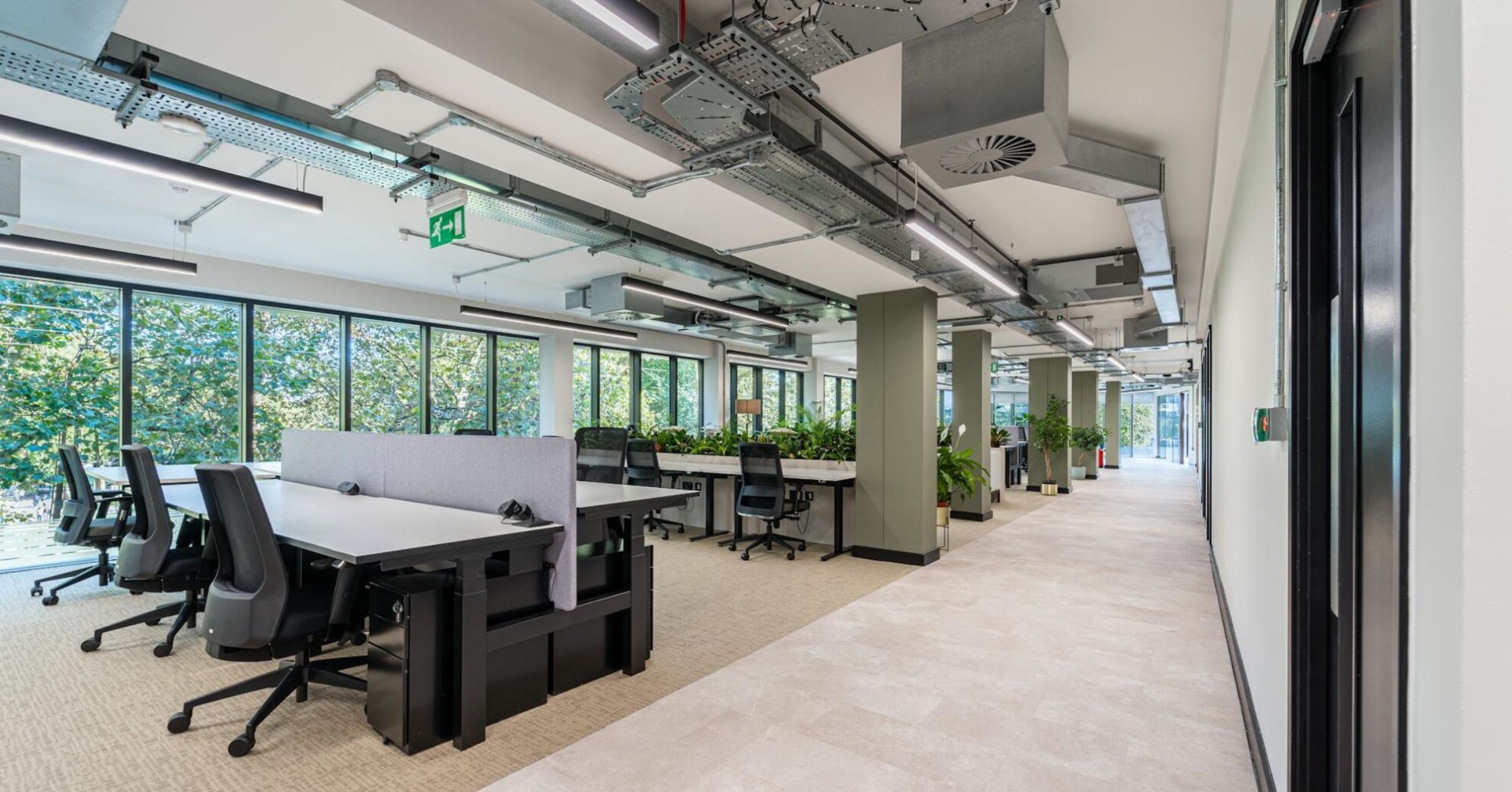
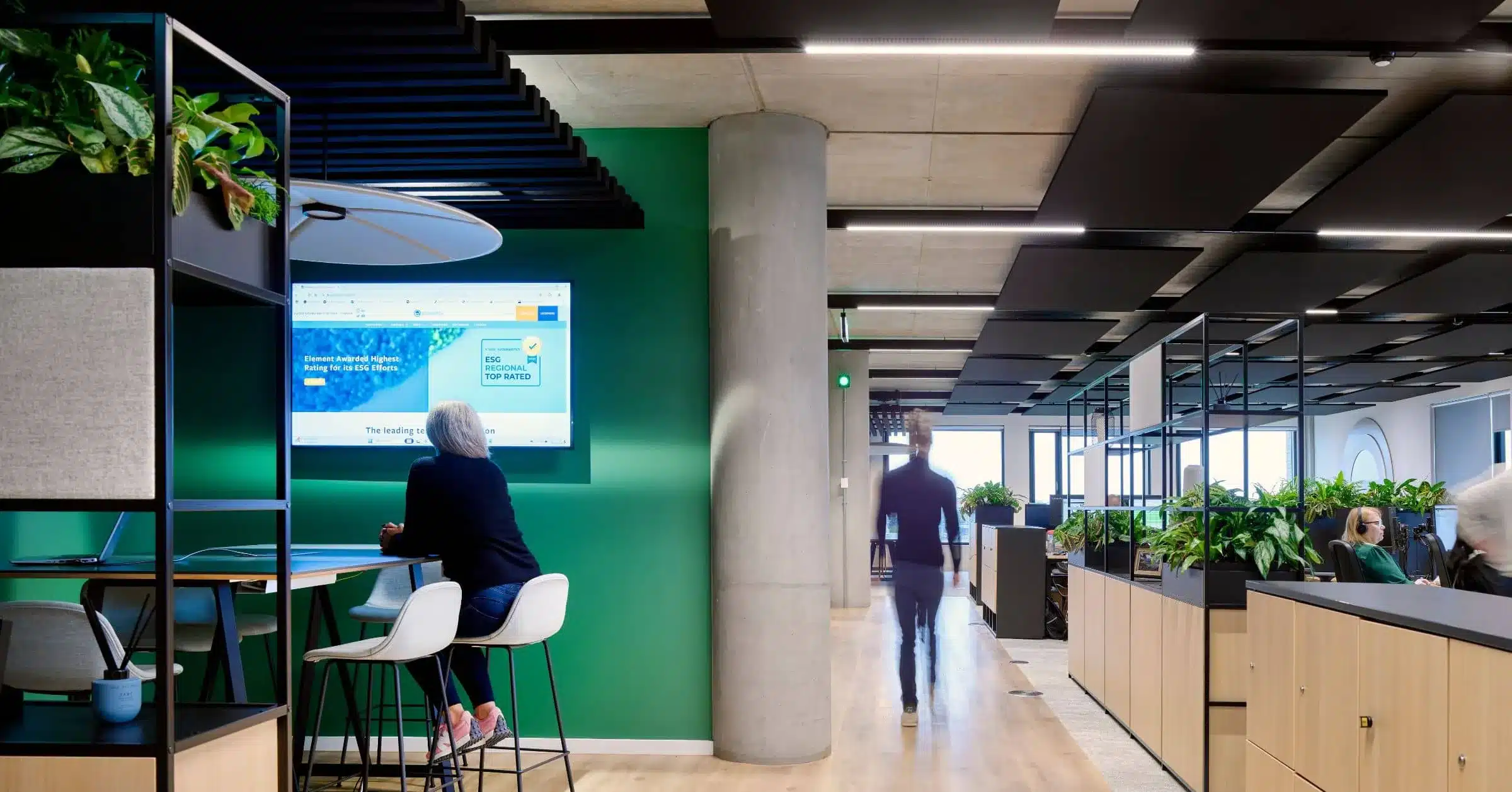
As biophilic design experts, we get asked: “How do we make our plain office feel less cold and more inviting?” The answer isn’t to hide the architecture and design, but to balance it. Eco-brutalism uses biophilic design to create a symbiotic tension where plants soften the harsh lines of human construction.
Interior brutalism relies on monolithic surfaces – vast, flat expanses of concrete or blank walls. While architecturally impressive, these surfaces offer little visual rest for the human eye, leading to a phenomenon called visual fatigue.
To combat this, we create a specific biophilic planting proposal to disrupt monotony. We don’t just “add greenery”; we strategically select species based on their morphology (their shape, texture, and growth habit) to ensure they provide the necessary benefits and contrast to your space.
The secret to successful eco-brutalism lies in the contrast between rigid angles and natural chaos. When designing for a concrete-heavy space, we use plants that offer complex, delicate textures.
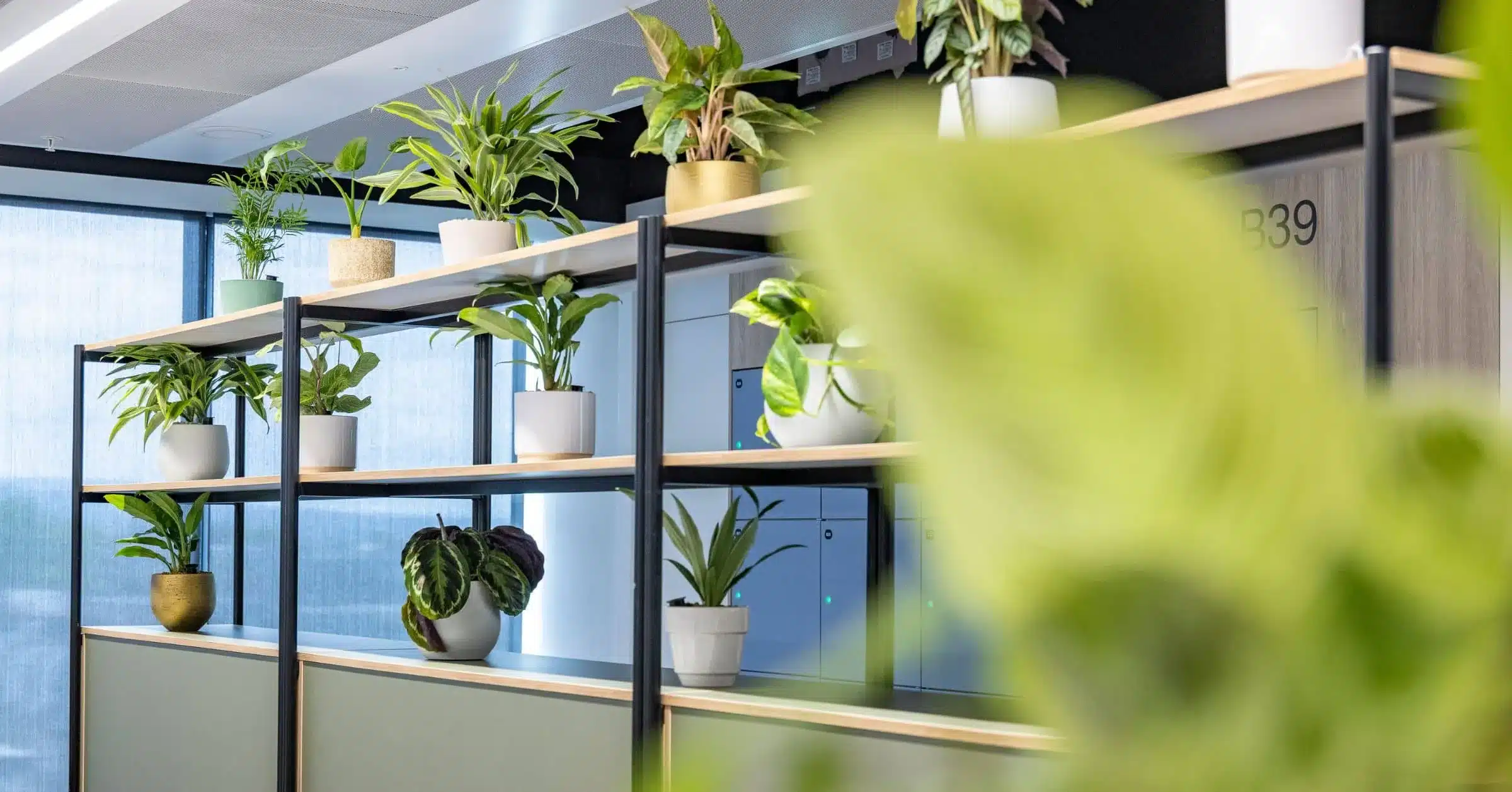
Species like the Scindapsus or the variegated Aglaonema are perfect examples. Their unpredictable leaf shapes and fine details provide an immediate visual break from the harsh lines of a modern office. By placing these high-texture plants against a flat, grey wall, or in integrated furniture planting, we give the eye an organic place to land. The concrete provides the strength, but the plants provide the softness.
Here are some plant species that can soften your space:
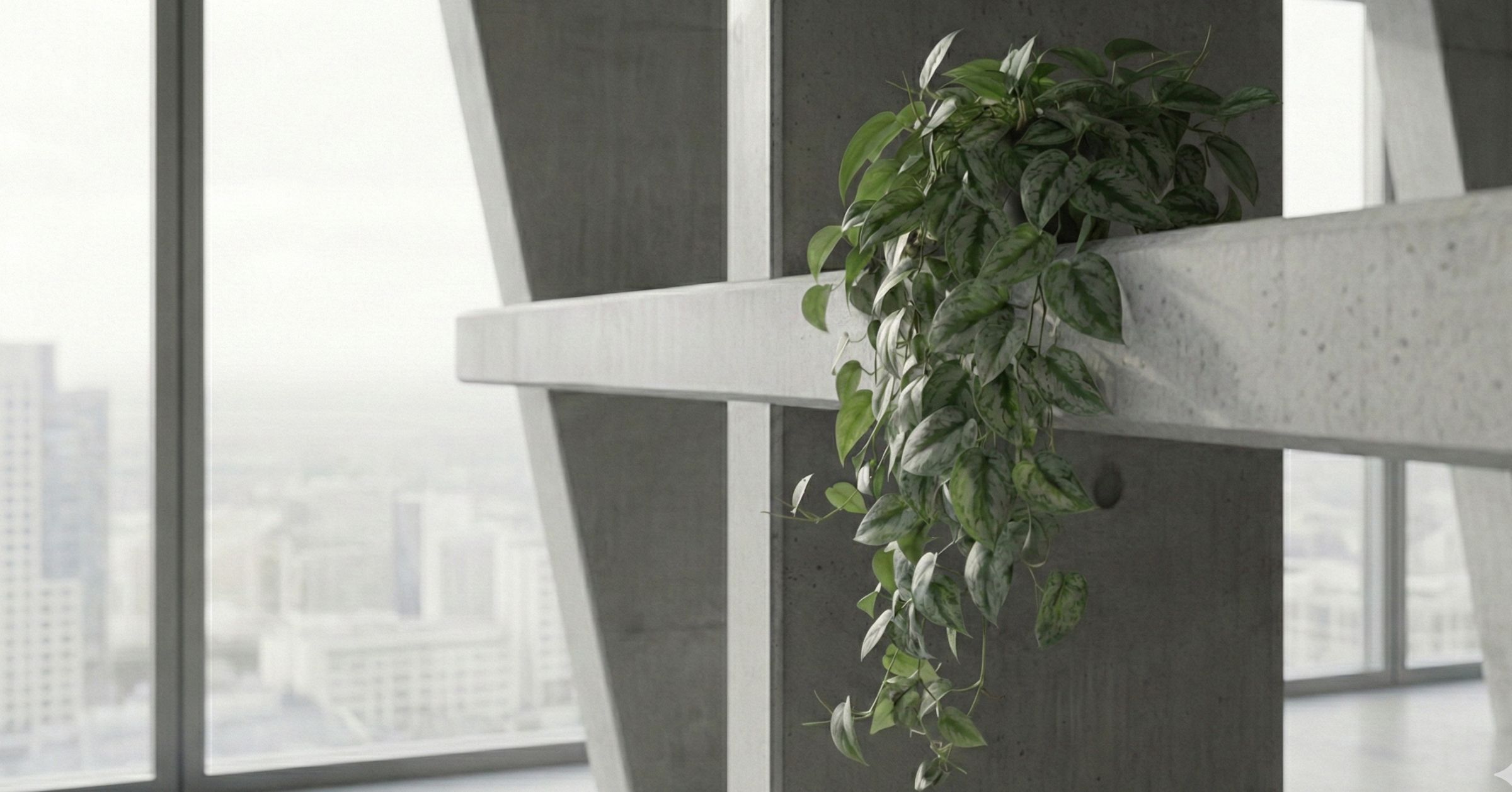
Modern architecture is defined by sharp angles that can feel aggressive. The Scindapsus has heart-shaped leaves that drape over shelf-edges or filing cabinets, effectively ‘blurring’ the transition between the hard structure and the open air. The matte, silvery-green variegation provides a subtle, sophisticated shimmer that mimics the light-play on polished concrete while adding a much-needed soft touch.
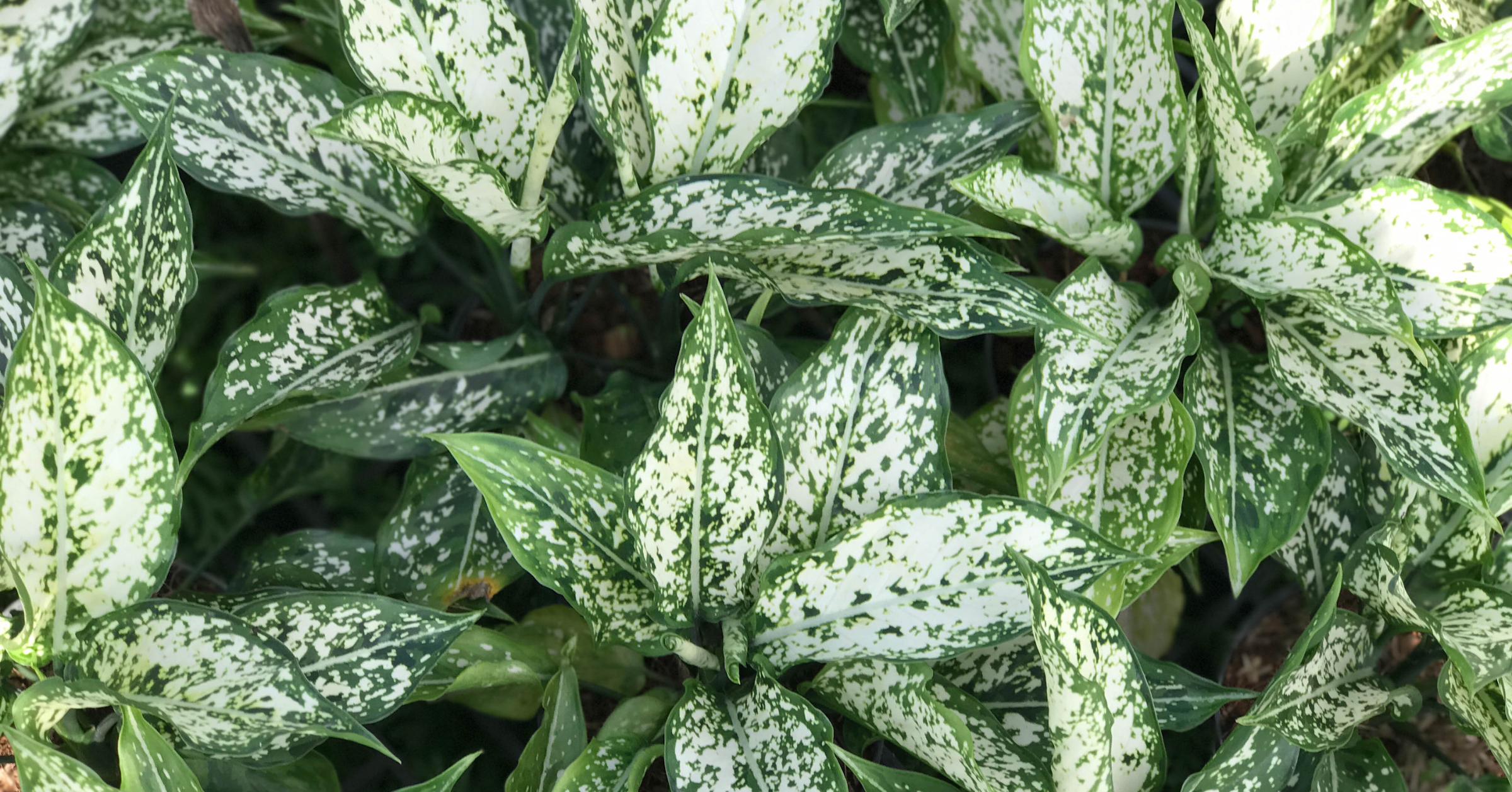
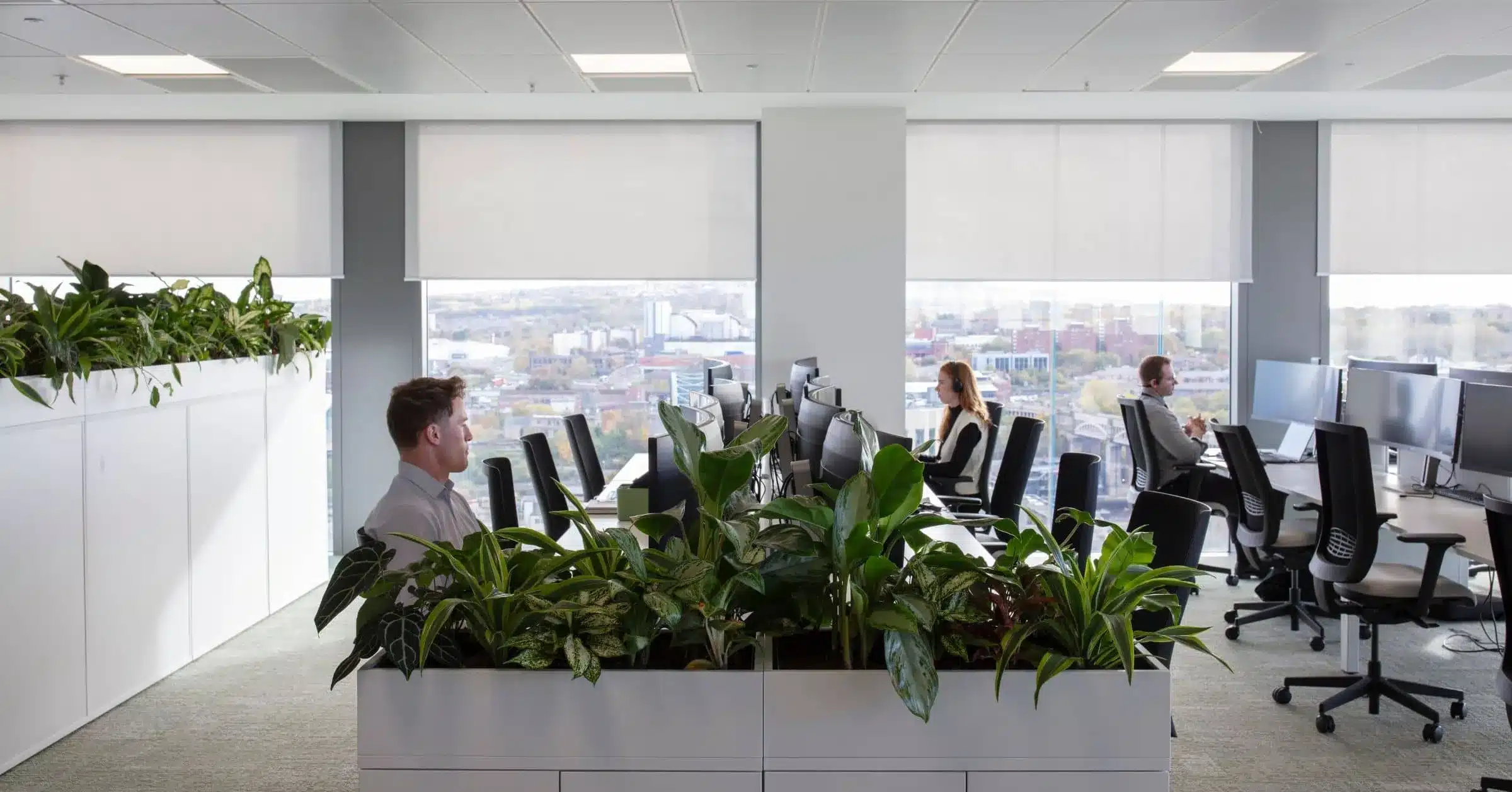
Vast grey or white walls, cabinets, shelves, and desks could be causing visual fatigue for staff. The Aglaonema can break up large, empty furniture. Its dense, bushy form provides immediate volume, while it’s complex leaf patterns offer a fractal complexity that empty rooms lack. This provides a restorative point of focus, giving the eye a soft place to land and rest amidst a sea of grey.
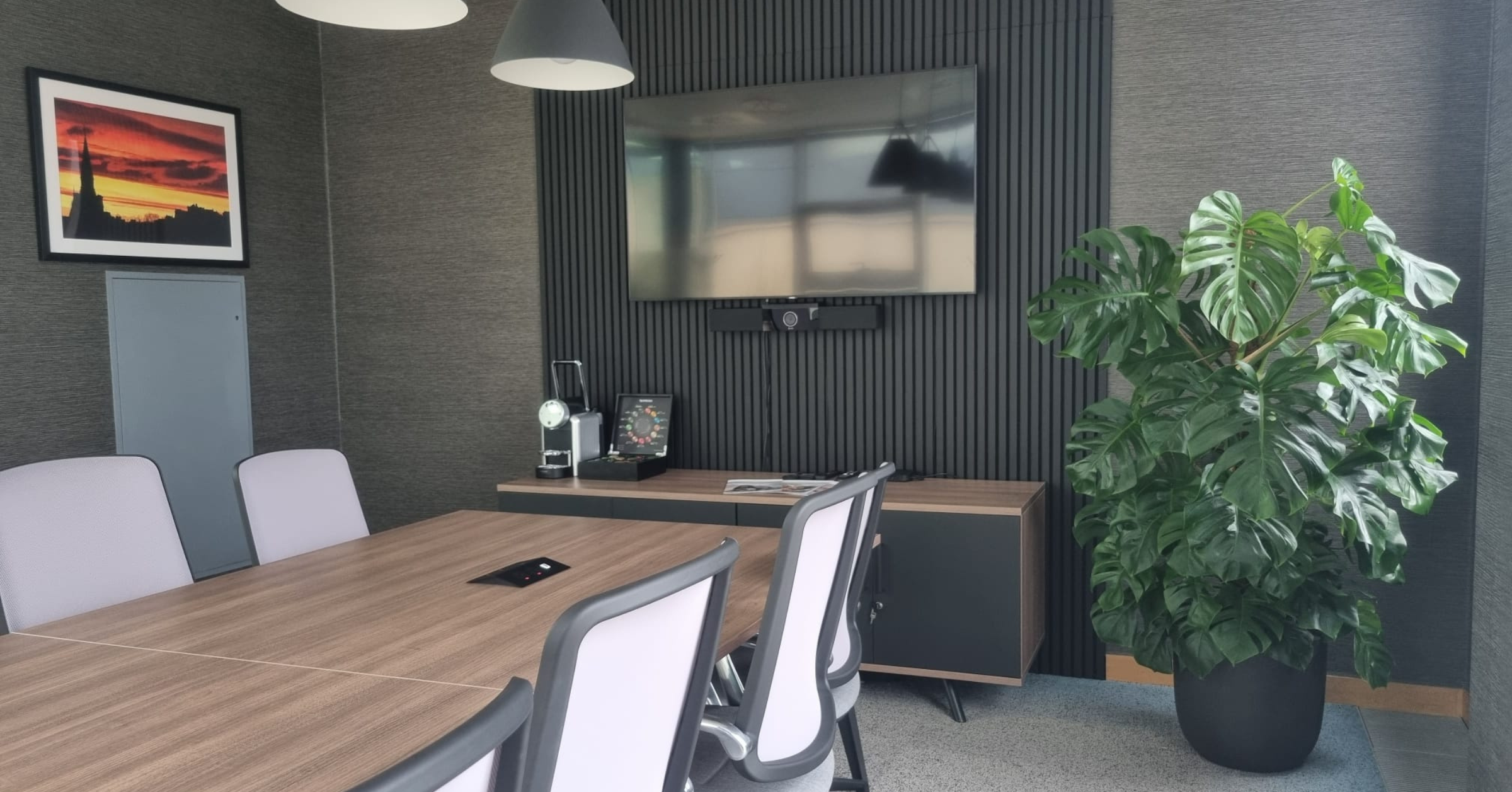
In large open-plan spaces, small plants can get lost. The Monstera Deliciosa has a large scale and iconic split leaves. The deep lobes and holes in the foliage allow light and shadows to pass through, creating a dynamic play of shapes against flat concrete surfaces. It acts as a structural anchor, matching the ‘heaviness’ of a building while injecting a sense of vibrant, tropical energy.
One of the most effective ways to ease visual tension is through vertical planting. In a plain office setting, we often utilise trailing species that spill over ledges or curl around exposed steel structures.
By using specific climbing and trailing plants, we introduce a sense of movement to a static room. As these vines drape over harsh edges, they blur the sharp corners of the architecture. This is like the aesthetic of nature reclaiming a structure – which humans find inherently calming and restorative.
To create this sense of organic movement, here are some types of vertical greenery that can improve your space:

The philodendron is a staple because of its ability to adapt. Its lush, waxy leaves can be trained to climb upwards or spill downwards, making it ideal for softening the vertical columns of an office. It brings a vibrant, deep green contrast to the neutral tones of most offices.
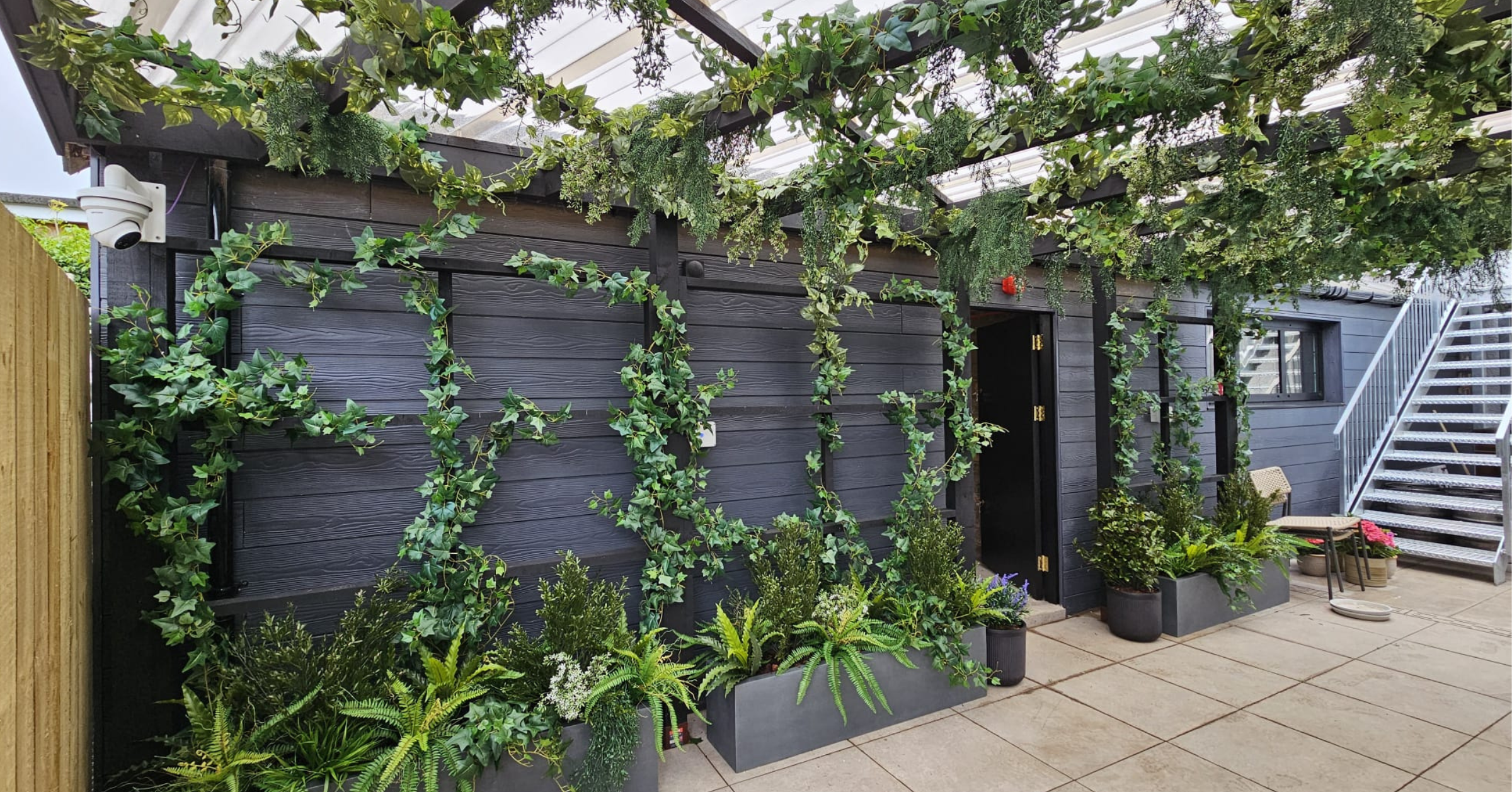
Ivy is the classic choice for creating that “nature reclaiming the building” look. It clings and curls around structures, softening the hardest of industrial edges.
Professional Design Tip: For ceilings, high-level rafters, or difficult-to-reach displays, we recommend artificial ivy and trailing foliage. It provides the same visual “softness” as the living plant but is a long-lasting and cost-effective solution for areas where regular maintenance and watering are impractical.
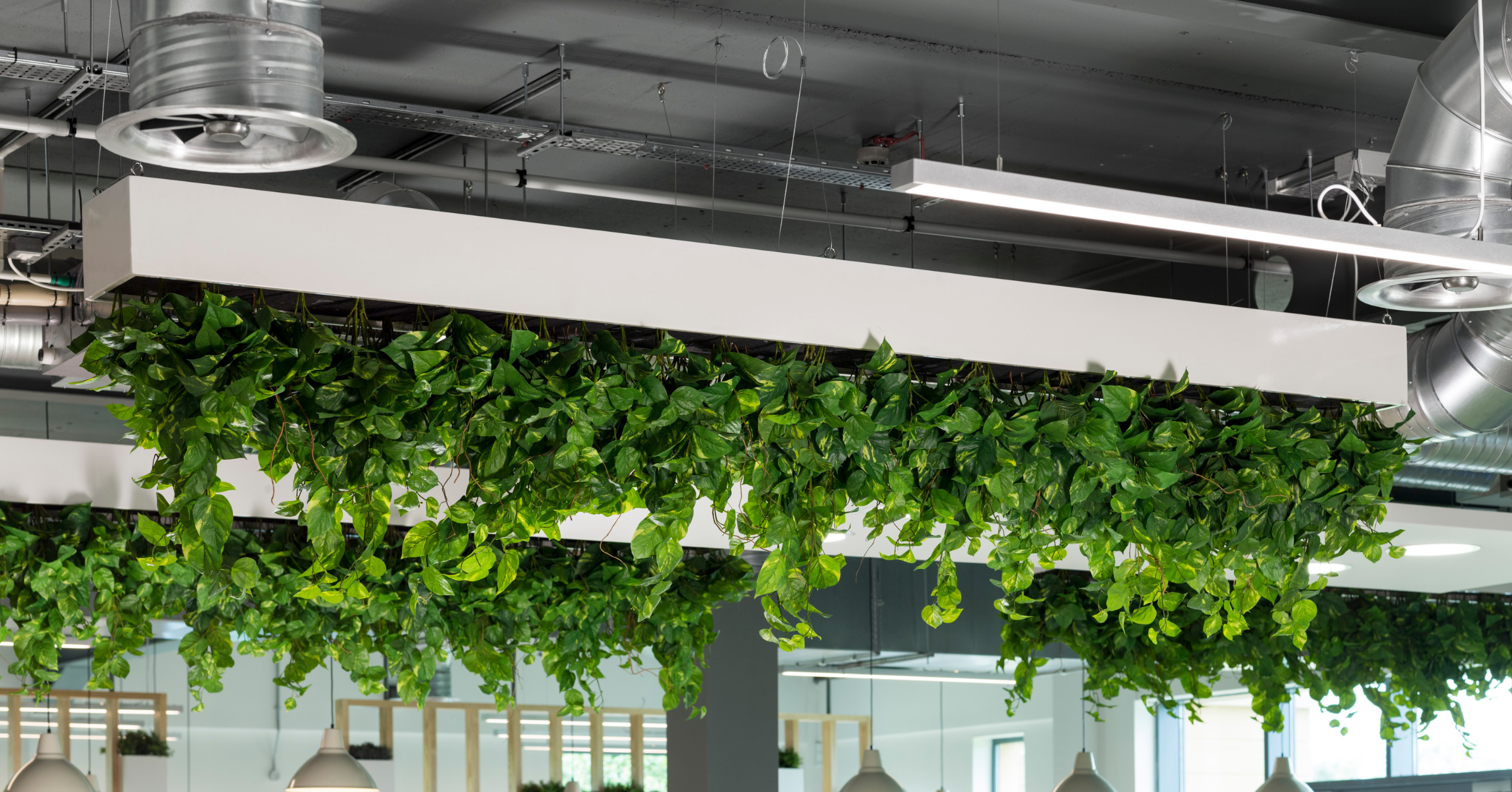
For a ‘waterfall’ effect, you can use Pothos. Its fast-growing leaves trail downwards in long, elegant strands. When placed in high-level planters or in seating booth planters or troughs, it breaks the horizontal line of the furniture and creates a vertical ‘flow’ that directs the eye downward, making a cavernous industrial space feel more alive.
For larger spaces, a few plants aren’t enough to balance the scale of the blank walls. This is where high-impact solutions like living walls or green walls should be implemented.
Living walls and green walls are biophilic infrastructure. A living wall isn’t just a decoration; it’s a breathing wall that can be engineered by Benholm to regulate humidity and absorb the harsh acoustic echoes common in large empty spaces. By selecting a high-density mix of species, we create lush, immersive environments that replace the ‘cold’ industrial feel with a vibrant, productive ecosystem.
To improve vast empty walls, there are three types of high-impact planting displays:
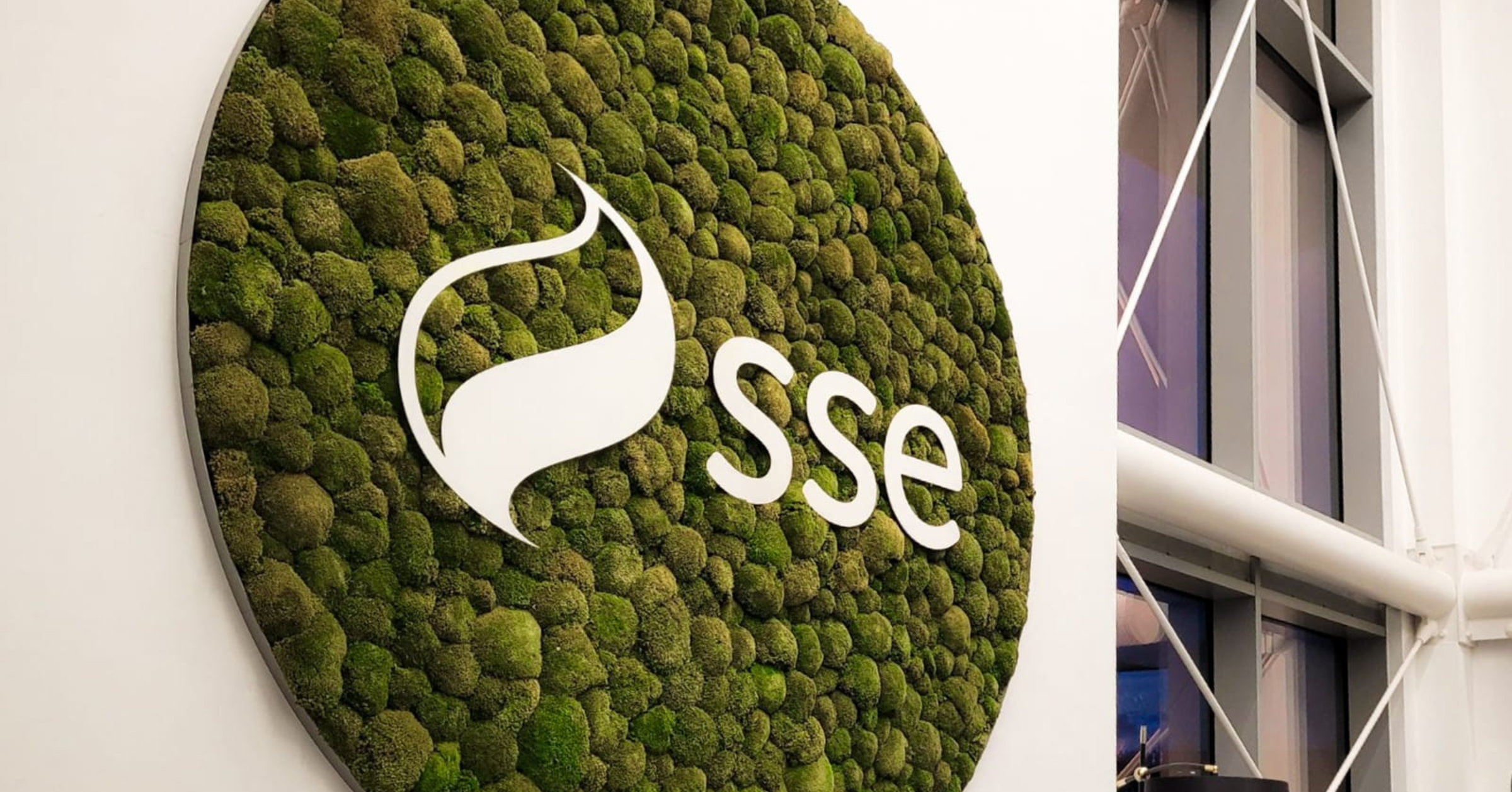
Moss walls are an incredibly flexible design tool for brand-focused spaces. Because the moss is preserved, these walls are virtually maintenance-free and long-lasting, requiring no light or irrigation. At Benholm, we can customise moss into almost any shape, size or colour, often incorporating brand logos or bespoke geometric designs directly into the texture. Beyond standard walls, you can also have moss tiles for ceilings and portable moss partitions. These are particularly effective in large rooms because moss is a natural acoustic absorber, significantly damping echoes caused by hard concrete surfaces.
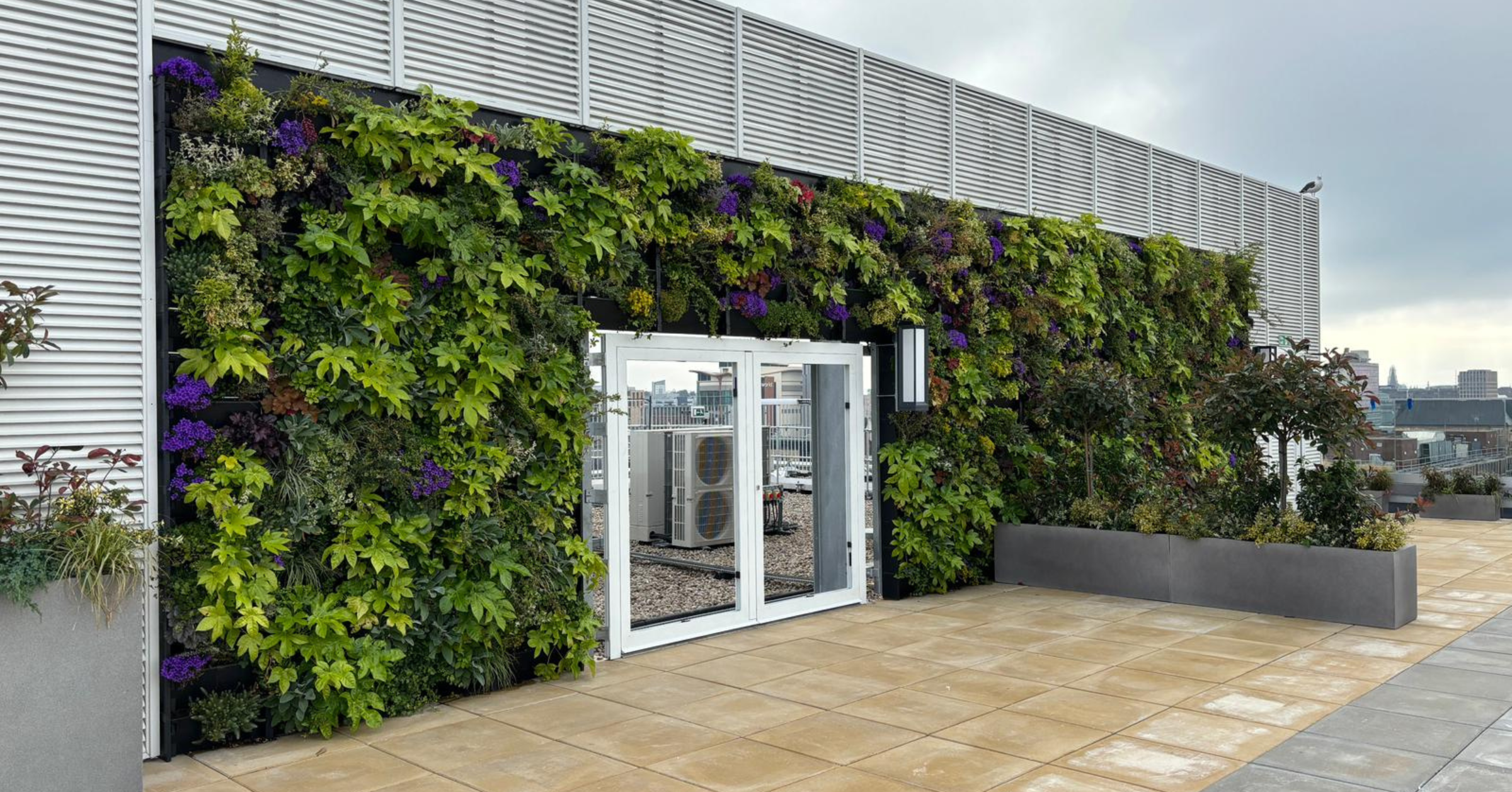
Living walls are the ultimate statement in eco-brutalism. Interior living walls focus on air purification and humidity control, creating a fresh microclimate inside the office. Exterior living walls allow you to extend the biophilic design theme to the building’s shell, aiding in local biodiversity.
Maintenance Note: Because these are living, breathing systems, they have specific requirements. Exterior living walls are designed handle local weather conditions, while interior walls are managed for indoor light levels. Both require professional irrigation and regular maintenance, which our team handles entirely to ensure the wall remains vibrant year-round.

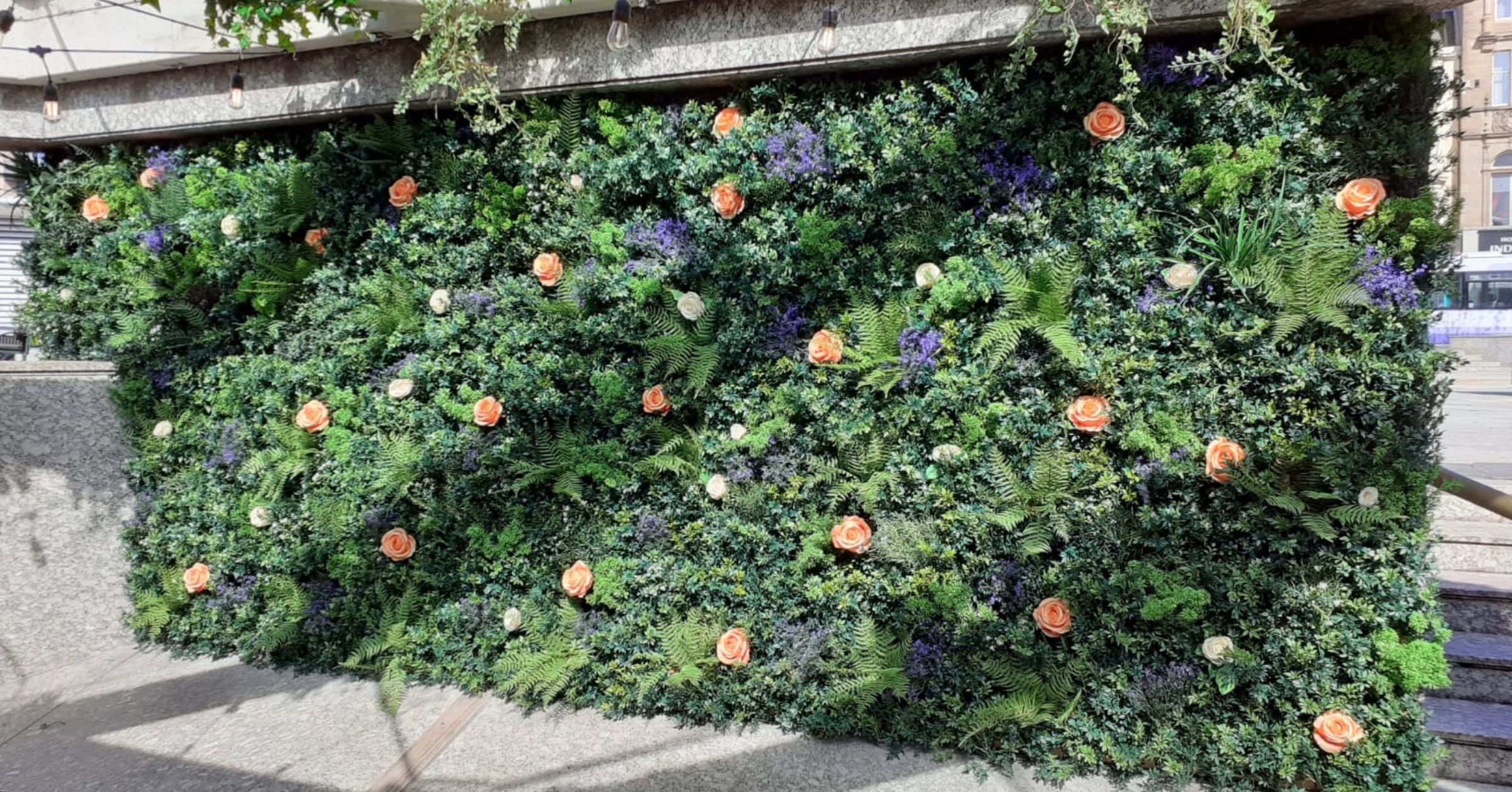
For areas where light is limited or where a no-maintenance solution is required, our artificial green walls offer a durable, high-impact alternative. These can be customised with integrated signage or even floral options to add colour that softens the surrounding space. Interior artificial walls are perfect for high-traffic areas or difficult-to-reach locations. Exterior living walls are designed to be UV-stable and weather-resistant, these provide a permanent green facade without the need for irrigation.
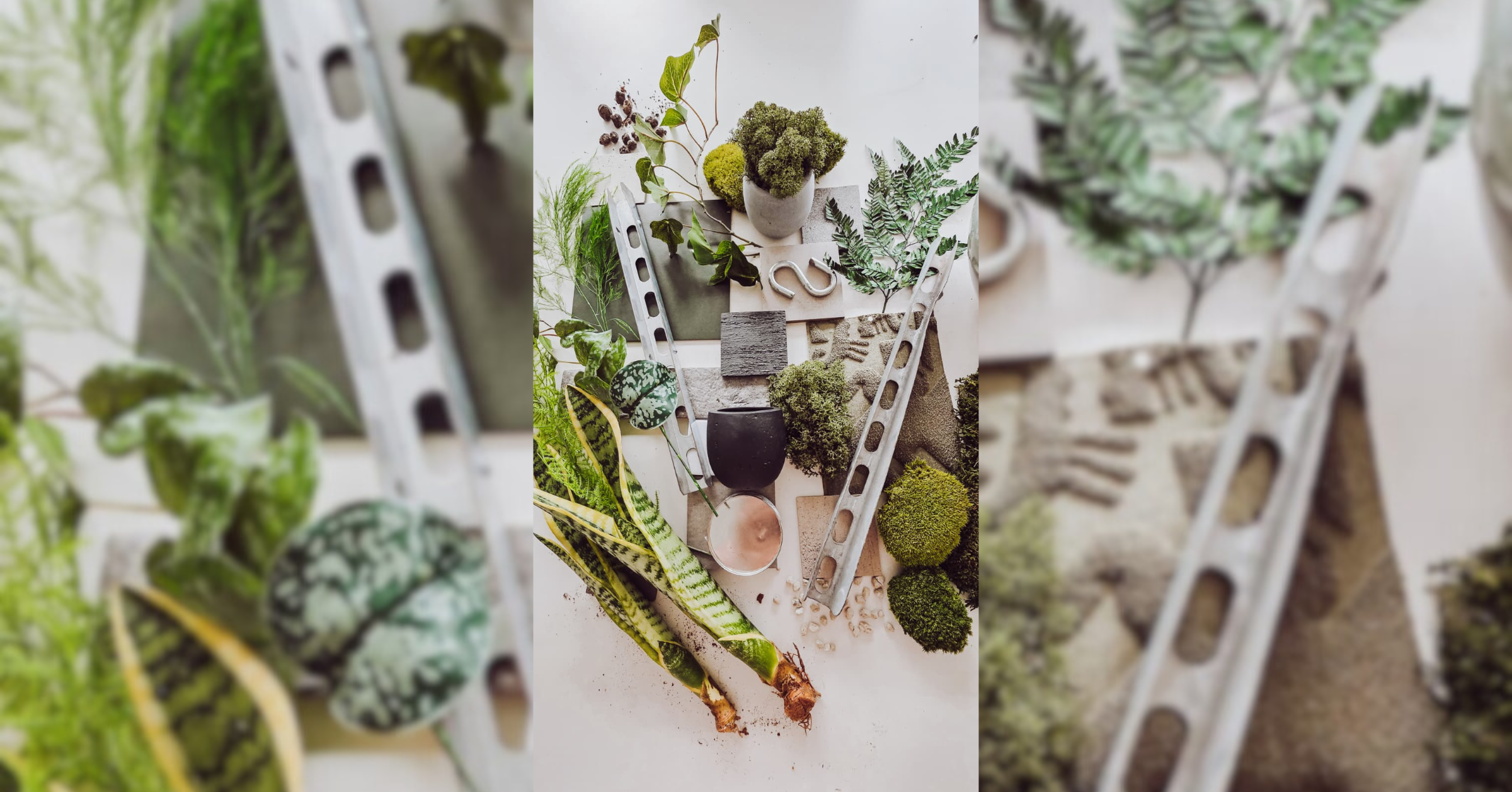
Achieving the balance of eco-brutalism is a technical challenge. It requires a deep understanding of which plant species can thrive in the unique light and temperature conditions of an interior.
At Benholm Group, we take care of the entire process. We don’t just provide a list of plants; we select the highest-quality specimens and planters suited to your palette and manage the planting installation and ongoing care. We ensure that the plants we choose don’t just survive in your office – they transform it.
To ease the visual tension of an office, you need more than just a plant in a pot; you need a professional biophilic strategy. Don’t let your office stay cold – let Benholm Group transform it.