Skip to the content
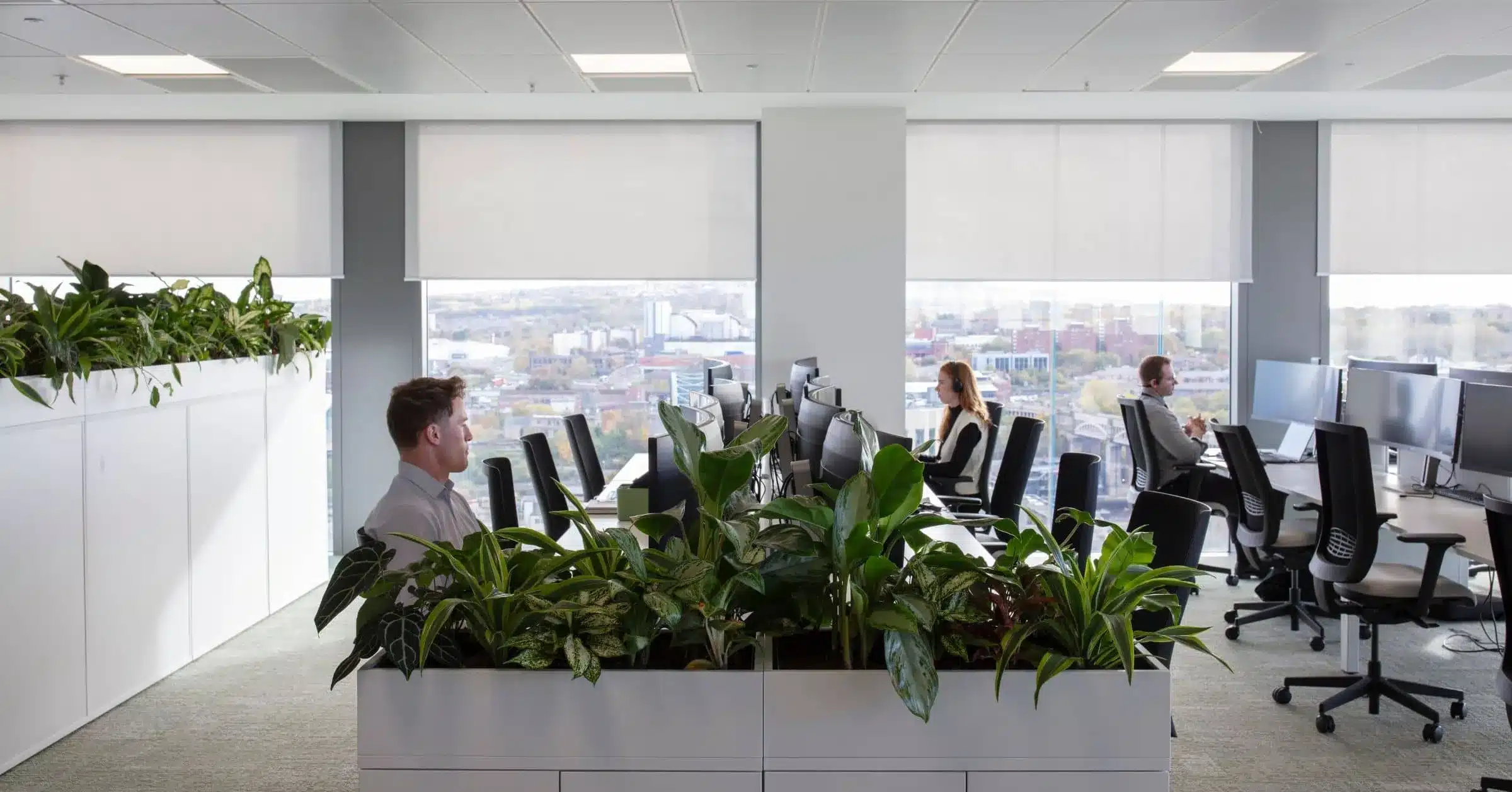
With biophilic design now a given rather than a nice-to-have, planting plays a much bigger role than just filling corners or empty canvases. It truly affects how a space feels, how people move through it, and how it performs on a daily basis.
Unlike furniture or finishes, plants are living organisms that change in size, shape and colour.
Both DIY planting and working with a commercial planting expert have their place, therefore, the right approach depends on the project, the environment, the client, and how long the space needs to work for.
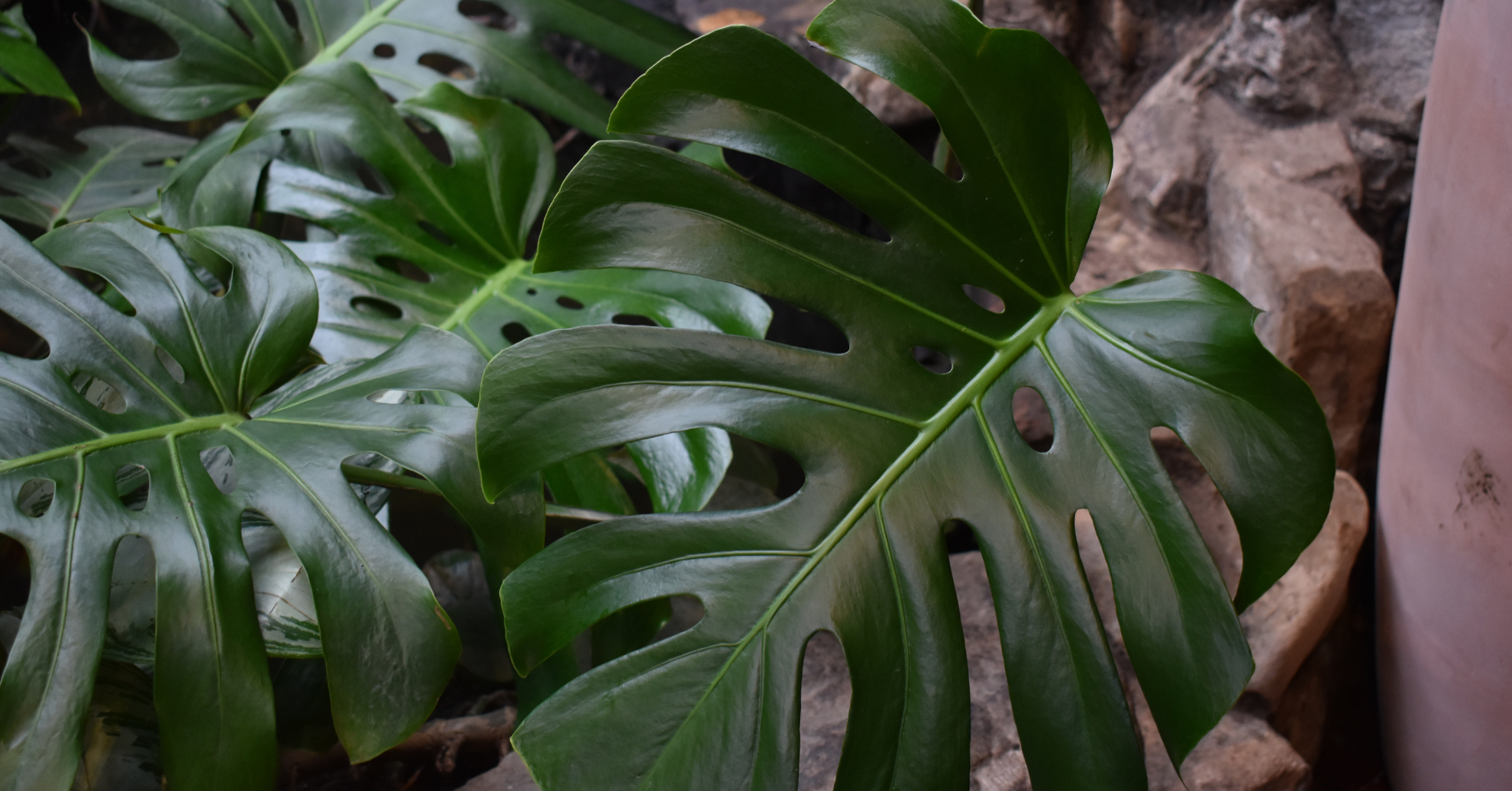
Buying plants directly from garden centres or online retailers is typically cheaper at the outset, making DIY planting appealing for projects with limited budgets or tight financial constraints. For short-term installations or spaces that need a quick visual uplift, DIY can feel like a sensible and cost-effective solution.
If you’re under pressure and working to a tight deadline to meet a client brief or need a simple fix quickly, sourcing plants yourself may seem like the most practical way to control spend while still achieving impact. Garden centres offer a wide range of price points, allowing you to shop around and select plants that suit your budget, style, or immediate requirements.
Additionally, many garden centres stock popular, readily available plant varieties at lower prices than specialist suppliers, making DIY planting a familiar and accessible route for many.
Arguably the biggest advantage of DIY planting is speed. There’s no need to wait for site surveys, planting strategies, or consultant sign-off for a project. Plants can often be sourced and installed in a single day, making DIY ideal when timelines are tight or decisions need to be made quickly.
Garden centres are usually conveniently located, allowing for repeat visits and last-minute changes. This flexibility makes it easy to replace plants, adapt selections, or tweak layouts in a low-key way without formal approvals or revised plans.
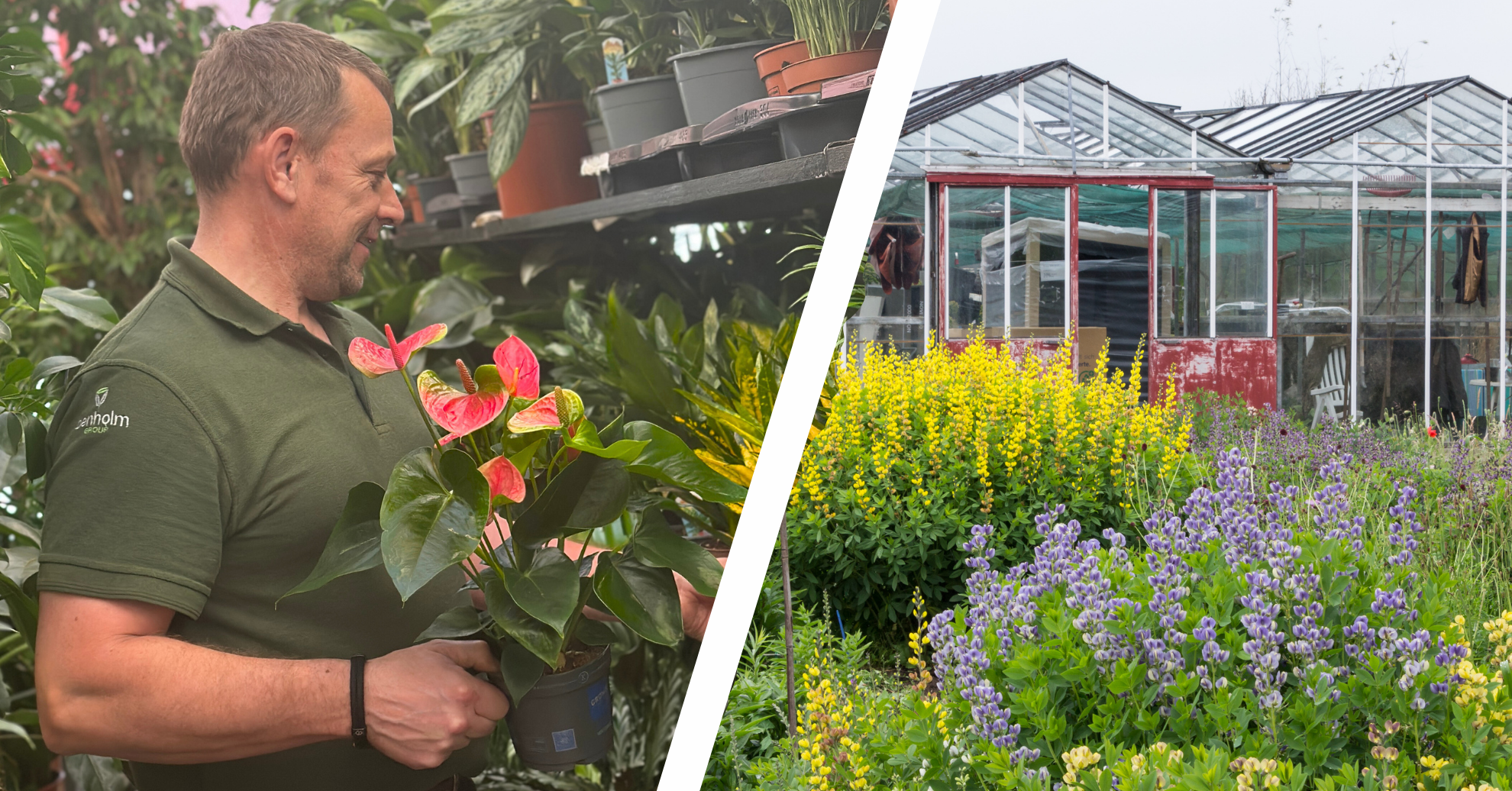
For some designers, selecting plants themselves is a novelty and hands-on creative process. It’s often quite a thrill to visit a garden centre, or choose plants based on colour, form, or overall visual appeal, and there’s something about experimenting with combinations that can feel intuitive and inspiring.
In simple, in well-lit environments where planting is mostly decorative rather than functional, this approach can work well. DIY planting also offers a strong sense of personalisation, appealing to creatives who value autonomy and personalisation.
Pop-ups, photoshoots, events, and small interior spaces often don’t require the complexity or long-term planning of a fully managed planting scheme. In these cases, DIY planting may seem like a practical and proportionate solution
Plants that look healthy in a garden centre don’t always perform well indoors. Poor light levels, limited airflow, fluctuating temperatures, and high humidity can all negatively affect plant health if not carefully assessed for each specific environment.
Without expert guidance, plants are often placed in conditions they’re simply not suited to, leading to early decline or failure.
Retail plant ranges prioritise availability and ease of sale, not long-term performance in commercial environments. Many common houseplants struggle over time in offices, hospitality venues, or public spaces where conditions differ significantly from a home setting.
Many indoor plants are exotic species that require specialist care to truly thrive, something that’s difficult to manage without horticultural expertise.
Without a clear and consistent care plan, plants can quickly start to look tired, which reflects poorly on the space as a whole. Yellowing leaves, wilting foliage, and patchy growth undermine the welcoming atmosphere plants are meant to create.
For office managers and staff, this often leads to ongoing effort and expense, attempting to revive struggling plants, dealing with pests, or repeatedly replacing plants that don’t survive.
While DIY planting may be cheaper initially, ongoing replacements, pest control, and constant refreshing of displays can become a hidden long-term cost.
Over time, this can exceed the investment of a professionally designed and maintained planting scheme.
Commercial planting experts assess light levels, airflow, temperature, humidity, and how each area is used before specifying plants.
Simply upload your floor plan and a bespoke planting scheme is created to suit your space, its limitations, and its purpose. With access to a wide range of premium plants sourced from specialist growers in Holland, you benefit from species and sizes not available on the high street — giving offices, reception areas, hospitality, and leisure venues a refined, high-end finish.
With decades of experience in plant design, we know how to balance visual impact with long-term plant health. This knowledge ensures planting schemes don’t just look good on day one, but continue to thrive, something that’s difficult to achieve without specialist input.
Having worked across a variety of sectors and with a team of experienced creative installers, we know how to bring every vision you dream of to life.
Plant health is fully or partially managed by professionals, significantly reducing the risk of failure after installation and ensuring accountability over time.
Leaving plants in the hands of someone else makes life less stressful and means that designers can focus more on other areas of their design rather than a planting scheme.
Regular professional maintenance keeps planting looking fresh, intentional, and well cared for rather than slowly declining or becoming neglected.
From bespoke products, planters and irrigation systems to green walls and large-scale installations, commercial providers offer solutions far beyond what’s available in retail settings.
As spaces change, plants can be relocated, replaced, or upgraded. Underperforming plants can be swapped out as part of an ongoing service, ensuring the scheme always works for the environment.
Professional design, installation, and maintenance come with a higher upfront cost compared to DIY solutions.
Because decisions are based on long-term success, the design and approval process can take more time.
Most commercial planting schemes work best with a maintenance agreement, requiring long-term budget planning and sign-off.
For small, low-risk, or temporary projects, a commercial planting service may be more than the space actually requires.
Buying plants from a garden centre offers several advantages, including convenience, stock availability and the opportunity to view a wide range of colourful plants and different varieties in person. This allows buyers to compare options easily and choose plants that appeal to them. However, not all plants available will necessarily suit a buyer’s specific goals or growing conditions.
Without expert knowledge, it may be difficult to assess which plants will thrive, potentially leading to unsuitable choices. Therefore, while garden centres provide accessibility and variety, careful consideration and some guidance are often needed to make the most appropriate selections to make a space last for the long-term.