Skip to the content
Rather than designing for people, participatory design focuses on designing with them. By bringing end users, designers, and sometimes entire communities together to shape spaces that genuinely reflect their needs, values, and lived experiences.
In an increasingly diverse and rapidly changing world, this approach ensures that buildings and interiors are not only functional, but resonant, inclusive, and deeply human. Whether the objective is to develop a new office, revitalise a public building, renovate a residential property, or reshape a communal environment, participatory design enhances the final outcome by prioritising the voices of the people who matter most.
Some key examples of participatory design include LILAC (Low Impact Living Affordable Community) in West Leeds, Granby 4 Streets Community Land Trust, The Kingfisher Ward in Bristol, and the ongoing revitalisation of Govanhill Baths by locals in the area.
To authentically engage users, designers must begin by empowering them. This means inviting workers, residents, or community members into the process from the very beginning, long before drawings, mood boards, or materials are even selected.
Empowerment means giving people a platform to articulate what they need, what they value, and what challenges they face in their current environments. Their insights often reveal issues that might otherwise go unnoticed: discomfort caused by poor ergonomics, frustration with inefficient layouts, or emotional disconnect stemming from uninspiring surroundings.
By fostering trust and open communication, designers gain access to rich qualitative information that adds depth and accuracy to the design strategy. This collaborative relationship not only leads to better spaces, but also strengthens the bond between users and the built environment, fostering pride, ownership, and long-term satisfaction.
This process typically begins with the collection of data through focus groups, observations, interviews, and surveys, generating both qualitative and quantitative insights. From there, designers analyse the findings and develop initial concepts aligned with the client’s budget and broader objectives.

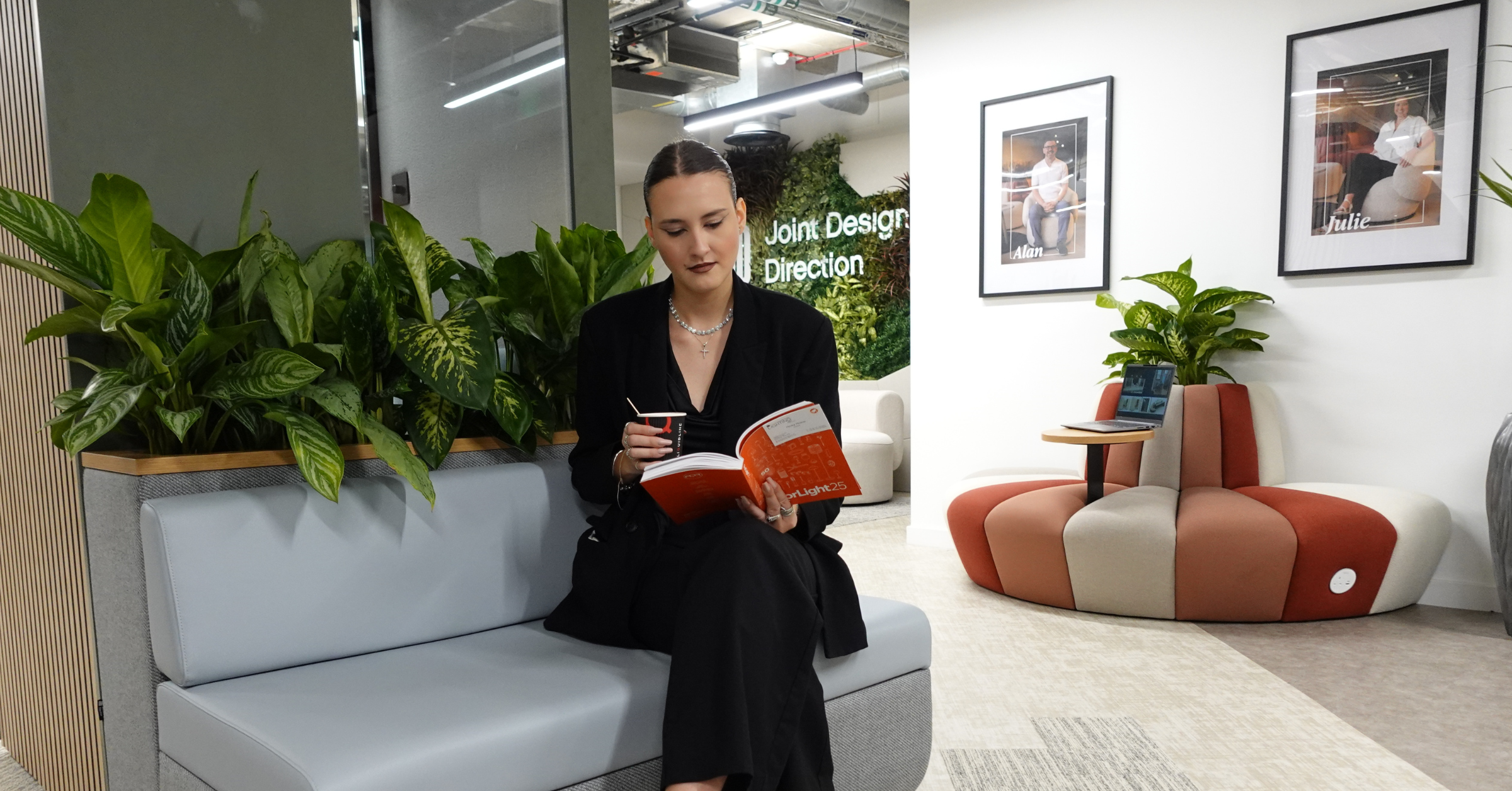
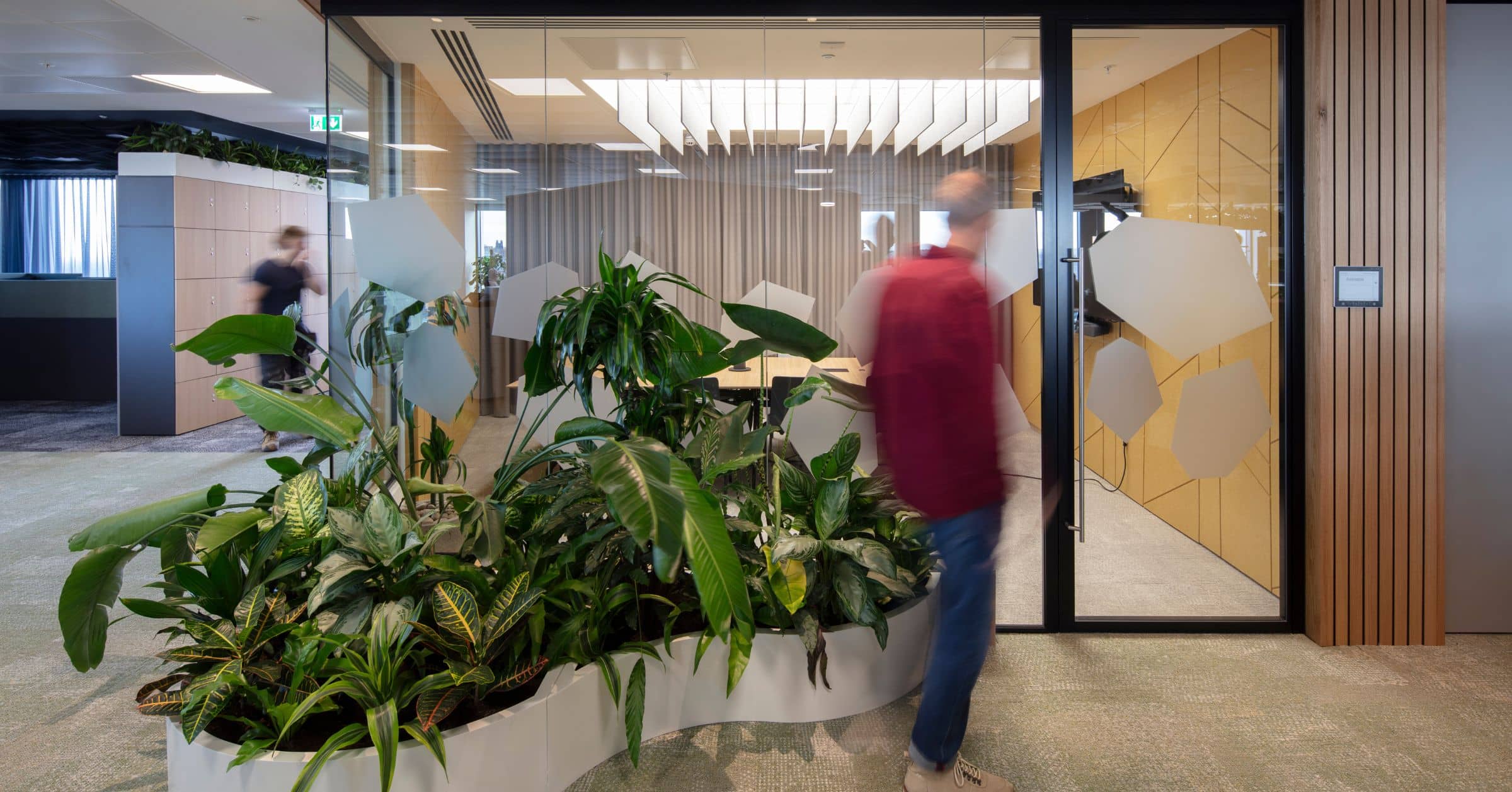
Participatory design is particularly transformative in the workplace. Offices are more than just functional spaces as they influence wellbeing, performance, creativity, and culture. Asking people how they work best, what challenges they face, and what environments make them feel supported helps shape spaces that align with both human needs and organisational goals.
When employees are involved in the decision-making process, they feel valued and heard. This can improve morale, engagement, and even retention. Moreover, user insights can help identify what types of spaces are truly needed, such as quiet zones, collaboration rooms, wellness areas, or flexible workstations.
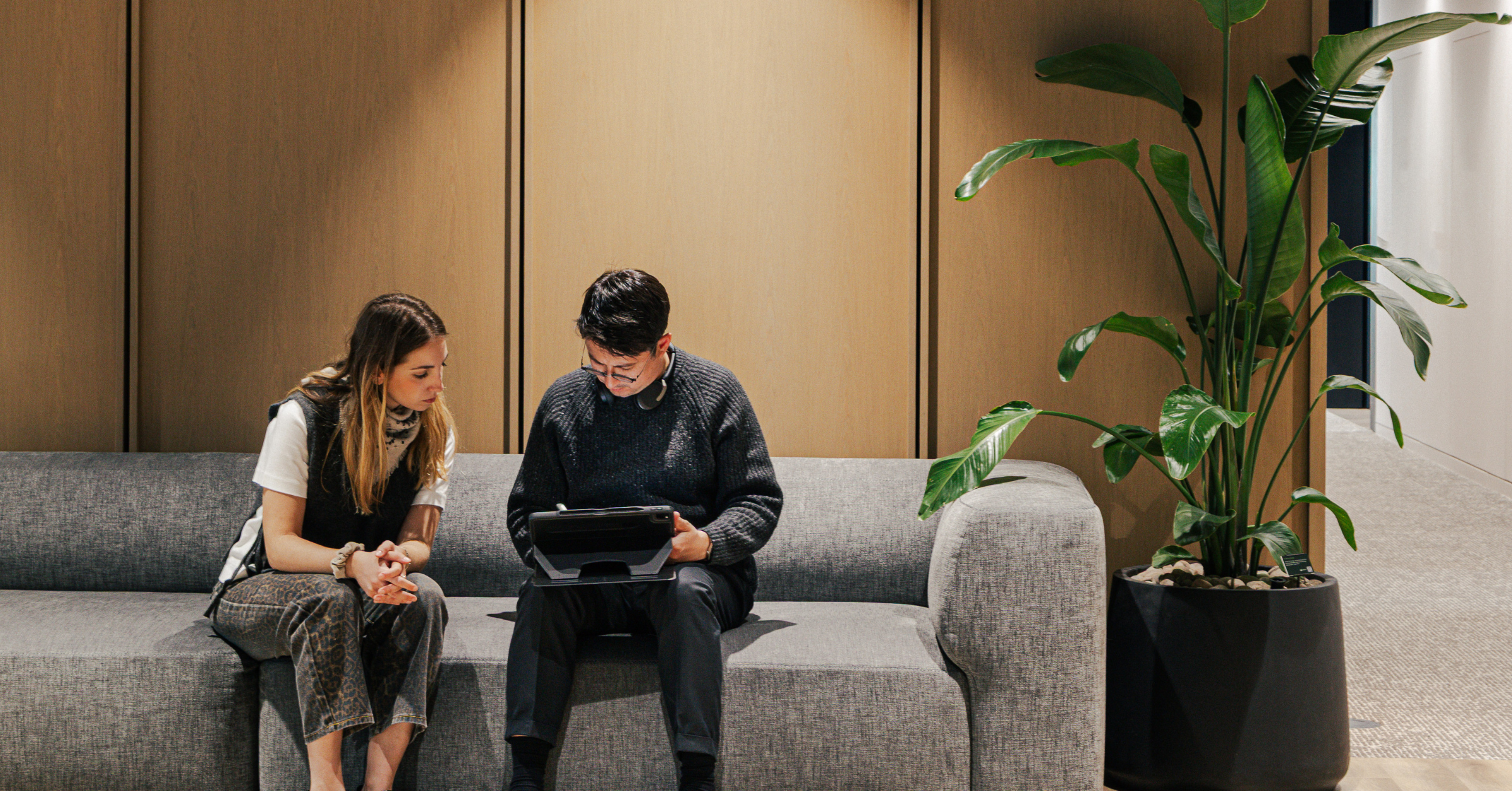
When people are invited to take part in shaping their environment, several essential design elements naturally become areas of focus. Each contributes to a more holistic and meaningful space:
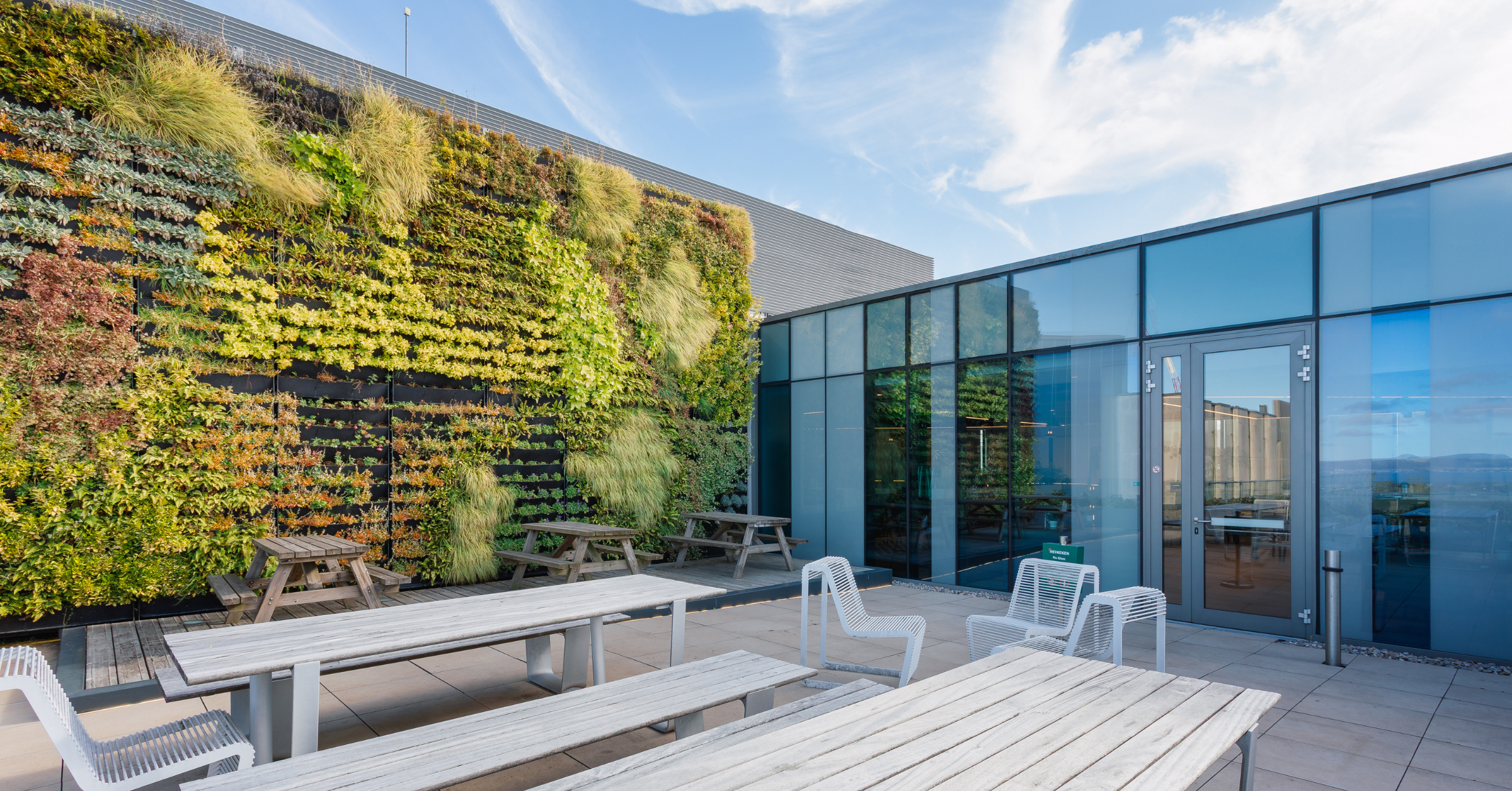
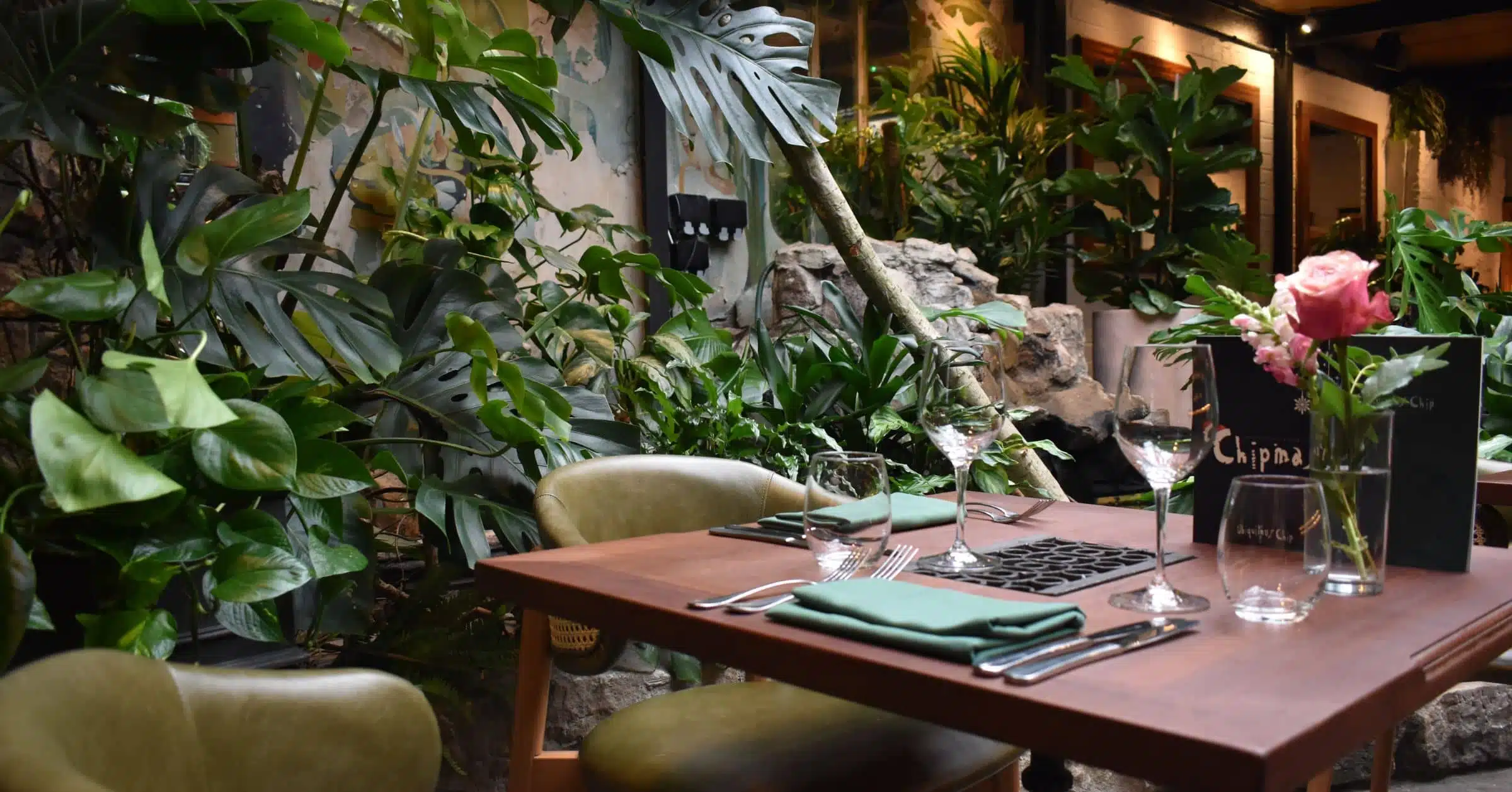
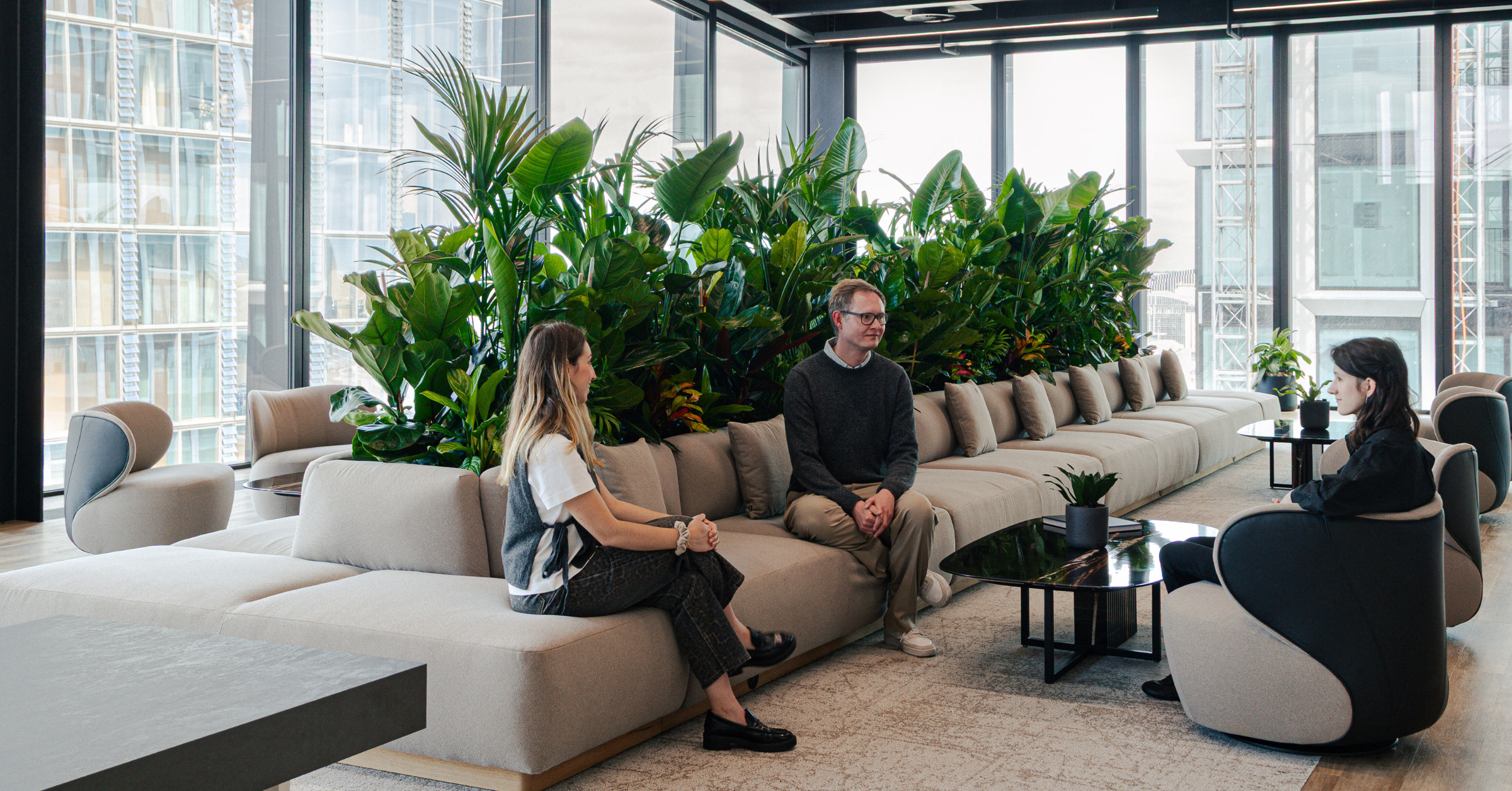
Biophilic design is an innovative approach that integrates elements of nature into the built environment, particularly in architecture and urban planning. Grounded in the understanding that humans possess an innate affinity for the natural world, this design philosophy has the potential to enhance mental and physical health, boost productivity, and improve overall wellbeing, especially in commercial spaces where people work, collaborate, and spend leisure time.
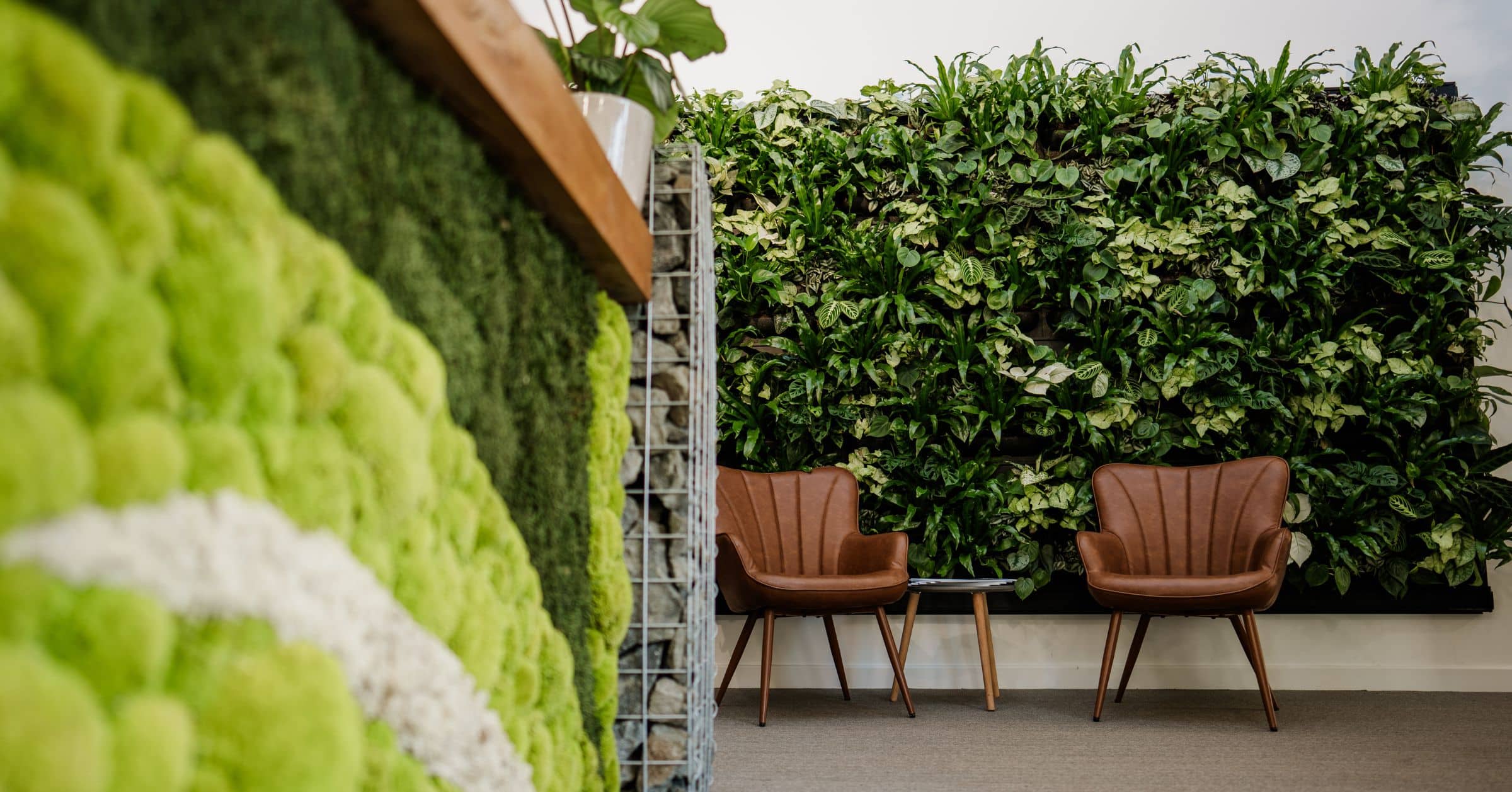
Nature has a profound influence on human health and emotional balance. Through participatory design processes, users frequently express a desire for increased natural light, organic materials, indoor plants, and stronger visual or physical connections to the outdoors. These preferences can be translated into tangible design features such as living walls, natural textures and finishes, thoughtful window placement, integrated greenery, and accessible outdoor or semi-outdoor spaces.
Architects, interior designers and those in commercial places who seek more bespoke floral and planting designs work with us to create environments that encourage relaxation, creativity, and productivity.
Ergonomics is fundamental to health and wellbeing. By gathering feedback on posture, work habits, and physical needs, designers can select furniture and plan layouts that support comfort and productivity. This could include adjustable desks, supportive seating, improved lighting, and thoughtful spatial organisation.
Colour choices have psychological effects that influence mood, performance, and energy. Through participatory workshops and surveys, designers can identify colour palettes that resonate with the users, whether the goal is to create calm, focus, creativity, or vibrancy.
Artwork and décor contribute to identity and storytelling. When users are involved in choosing or creating these elements, the space gains a unique layer of personal and cultural expression. This not only beautifies the environment but also strengthens community connection.
Modern spaces must adapt to evolving needs. Participatory design helps uncover how frequently teams reconfigure their environment, what kind of mobility they require, and how much autonomy users need in arranging their workspace. Flexible layouts can include modular furniture, movable partitions, multipurpose rooms, and dynamic seating arrangements.
A well-designed environment should reflect the values and identity of the organisation or community it serves. By involving people directly in the process, designers can gather insights into the culture, mission, and personality that the space should embody.
This helps create environments that are not only beautiful but also meaningful spaces that communicate a clear sense of purpose, belonging, and direction.
Participatory design transforms the way spaces are conceived, developed, and experienced. It shifts the role of the designer from an isolated creator to a collaborative facilitator, turning the design process into an open dialogue.
By prioritising user input, embracing shared decision-making, and recognising the power of collective insight, architects and interior designers can create environments that are not only functional and visually appealing but truly supportive, inspiring, and human-centred.
In the end, the spaces we build should reflect the people who inhabit them and participatory design ensures that their voices are heard, valued, and integrated every step of the way.