Skip to the content
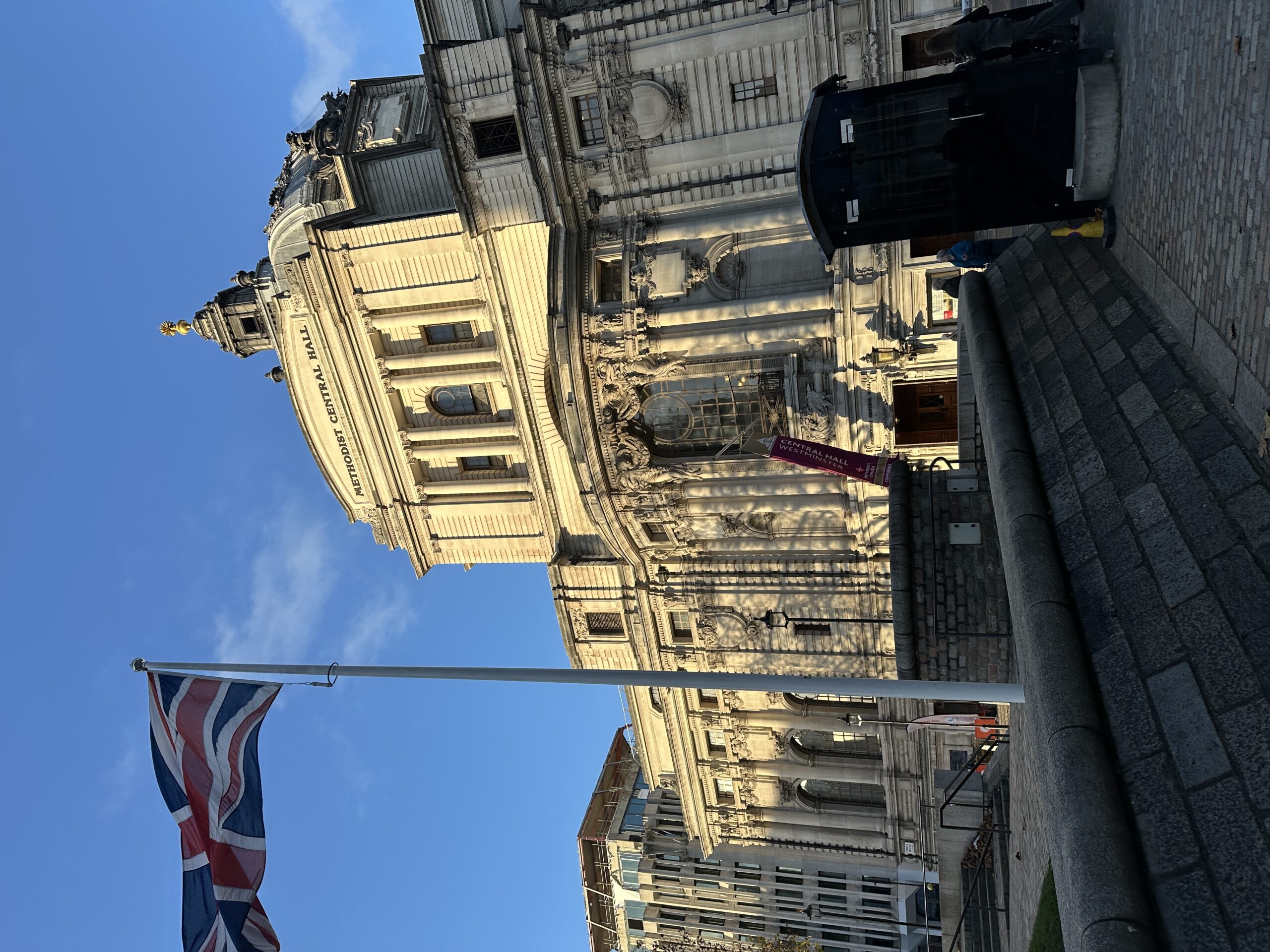
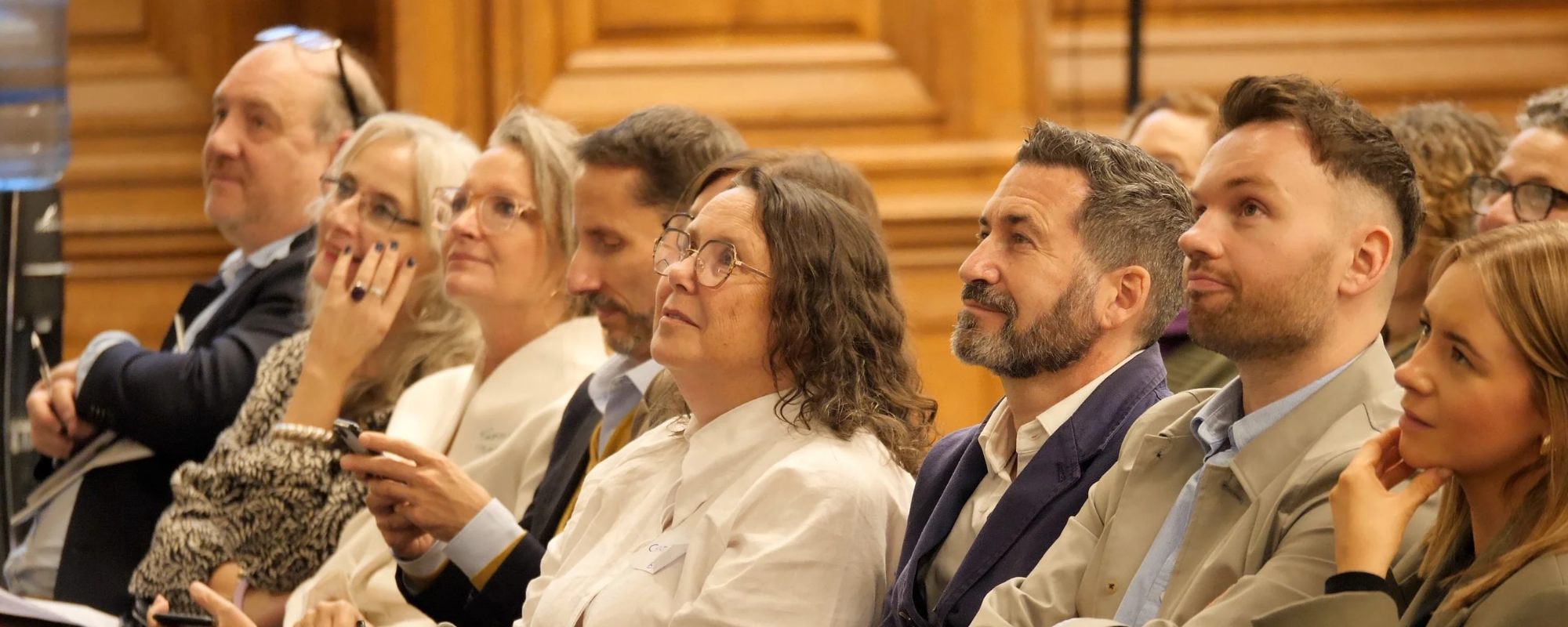
This week, we were pleased to attend the annual Journal of Biophilic Design Conference at Central Hall Westminster. As long-term supporters of the Journal and champions of biophilic thinking in the built environment, it is always valuable for our team to be part of the conversations shaping the future of our industry.
The conference brought together designers, academics, healthcare leaders, policy specialists and product innovators, all exploring how biophilia can positively influence the places we live, work and recover in. Across the full programme there was a clear sense of momentum behind evidence-led, human-focused design and the role nature can play in improving wellbeing.
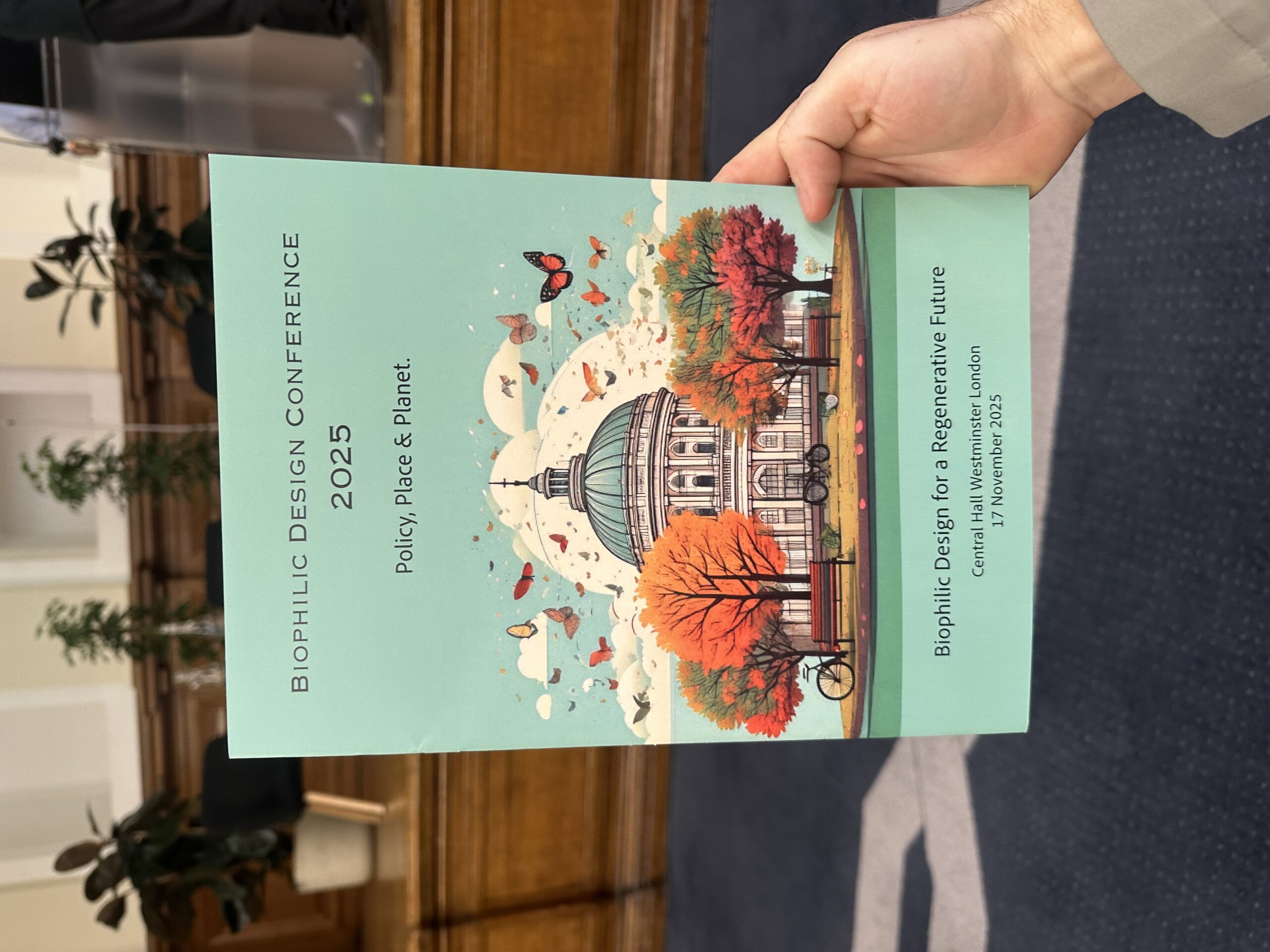
Having exhibited at the inaugural conference last year, this year provided an opportunity for our team to take part as attendees and fully immerse ourselves in the sessions. The programme covered a broad range of topics under the theme of ‘Policy, Place & Planet – Biophilic Design for a Regenerative Future.’

THE BIOPHILIC HEALTH SESSIONS
Looking at the conference agenda, we were most interested to take in The Biophilic Health Sessions, chaired by Jeremy Myerson. This section of the programme looked at how nature-connected design is being integrated into healthcare environments, mental health services and community wellbeing initiatives.
As a company that believes nature has an important role to play in improving wellbeing across all types of spaces, we are always aware of the barriers that can make biophilic interventions more complex in healthcare settings. Infection control requirements, sensory considerations, budget constraints and patient safety all influence what is possible, and often limit the use of natural materials or live planting. Because of these challenges, it was especially valuable to hear from speakers who are actively exploring how nature, wellbeing and healthcare can come together in ways that are practical, evidence-based and safe for patients and staff alike.
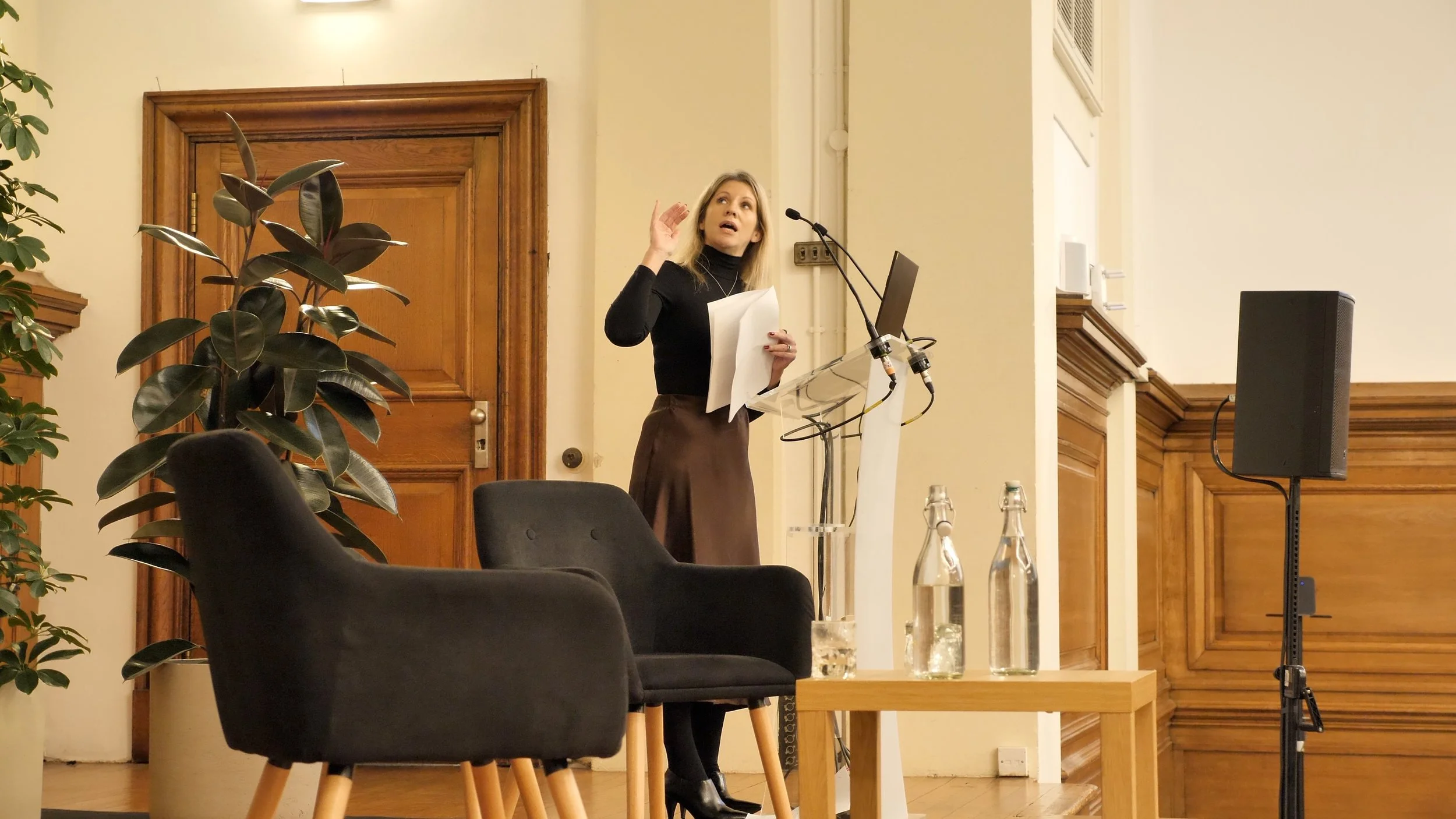
One example was Emma Moody from Avon and Wiltshire Mental Health Partnership NHS Trust, who shared progress on the development of The Kingfisher, a new inpatient unit in Bristol expected to receive its first patient in 2026. The £20m, 10-bed facility will specifically care for individuals across the South West of England with a learning disability or autistic people who would benefit from specialist mental health treatment in a hospital when their needs cannot be met in a mainstream mental health unit or at home.
The Kingfisher represents a new way of delivering inpatient services, with shorter lengths of stay and a more recovery-focused, therapeutic environment purpose-built for this cohort of patients. Alongside community services, its aim will be to provide specialist intervention to help people return to independent living as quickly as possible.
The project has involved the support of people with lived experience and their carers to influence and shape its design. Over the past 18 months, groups representing those with learning disabilities and autism have been meeting with architects, drawing on their insights to inform ward layout, furniture design, garden landscaping and sensory considerations such as acoustics and lighting.
CREATING AN ECOSYSTEM OF WELLBEING
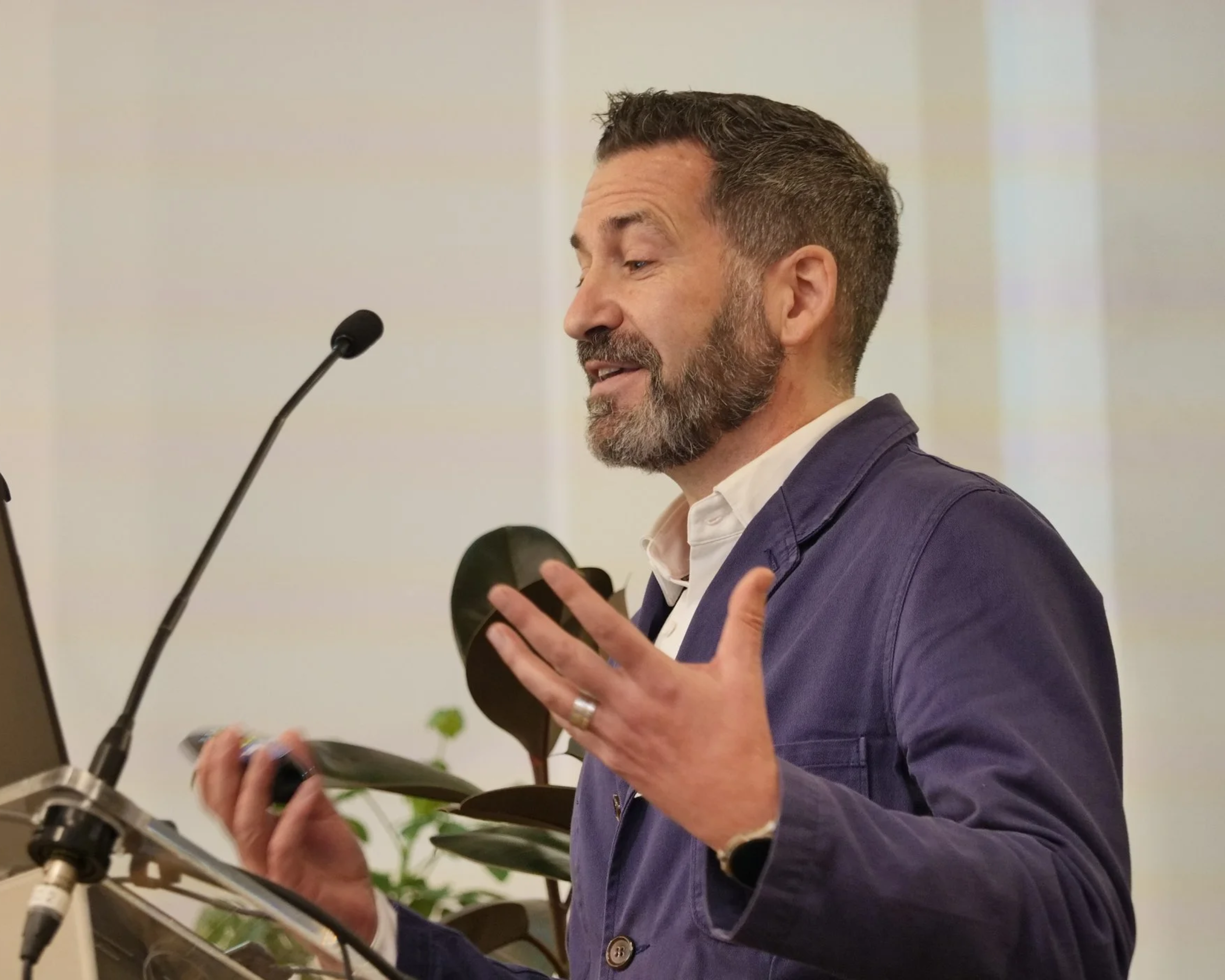
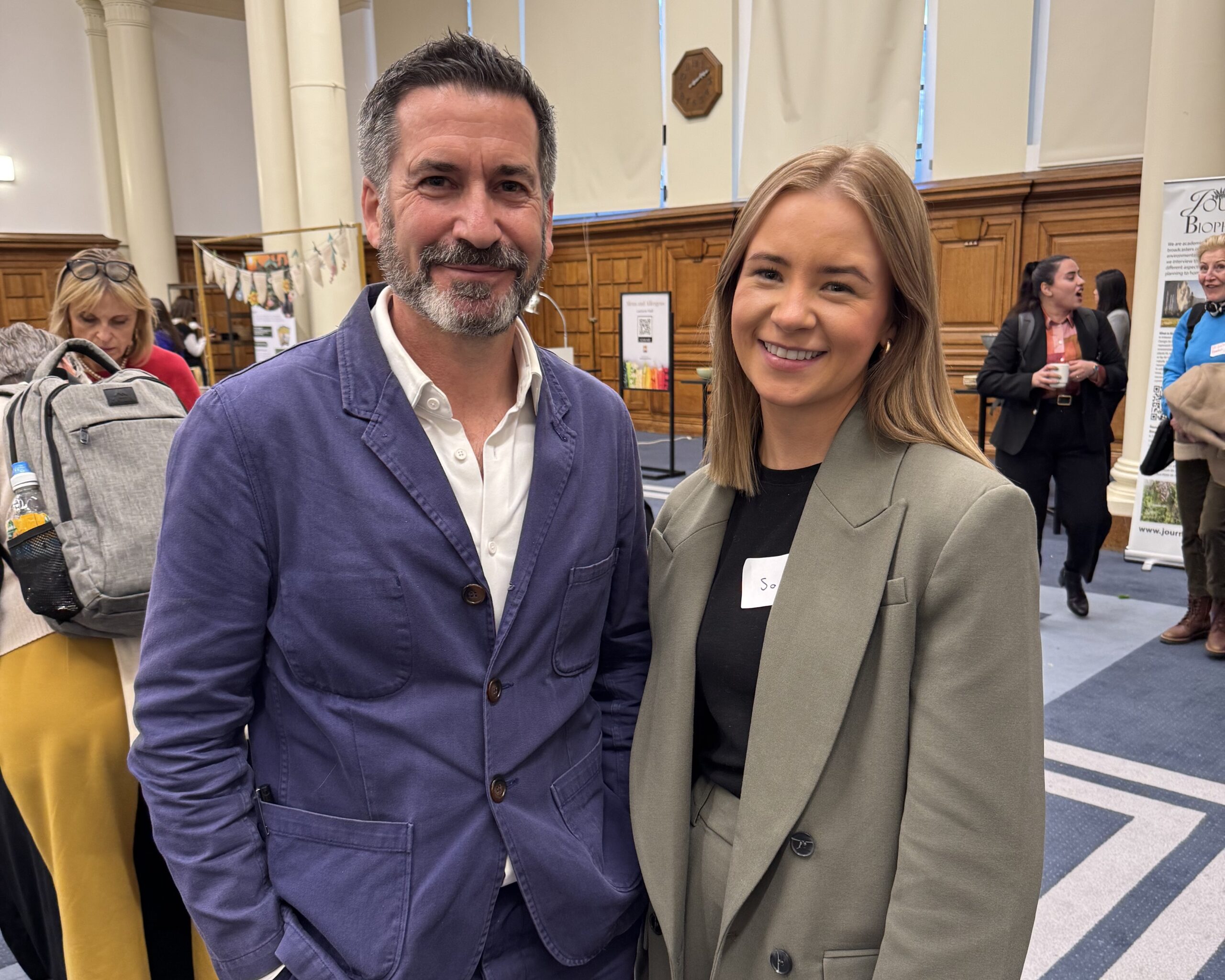
Another highlight was a keynote from Oliver Heath, founder and director of Oliver Heath Design and a widely recognised voice in health and wellbeing within the built environment.
His session, Creating an Ecosystem of Wellbeing, explored how the boundaries between different types of spaces are becoming less defined, and why we need to move beyond siloed thinking to design environments that genuinely support a wide range of users.
Oliver shared examples from recent projects, including a small-scale intervention with Knight Frank where a modest budget was transformed into something meaningful thanks to strong client engagement and a willingness to embrace nature-led thinking. He contrasted this with an ongoing, larger-scale project with John Lewis, demonstrating how biophilic principles can be applied at very different scales while still achieving positive outcomes.
HOW DO WE REALLY EXPERIENCE BIOPHILIC DESIGN?
Later in the programme, we heard from Dr Tatsuya Matsuoka, a visiting scholar from Shimizu Corporation and one of the researchers involved in the ongoing Nottingham Trent University study that Benholm Group is supporting. His session introduced emerging insights from the team’s work exploring how wearable technology can be used to measure the physiological and psychological effects of biophilic design in real workplaces.
Drawing on a review of existing research and early pilot studies, Dr Matsuoka outlined how indicators such as heart rate, heart rate variability, electrodermal activity and sleep quality can help build a clearer picture of how people respond to nature-connected environments over time. His presentation also highlighted the potential of 24-hour monitoring to capture more nuanced patterns in human energy, stress and recovery, offering a deeper understanding of how biophilic design influences wellbeing beyond short-term exposure.
The session also emphasised the importance of long-term, real-world testing. The project team is currently conducting experiments in office environments using plants maintained and supplied by Benholm, with further stages planned across both academic and commercial settings.
We look forward to continuing our involvement in this pioneering research and to the insights it will contribute to the future of workplace wellbeing and design.
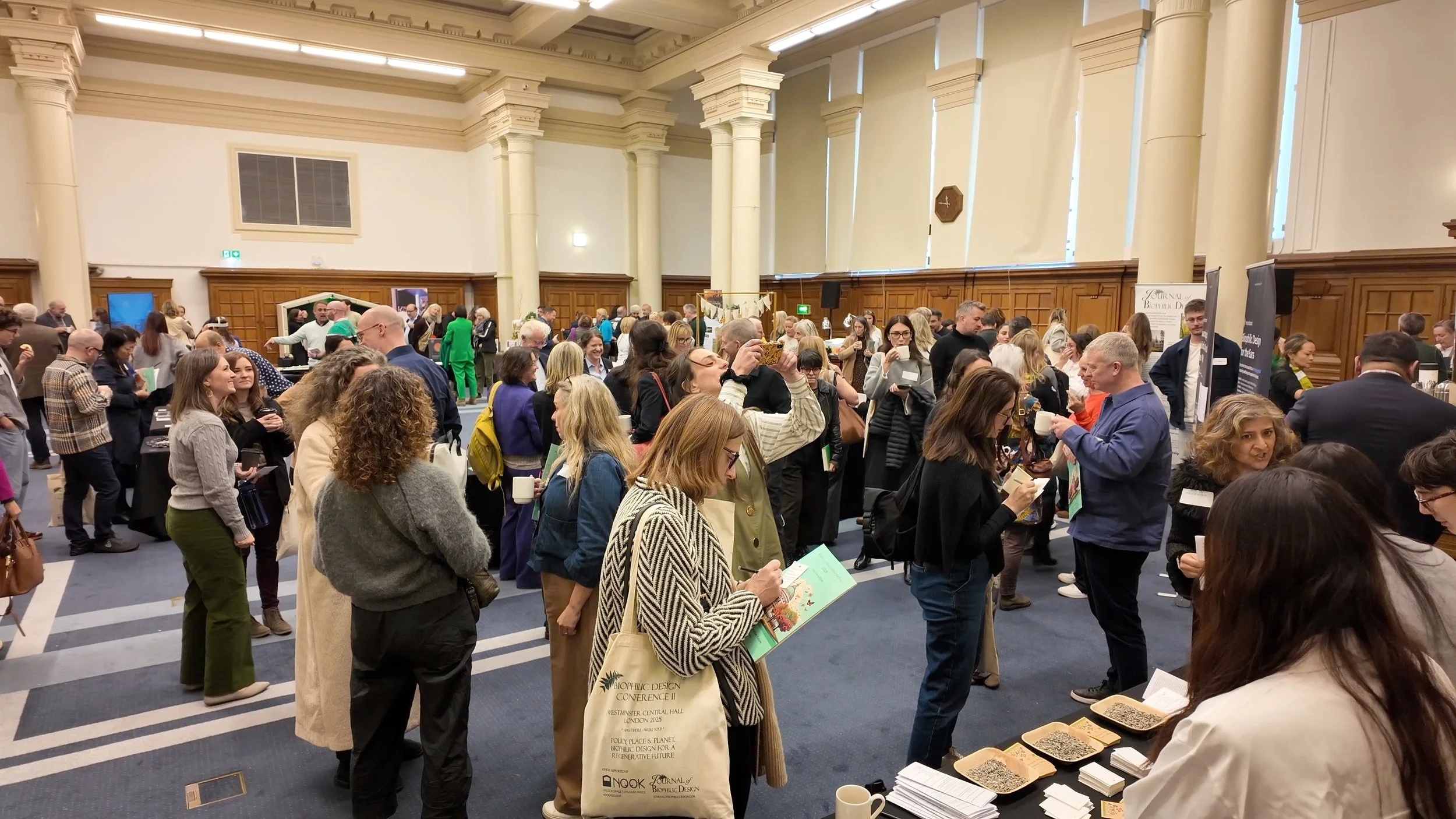
CONTINUING THE CONVERSATION
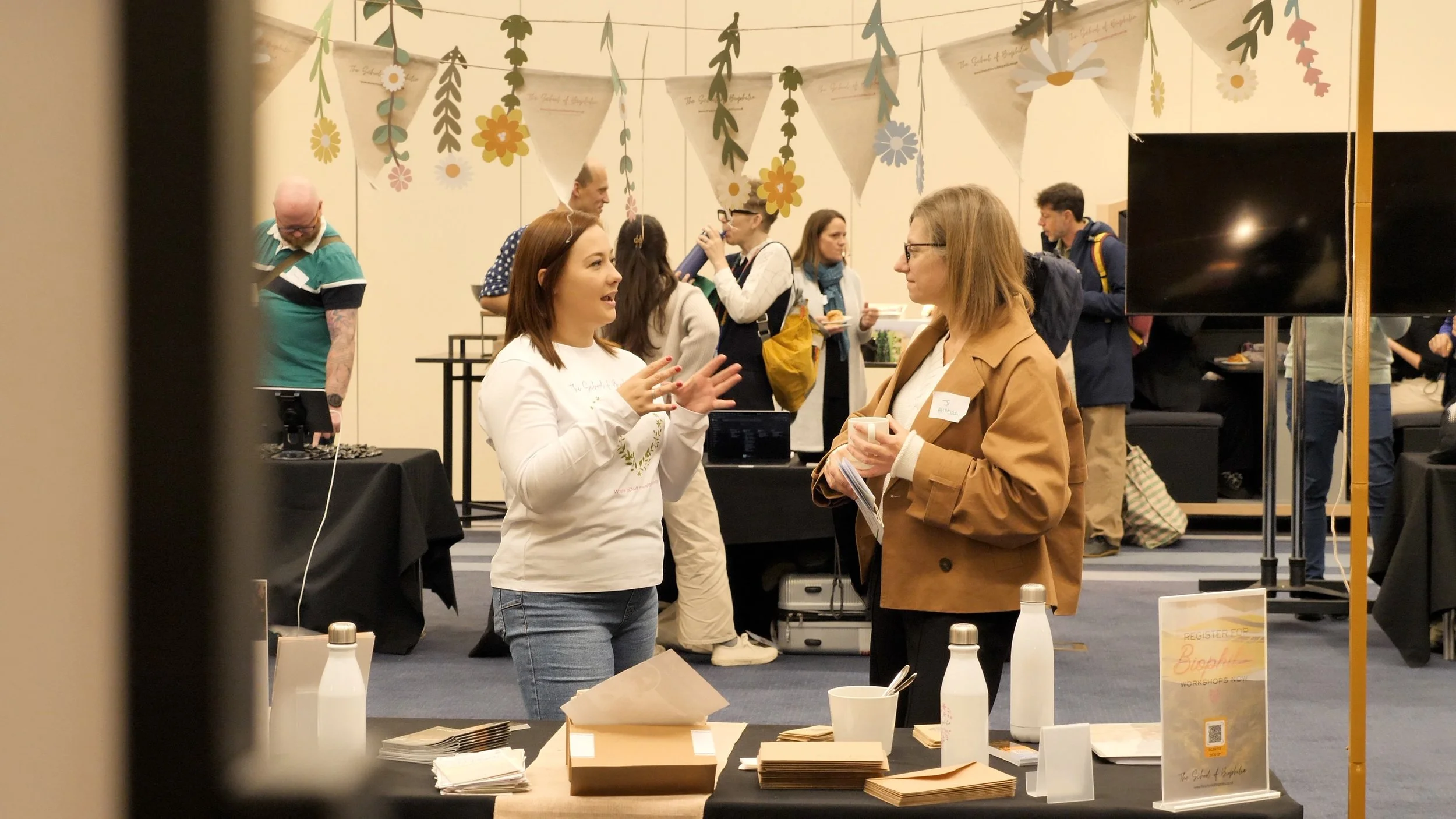
Congratulations to Vanessa Champion and the Journal of Biophilic Design for curating another fantastic conference and for continuing to build a valuable community around biophilic design. Events like this provide us with an important opportunity to stay connected with emerging research, understand the challenges faced by different sectors, and continue shaping our own approach to delivering meaningful, purpose-led planting solutions.
We look forward to bringing these learnings into our ongoing work and continuing to support clients across the UK in creating environments where people feel better connected, more comfortable and more at ease.